
 한국어
 English
 日本語
 中文(简体)
Dosage form image
Viewing nowCombinationMoxiblen Neo Syrup
Amoxicillin Hydrate 54.55g · Dilute Potassium Clavulanate 3.9g
Syrup · Prescription medication · Combination
Joah Pharmaceutical Co., Ltd.
MFDS item code 201906186 · Notified 2019.08.30
This product's status changed to Expired on 2024.08.30. It may no longer be sold, so consult a doctor or pharmacist before taking it.
Treatment of recurrent and persistent acute otitis media in children and recurrent acute sinusitis
This medication is used to treat recurrent or persistent acute otitis media and recurrent acute sinusitis in pediatric patients. It is particularly suitable for children under 2 years of age who have received antibiotics within the last 3 months or are attending daycare. This medication is effective against bacteria such as Streptococcus pneumoniae, Haemophilus influenzae (including beta-lactamase producing strains), and Moraxella catarrhalis. Therefore, it helps to improve symptoms of otitis media and sinusitis caused by these bacteria.
○ Adults: There is no experience with the use of this medicine in adults. ○ Patients with hepatic impairment: Use this medicine with caution in patients with hepatic impairment, and monitor liver function regularly. ○ To minimize the possibility of gastrointestinal disturbances, administer this medicine at the beginning of a meal. Administration of this medicine at the beginning of a meal increases the absorption of potassium clavulanate.
○ Pediatric patients 3 months of age and older: The recommended dose of this medicine, based on the amoxicillin content (600 mg/5 mL), is 90mg/kg/day, divided and administered every 12 hours. Administer for 10 days for acute otitis media and for 7 days for acute sinusitis. 8 kg: Administer 3.0mL every 12 hours 12 kg: Administer 4.5mL every 12 hours 16 kg: Administer 6.0mL every 12 hours 20 kg: Administer 7.5mL every 12 hours 24 kg: Administer 9.0mL every 12 hours 28 kg: Administer 10.5mL every 12 hours 32 kg: Administer 12.0mL every 12 hours 36 kg: Administer 13.5mL every 12 hours ○ Pediatric patients weighing 40kg or more: There is no experience with the use of this medicine in pediatric patients weighing 40kg or more.
This medication contains the artificial sweetener Aspartame, which should not be administered to patients with the hereditary condition Phenylketonuria. The daily allowance of Aspartame should be adjusted to a level below the WHO recommended amount, and there is also a maximum daily dosage established for adults. It should not be used in patients with allergies to the components of this medication or beta-lactam antibiotics, those with a history of certain viral infections, liver dysfunction, or genetic issues such as lactose intolerance. Caution should be exercised when administering this medication to patients with impaired liver or kidney function, individuals with allergic predispositions, elderly patients, and those in poor general condition or with gastrointestinal symptoms. While this medication is generally safe, side effects such as diarrhea, vomiting, and skin rashes may occur, and it could affect the liver or kidneys, so immediate medical consultation is advised if symptoms are severe or persistent. Severe skin reactions or anaphylactic shock may rarely occur as an allergic response, and monitoring for symptoms after administration is necessary. Care should be taken when using this medication long-term or in combination with other drugs due to the potential for resistant bacteria or drug interactions. Pregnant or breastfeeding women should exercise caution when using this medication, especially during the first three months of pregnancy when it is advisable to avoid use. Safety has not been established for infants under 3 months of age, so it should not be administered to them. This medication may affect gastrointestinal test results, so it's important to inform medical professionals of its use during examinations. In cases of overdose, gastrointestinal symptoms and kidney dysfunction may appear, requiring immediate cessation of use and appropriate treatment. Before use, the bottle should be shaken well, and after dispensing, it should be stored in the refrigerator and used within 7 days. It is important to store this medication out of reach of children and in a dry place below 25 degrees Celsius.
Not everyone experiences these, and they can vary from person to person.
This medication is sensitive to air and moisture, so it should be stored in a sealed container. Additionally, it should be kept in a dry place at a temperature between 1 and 25 degrees Celsius, avoiding extremes.
A white to pale yellowish powder with a peculiar smell, used as a syrup that dissolves when mixed.
Bottle - 50 milliliters/bottle
Even with the same ingredient, strength, dosage form and how it is taken can differ.
Amoxicillin Hydrate 54.55g · Dilute Potassium Clavulanate 3.9g
Syrup · Prescription medication · Combination
Joah Pharmaceutical Co., Ltd.
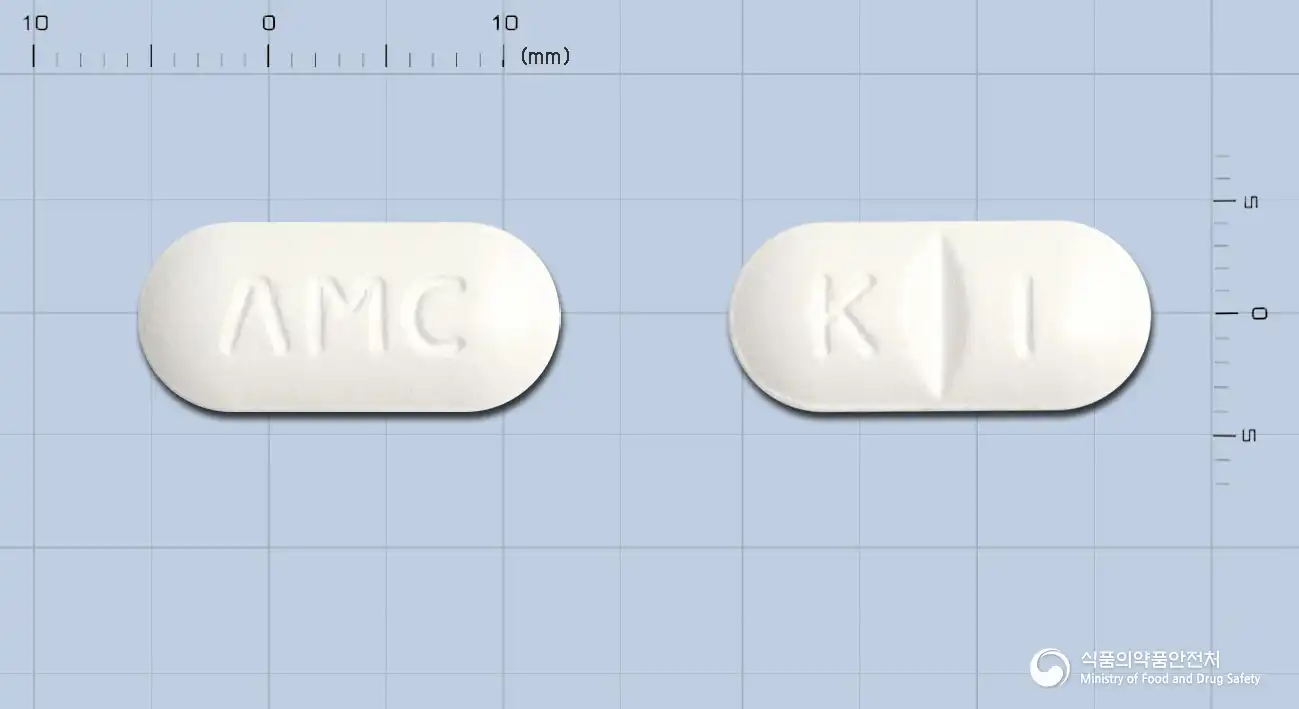 Combination
Amoxicillin Hydrate 500mg · Dilute Potassium Clavulanate 215.52mg
Tablet · Prescription medication · Combination
Geonil Pharmaceutical Co., Ltd.
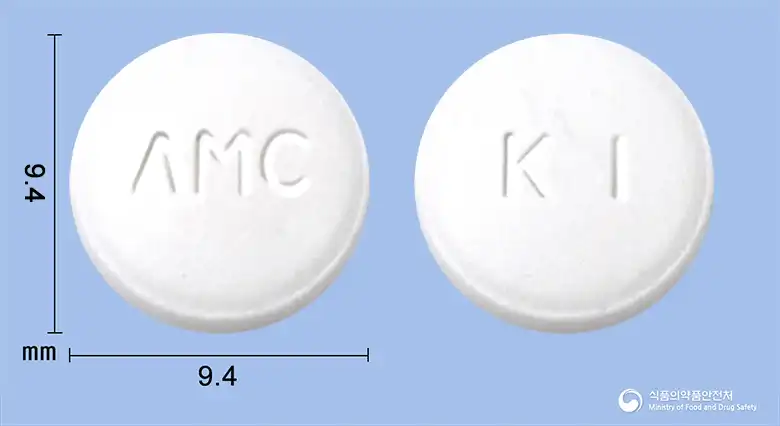 Combination
Amoxicillin Hydrate 125mg · Dilute Potassium Clavulanate 107.76mg
Tablet · Prescription medication · Combination
Geonil Pharmaceutical Co., Ltd.
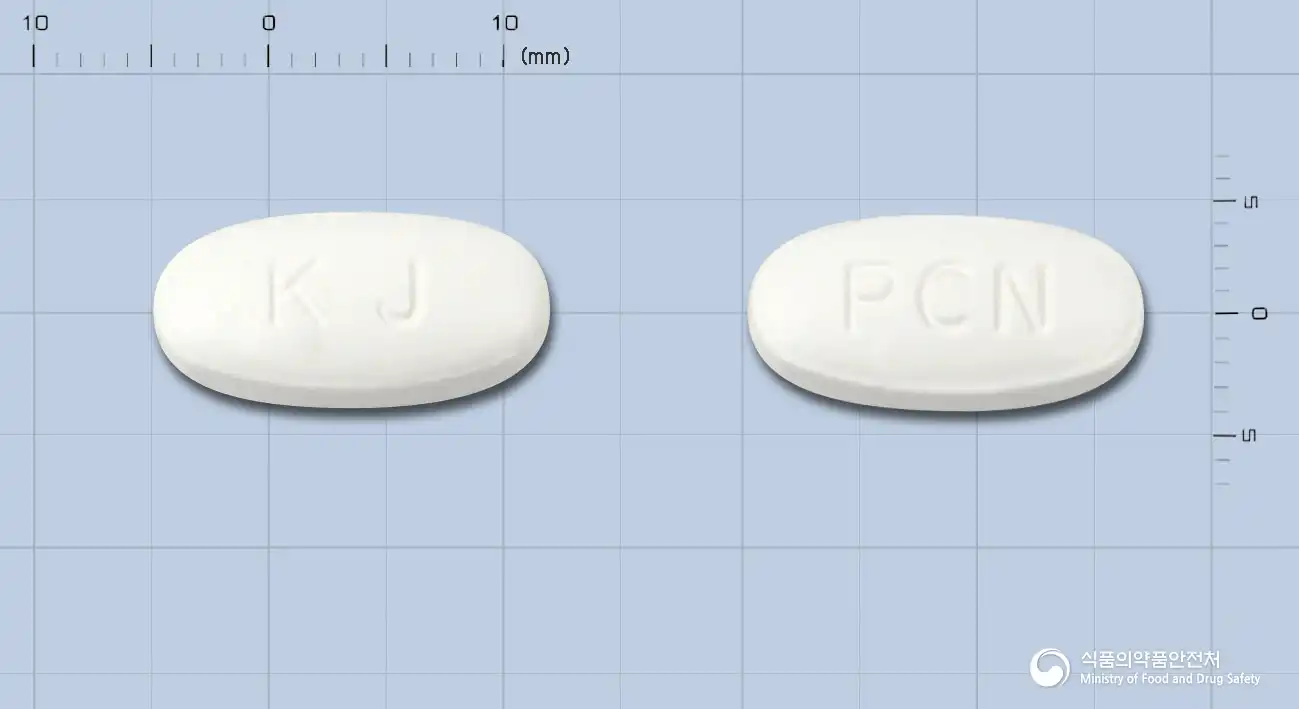 Combination
Amoxicillin Hydrate 250mg · Dilute Potassium Clavulanate 212.73mg
Tablet · Prescription medication · Combination
International Pharmaceutical Co., Ltd.
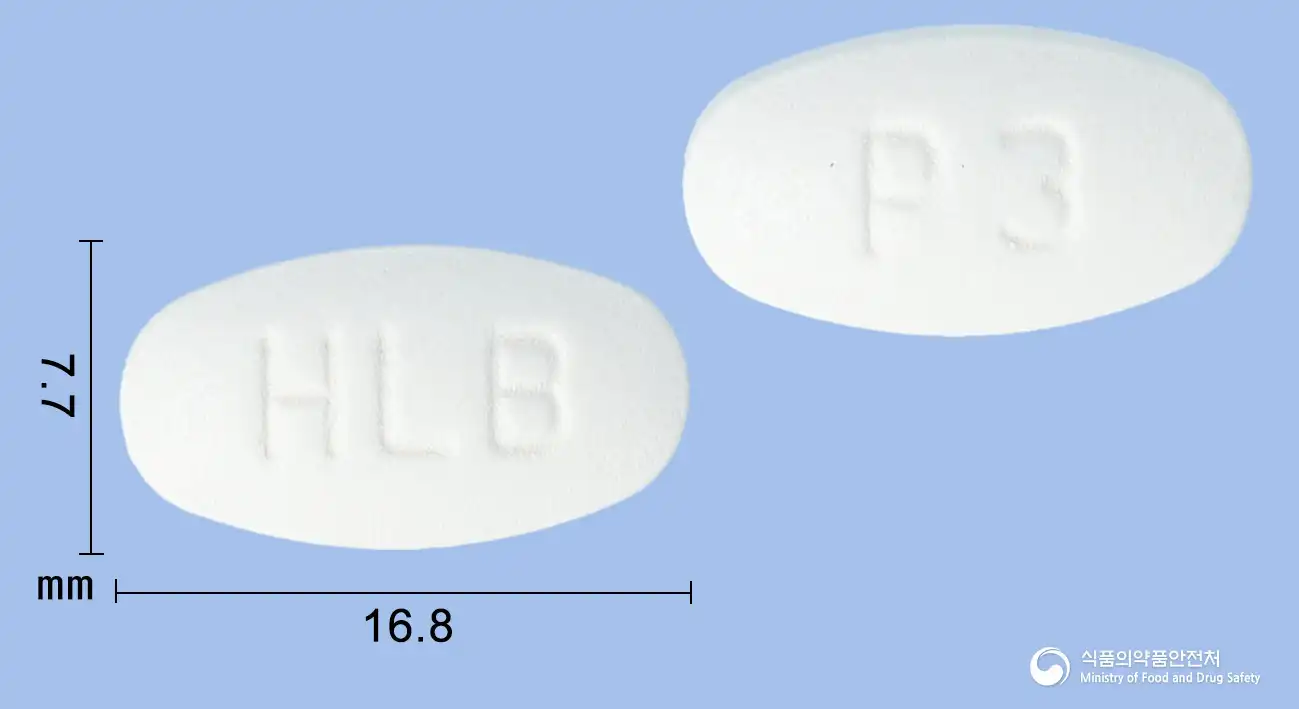 Combination
Amoxicillin Hydrate 250mg · Dilute Potassium Clavulanate 215.52mg
Tablet · Prescription medication · Combination
HLB Pharmaceutical Co., Ltd.
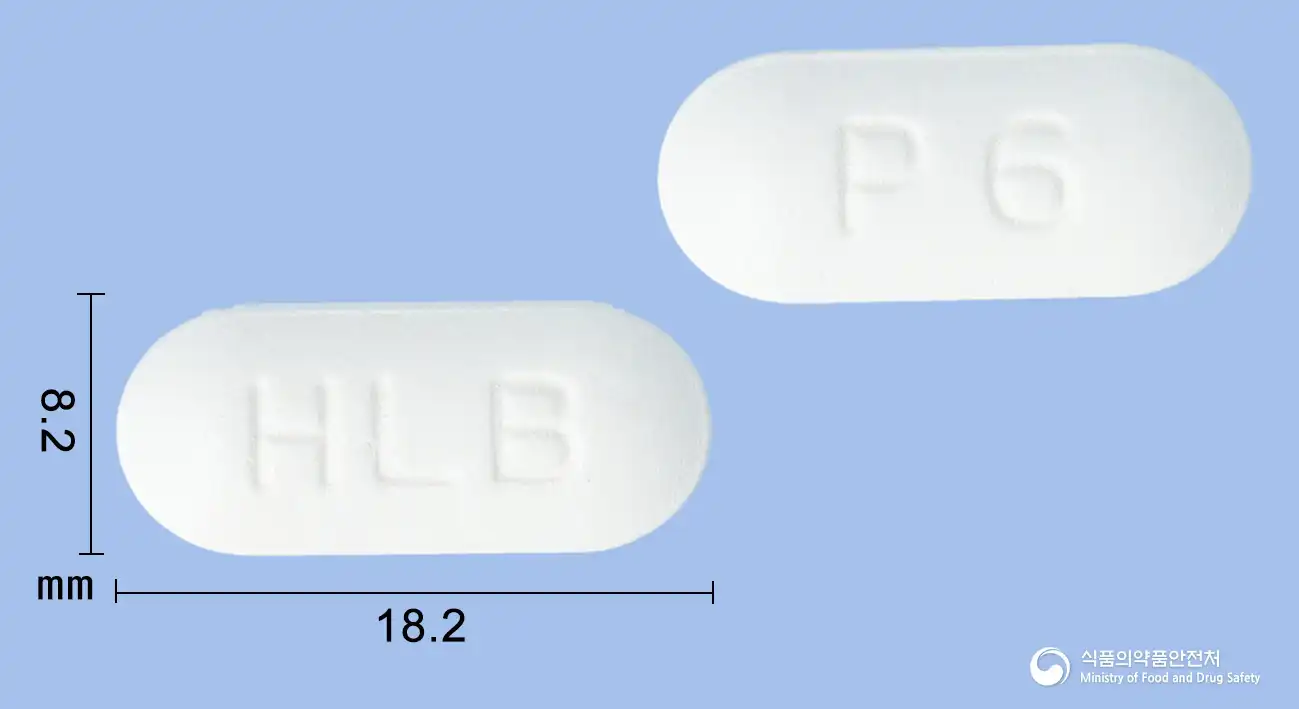 Combination
Amoxicillin Hydrate 500mg · Dilute Potassium Clavulanate 215.52mg
Tablet · Prescription medication · Combination
HLB Pharmaceuticals Co., Ltd.
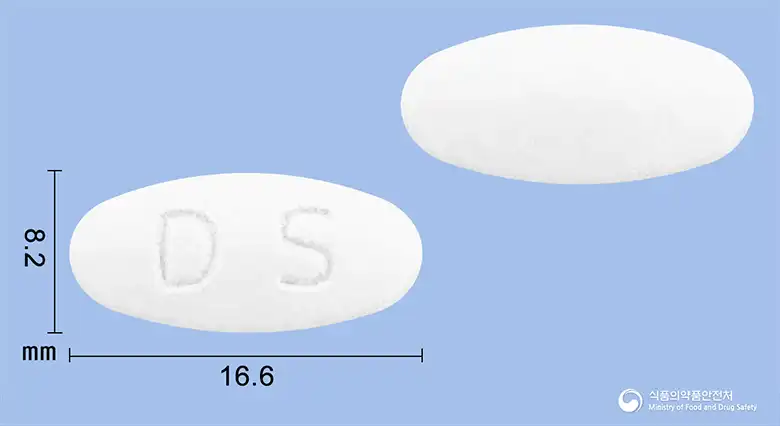 Combination
Amoxicillin Hydrate 250mg · Dilute Potassium Clavulanate 215.52mg
Tablet · Prescription medication · Combination
Dong Sung Pharmaceutical Co., Ltd.
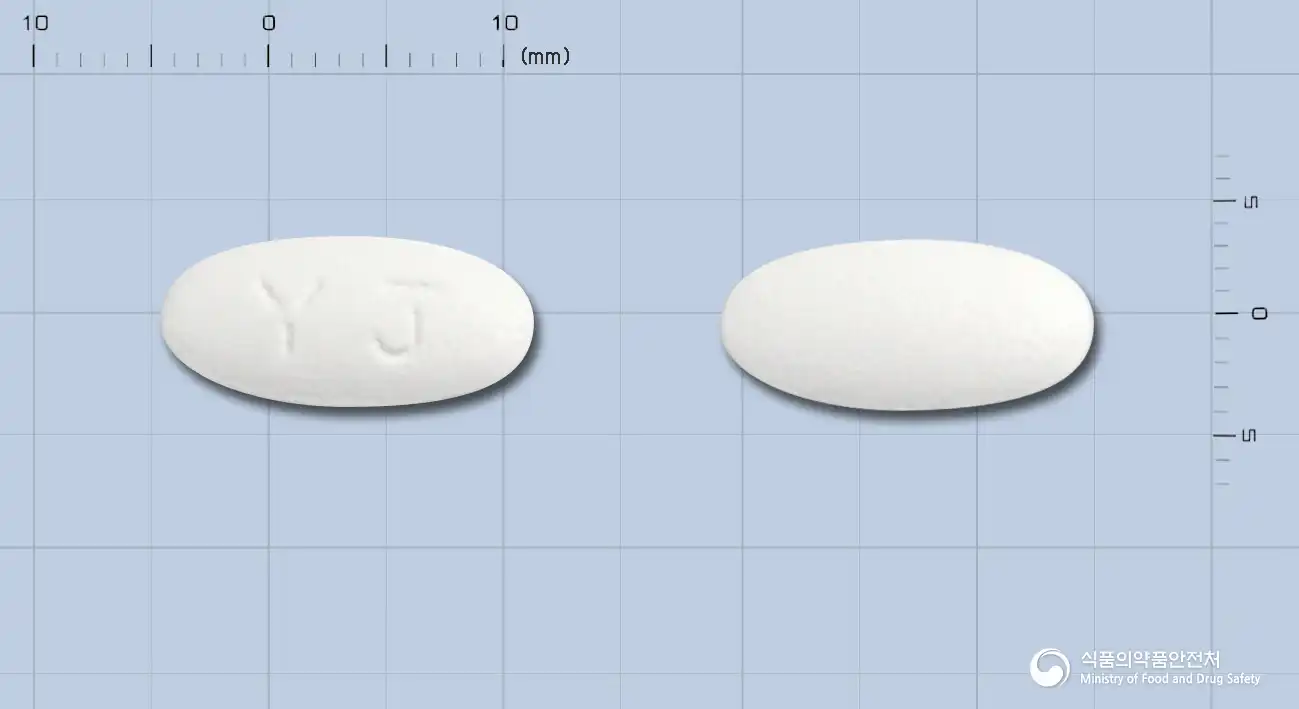 Combination
Amoxicillin Hydrate 250mg · Dilute Potassium Clavulanate 212.73mg
Tablet · Prescription medication · Combination
Youngjin Pharmaceutical Co., Ltd.
Even with the same ingredient, the dose and directions can differ by strength and dosage form. Talk to a doctor or pharmacist before switching from a medication you are already taking.
No questions yet.
For anything that needs medical judgment, consult a doctor or pharmacist.
This drug information is based on data provided by the Korea Ministry of Food and Drug Safety.
Consult a doctor or pharmacist for accurate dosage, administration, and usage instructions.