
 한국어
한국어 English
 日本語
日本語 中文(简体)
Dosage form image
Viewing nowBoryung Levocetirizine Hydrochloride Solution
Levocetirizine Hydrochloride
Prescription medication
Boryung Pharmaceutical Co., Ltd.
MFDS item code 201906112 · Notified 2019.08.28
This product's status changed to Approval withdrawn on 2023.08.11. It may no longer be sold, so consult a doctor or pharmacist before taking it.
Relief of symptoms associated with allergic rhinitis and chronic urticaria
This medication helps alleviate symptoms associated with seasonal or perennial allergic rhinitis. It also reduces symptoms in patients with chronic idiopathic urticaria and is used in adults and children over 6 years of age for the relief of pruritus-related dermatitis and eczema symptoms. Thus, it is used effectively for improving allergic-related diseases and skin inflammation symptoms.
Adults and children over 6 years: 5 mg (as levocetirizine hydrochloride, 10 mL as a liquid) taken orally once a day, regardless of meals. For adult patients with renal impairment, the dosage should be adjusted based on renal function (creatinine clearance rate (CLCR (ml/min)): - Mild (50 ≤ CLCR < 80): 1 dose of 5 mg, once a day - Moderate (30 ≤ CLCR < 50): 1 dose of 5 mg, once every 2 days -
Children over 2 years and under 6 years: 1.25 mg (as a liquid, 2.5 mL) once, orally, twice a day. Children over 1 year and under 2 years: 1.25 mg (as a liquid, 2.5 mL) once, orally, once a day.
This medication should not be used in patients who have had an allergic reaction or hypersensitivity to hydroxyzine or piperazine derivatives. It should not be administered to patients with severely impaired renal function or those undergoing hemodialysis. It is safe to avoid this medication during pregnancy or in women who may become pregnant, as well as in breastfeeding women. It should not be used in infants under 1 year of age, and for children under 6 years, only the liquid form should be administered instead of tablets. The liquid formulation contains maltitol, so it should not be administered to patients congenital fructose intolerance. Patients with renal or hepatic impairment, as well as the elderly, should use this medication with caution because the blood concentration may increase. Taking this medication may cause neurological symptoms such as drowsiness, headache, dizziness, and fatigue, so caution is needed when driving or operating machinery. Gastrointestinal symptoms such as nausea, abdominal pain, and diarrhea may occur; if any unusual symptoms arise, consult a doctor. Rarely, cardiac arrhythmias or hematological adverse reactions may occur, so report any unusual symptoms to medical personnel immediately. Allergic reactions such as photosensitivity, rash, or swelling may occur, so take care if there are any changes in the skin. This medication can cause drowsiness or lethargy, so it is advisable not to take it with alcohol or other central nervous system depressants. There is a risk of urinary retention, so patients with spinal disorders or prostatic hypertrophy should use it with caution. The liquid formulation contains preservatives and sweeteners, which may cause allergic reactions or health issues in some individuals. This medication may interact with other drugs, so always consult a healthcare professional if taking other medications. Pregnant and breastfeeding women should avoid this medication, particularly because there is a potential for the drug to be passed through breast milk. Children and the elderly may have reduced renal function, thus careful dosing and administration are necessary. It is advisable to discontinue this medication before allergy testing, as it may affect test results. In case of overdose, symptoms such as drowsiness or agitation may appear, and since there is no specific antidote, appropriate symptomatic treatment should be received. This medication is not readily removed by hemodialysis; thus, prompt medical attention is necessary in case of overdose.
Not everyone experiences these, and they can vary from person to person.
This medication is sensitive to light, so it should be stored in a tightly sealed container that blocks light. It is also important to store it at room temperature between 1 and 30 degrees Celsius to ensure its safety.
Colorless and transparent solution in a plastic bottle
500 milliliters/bottle
Even with the same ingredient, strength, dosage form and how it is taken can differ.
Levocetirizine Hydrochloride
Prescription medication
Boryung Pharmaceutical Co., Ltd.
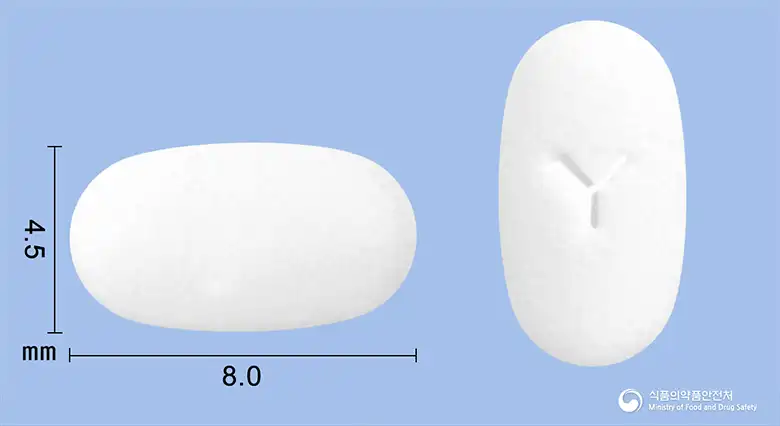
Levocetirizine Hydrochloride 5mg
Tablet · Prescription medication
HanKook UCB Pharma Co., Ltd.
Levocetirizine Hydrochloride 50mg
Solution · Prescription medication
Korea UCB Pharmaceutical Co., Ltd.
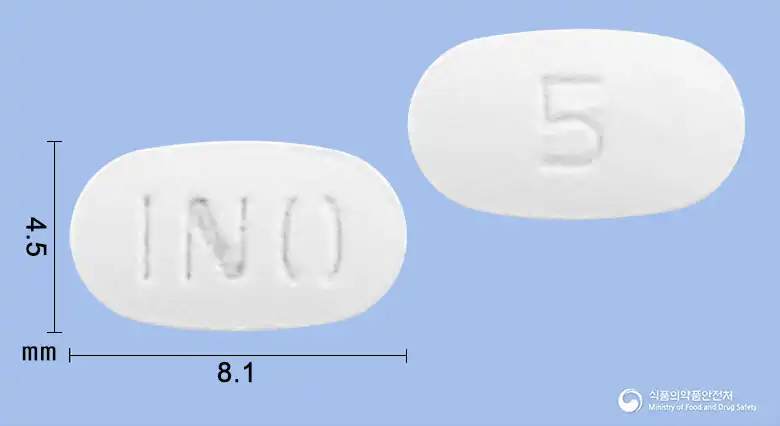
Levocetirizine Hydrochloride 5mg
Tablet · Prescription medication
HK inno.N Co., Ltd.
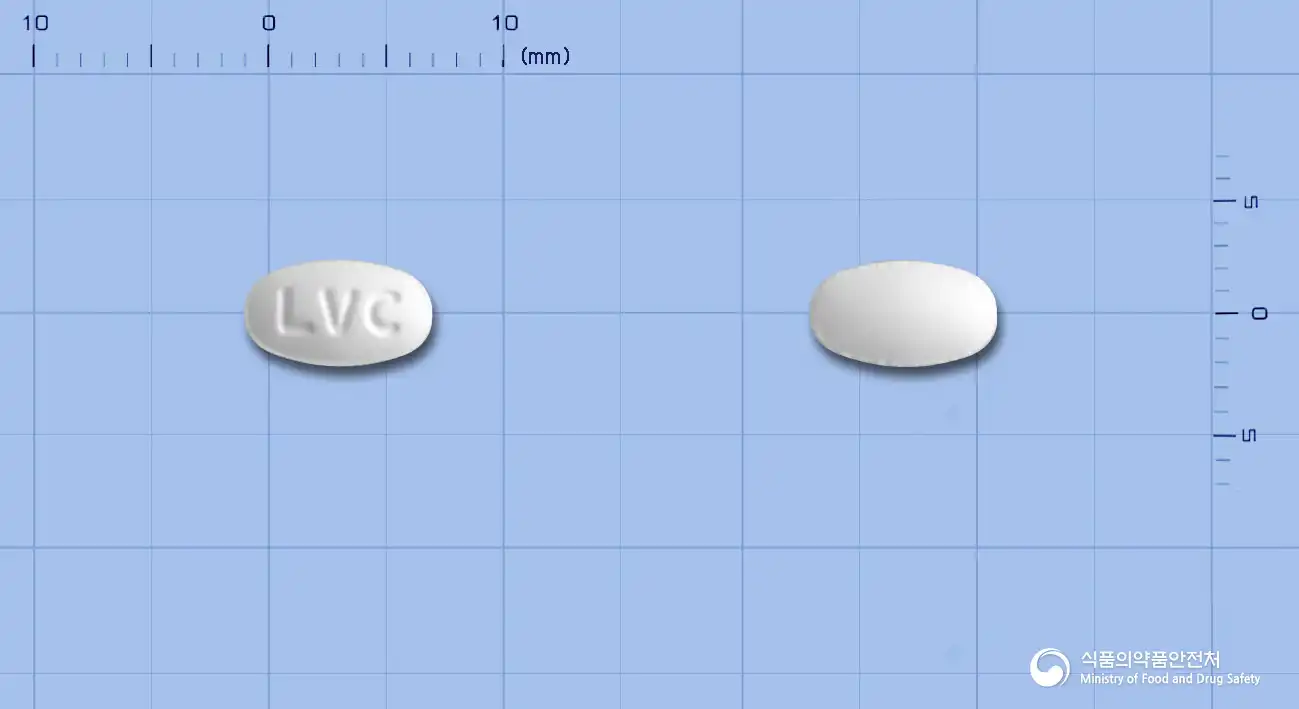
Levocetirizine Hydrochloride 5mg
Tablet · Prescription medication
Hanwha Pharmaceutical Co., Ltd.
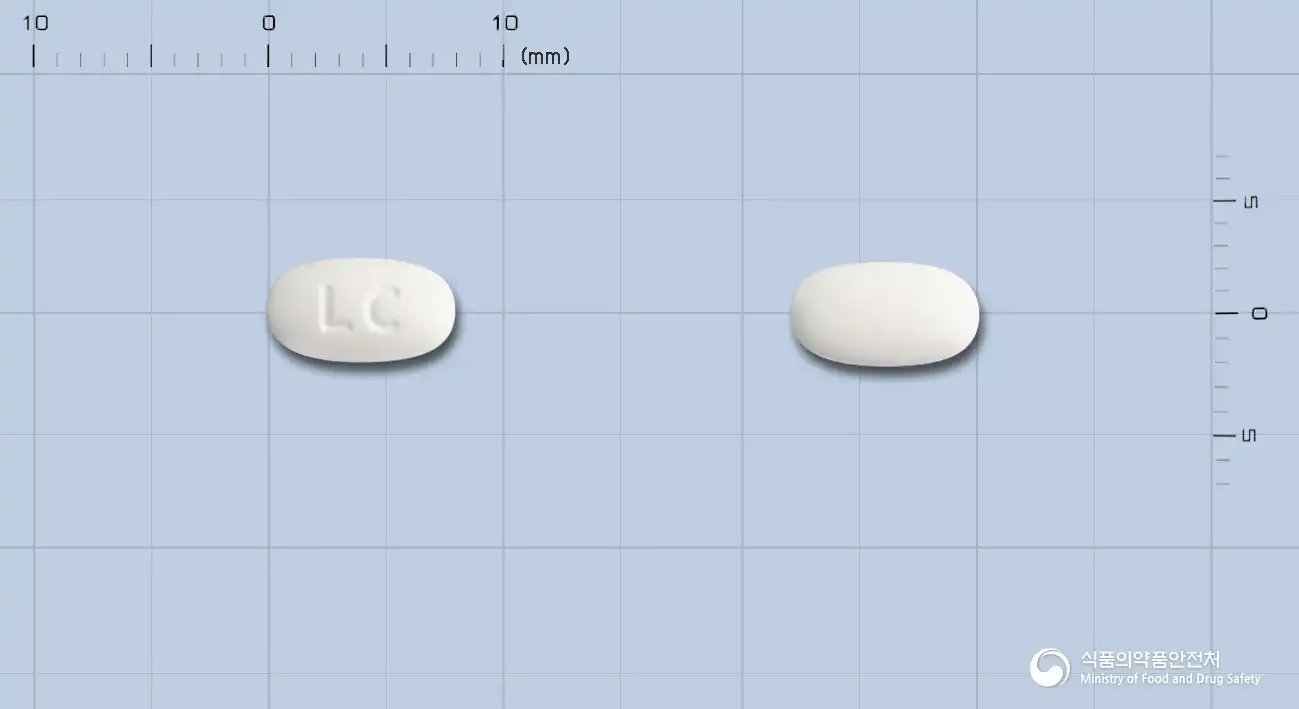
Levocetirizine Hydrochloride 5mg
Tablet · Prescription medication
Dongkwang Pharmaceutical Co., Ltd.
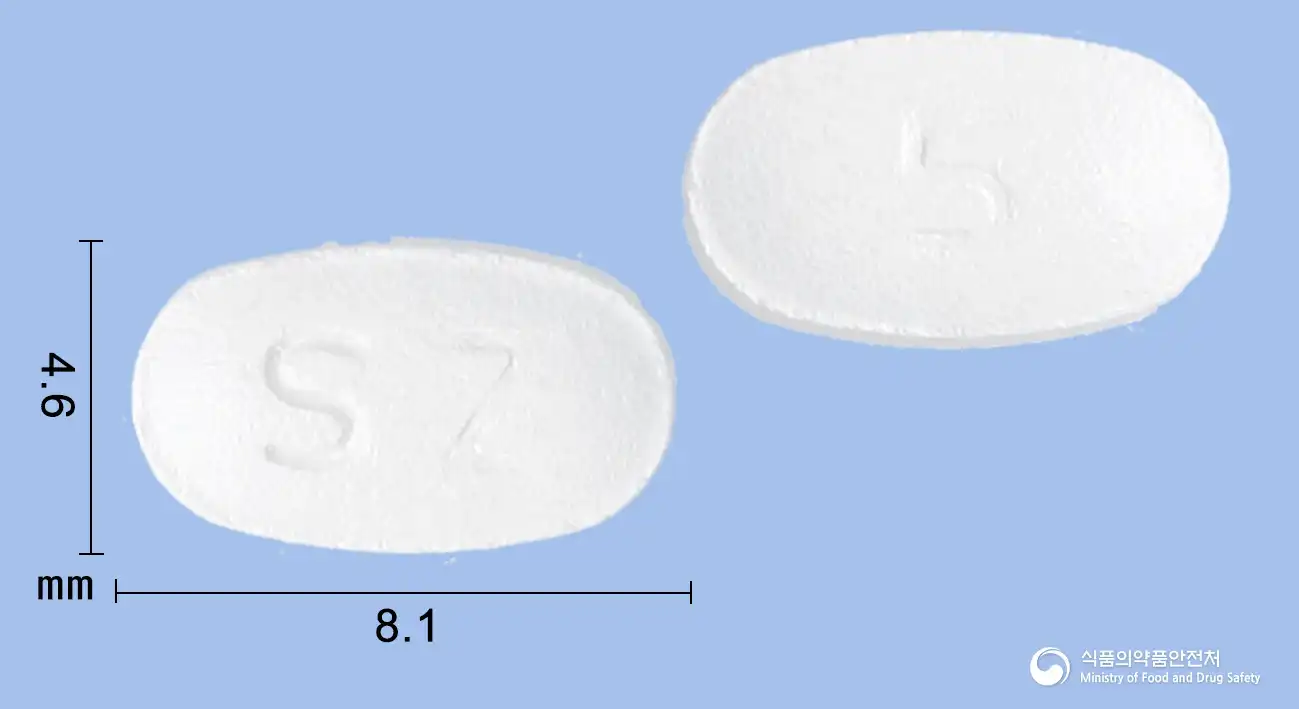
Levocetirizine Hydrochloride 5mg
Tablet · Prescription medication
Kyungdong Pharmaceutical Co., Ltd.
Levocetirizine Hydrochloride 5mg
Tablet · Prescription medication
Hanlim Pharmaceutical Co., Ltd.
Even with the same ingredient, the dose and directions can differ by strength and dosage form. Talk to a doctor or pharmacist before switching from a medication you are already taking.
No questions yet.
For anything that needs medical judgment, consult a doctor or pharmacist.
This drug information is based on data provided by the Korea Ministry of Food and Drug Safety.
Consult a doctor or pharmacist for accurate dosage, administration, and usage instructions.