
 한국어
 English
 日本語
 中文(简体)
Dosage form image
Viewing nowCefurem Tablet 250mg (Cefuroxime Axetil)
Cefuroxime Axetil 300.72mg
Tablet · Prescription medication
Mothers Pharmaceutical Co., Ltd.
MFDS item code 201906071 · Approved 2019.08.26
This product's status changed to Expired on 2024.08.26. It may no longer be sold, so consult a doctor or pharmacist before taking it.
Treatment of respiratory, skin, and soft tissue infections; genitourinary infections and gonorrhea; and early Lyme disease
Cefuroxime is a broad-spectrum antibiotic that acts effectively against a variety of bacteria, mainly used to treat upper and lower respiratory tract infections (otitis media, sinusitis, tonsillitis, pharyngitis, bronchitis, pneumonia, etc.), urogenital infections (pyelonephritis, cystitis, urethritis), skin and soft tissue infections (furuncles, impetigo, cellulitis), gonorrhea, and early Lyme disease. This drug is stable against beta-lactamase and is effective against bacteria that are resistant to ampicillin or amoxicillin. Therefore, it helps improve diseases caused by various bacterial infections.
Dosage: For optimal absorption, this medication should be taken after meals. Adults 1) Most infections: Administer 250mg twice daily. 2) Severe lower respiratory tract infections, pneumonia, severe infections, or suspected infections caused by less susceptible organisms: Administer 500mg twice daily. 3) Urinary tract infections: Administer 250mg twice daily. 4) Uncomplicated gonorrhea: Administer 1g as a single dose. 5) Lyme disease: Administer 500mg twice daily for 14 days (10~21 days). 3. Patients with renal impairment Creatinine clearance ≥ 30 mL/min/1.73m2, T1/2 (hours) 1.4 - 2.4: No dosage adjustment required (standard dose: 125mg-500mg twice daily) Creatinine clearance 10 - 29 mL/min/1.73m2, T1/2 (hours) 4.6: Administer the standard single dose every 24 hours Creatinine clearance < 10 mL/min/1.73m2, T1/2 (hours) 16.8: Administer the standard single dose every 48 hours Patients on hemodialysis, T1/2 (hours) 2 - 4: Administer an additional standard single dose at the end of each dialysis session
Children aged 12 years and older 1) Most infections: Administer 250mg twice daily. 2) Severe lower respiratory tract infections, pneumonia, severe infections, or suspected infections caused by less susceptible organisms: Administer 500mg twice daily. 3) Urinary tract infections: Administer 250mg twice daily. 4) Uncomplicated gonorrhea: Administer 1g as a single dose. 5) Lyme disease: Administer 500mg twice daily for 14 days (10~21 days). Children under 12 years 1) Most infections: Administer 125mg twice daily. However, for otitis media in children aged 2 years and older and for severe infections, administer 250mg twice daily. 2) Lyme disease: Administer 250mg twice daily for 14 days (10~21 days). There is insufficient experience with use in infants under 3 months of age.
This medicine should not be administered to patients with hypersensitivity to cephalosporins. It should be used with caution in patients with a history of hypersensitivity to penicillin or other beta-lactam antibiotics, or in those with an allergic constitution. Caution is also required for patients with severely impaired kidney function, those unable to take orally, the elderly, or patients in poor general condition. During the course of treatment, allergic reactions such as skin rash, urticaria, and itching may occur, so if symptoms arise, immediate consultation with a healthcare professional is necessary. Gastrointestinal symptoms such as headache, dizziness, diarrhea, nausea, and abdominal pain may also occur, so caution is advised. In severe cases, serious skin reactions such as Stevens-Johnson syndrome or toxic epidermal necrolysis may occur, so the condition of the skin should be closely monitored. Prolonged administration of this drug may lead to overgrowth of Candida or non-susceptible bacteria, and treatment should be discontinued if symptoms appear. If diarrhea persists or severe abdominal pain occurs during antibiotic use, consider the possibility of pseudomembranous colitis and discontinue treatment immediately. This drug may cause dizziness; therefore, caution should be exercised when driving or operating machinery. Interactions with other drugs may occur, so caution is needed when combined with diuretics, aminoglycoside antibiotics, probenecid, antacids, etc. The use of this medication should be carefully considered in pregnant or nursing women, especially during breastfeeding, as the drug may transfer into breast milk. Safety has not been established for infants under 3 months; therefore, a dry syrup formulation should be used for children, as the taste can be unpleasant. Elderly patients are at higher risk of bleeding due to renal function decline and vitamin K deficiency, so doses and intervals should be carefully adjusted. This medication may affect some clinical test results, so inform healthcare professionals of its use during testing. In case of overdose, central nervous system abnormal symptoms such as seizures may occur, and the drug concentration can be reduced by hemodialysis or peritoneal dialysis. Keep out of reach of children, and store the medication in its original container to prevent safety accidents and degradation of quality.
Not everyone experiences these, and they can vary from person to person.
This medication should be stored in a tightly closed container to prevent air and moisture from entering. It is important to maintain a storage temperature between 1°C and 30°C at room temperature. By storing it this way, the effectiveness of the medication can be safely preserved.
White, oblong film-coated tablets
For domestic use - 50 tablets - 10 tablets/PTP, For domestic use - 50 tablets - 5 PTPs/box
Even with the same ingredient, strength, dosage form and how it is taken can differ.
Cefuroxime Axetil 300.72mg
Tablet · Prescription medication
Mothers Pharmaceutical Co., Ltd.
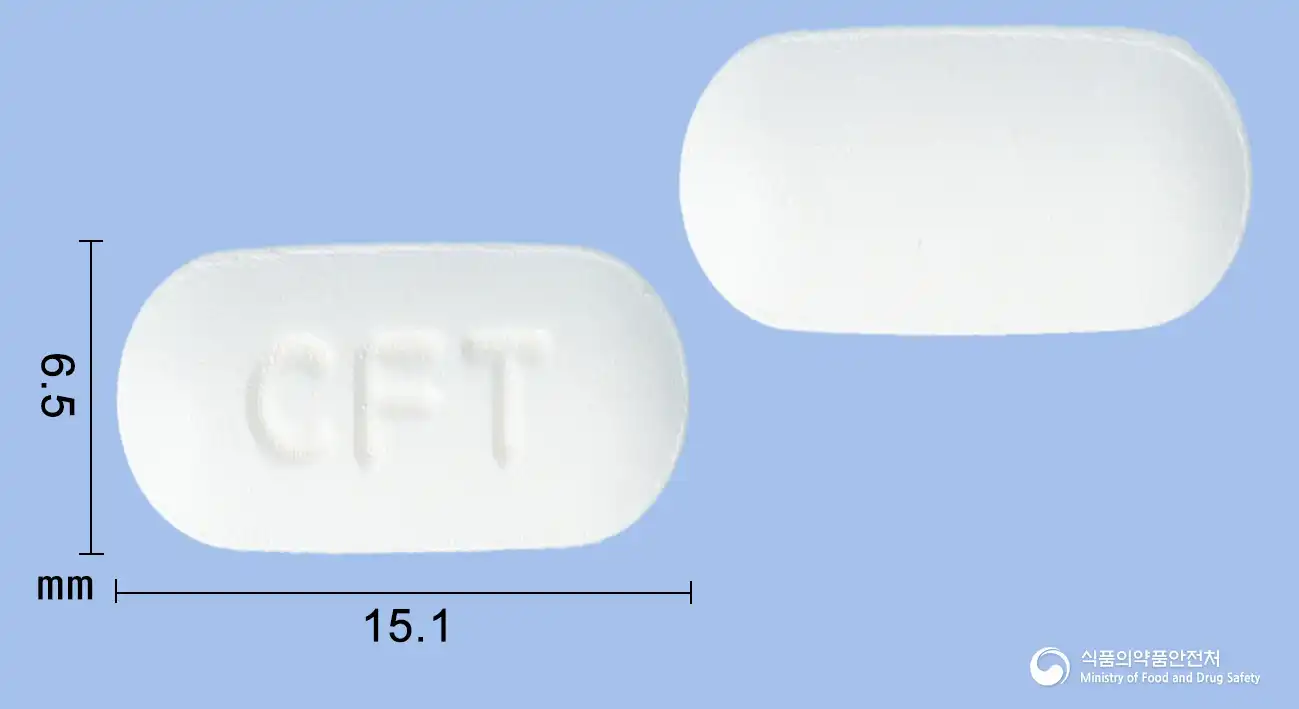
Cefuroxime Axetil 300.72mg
Tablet · Prescription medication
Hanmi Pharmaceutical Co., Ltd.
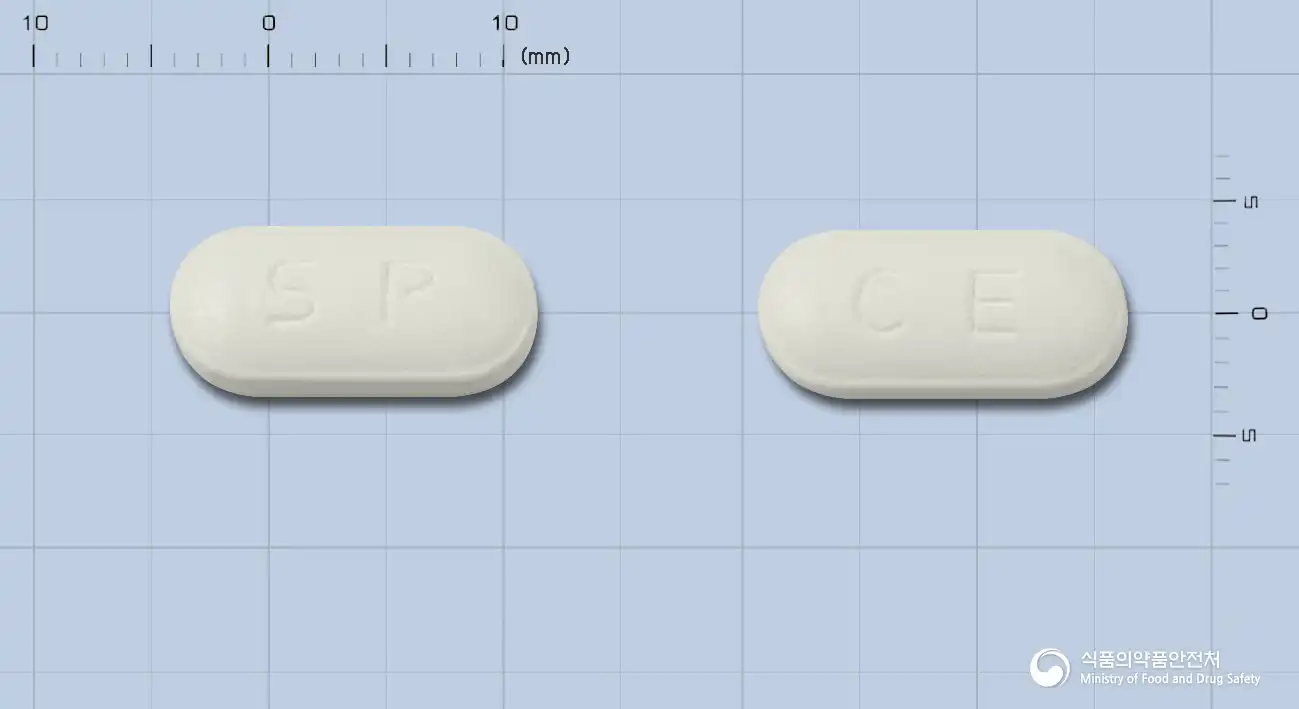
Cefuroxime Axetil 300.72mg
Tablet · Prescription medication
Shinpoong Pharmaceutical Co., Ltd.
Cefuroxime Axetil 300.72mg
Tablet · Prescription medication
Celix Co., Ltd.
Cefuroxime Axetil
Prescription medication
Austin Pharmaceutical Co., Ltd.
Cefuroxime Axetil
Prescription medication
Mirae Biopharmaceutical Co., Ltd.
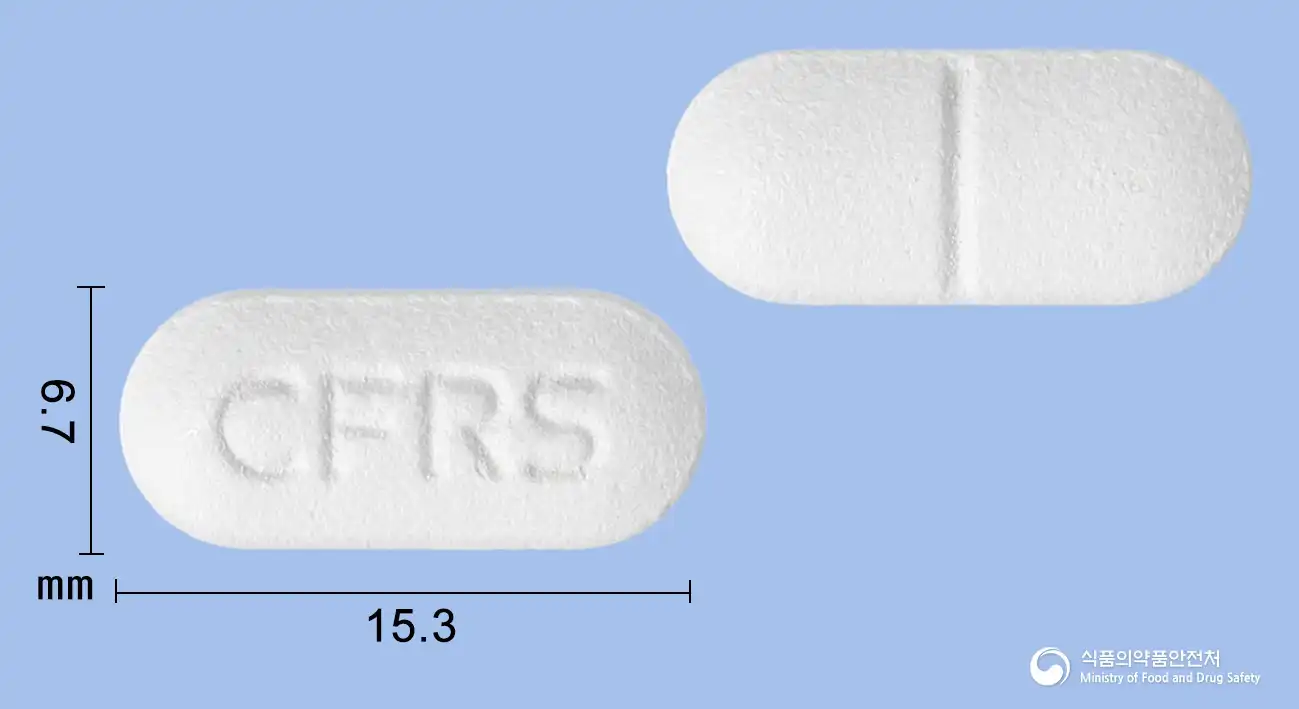
Cefuroxime Axetil 300.72mg
Tablet · Prescription medication
Korea Prime Pharmaceutical Co., Ltd.
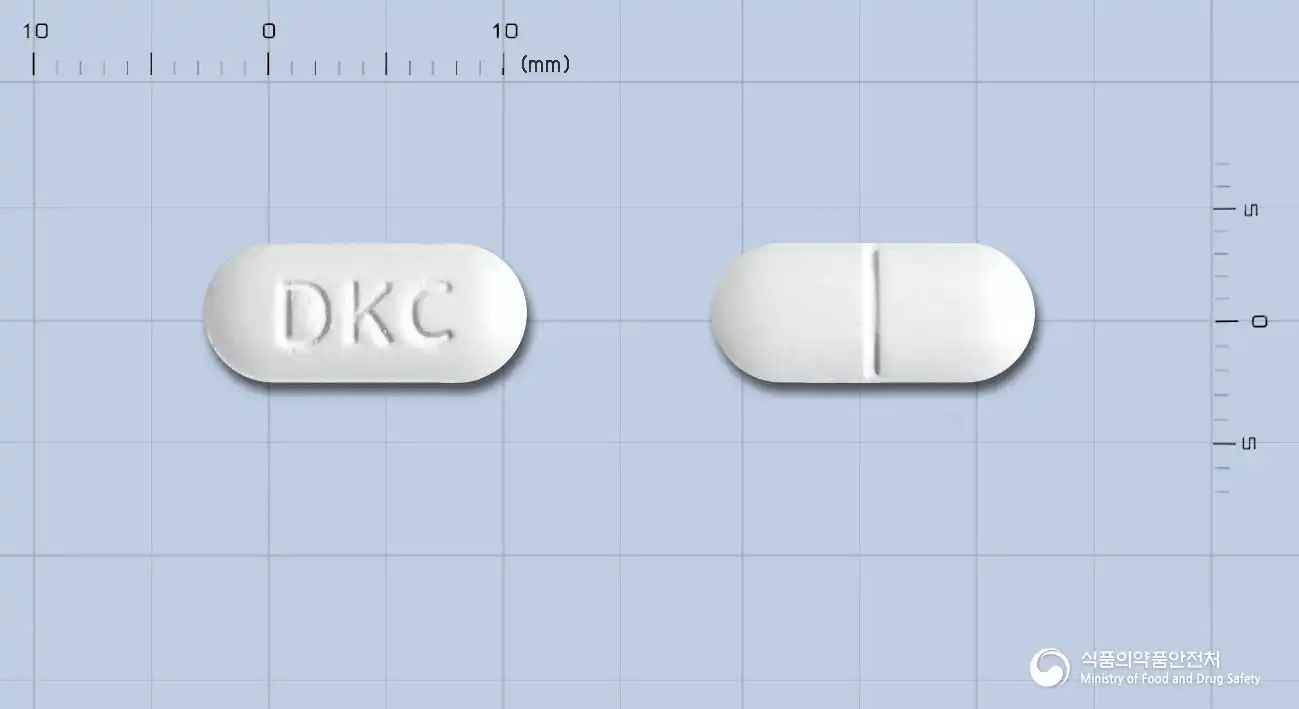
Cefuroxime Axetil 300.72mg
Tablet · Prescription medication
Dong Gu Bio Pharmaceutical Co., Ltd.
Even with the same ingredient, the dose and directions can differ by strength and dosage form. Talk to a doctor or pharmacist before switching from a medication you are already taking.
No questions yet.
For anything that needs medical judgment, consult a doctor or pharmacist.
This drug information is based on data provided by the Korea Ministry of Food and Drug Safety.
Consult a doctor or pharmacist for accurate dosage, administration, and usage instructions.