
 한국어
한국어 English
 日本語
日本語 中文(简体)
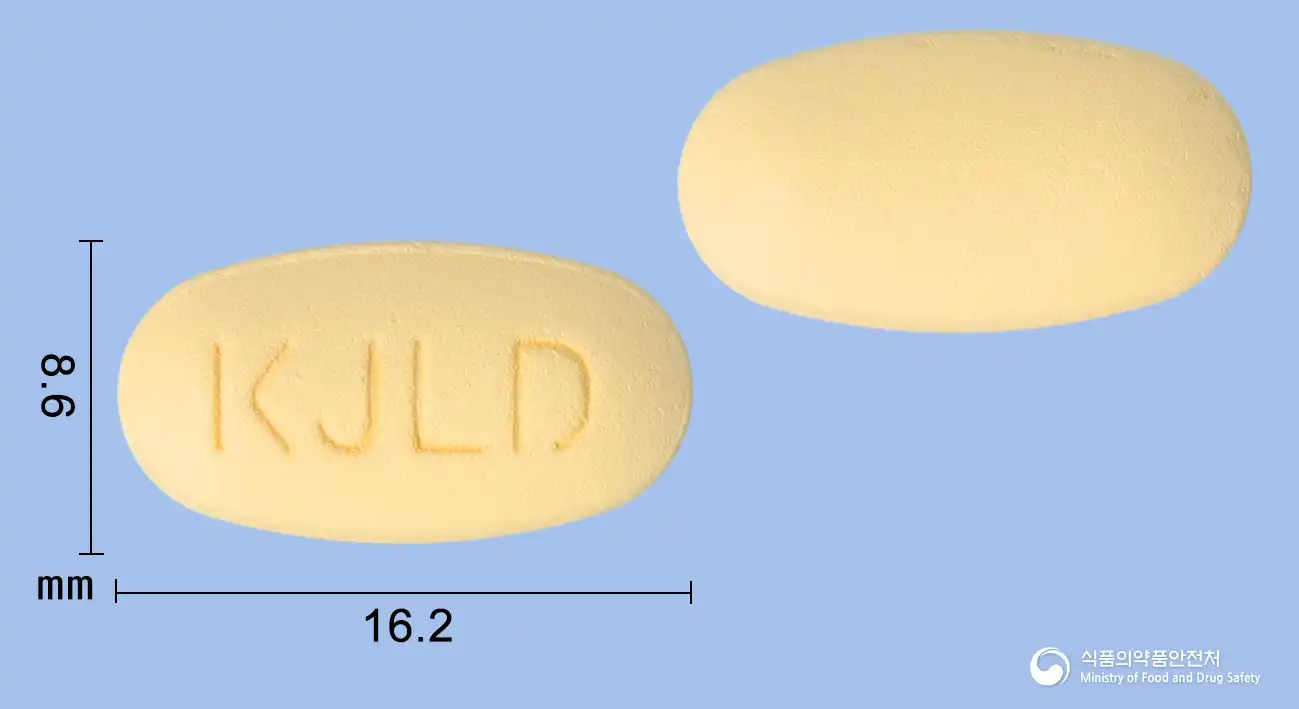
Dosage form image
Viewing nowCombinationLinagliptin/Metformin Duo Tablet 2.5/500mg
Linagliptin 2.5mg · Metformin Hydrochloride 500mg
Tablet · Prescription medication · Combination
Daewoo Pharmaceutical Co., Ltd.
MFDS item code 201905853 · Approved 2019.08.19
This product's status changed to Expired on 2024.08.19. It may no longer be sold, so consult a doctor or pharmacist before taking it.
Improvement of blood glucose control in adults with type 2 diabetes
This medication is used as an adjunctive therapy to improve blood glucose control in adults with type 2 diabetes, alongside diet and exercise. It can be used in patients who have difficulty controlling blood glucose with monotherapy when starting diabetes medication. Additionally, it can replace the combination therapy of linagliptin and metformin, or it can be used with insulin when combination therapy with insulin and metformin is insufficient for adequate blood glucose control. Furthermore, when blood glucose control is inadequate even with the maximum dose of metformin and empagliflozin, it can be used in combination with empagliflozin to enhance blood glucose control. This medication helps improve blood glucose control in various combination therapy scenarios.
This medication is administered twice daily with meals. 1. If currently not being treated with metformin: Take this medication 2.5/500 mg twice daily, 1 tablet at a time, and can increase to 2.5/1000 mg twice daily, 1 tablet at a time. 2. For conversion from linagliptin and metformin combination therapy: Initially take the same dose as linagliptin and metformin previously used.
This medication can cause a serious metabolic complication called lactic acidosis, so it should not be administered to patients at high risk for lactic acidosis. This medication contains linagliptin and metformin, so it should not be used in patients who are allergic to these ingredients or who have certain conditions (e.g., type 1 diabetes, lactic acidosis, severe renal impairment, severe liver dysfunction). Patients with impaired renal function should undergo renal function tests before using this medication, and it should not be administered if renal function is below a certain level. When using this medication, hypoglycemic symptoms may occur, especially when taken with other glucose-lowering agents such as sulfonylureas or insulin, so caution is advised. This medication should be discontinued in acute conditions such as acute heart failure, acute myocardial infarction, or severe infections, and can be resumed once the condition stabilizes. If skin adverse reactions such as acute pancreatitis or bullous pemphigoid occur, stop taking this medication immediately and consult healthcare providers. This medication may lower vitamin B12 levels, so it is advisable to regularly check for vitamin B12 deficiency if taken for a long time. It is not safe for women who are pregnant or may be pregnant, or for nursing mothers to use this medication. Elderly patients may commonly have reduced renal function, so renal function should be regularly monitored, and the dosage adjusted when administering this medication. This medication may interact with various drugs, so inform the doctor or pharmacist if taking other medications. Avoid excessive alcohol consumption while taking this medication, and immediately report to healthcare providers if severe dehydration, vomiting, diarrhea, or similar symptoms occur, and consider stopping the medication. This medication can be taken without regard to meals, but for reducing gastrointestinal discomfort, it is recommended to take it during or after meals. There is a risk of lactic acidosis from overdose, so it is essential to adhere strictly to the prescribed dosage, and to visit a hospital immediately if any unusual symptoms occur.
Urticaria, severe swelling (angioedema), chest tightness, difficulty breathing, cold sweat, pallor, severe rash with fever, blistering, skin peeling, pain in oral/ocular mucosa, shortness of breath or difficulty breathing, asthma attack, respiratory distress accompanied by cough and fever, jaundice (yellowing of the skin or eyes), extreme lethargy, sudden and severe headaches, thunderclap headache, seizures, disorientation, visual disturbances, paralysis,
Not everyone experiences these, and they can vary from person to person.
This medication is sensitive to air and moisture, so it should be stored in a tightly closed container. It is best to store it at room temperature between 1 to 30 degrees Celsius.
Bright yellow, biconvex oval film-coated tablet
10 tablets/PTP [(10 tablets/PTP packaging x 6)], 6 PTPs/box
Even with the same ingredient, strength, dosage form and how it is taken can differ.
Linagliptin 2.5mg · Metformin Hydrochloride 500mg
Tablet · Prescription medication · Combination
Daewoo Pharmaceutical Co., Ltd.
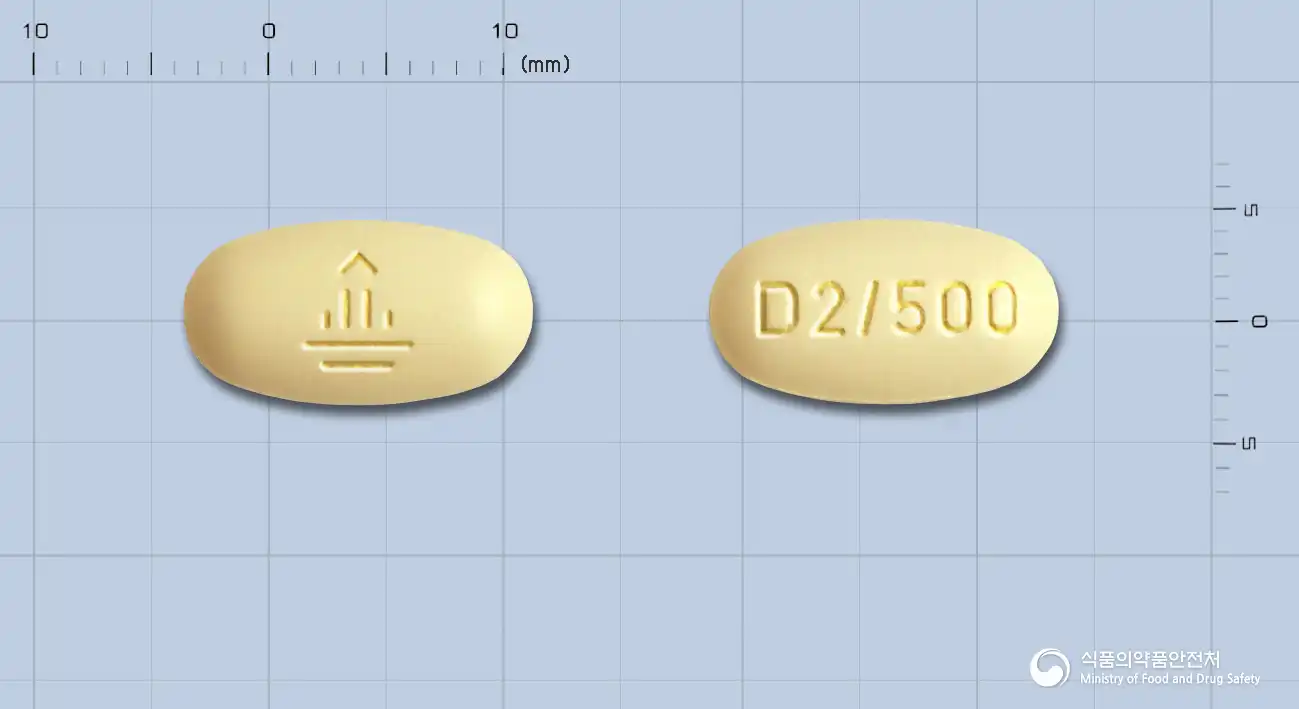 Combination
Linagliptin 2.5mg · Metformin Hydrochloride 500mg
Tablet · Prescription medication · Combination
Boehringer Ingelheim Korea Co., Ltd.
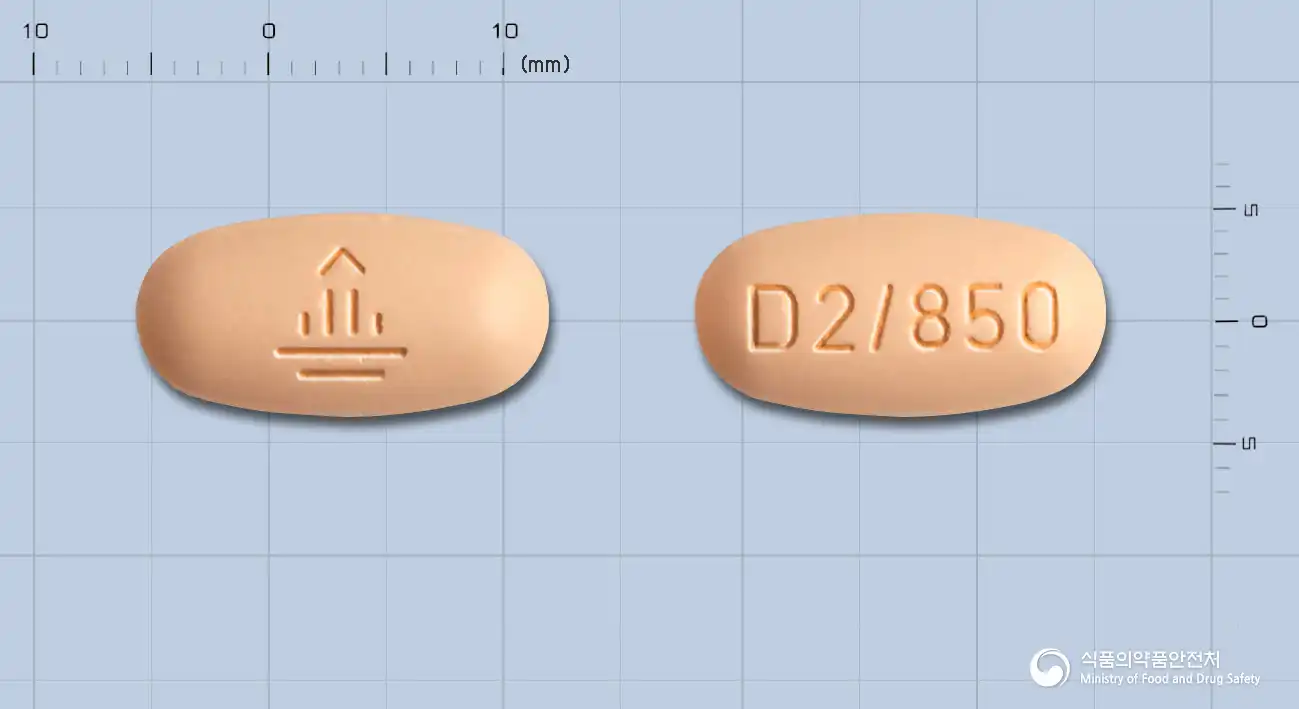 Combination
Linagliptin 2.5mg · Metformin Hydrochloride 850mg
Tablet · Prescription medication · Combination
Boehringer Ingelheim Korea Co., Ltd.
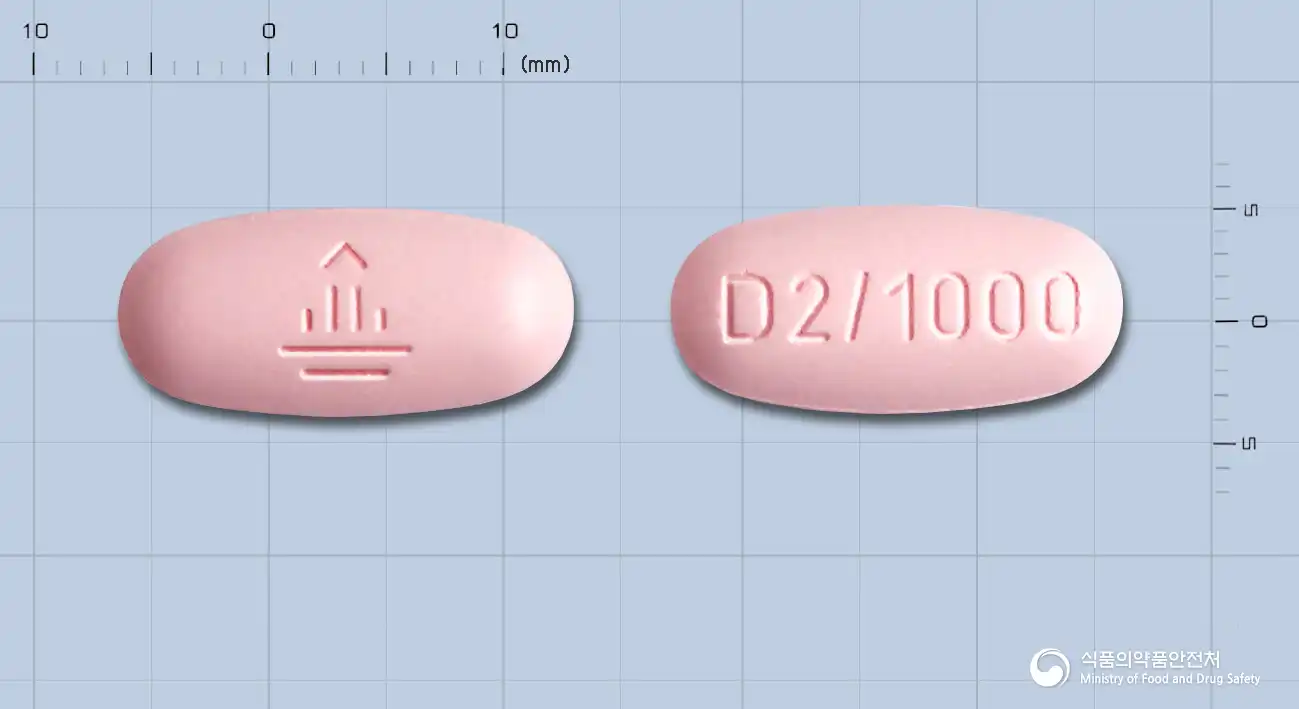 Combination
Linagliptin 2.5mg · Metformin Hydrochloride 1000mg
Tablet · Prescription medication · Combination
Boehringer Ingelheim Korea Co., Ltd.
Linagliptin 2.5mg · Metformin Hydrochloride 1000mg
Tablet · Prescription medication · Combination
Anguk Pharm Co., Ltd.
Linagliptin 2.5mg · Metformin Hydrochloride 1000mg
Prescription medication · Combination
Hanmi Pharmaceutical Co., Ltd.
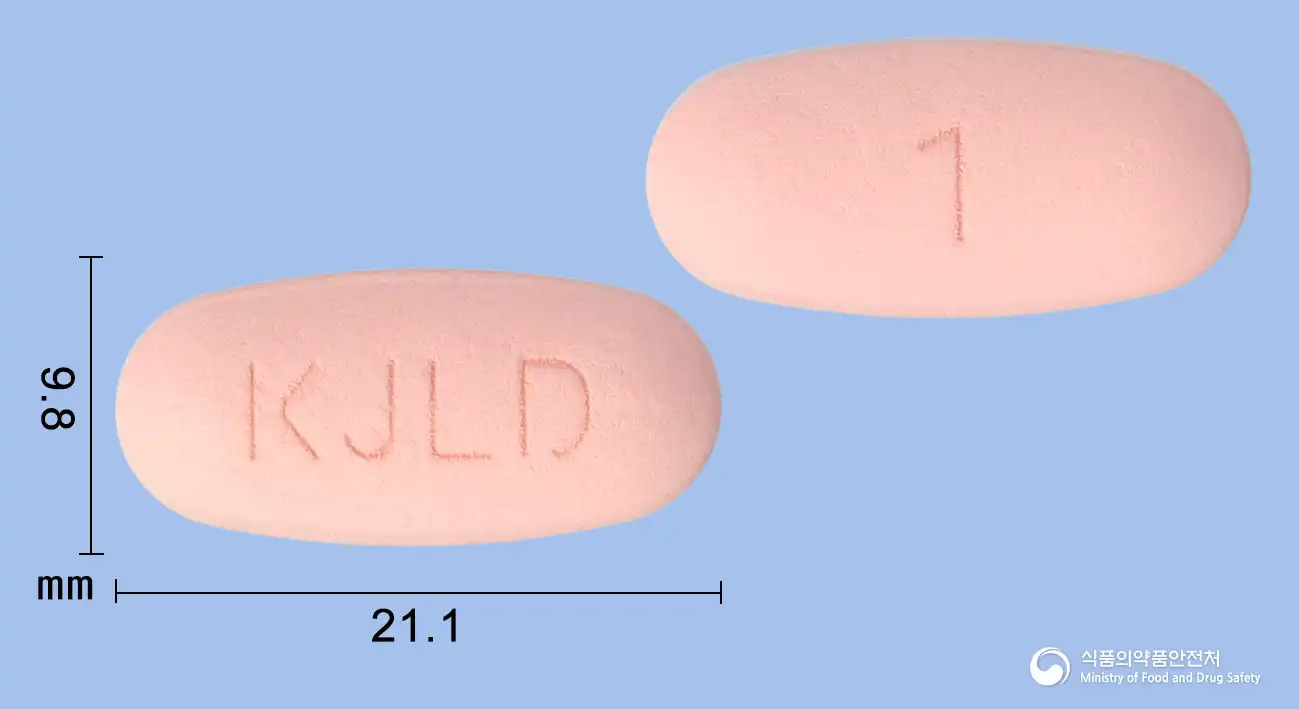 Combination
Linagliptin 2.5mg · Metformin Hydrochloride 1000mg
Tablet · Prescription medication · Combination
Kukje Pharmaceutical Co., Ltd.
 Combination
Linagliptin 2.5mg · Metformin Hydrochloride 500mg
Tablet · Prescription medication · Combination
International Pharmaceutical Co., Ltd.
Even with the same ingredient, the dose and directions can differ by strength and dosage form. Talk to a doctor or pharmacist before switching from a medication you are already taking.
No questions yet.
For anything that needs medical judgment, consult a doctor or pharmacist.
This drug information is based on data provided by the Korea Ministry of Food and Drug Safety.
Consult a doctor or pharmacist for accurate dosage, administration, and usage instructions.