
 한국어
한국어 English
 日本語
日本語 中文(简体)
Dosage form image
Viewing nowCombinationClamentin Duo Syrup (Amoxicillin·Clavulanate Potassium) (7:1)
Amoxicillin Hydrate 36.3143g · Dilute Potassium Clavulanate 5.1878g
Syrup · Prescription medication · Combination
Il Yang Biopharm Co., Ltd.
MFDS item code 201905638 · Notified 2019.08.09
This product's status changed to Approval withdrawn on 2025.03.10. It may no longer be sold, so consult a doctor or pharmacist before taking it.
Treatment of respiratory and urogenital infections (bronchitis, pneumonia, cystitis, etc.)
This medication is effective against various bacteria such as Staphylococcus aureus, Streptococcus pneumoniae, and Escherichia coli, and is used for respiratory infections including acute and chronic bronchitis, pneumonia, empyema, and otitis media. It is also effective for urinary tract infections like cystitis, urethritis, and pyelonephritis, as well as the treatment of gonorrhea and pelvic infections. Additionally, it is utilized for skin and soft tissue infections such as boils, abscesses, and wound infections, as well as for osteomyelitis and dental infections. This medication works broadly against various bacteria, aiding in the treatment of multiple infectious diseases. It should be used appropriately according to the infection site to improve symptoms.
For recurrent tonsillitis and upper respiratory infections, lower respiratory infections, urinary tract infections, and moderate to severe skin and soft tissue infections, amoxicillin/clavulanate potassium is typically administered as 25 mg/3.6 mg for every kg of body weight, divided into two doses per day. For severe infections, such as otitis media and sinusitis (upper respiratory infections), bronchopneumonia (lower respiratory infections), and urinary tract infections, typically 45 mg/6.4 mg for every kg of body weight, divided into two doses per day.
The 7:1 syrup is not suitable for children under 2 months of age. Renally impaired pediatric patients should not use the 7:1 syrup.
This medication contains the artificial sweetener aspartame and should not be used by patients with phenylketonuria, a hereditary disorder requiring phenylalanine intake restriction. It should not be administered to patients with hypersensitivity to beta-lactam components, especially those with a history of serious allergic reactions such as anaphylaxis or Stevens-Johnson syndrome. Patients with infectious mononucleosis or lymphocytic leukemia may have an increased risk of rashes when using this medication and should avoid it. Patients with a history of hepatic dysfunction or jaundice should not use this medication due to the risk of recurrence. This medication contains lactose and should not be administered to patients with lactose intolerance or galactose metabolism disorder. Patients with liver dysfunction or severe renal impairment, those with allergic tendencies, individuals who have difficulty with oral intake, elderly patients, and those in poor general condition should use this medication with caution, as vitamin K deficiency symptoms may appear. This medication may cause various gastrointestinal side effects, so if symptoms such as diarrhea or abdominal pain occur, consult medical personnel immediately. Liver function abnormalities may occur, so liver function tests should be monitored regularly, particularly during long-term administration exceeding 14 days. Severe skin reactions such as a rash, itching, or in severe cases, Stevens-Johnson syndrome, may occur, and if such symptoms appear, administration should be stopped immediately. Hematological abnormalities, renal function issues, and central nervous system symptoms may also occur infrequently, so patient status should be closely monitored. Pregnant women or women who may become pregnant should especially avoid this medication during the first three months, and nursing mothers should exercise caution as it may cause adverse reactions in their infants. The safety of this medication has not been established in premature infants and newborns; therefore, use is not recommended. Elderly patients may experience adverse reactions more easily due to decreased bodily function and should be administered the medication with adjusted doses and intervals. This medication can interact with other drugs; therefore, patients taking other medications must inform healthcare providers and manage accordingly. In the case of suspected overdose, gastrointestinal symptoms, renal failure, and neurological abnormalities may appear; patients should visit medical institutions immediately if suspected. After use, it should be stored in the refrigerator and consumed within 7 days for safety. This medication should only be used for the minimum duration necessary to prevent the development of resistant bacteria, and if hypersensitivity or severe side effects occur, administration should be discontinued immediately, following medical advice.
Hives, severe swelling (edema), tightness in the chest, difficulty breathing, cold sweat, paleness, severe allergic reactions (including anaphylaxis, angioedema, anaphylactic shock), high fever with severe rash, blisters, skin peeling, pain in mucous membranes of the mouth/eyes, severe skin adverse reactions (Stevens-Johnson syndrome, toxic epidermal necrolysis, mucocutaneous syndrome), asthma attacks, respiratory issues accompanied by cough and fever, breathing difficulties (difficulty breathing)
Diarrhea, indigestion, stomatitis, gastritis, glossitis, nausea, vomiting, loss of appetite, abdominal pain, abdominal distension, constipation, colonic pain, gastric acid increase, loose stools, dry mouth, candidiasis, non-bloody colitis, rarely occurring acute pancreatitis, hematological adverse reactions (reversible leukopenia, thrombocytopenia, anemia, etc.), mucosal candidiasis, vaginal itching, increased secretions, nervousness, anxiety, behavioral changes, confusion, drowsiness, insomnia, dizziness
Not everyone experiences these, and they can vary from person to person.
This medication should be stored in a sealed container to prevent exposure to air and moisture. Additionally, it is good to store it in a cool, dry place below 25 degrees.
A whitish powder with a peculiar smell, used as a syrup that dissolves when used.
50 milliliters/bottle
Even with the same ingredient, strength, dosage form and how it is taken can differ.
Amoxicillin Hydrate 36.3143g · Dilute Potassium Clavulanate 5.1878g
Syrup · Prescription medication · Combination
Il Yang Biopharm Co., Ltd.
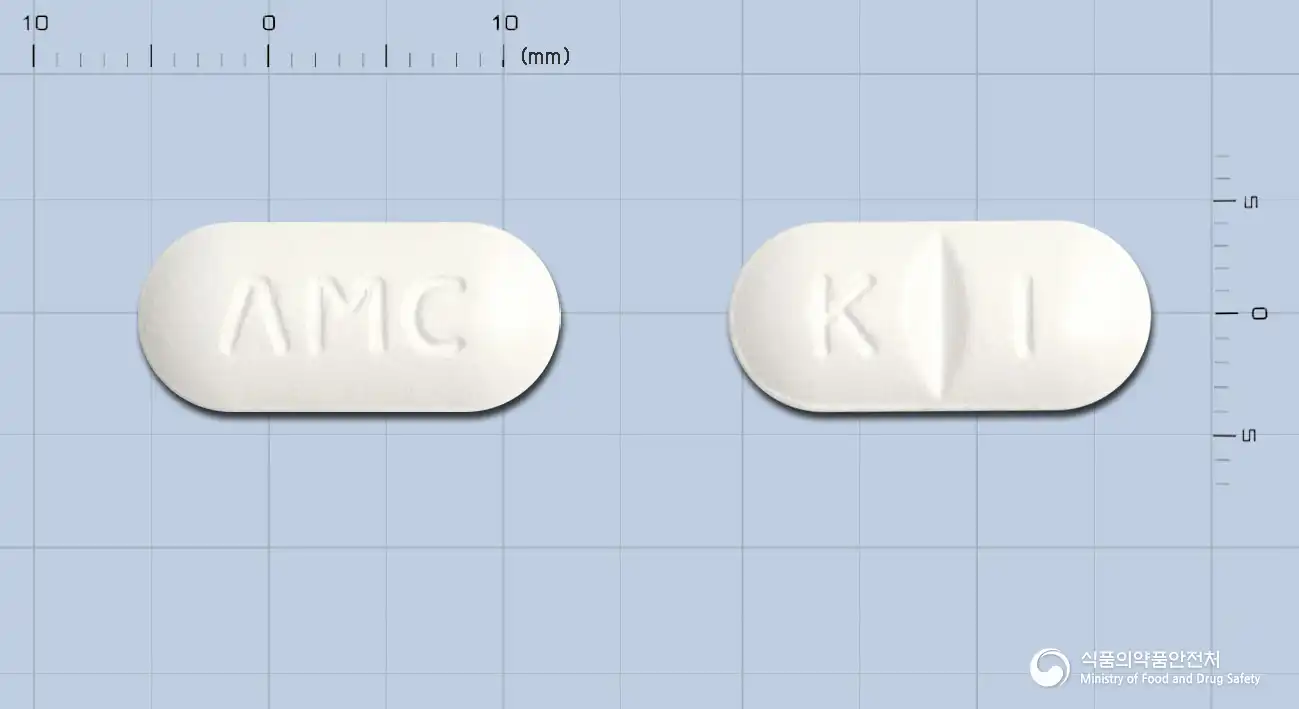 Combination
Amoxicillin Hydrate 500mg · Dilute Potassium Clavulanate 215.52mg
Tablet · Prescription medication · Combination
Geonil Pharmaceutical Co., Ltd.
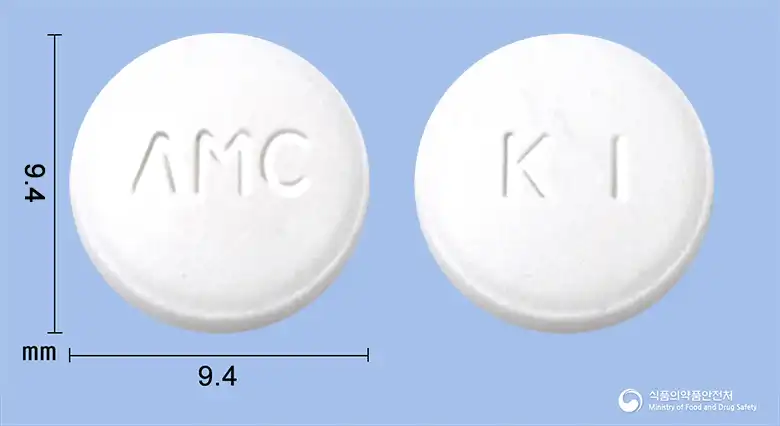 Combination
Amoxicillin Hydrate 125mg · Dilute Potassium Clavulanate 107.76mg
Tablet · Prescription medication · Combination
Geonil Pharmaceutical Co., Ltd.
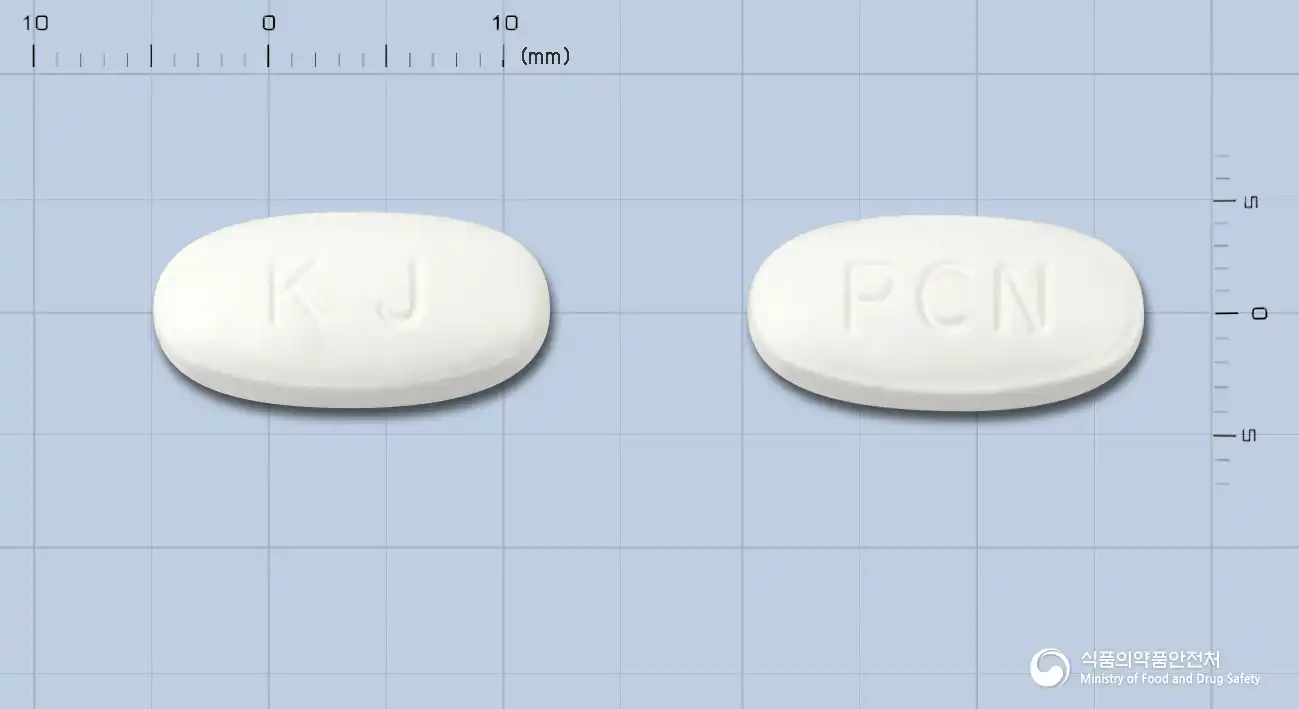 Combination
Amoxicillin Hydrate 250mg · Dilute Potassium Clavulanate 212.73mg
Tablet · Prescription medication · Combination
International Pharmaceutical Co., Ltd.
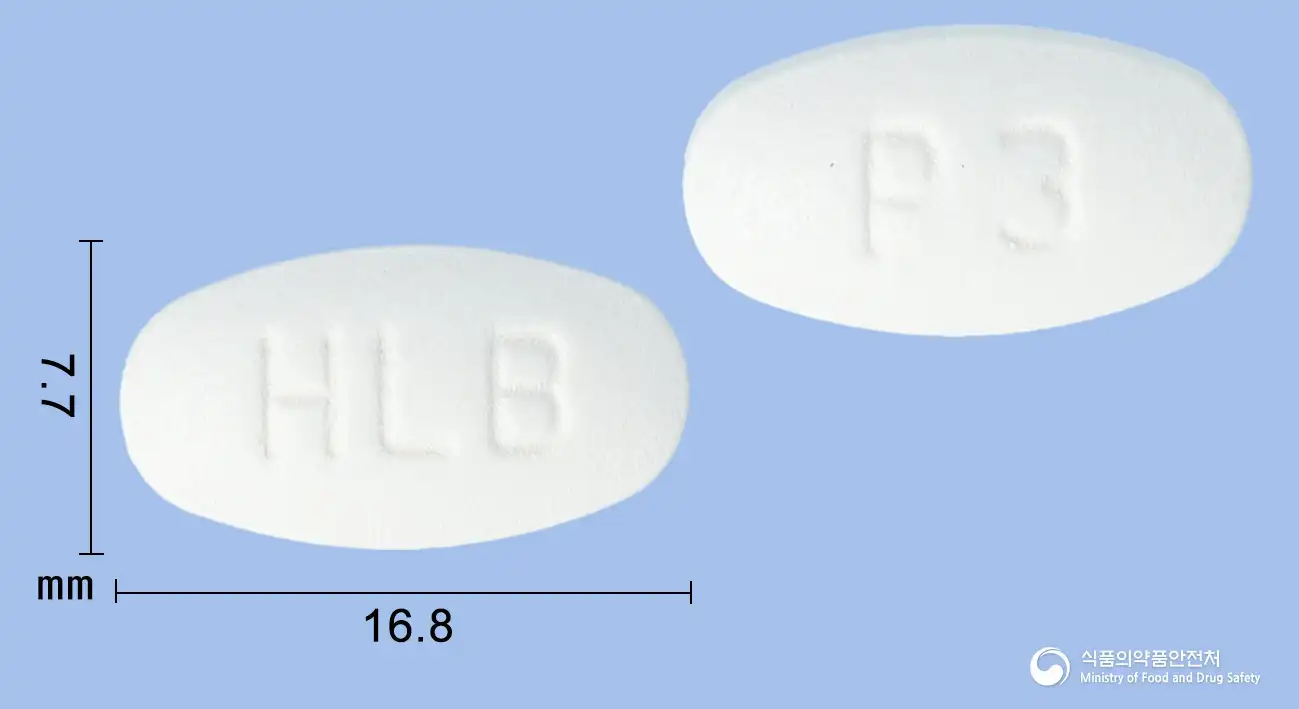 Combination
Amoxicillin Hydrate 250mg · Dilute Potassium Clavulanate 215.52mg
Tablet · Prescription medication · Combination
HLB Pharmaceutical Co., Ltd.
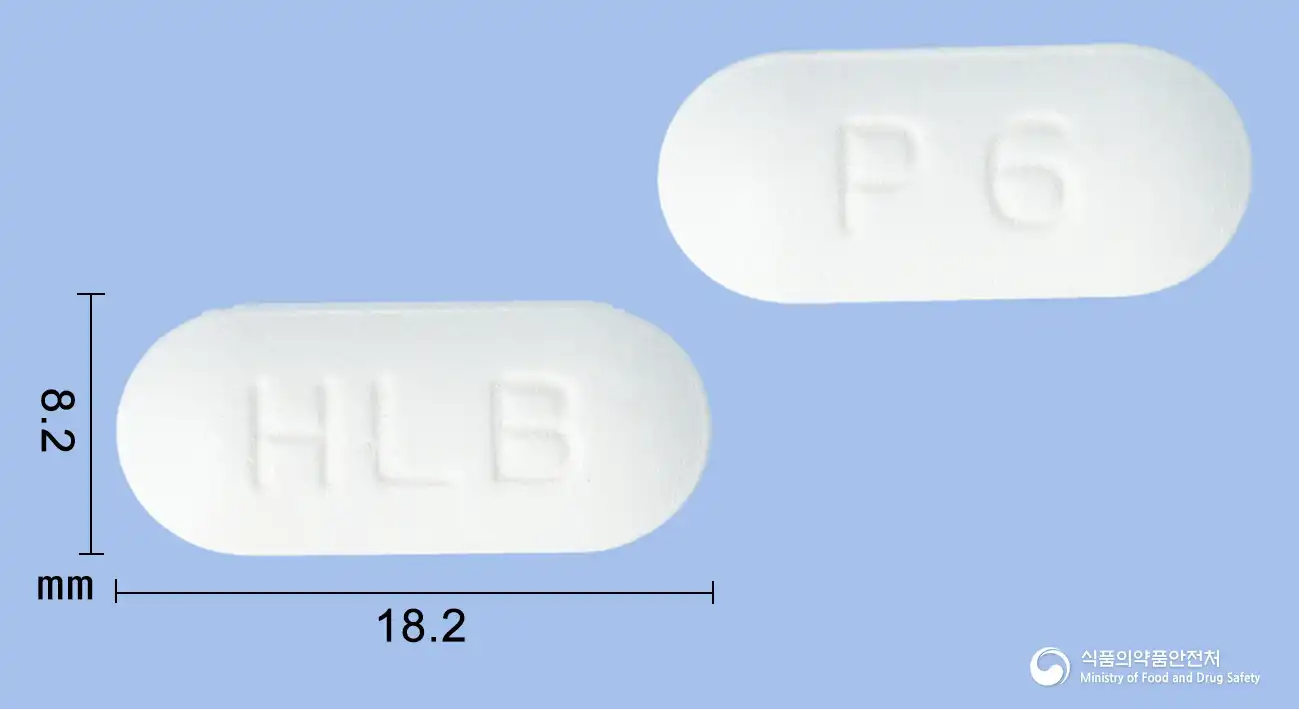 Combination
Amoxicillin Hydrate 500mg · Dilute Potassium Clavulanate 215.52mg
Tablet · Prescription medication · Combination
HLB Pharmaceuticals Co., Ltd.
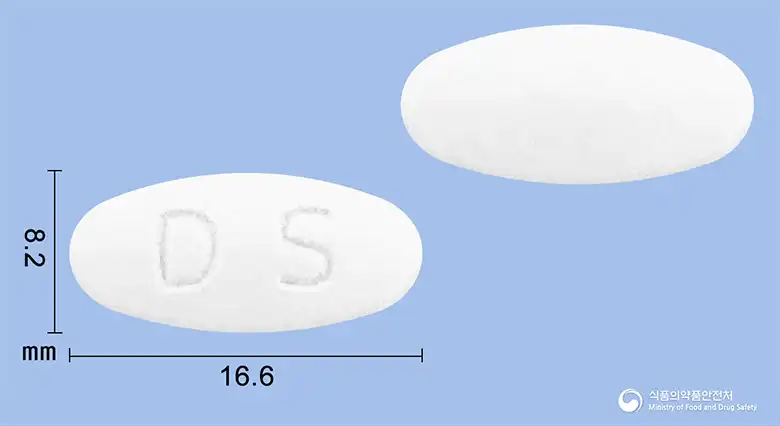 Combination
Amoxicillin Hydrate 250mg · Dilute Potassium Clavulanate 215.52mg
Tablet · Prescription medication · Combination
Dong Sung Pharmaceutical Co., Ltd.
 Combination
Amoxicillin Hydrate 250mg · Dilute Potassium Clavulanate 212.73mg
Tablet · Prescription medication · Combination
Youngjin Pharmaceutical Co., Ltd.
Even with the same ingredient, the dose and directions can differ by strength and dosage form. Talk to a doctor or pharmacist before switching from a medication you are already taking.
No questions yet.
For anything that needs medical judgment, consult a doctor or pharmacist.
This drug information is based on data provided by the Korea Ministry of Food and Drug Safety.
Consult a doctor or pharmacist for accurate dosage, administration, and usage instructions.