
 한국어
한국어 English
 日本語
日本語 中文(简体)
Dosage form image
Viewing nowMetapol Tablet 500 mg (Metformin Hydrochloride)
Metformin Hydrochloride 500mg
Tablet · Prescription medication
Hanpung Pharmaceutical Co., Ltd.
MFDS item code 201905606 · Approved 2019.08.08
This product's status changed to Expired on 2024.08.08. It may no longer be sold, so consult a doctor or pharmacist before taking it.
Improvement of Type 2 Diabetes (Blood Sugar Control)
This medication is used for the treatment of patients with Type 2 diabetes whose blood sugar control is insufficient through diet and exercise. It is particularly effective for overweight adult diabetes patients. In adults, it can be used alone or in combination with other oral hypoglycemic agents or insulin. Furthermore, it can also be used in children aged 10 years and older and adolescents in growth either alone or in combination with insulin, thus it is broadly utilized. This medication effectively improves blood sugar control.
The dosing should be determined based on the individual’s drug efficacy and tolerance, and must not exceed the recommended maximum daily dose. This medication should be initially administered at a low dose to reduce gastrointestinal side effects and confirm the minimum effective dose, usually taken with meals at a dose of 500 mg two to three times daily. The increase in dosage should proceed gradually by 500 mg each week, and at 2000 mg, it is commonly divided and administered twice daily in the morning and evening. If dosages exceed 2000 mg, it should be divided into three doses per day with meals and can be increased to a maximum of 2550 mg per day. During initiation and dose adjustments, blood sugar levels should be measured during fasting to gauge therapeutic responses to this medication and confirm the minimum effective dose. The level of glycosylated hemoglobin should be measured approximately every three months. The treatment goal with this medication when used alone or in combination with sulfonylureas or insulin is to reduce fasting blood sugar and glycosylated hemoglobin levels to normal or near-normal levels using the minimum effective doses. Generally, when patients whose blood sugar was controlled only by diet alone experience temporary blood sugar control issues, sufficient effects can be obtained by administering this medication for a short time.
This medication can be used in children aged 10 years and older or adolescents in growth. The usual starting dose is 500 mg once a day, administered during or after a meal. Blood sugar levels should be measured one week later to adjust the dosage.
This medication can cause severe lactic acidosis or hypoglycemia, hence special caution is required. It should not be used in patients with moderate to severe renal impairment or those with acute diseases such as dehydration, serious infections, and acute myocardial infarction. Patients with acute heart failure or in unstable condition, as well as those scheduled to undergo procedures involving radiocontrast iodinated agents, should also not receive this medication. It is not used in patients who have had allergic reactions to this medication or similar drugs, in patients with Type 1 diabetes, or in those with a history of lactic acidosis or diabetic ketoacidosis. Patients with severe infections or serious trauma, and those scheduled for surgery should temporarily discontinue the medication, and it can be resumed only after confirmation of normal food intake and normal kidney function. Caution is necessary for patients with malnutrition, hepatic dysfunction, severe pulmonary dysfunction, or those with excessive alcohol consumption when using this medication. This medication contains lactose; it should not be administered to patients with lactose intolerance or related genetic disorders. Patients at risk of hypoglycemia or lactic acidosis due to irregular meals, vigorous exercise, or interactions with other medications should be carefully monitored during administration. While taking this medication, severe side effects such as lactic acidosis may occur, so if non-specific symptoms such as muscle pain, fatigue, dyspnea, or abdominal pain appear, immediate consultation with a doctor is necessary. Gastrointestinal discomfort symptoms may commonly occur, but most are temporary; if symptoms are severe, dosage adjustments or changes in administration method may be necessary. Vitamin B12 deficiency may be indicated through blood tests, so regular check-ups are recommended. This medication is primarily excreted via the kidneys, hence regular kidney function tests should be conducted, and if kidney function decreases, the medication should be discontinued. Excessive alcohol consumption may increase the risk of side effects; therefore, alcohol should be avoided during the use of this medication. The impact on the fetus during pregnancy is not known, so if pregnant or planning to become pregnant, it should be administered only after consulting a doctor. During breastfeeding, since this medication may be excreted in breast milk, careful decisions about breastfeeding and medication cessation should be made. Elderly individuals are at higher risk of decreased kidney function, therefore dosages should be adjusted, and regular kidney function examinations should be performed. There may be interactions with other medications, so if taking other drugs, it’s important to inform the doctor or pharmacist and carefully monitor blood sugar and condition. In case of overdose, there is a risk of lactic acidosis, so strict adherence to dosage is vital, and immediate medical attention should be sought if suspected.
Lactic acidosis (severe metabolic complication, can be fatal), severe allergic reactions (skin abnormalities such as rash), hypoglycemia (severe delayed hypoglycemia), liver abnormalities (increased risk of lactic acidosis due to liver dysfunction)
Gastrointestinal symptoms (diarrhea, nausea, vomiting, abdominal distension, loss of appetite, dyspepsia, constipation, abdominal pain), sensory abnormalities (unpleasant or metallic taste), rare anemia, leukopenia, thrombocytopenia, vitamin B12 deficiency, liver function abnormalities, hypoglycemia
Not everyone experiences these, and they can vary from person to person.
This medication should be stored in a tightly sealed container to avoid exposure to air and moisture. It is important to maintain a storage temperature between 1 degree and 30 degrees Celsius. Storing it this way will help maintain the effectiveness and safety of the medication for a long time.
White round film-coated tablet
300 tablets/bottle
Even with the same ingredient, strength, dosage form and how it is taken can differ.
Metformin Hydrochloride 500mg
Tablet · Prescription medication
Hanpung Pharmaceutical Co., Ltd.
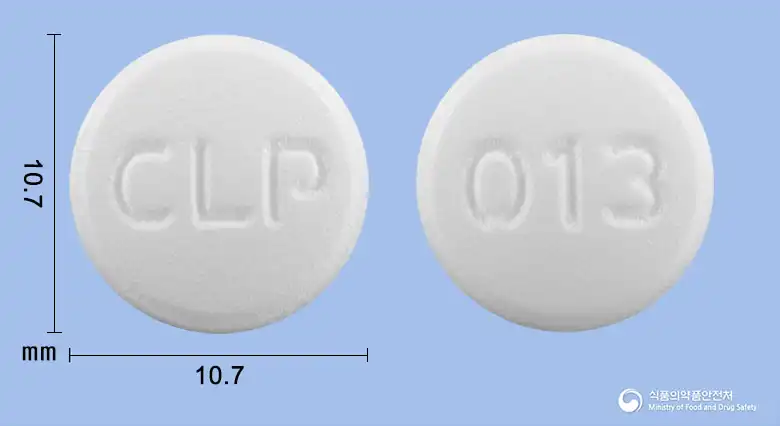
Metformin Hydrochloride 500mg
Tablet · Prescription medication
(Celltrion Pharmaceuticals)
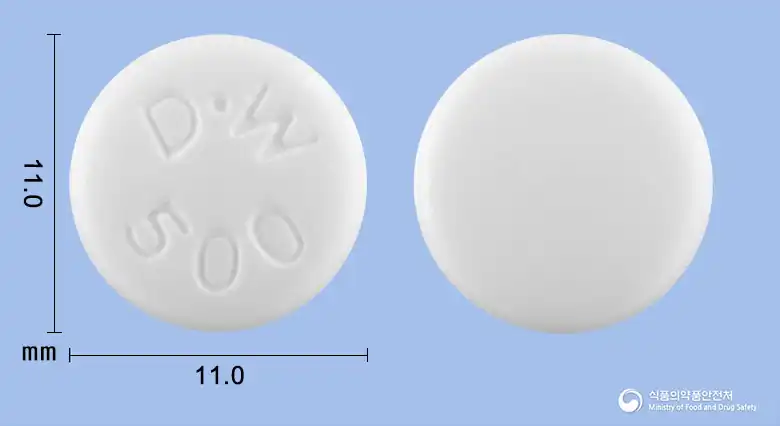
Metformin Hydrochloride 500mg
Tablet · Prescription medication
(Daewoong Pharmaceutical)
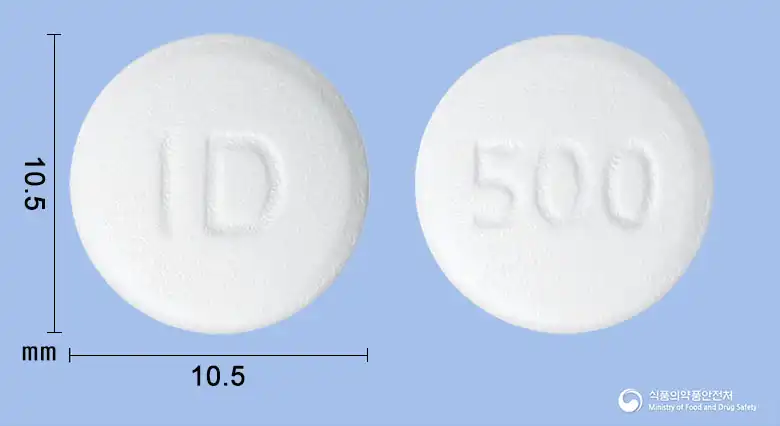
Metformin Hydrochloride 500mg
Tablet · Prescription medication
(Ildong Pharmaceutical Co., Ltd.)
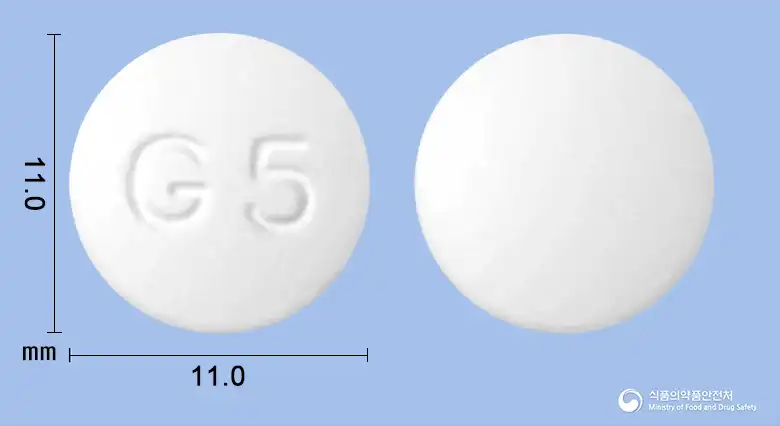
Metformin Hydrochloride 500mg
Tablet · Prescription medication
(Ilseong IS Co., Ltd.)
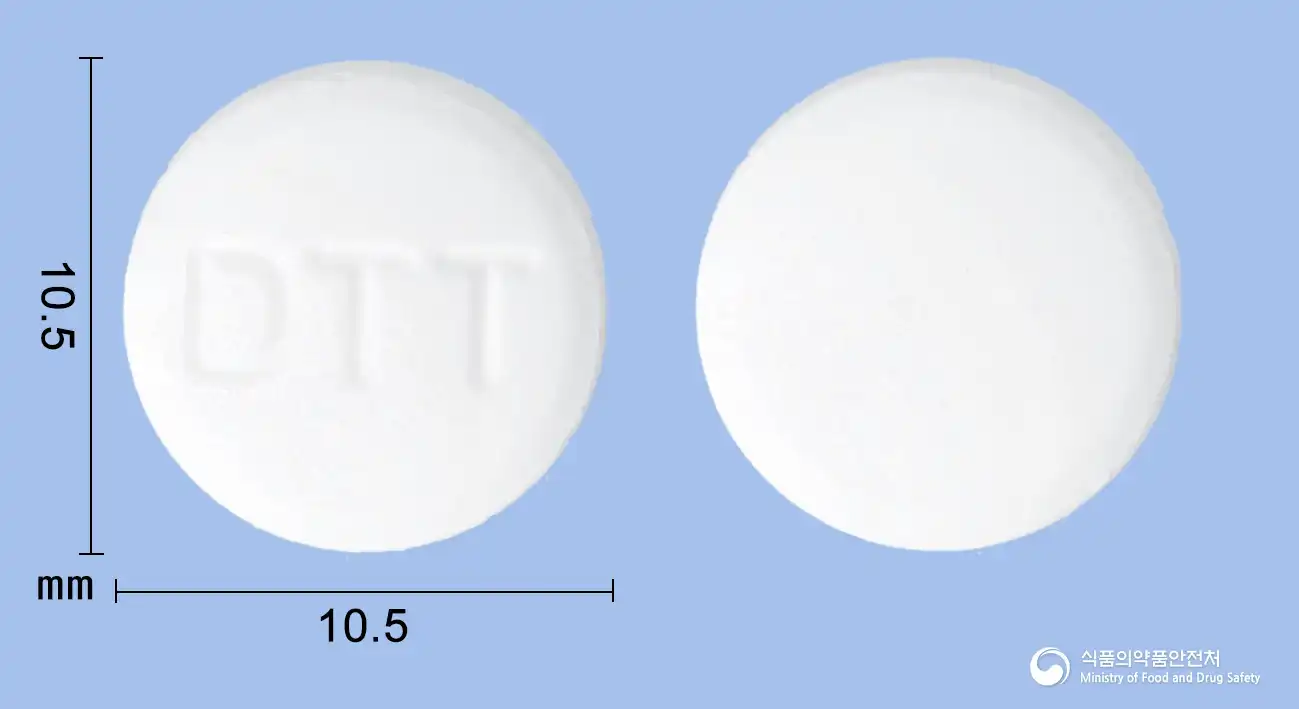
Metformin Hydrochloride 500mg
Tablet · Prescription medication
(Kyungdong Pharmaceutical Co., Ltd.)
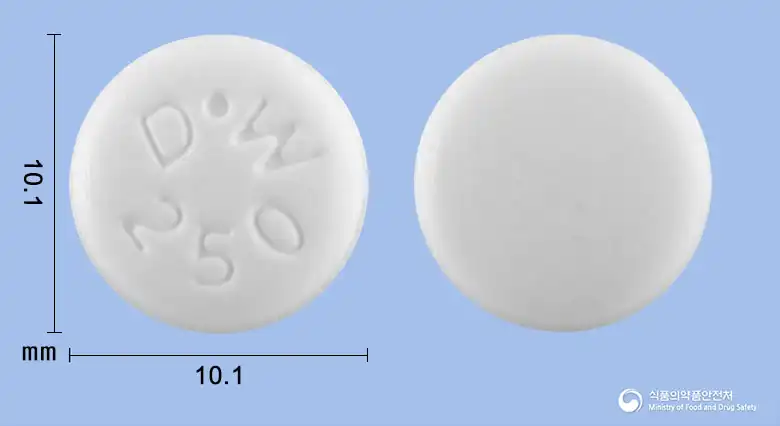
Metformin Hydrochloride 250mg
Tablet · Prescription medication
(Daewoong Pharmaceutical)

Metformin Hydrochloride 500mg
Tablet · Prescription medication
(Youngpoong Pharmaceutical Co., Ltd.)
Even with the same ingredient, the dose and directions can differ by strength and dosage form. Talk to a doctor or pharmacist before switching from a medication you are already taking.
No questions yet.
For anything that needs medical judgment, consult a doctor or pharmacist.
This drug information is based on data provided by the Korea Ministry of Food and Drug Safety.
Consult a doctor or pharmacist for accurate dosage, administration, and usage instructions.