
 한국어
한국어 English
 日本語
日本語 中文(简体)
Dosage form image
Viewing nowCombinationRegent Duo Tablet 2.5/500 mg
Linagliptin Micronized 2.5mg · Metformin Hydrochloride 500mg
Tablet · Prescription medication · Combination
Samjin Pharmaceutical Co., Ltd.
MFDS item code 201905462 · Approved 2019.07.31
This product's status changed to Expired on 2024.07.31. It may no longer be sold, so consult a doctor or pharmacist before taking it.
Improvement of Blood Sugar Control in Adults with Type 2 Diabetes
This medication is used as an adjunct to dietary and exercise therapy to help control blood sugar in adult patients with type 2 diabetes. It may be administered when blood sugar control is difficult with monotherapy for those who have not previously used diabetes medications. It is also used when substituting for the combined therapy of linagliptin and metformin. If blood sugar control is insufficient with the combined therapy of insulin and metformin, this medication can be used in conjunction with insulin. Finally, if control remains difficult with the maximum dose of metformin combined with empagliflozin, this medication may be administered together with empagliflozin. This helps improve blood sugar control in various scenarios.
This medication is administered 2 times a day with meals. 1. If not currently treated with metformin: Take 2.5/500 mg of this medication 2 times a day, 1 tablet at a time, and it can be increased to 2.5/1000 mg, taking 1 tablet 2 times a day. 2. For those transitioning from combined therapy of linagliptin and metformin: Initial doses should match the previous doses of linagliptin and metformin.
This medication contains metformin hydrochloride and linagliptin and is used for blood sugar control. Care should be taken when consuming this medication because lactic acidosis, a serious metabolic complication, may occur. While rare, it has a higher risk of occurrence in severe conditions such as acute renal function deterioration, cardiopulmonary disease, or sepsis. Especially, patients with allergies to this medication's components, type 1 diabetes, lactic acidosis, diabetic ketoacidosis, or severe renal impairment should not take this medication. It should also be avoided in the presence of acute conditions that may affect renal function, such as dehydration, severe infections, major trauma, acute myocardial infarction, or shock. It is safest not to use this medication in patients with liver dysfunction or severe gastrointestinal disorders, or in cases of acute alcohol intoxication or alcohol dependence. Women who are pregnant or breastfeeding should also avoid this medication and consult a doctor for alternative treatment methods if they plan to become pregnant. When taking this medication in conjunction with sulfonylureas or insulin, the risk of hypoglycemia may increase; therefore, blood sugar levels should be checked regularly, and dosage adjustments may be necessary. Kidney function is closely related to the excretion of this medication, so regular kidney function tests should be conducted before and during treatment, and extra caution is needed for elderly patients with diminished kidney function. During treatment with this medication, rare skin conditions such as acute pancreatitis or necrotizing fasciitis may occur, so if there are persistent and severe abdominal pains or skin blisters, immediate medical attention should be sought. Long-term use may decrease vitamin B12 levels, so if symptoms of anemia or neurological issues appear, a blood test to check vitamin B12 levels should be performed, and supplementation may be needed. This medication may interact with other drugs; therefore, especially in cases of concurrent use with drugs that affect renal function or either potentiate or diminish blood sugar-lowering effects, consultation with a doctor or pharmacist is advised. When using iodine-based contrast agents during radiological exams, there is a risk of kidney function deterioration and lactic acidosis; therefore, this medication should be discontinued for a certain period before and after the exam and should be resumed only after kidney function stabilizes. This medication should also be paused for a period before and after any surgical procedures, and reinstitution should only occur after confirming recovery of kidney function. Elderly patients are often at risk for diminished kidney function, so it is essential to adjust dosages and conduct regular kidney function tests. In the event of an overdose, the risk of lactic acidosis increases, so immediate hospital treatment is required, and as necessary, dialysis may be performed to remove the medication from the system. This medication should be stored out of the reach of children, protected from moisture, and it is advisable not to transfer it to other containers.
Urticaria, angioedema, lactic acidosis, pancreatitis, necrotizing fasciitis, severe allergic reaction, severe skin adverse reaction, respiratory issues, liver abnormalities (jaundice), severe and disabling arthralgia, cardiac conditions (angina, acute myocardial infarction, unstable angina), acute kidney injury, acute cholangitis, acute cholecystitis, cholangitis, acute pyelonephritis, pneumonia, sepsis, cholelithiasis, acute myocardial infarction, cardiac arrest, acute alcohol intoxication, acute and anxiety.
Nasopharyngitis, hypersensitivity, vitamin B12 reduction and deficiency, hypoglycemia, dysgeusia, cough, decreased appetite, diarrhea, constipation, nausea, vomiting, abdominal pain, oral ulcer formation, abnormal liver function tests, hepatitis, pruritus, erythema, rash, musculoskeletal and connective tissue disorders, increased lipase, increased amylase, constipation, upper abdominal pain, dyspepsia, stomatitis, dizziness, headache, drowsiness, fatigue, chest discomfort, weakness, itching.
Not everyone experiences these, and they can vary from person to person.
This medication is sensitive to air and humidity, so it should be stored in a sealed container. It is best to maintain a storage temperature between 1 and 30 degrees Celsius. This helps to maintain the medication’s effectiveness for a longer period.
Bright yellow, oval-shaped, film-coated tablets with a biconvex surface
60 tablets (10 T/PTP * 6)
Even with the same ingredient, strength, dosage form and how it is taken can differ.
Linagliptin Micronized 2.5mg · Metformin Hydrochloride 500mg
Tablet · Prescription medication · Combination
Samjin Pharmaceutical Co., Ltd.
Linagliptin Micronized 2.5mg · Metformin Hydrochloride 1000mg
Tablet · Prescription medication · Combination
Samjin Pharmaceutical Co., Ltd.
Linagliptin Micronized 2.5mg · Metformin Hydrochloride 850mg
Tablet · Prescription medication · Combination
Samjin Pharmaceutical Co., Ltd.
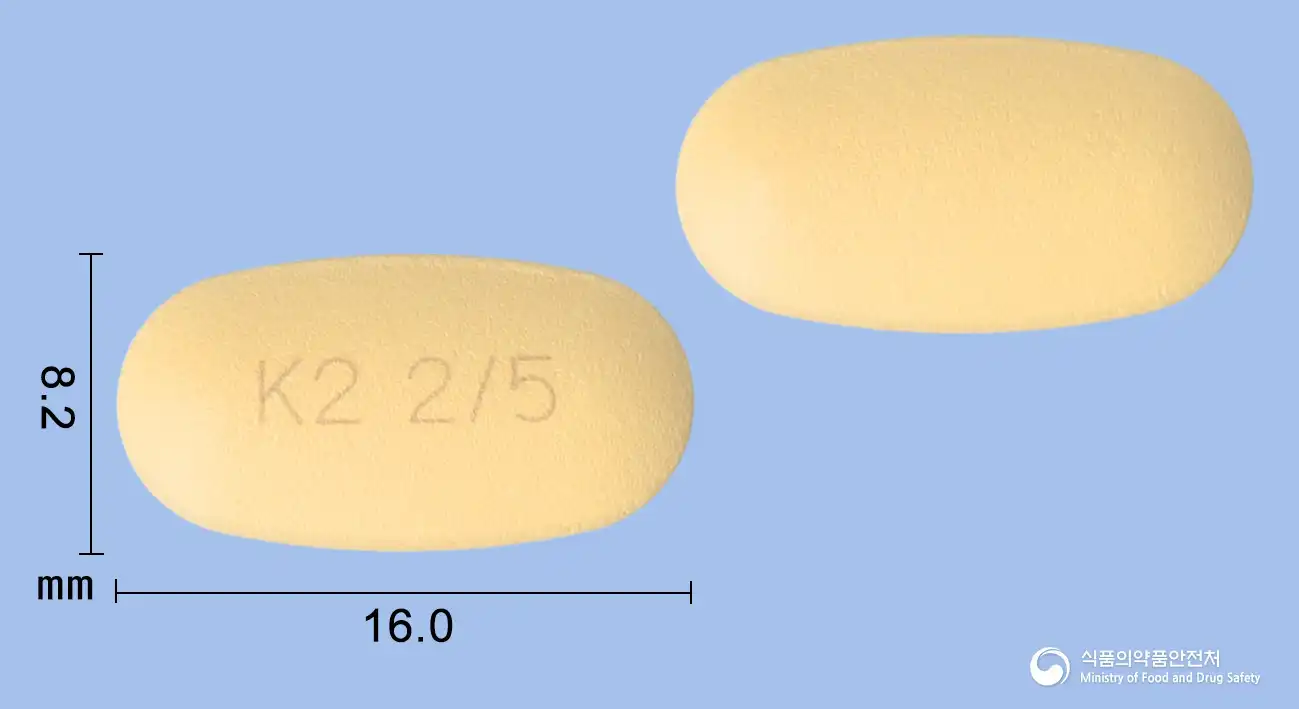 Combination
Linagliptin Micronized 2.5mg · Metformin Hydrochloride 500mg
Tablet · Prescription medication · Combination
Genewon Science Co., Ltd.
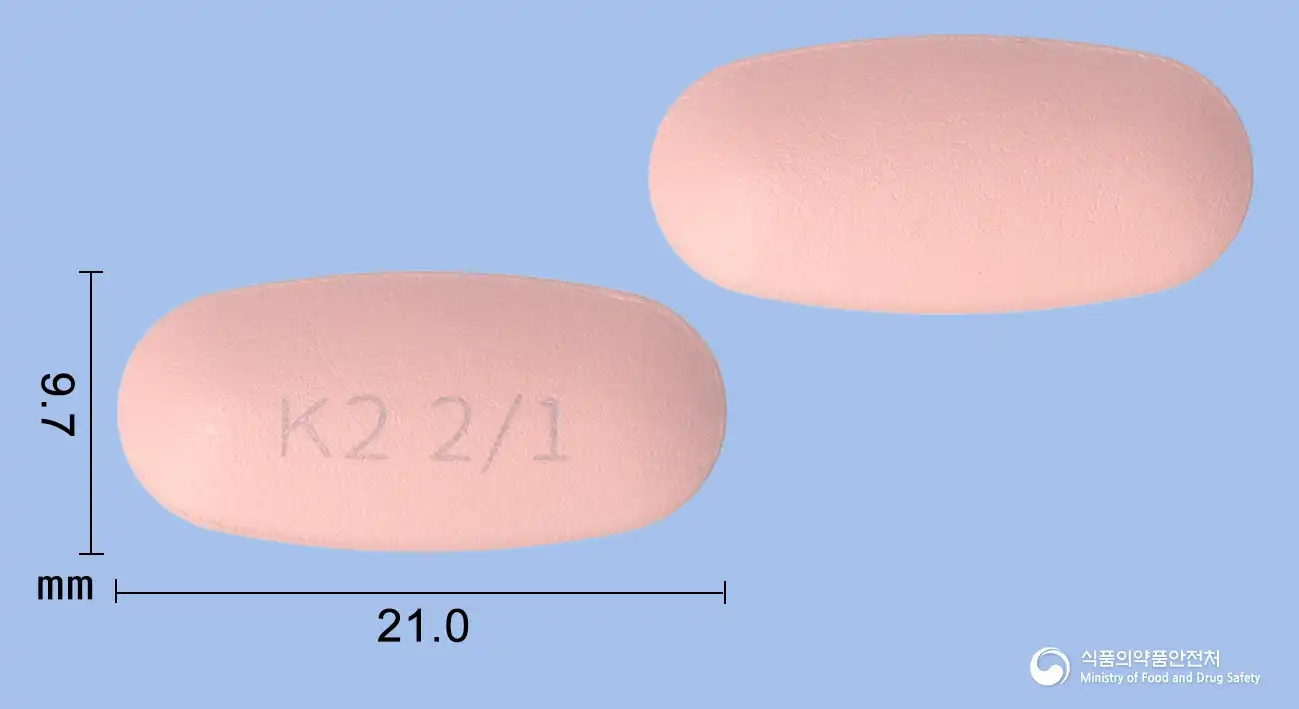 Combination
Linagliptin Micronized 2.5mg · Metformin Hydrochloride 1000mg
Tablet · Prescription medication · Combination
Genewon Science Co., Ltd.
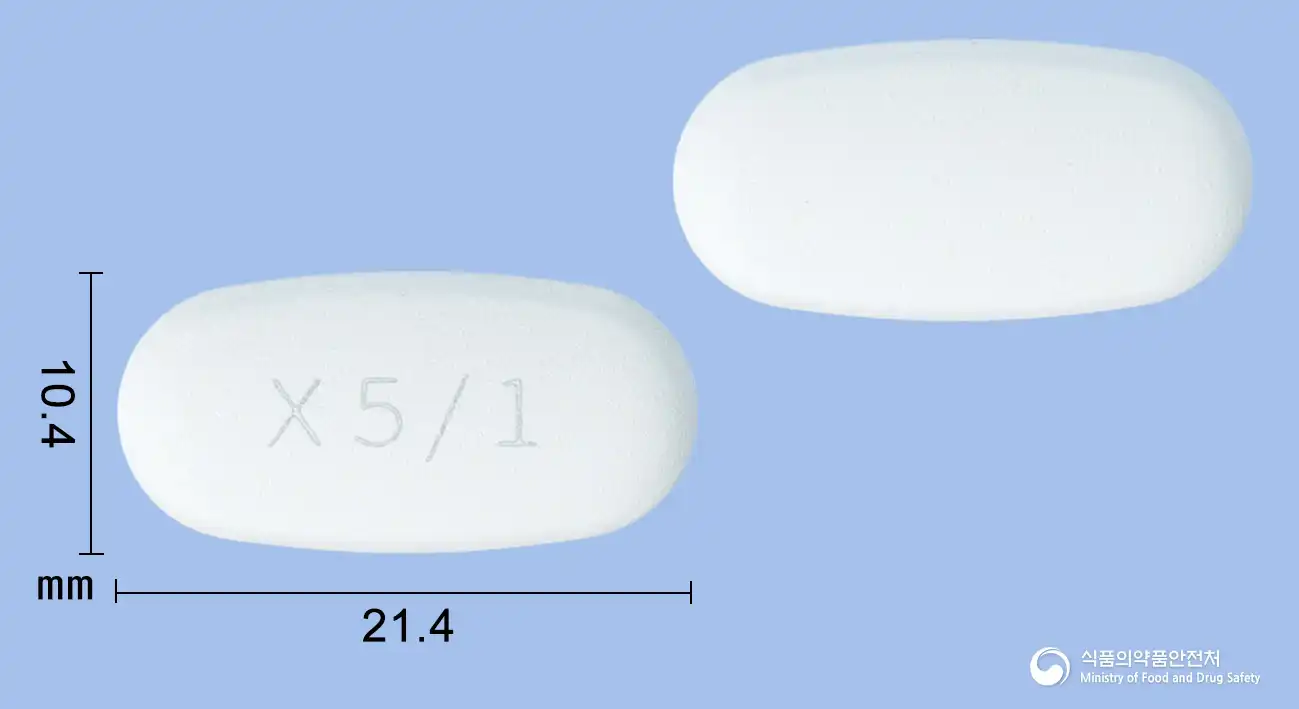 Combination
Linagliptin Micronized 5mg · Metformin Hydrochloride 1000mg
Tablet · Prescription medication · Combination
Genewon Science Co., Ltd.
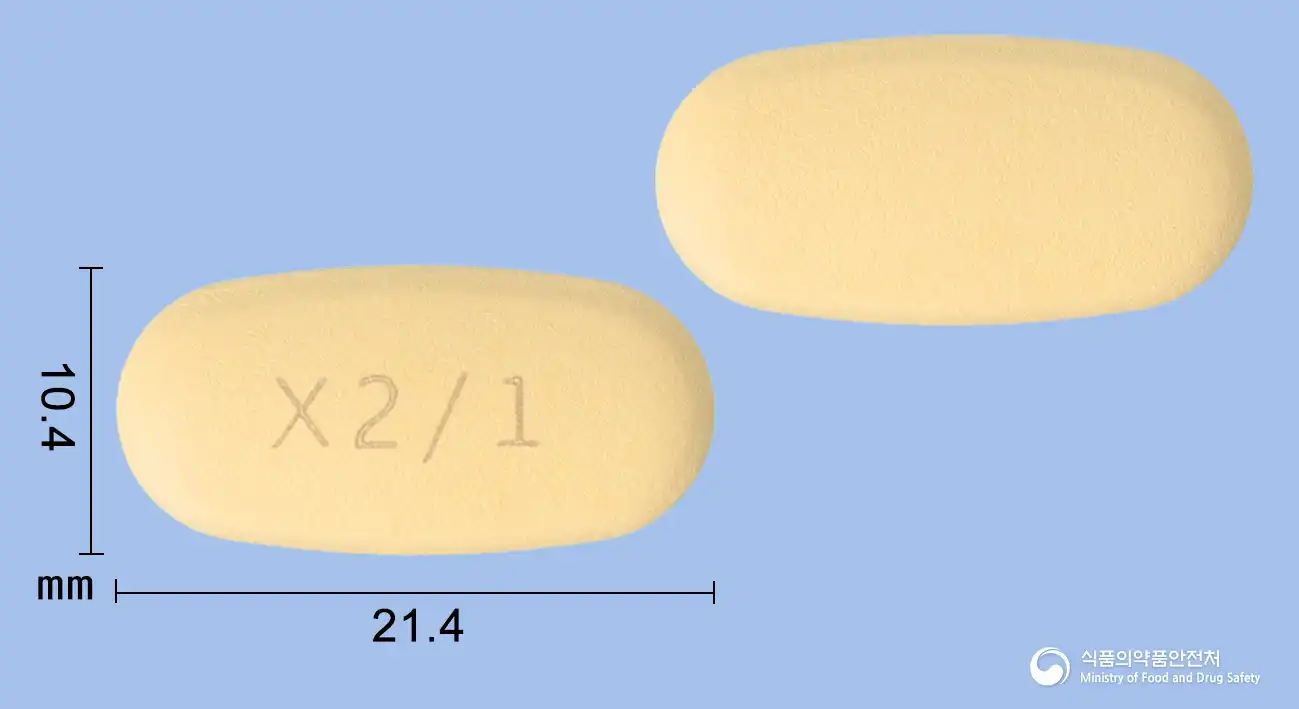 Combination
Linagliptin Micronized 2.5mg · Metformin Hydrochloride 1000mg
Tablet · Prescription medication · Combination
Genewon Science Co., Ltd.
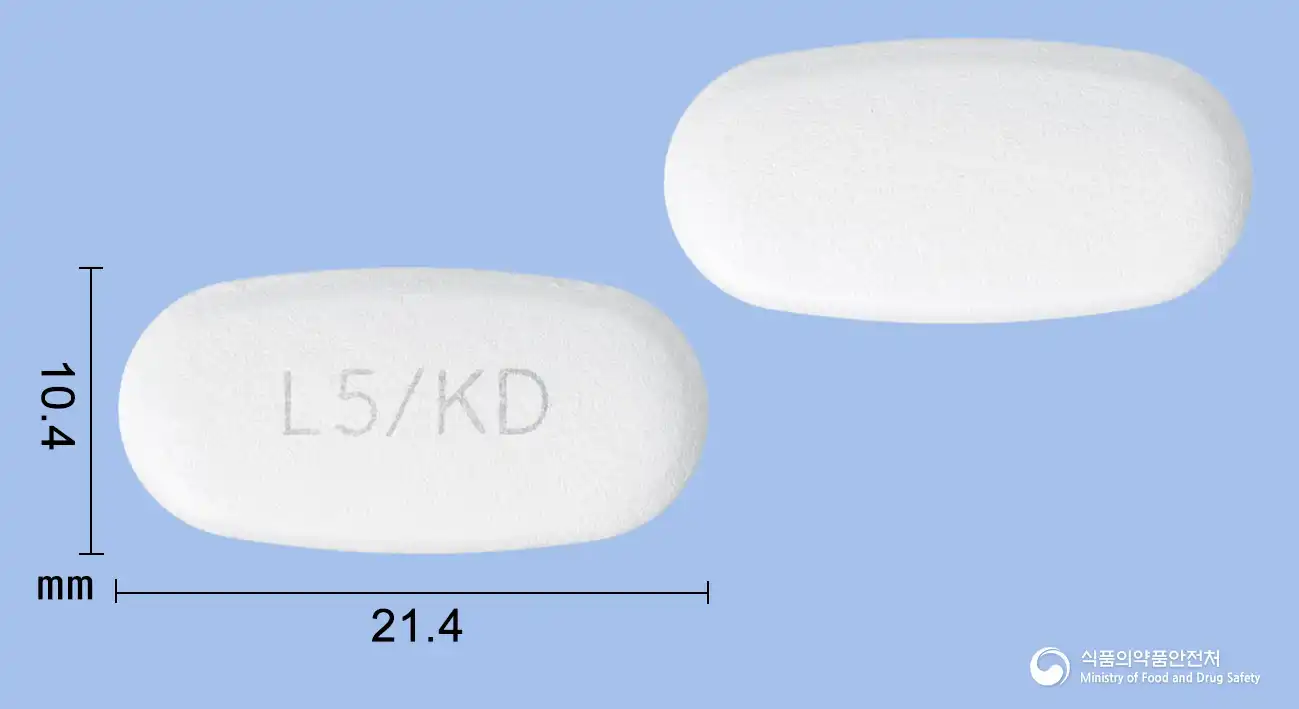 Combination
Linagliptin Micronized 5mg · Metformin Hydrochloride 1000mg
Tablet · Prescription medication · Combination
Kyungdong Pharmaceutical Co., Ltd.
Even with the same ingredient, the dose and directions can differ by strength and dosage form. Talk to a doctor or pharmacist before switching from a medication you are already taking.
No questions yet.
For anything that needs medical judgment, consult a doctor or pharmacist.
This drug information is based on data provided by the Korea Ministry of Food and Drug Safety.
Consult a doctor or pharmacist for accurate dosage, administration, and usage instructions.