
 한국어
 English
 日本語
 中文(简体)
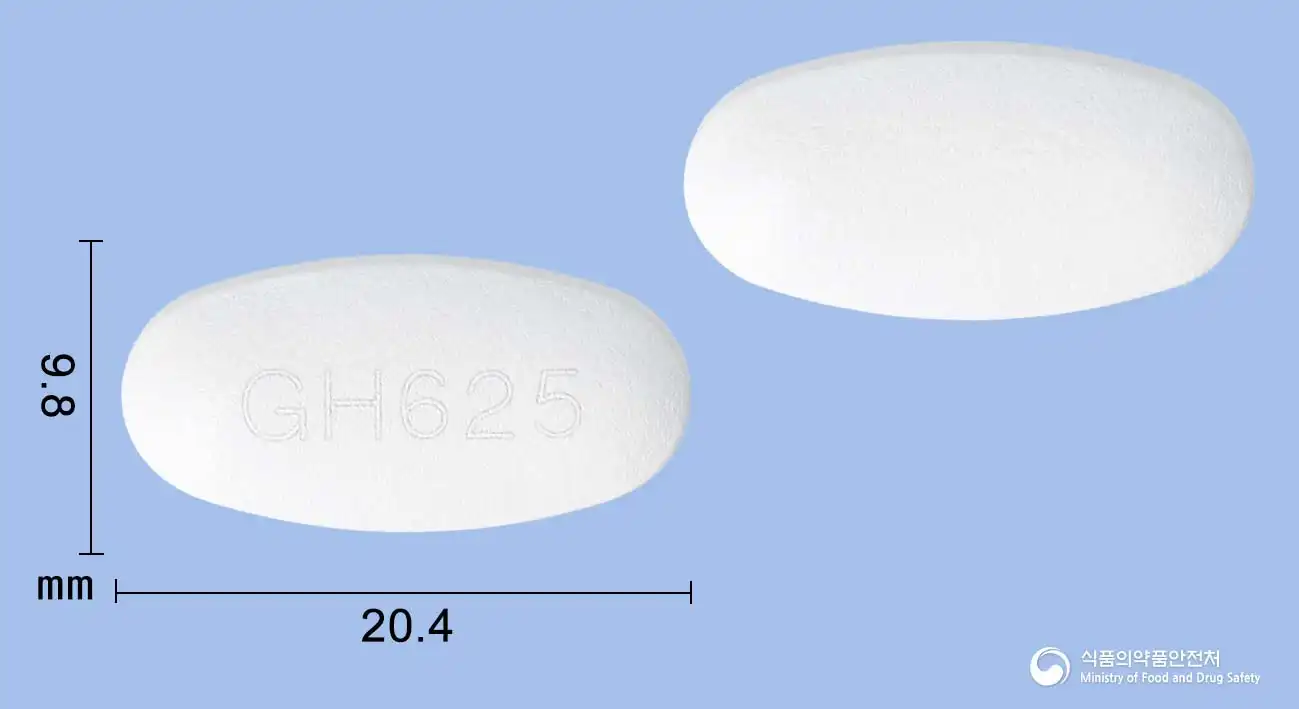 Viewing nowCombination
Ogme Tablet 625 mg (Amoxicillin-Potassium Clavulanate)
Amoxicillin Hydrate 500mg · Dilute Potassium Clavulanate 212.73mg
Tablet · Prescription medication · Combination
(Yoo) Hanpoong Pharmaceutical Co., Ltd.
MFDS item code 201905431 · Approved 2019.07.31 · Insurance code 658106870
Treatment of respiratory and ear infections, genitourinary infections, and skin, soft tissue, bone, and dental infections
This medication is effective against various bacteria and is used for treating respiratory infections such as acute and chronic bronchitis, pneumonia, empyema, and lung abscess. It is also effective against infections such as tonsillitis, sinusitis, and otitis media. It is suitable for treating urogenital infections like cystitis, urethritis, and pyelonephritis, and is used in sexually transmitted diseases such as pelvic infections and gonorrhea. It is effective for skin and soft tissue infections including furunculosis, abscess, soft tissue infections, wound infections, and osteomyelitis. It is also used in dental infections, providing assistance for a wide range of infectious diseases. It is safely and effectively used for the treatment of various infections.
The dose of this medicine should be determined based on the patient's age, body weight, renal function, and the severity of the infection. Administer at the beginning of a meal to minimize potential gastrointestinal intolerance. Absorption of amoxicillin/clavulanate is optimized when administered at the beginning of a meal. Adults and children aged 12 years and older or weighing 40 kg or more: Administer amoxicillin/potassium clavulanate 250 mg/125 mg orally 3 times a day, every 8 hours. The dose may be increased to amoxicillin/potassium clavulanate 500 mg/125 mg per dose for severe infections and respiratory tract infections. In patients with renal impairment, adjust the dose appropriately according to creatinine clearance. Adults: Dose adjustment is based on the maximum recommended dose of amoxicillin. No dose adjustment is required for patients with creatinine clearance (CrCl) of 30 mL/min or more. 10 ~ 30 mL/min: Administer amoxicillin/potassium clavulanate 250mg/125mg or amoxicillin/potassium clavulanate 500mg/125mg per dose every 12 hours. 10 mL/min or less: Administer amoxicillin/potassium clavulanate 250mg/125mg or amoxicillin/potassium clavulanate 500mg/125mg per dose every 24 hours. Hemodialysis: Administer amoxicillin/potassium clavulanate 250mg/125mg or amoxicillin/potassium clavulanate 500mg/125mg per dose every 24 hours, with an additional dose during dialysis and a repeat dose at the end of dialysis. (Because serum concentrations of both amoxicillin and clavulanate decrease)
Children: Reduce the dose in the same manner.
This drug is a beta-lactam antibacterial agent belonging to the penicillin class and should not be administered to patients with a history of specific allergic reactions. In particular, individuals who have experienced hypersensitivity to this drug or similar class medications should avoid use, and caution is needed for patients with infectious mononucleosis or lymphocytic leukemia. Those with liver function problems should use this drug cautiously, as it may worsen liver function during use. Additionally, patients with moderate to severe renal impairment may need to adjust the dosing intervals due to increased drug blood levels. Those with allergic predisposition, elderly patients, or patients with poor general health also need to exercise caution due to the risk of side effects. This drug can cause various gastrointestinal side effects, and if symptoms such as abdominal pain, diarrhea, or vomiting occur, immediate consultation with medical personnel is required. Should symptoms of hypersensitivity arise, such as liver dysfunction, severe skin rash, or difficulty breathing, administration should be stopped immediately, and medical help should be sought. Prolonged use may result in the development of resistant bacteria and the proliferation of non-susceptible strains, hence should only be used for the necessary duration, with regular checks on liver and kidney function and blood tests. This medication may interact with other drugs, so it is essential to inform medical personnel of any concurrent medications. Pregnant or breastfeeding women should avoid this drug unless absolutely necessary, as it may affect the fetus or infant. In children or elderly patients, dosage and interval should be adjusted according to weight and health status, and side effects should be monitored closely. Overdose may lead to gastrointestinal symptoms or kidney damage, as well as central nervous system abnormalities, requiring immediate medical treatment. When storing, avoid direct sunlight and keep in a cool, dry place, and it is crucial to consult a doctor or pharmacist before use.
Diarrhea, pseudomembranous colitis, dyspepsia, stomatitis, gastritis, glossitis, black hairy tongue, nausea, vomiting, loss of appetite, abdominal pain, abdominal distension, constipation, colonic pain, hyperacidity, soft stools, dry mouth, acute pancreatitis, candidiasis, antibiotic-associated colitis, hematochezia, itching, polymorphic eruption of the gums, Stevens-Johnson syndrome, toxic epidermal necrolysis, vesicular exfoliative dermatitis, acute generalized exanthematous pustulosis, eosinophilia, angioedema, anaphylaxis, serum sickness syndrome, hypersensitivity vasculitis, bronchial spasm, dyspnea, laryngeal edema, anaphylactic shock, leukopenia, thrombocytopenia, hemolytic anemia, anemia, thrombocytopenic purpura, eosinophilia, leukemia, agranulocytosis, lymphopenia, thrombocytosis, bone marrow suppression, prolonged bleeding time, prolonged prothrombin time, vaginal itching, vaginal pain, increased secretion, restlessness, anxiety, behavioral changes, confusion, drowsiness, insomnia, hyperactivity, dizziness, headache, seizures, antiparkinsonian action, fever, altered consciousness, aseptic meningitis, acute renal failure, interstitial nephritis, hematuria, crystalluria, symptoms of vitamin K deficiency, symptoms of vitamin B complex deficiency, linear IgA disease, dysgeusia, malaise, dermatitis, oral edema, gastric pain, fluid and electrolyte imbalance, rash, hyperactivity, drowsiness, renal failure, interstitial cerebral seizures, hypersensitivity shock
Not everyone experiences these, and they can vary from person to person.
This drug should be kept in a sealed container to prevent moisture and air infiltration, stored at a cool temperature between 1 degree and 25 degrees. This will maintain the drug's effectiveness and prevent deterioration.
White or almost white oval film-coated tablet
40 tablets/box [4 tablets/PTP*10]
Even with the same ingredient, strength, dosage form and how it is taken can differ.
Viewing nowCombinationAmoxicillin Hydrate 500mg · Dilute Potassium Clavulanate 212.73mg
Tablet · Prescription medication · Combination
(Yoo) Hanpoong Pharmaceutical Co., Ltd.
 Combination
Amoxicillin Hydrate 500mg · Dilute Potassium Clavulanate 215.52mg
Tablet · Prescription medication · Combination
Geonil Pharmaceutical Co., Ltd.
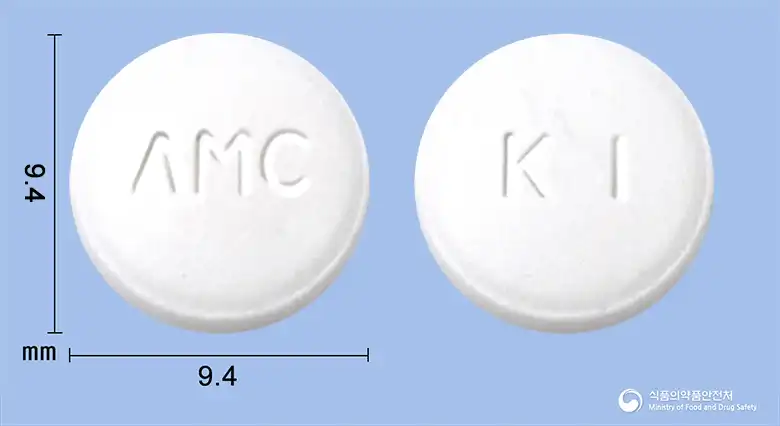 Combination
Amoxicillin Hydrate 125mg · Dilute Potassium Clavulanate 107.76mg
Tablet · Prescription medication · Combination
Geonil Pharmaceutical Co., Ltd.
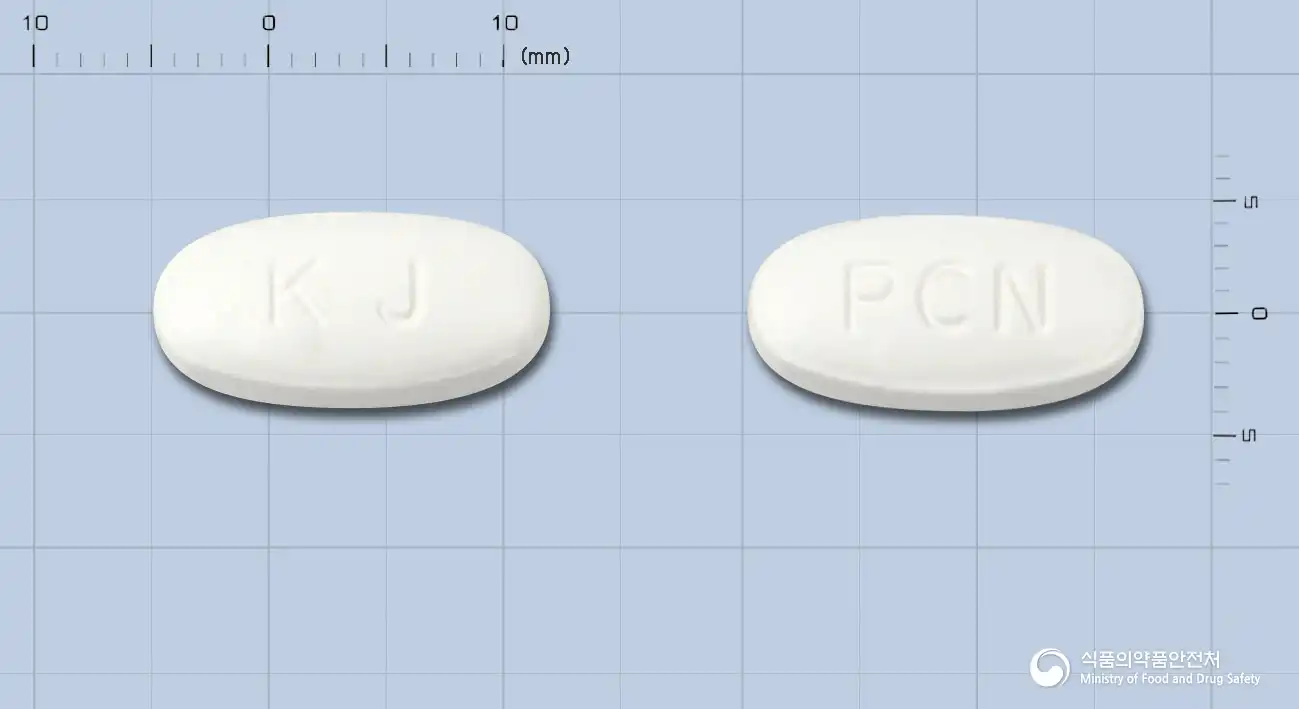 Combination
Amoxicillin Hydrate 250mg · Dilute Potassium Clavulanate 212.73mg
Tablet · Prescription medication · Combination
International Pharmaceutical Co., Ltd.
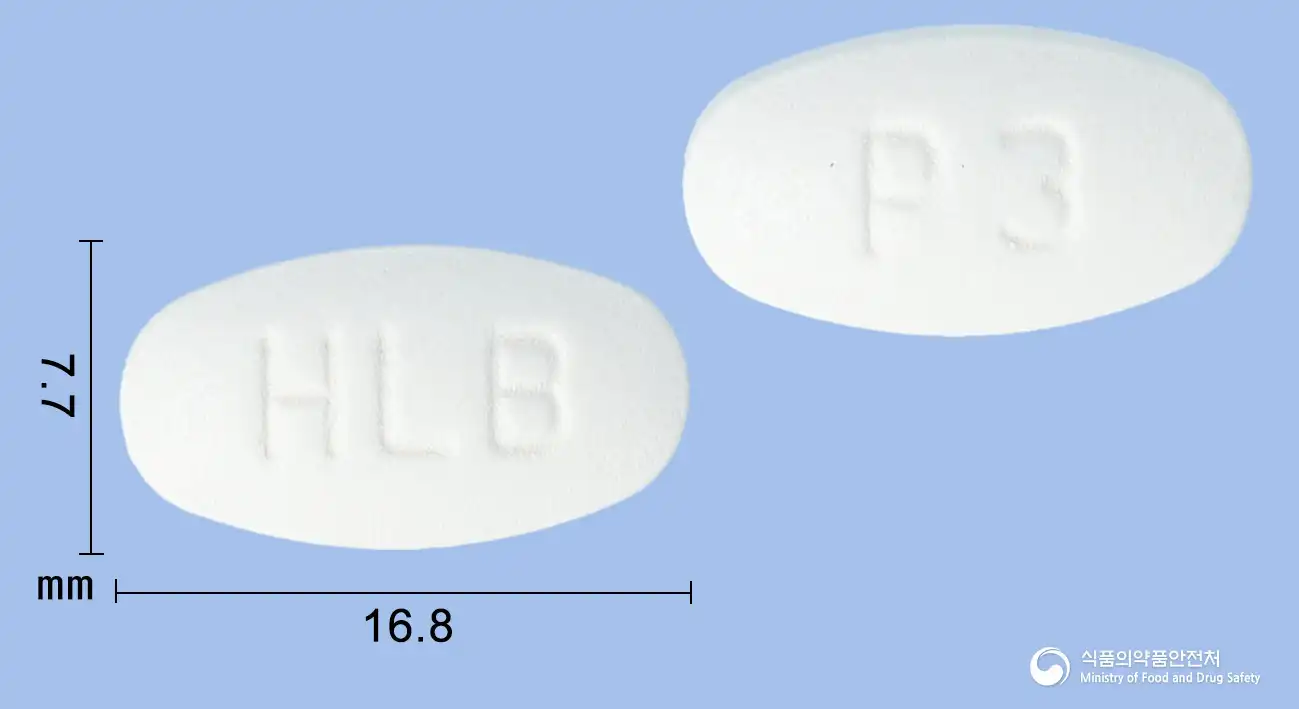 Combination
Amoxicillin Hydrate 250mg · Dilute Potassium Clavulanate 215.52mg
Tablet · Prescription medication · Combination
HLB Pharmaceutical Co., Ltd.
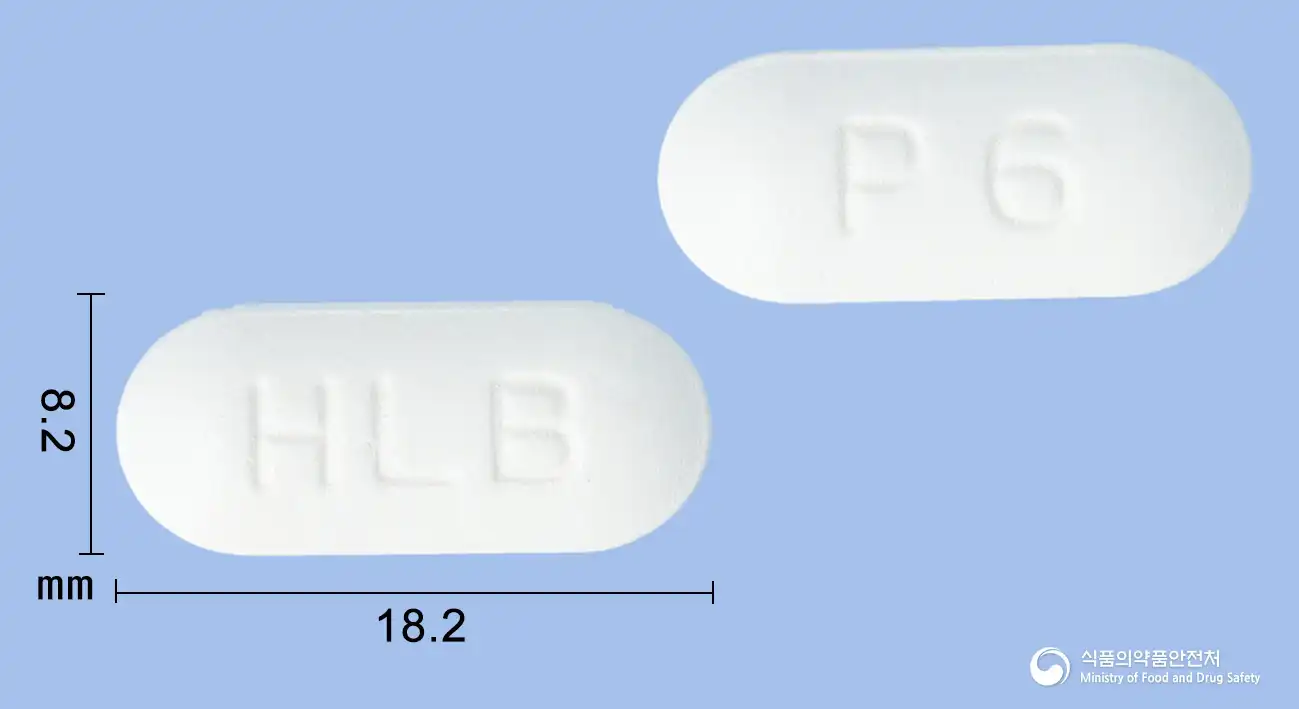 Combination
Amoxicillin Hydrate 500mg · Dilute Potassium Clavulanate 215.52mg
Tablet · Prescription medication · Combination
HLB Pharmaceuticals Co., Ltd.
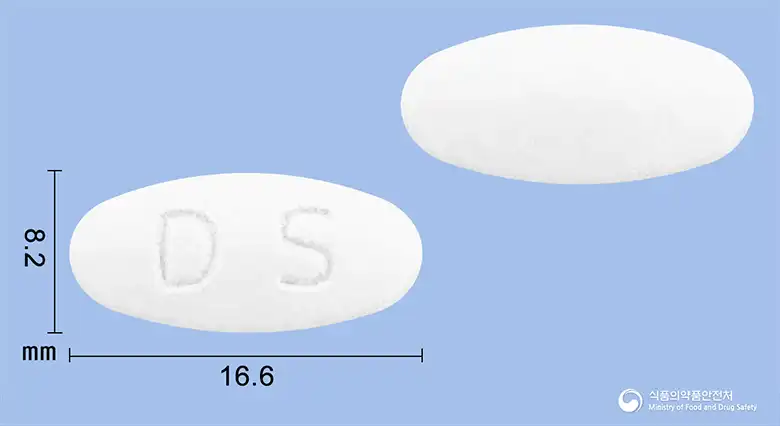 Combination
Amoxicillin Hydrate 250mg · Dilute Potassium Clavulanate 215.52mg
Tablet · Prescription medication · Combination
Dong Sung Pharmaceutical Co., Ltd.
 Combination
Amoxicillin Hydrate 250mg · Dilute Potassium Clavulanate 212.73mg
Tablet · Prescription medication · Combination
Youngjin Pharmaceutical Co., Ltd.
Even with the same ingredient, the dose and directions can differ by strength and dosage form. Talk to a doctor or pharmacist before switching from a medication you are already taking.
No questions yet.
For anything that needs medical judgment, consult a doctor or pharmacist.
This drug information is based on data provided by the Korea Ministry of Food and Drug Safety.
Consult a doctor or pharmacist for accurate dosage, administration, and usage instructions.