
 한국어
 English
 日本語
 中文(简体)
Dosage form image
Viewing nowCombinationAmoksan Neo Syrup
Amoxicillin Hydrate 54.55g · Dilute Potassium Clavulanate 3.9g
Syrup · Prescription medication · Combination
Independent Bio Pharmaceutical Co., Ltd.
MFDS item code 201905327 · Notified 2019.07.26
This product's status changed to Expired on 2024.07.26. It may no longer be sold, so consult a doctor or pharmacist before taking it.
Treatment of recurrent or persistent acute otitis media and recurrent acute sinusitis in children
This drug is effective against significant bacteria such as Streptococcus pneumoniae, Haemophilus influenzae, and Moraxella catarrhalis. It is specifically used for the treatment of recurrent or persistent acute otitis media and recurrent acute sinusitis in pediatric patients. However, it is suitable for children under the age of 2 who have received antibiotic treatment for the same disease within the last 3 months or for those attending daycare. It helps treat infections in children with these conditions.
○ Adults: There is no experience with the use of this medicine in adults. ○ Patients with hepatic impairment: Use this medicine with caution in patients with hepatic impairment, and monitor liver function regularly. ○ To minimize the possibility of gastrointestinal disturbances, this medicine should be administered at the beginning of a meal. Administration of this medicine at the beginning of a meal increases the absorption of potassium clavulanate.
○ Pediatric patients aged 3 months and older: The recommended dose of this medicine, based on the amoxicillin content (600 mg/5 mL), is 90mg/kg/day in divided doses at 12-hour intervals. Administer for 10 days for acute otitis media and for 7 days for acute sinusitis. 8 kg: Administer 3.0mL every 12 hours 12 kg: Administer 4.5mL every 12 hours 16 kg: Administer 6.0mL every 12 hours 20 kg: Administer 7.5mL every 12 hours 24 kg: Administer 9.0mL every 12 hours 28 kg: Administer 10.5mL every 12 hours 32 kg: Administer 12.0mL every 12 hours 36 kg: Administer 13.5mL every 12 hours ○ Pediatric patients weighing 40kg or more: There is no experience with the use of this medicine in pediatric patients weighing 40kg or more.
This drug contains aspartame, an artificial sweetener that is broken down into phenylalanine in the body. Therefore, patients with the genetic disorder phenylketonuria should not take this medication. Patients who have had hypersensitivity reactions to this drug's components or to beta-lactam antibiotics should not take it, and individuals with viral infections such as infectious mononucleosis or lymphocytic leukemia should also avoid use. Additionally, patients with a history of liver dysfunction or jaundice caused by penicillin should refrain from taking this medication. This drug contains lactose, so patients with genetic conditions such as galactose intolerance, lactose deficiency, or glucose-galactose malabsorption should not take it. Caution is needed when using this drug in patients with poor liver or kidney function, as well as in those with allergies, patients who have difficulty with oral intake, the elderly, and those in poor general health. Those experiencing gastrointestinal symptoms like vomiting or diarrhea should be careful, as absorption of the drug may be inadequate. Generally, this drug has good tolerance, but side effects such as diarrhea, vomiting, rash, contact dermatitis may occur. If these symptoms are severe or persist, immediate consultation with a physician is recommended. Long-term use of this drug may infrequently lead to liver dysfunction, blood abnormalities, or severe allergic reactions, so it is important to regularly check health status. Antibiotics are only effective for bacterial infections; therefore, this medication should not be used for viral infections such as colds. While taking this drug, the prescribed duration and dosage must be strictly followed. Stopping the medication prematurely may reduce effectiveness and lead to resistance. It is advisable not to use this drug during the first three months of pregnancy, and lactating women should use it cautiously while monitoring for adverse reactions in their babies. The safety of this drug has not been confirmed for infants under three months of age, so its use is not recommended for this age group. Shake well before use, store in the refrigerator after preparation, and consume all within 7 days. It is also important to keep it out of reach of children. In case of overdose, gastrointestinal symptoms, kidney function abnormalities, and allergic reactions may occur, so it is imperative to stop taking the medication immediately and seek medical assistance. Lastly, this drug may interact with other medications, so if you are taking other drugs, be sure to consult with a physician or pharmacist.
Contact dermatitis, diarrhea, vomiting, moniliasis, rash, pseudomembranous colitis, dyspepsia, stomatitis, gastritis, glossitis, black hairy tongue, nausea, loss of appetite, abdominal pain, abdominal distension, constipation, colonic pain, hyperacidity, loose stools, dry mouth, acute pancreatitis, candidiasis, antibiotic-induced colitis, elevated AST, elevated ALT, elevated ALP, elevated LDH, elevated serum bilirubin, hepatitis, cholestatic jaundice, itching, erythema multiforme, Stevens-Johnson syndrome, toxic epidermal necrolysis, vesicular exfoliative dermatitis, acute generalized exanthematous pustulosis, eosinophilia, drug reaction (DRESS), angioedema, anaphylaxis, serum sickness syndrome, hypersensitivity vasculitis, bronchospasm, dyspnea, laryngeal edema, anaphylactic shock, reversible leukopenia, reversible thrombocytopenia, hemolytic anemia, anemia, thrombocytopenic purpura, eosinophilia, leukemia, agranulocytosis, lymphocytopenia, thrombocytosis, bone marrow suppression, prolonged bleeding time, prolonged prothrombin time, vulvar itching, burning sensation, increased secretion, agitation, anxiety, behavioral changes, confusion, drowsiness, insomnia, hyperactivity, dizziness, headache, seizures, aseptic meningitis, acute renal failure, interstitial nephritis, hematuria, crystalluria, vitamin K deficiency symptoms, vitamin B complex deficiency symptoms, dental staining, linear IgA disease, dysgeusia, malaise, dermatitis, oral edema, gastric pain, fluid and electrolyte imbalance, hyperactivity, drowsiness, interstitial kidney disease, hyposthenuric renal failure, interstitial brain seizures, hypersensitivity shock, skin reactions, bleeding, pancytopenia
Not everyone experiences these, and they can vary from person to person.
This drug may be sensitive to air or moisture, so it is important to store it in a tightly sealed container. When storing, choose a dry location with a temperature between 1 degree and 25 degrees to maintain the drug's efficacy and safety.
A syrup preparation that dissolves in water with a light white powdery appearance and a peculiar smell.
For oral use - 50 milliliters/bottle
Even with the same ingredient, strength, dosage form and how it is taken can differ.
Amoxicillin Hydrate 54.55g · Dilute Potassium Clavulanate 3.9g
Syrup · Prescription medication · Combination
Independent Bio Pharmaceutical Co., Ltd.
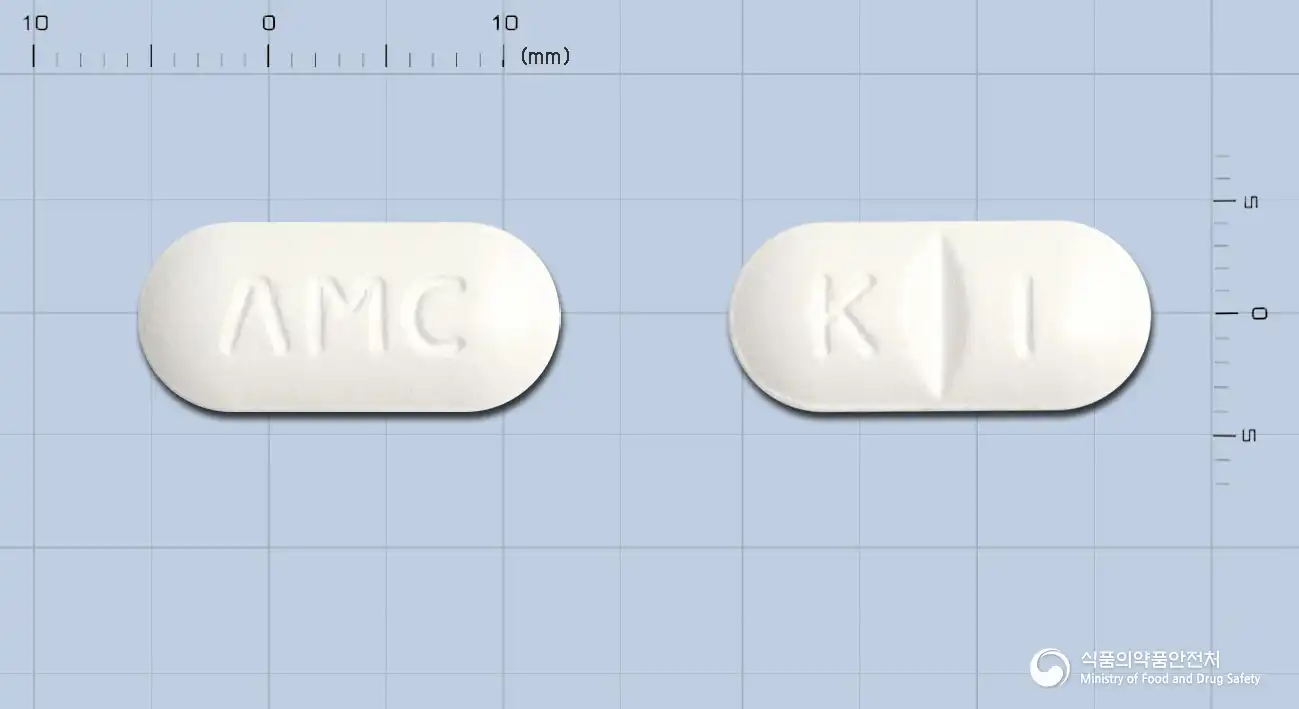 Combination
Amoxicillin Hydrate 500mg · Dilute Potassium Clavulanate 215.52mg
Tablet · Prescription medication · Combination
Geonil Pharmaceutical Co., Ltd.
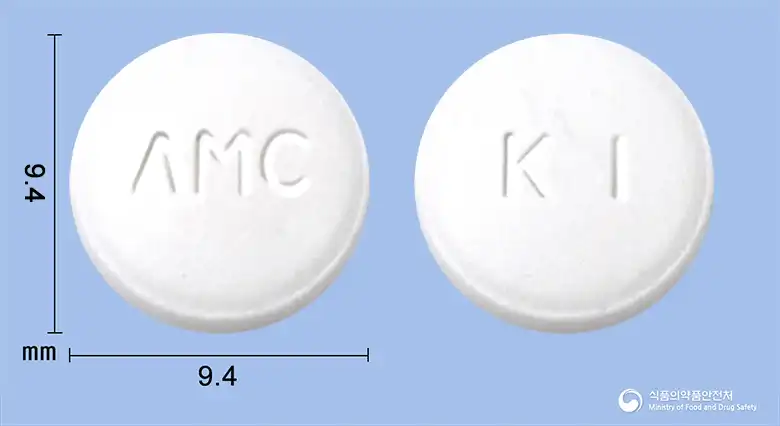 Combination
Amoxicillin Hydrate 125mg · Dilute Potassium Clavulanate 107.76mg
Tablet · Prescription medication · Combination
Geonil Pharmaceutical Co., Ltd.
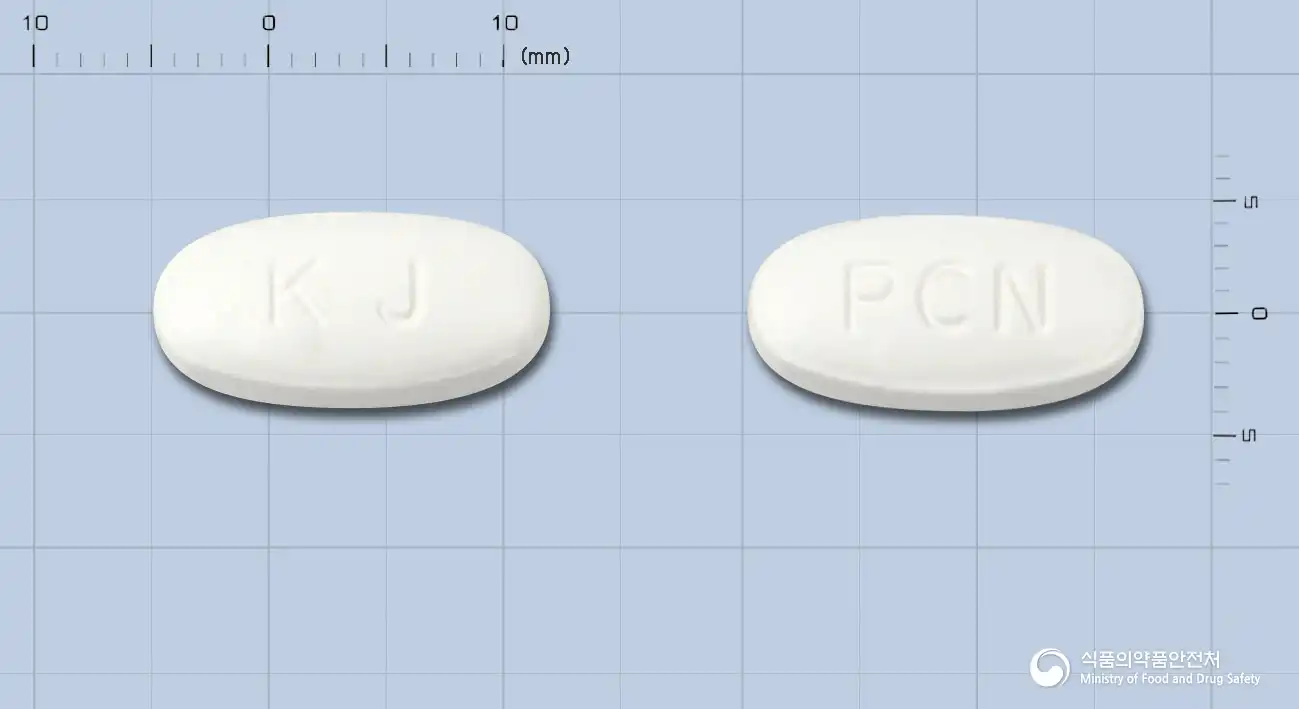 Combination
Amoxicillin Hydrate 250mg · Dilute Potassium Clavulanate 212.73mg
Tablet · Prescription medication · Combination
International Pharmaceutical Co., Ltd.
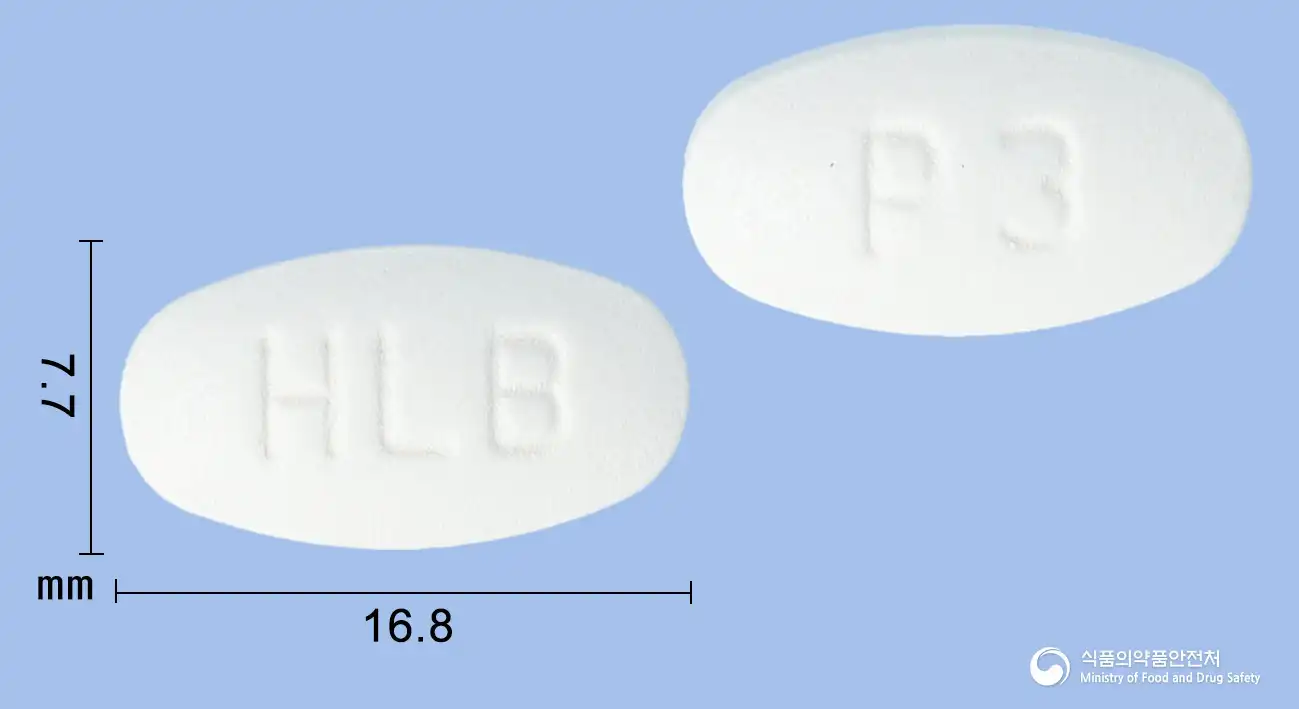 Combination
Amoxicillin Hydrate 250mg · Dilute Potassium Clavulanate 215.52mg
Tablet · Prescription medication · Combination
HLB Pharmaceutical Co., Ltd.
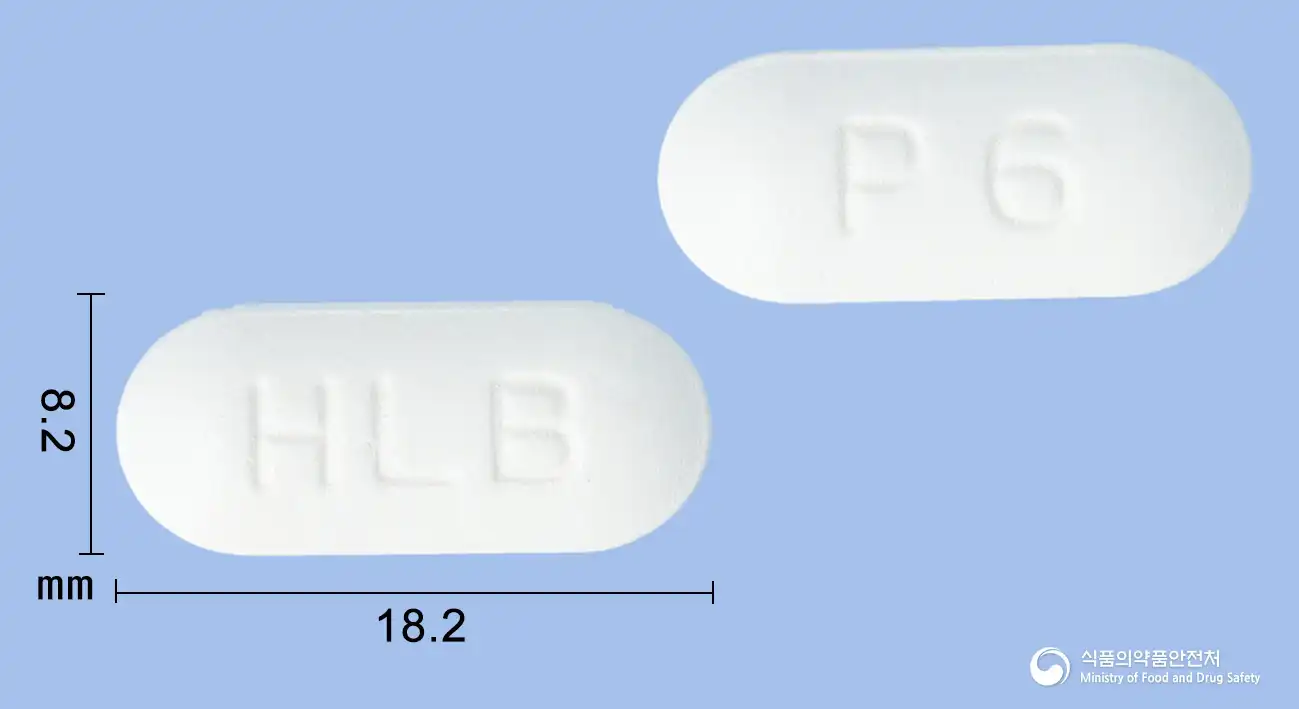 Combination
Amoxicillin Hydrate 500mg · Dilute Potassium Clavulanate 215.52mg
Tablet · Prescription medication · Combination
HLB Pharmaceuticals Co., Ltd.
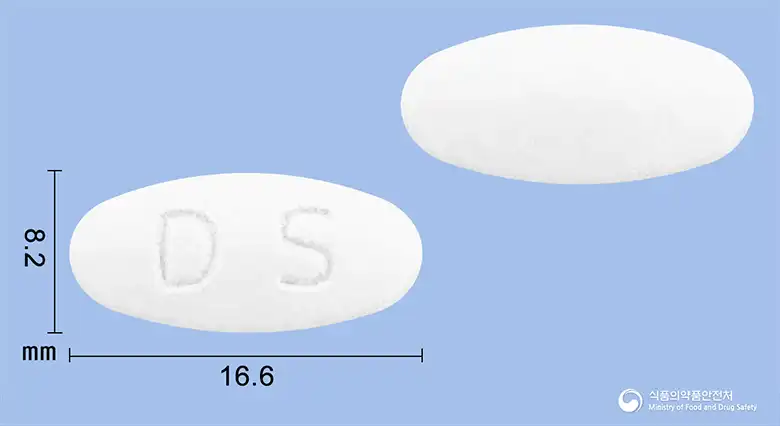 Combination
Amoxicillin Hydrate 250mg · Dilute Potassium Clavulanate 215.52mg
Tablet · Prescription medication · Combination
Dong Sung Pharmaceutical Co., Ltd.
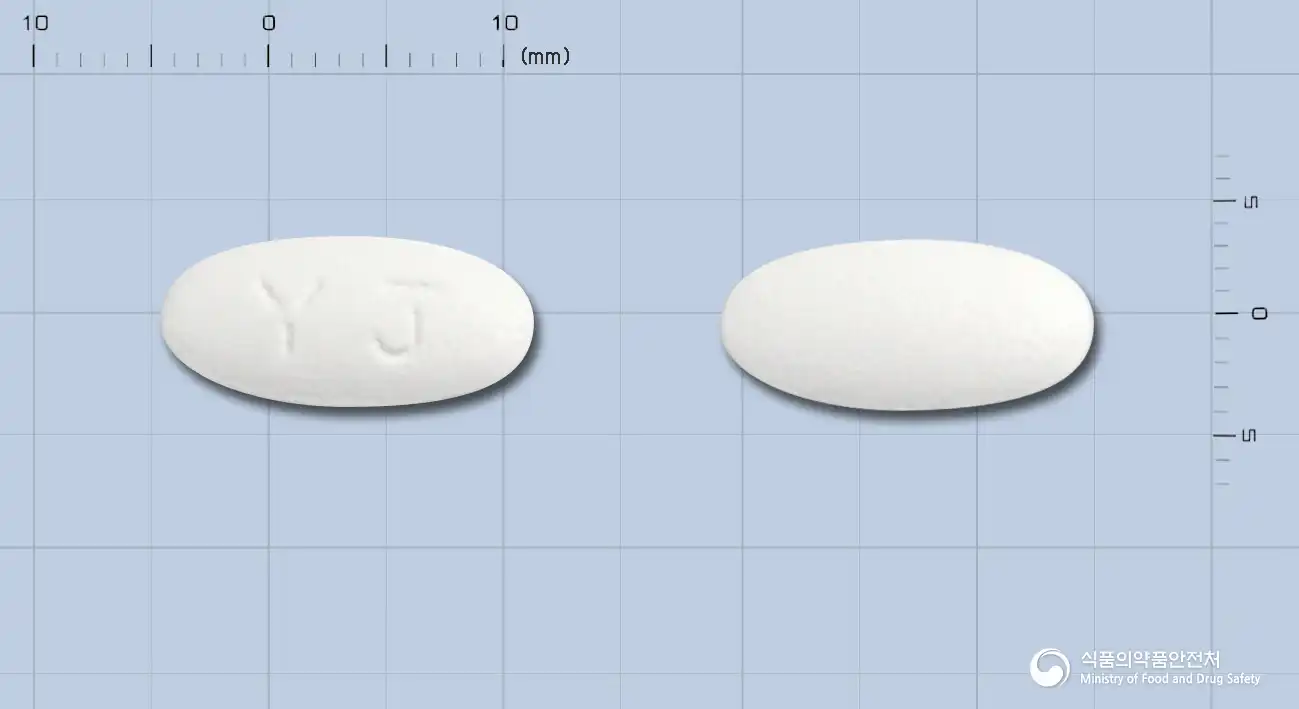 Combination
Amoxicillin Hydrate 250mg · Dilute Potassium Clavulanate 212.73mg
Tablet · Prescription medication · Combination
Youngjin Pharmaceutical Co., Ltd.
Even with the same ingredient, the dose and directions can differ by strength and dosage form. Talk to a doctor or pharmacist before switching from a medication you are already taking.
No questions yet.
For anything that needs medical judgment, consult a doctor or pharmacist.
This drug information is based on data provided by the Korea Ministry of Food and Drug Safety.
Consult a doctor or pharmacist for accurate dosage, administration, and usage instructions.