
 한국어
한국어 English
 日本語
日本語 中文(简体)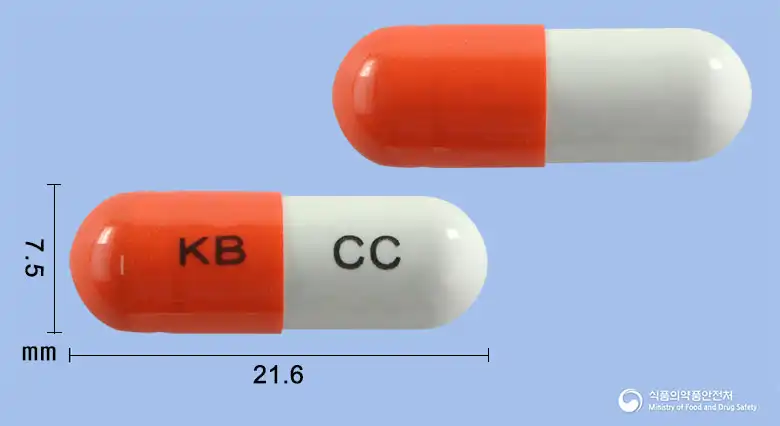
Summary
- Main use
- Relief of cold symptoms (runny nose, nasal congestion, sneezing, etc.)
- Who takes it
- Adults
- Adult dose
- For individuals aged 15 years and older, take 2 capsules three times a day after meals, 30 minutes after eating, with a dosing interval of 4 hours.
Ingredients
- Licorice0.168g / 1 capsule
- Ginger0.056g / 1 capsule
- Cinnamon Bark0.168g / 1 capsule
- Ephedra Herb0.28g / 1 capsule
- Pinellia Tuber0.28g / 1 capsule
- Asiasarum Root and Rhizome0.168g / 1 capsule
- Schisandra Fruit0.28g / 1 capsule
- Peony Root0.28g / 1 capsule
- Acetaminophen200mg / 1 capsule
- Chlorpheniramine Maleate1.25mg / 1 capsule
- Tipepidine Hibenzate12.5mg / 1 capsule
- Anhydrous Caffeine12.5mg / 1 capsule
- Manufacturer
- 경방신약(주)
Efficacy & effects
Relief of cold symptoms (runny nose, nasal congestion, sneezing, etc.)
- Runny nose
- nasal congestion
- sneezing
- sore throat
- cough
- phlegm
- chills
- fever
- headache
- joint pain
- muscle pain
View approved original textHide original text
This medication is used to relieve various symptoms associated with the common cold, such as runny nose, nasal congestion, sneezing, sore throat, cough, phlegm, chills, fever, headache, joint pain, and muscle pain. It helps reduce the discomfort patients experience, making daily life more comfortable. It assists in overcoming colds by aiding in the relief of these various symptoms.
How to take
Adult dose
For individuals aged 15 years and older, take 2 capsules three times a day after meals, 30 minutes after eating, with a dosing interval of 4 hours.
Precautions
This medication may put a strain on the liver; therefore, those who regularly consume more than three drinks a day should consult a doctor or pharmacist before use. The acetaminophen contained in this medication can rarely cause severe skin reactions, so it should be discontinued immediately if skin rash or allergic symptoms occur. The maximum daily dose for acetaminophen is 4,000 mg, and caution should be exercised when taking this product with other acetaminophen-containing products, as it may result in liver damage. Individuals who are allergic to this medication or its components, have a history of asthma, infants under three months, those taking certain antidepressants or antipsychotic drugs, and those with genetic issues like lactose intolerance should not take this medication. During treatment, it is safest to avoid taking other cold medicines, antipyretics, sedatives, or antihistamines. Individuals with a history of chickenpox or suspected influenza in children, those with a history of allergies, individuals with liver or kidney diseases, and pregnant or breastfeeding women should consult a professional before using this medication. If abnormal symptoms such as skin rash, nausea, swelling, dizziness, difficulty breathing, high fever, or jaundice appear after taking this medication, it should be discontinued immediately and a doctor consulted. Children under the age of two years should not take this medication except in special circumstances, and a doctor's consultation is necessary before use. It is important to strictly adhere to the prescribed dosage and avoid long-term use, and avoid alcohol during treatment. This medication may cause drowsiness; caution should be exercised when driving or operating machinery. Care should be taken when taking this medication with specific diuretics or medications containing licorice, as they may cause muscle weakness or side effects. Taking this medication with certain antibiotics can rarely result in serious side effects such as metabolic acidosis, so it should be taken according to a doctor's instructions. When storing, keep in a cool, dry place out of reach of children, avoid direct sunlight, and do not transfer to another container.
Side effects and when to seek care immediately
Serious side effects
- Hives, severe swelling, chest tightness, cold sweat, paleness, difficulty breathing → severe allergic reaction.
- Severe rash with high fever, blisters, skin peeling, pain in mouth/eyes mucosa → severe skin adverse reaction.
- Asthma, difficulty breathing or shortness of breath, cough accompanied by fever → respiratory problems.
- Skin or eyes turning yellow (jaundice), general lethargy → liver issues (jaundice).
- Hives, swelling, chest tightness.
Mild side effects
- Rash
- redness
- itching
- nausea
- vomiting
- loss of appetite
- constipation
- swelling
- difficulty urinating
- thirst
Show 4 moreCollapse
- dizziness
- anxiety
- trembling
- insomnia.
Not everyone experiences these, and they can vary from person to person.
Interactions
Drug interactions
This medication should not be taken with other products containing acetaminophen, MAO inhibitors (antidepressants, antipsychotics, mood stabilizers, anti-Parkinson agents, etc.), cough suppressants, expectorants, other cold medications, antipyretics, sedatives, antihistamines. It should also be avoided in conjunction with diabetes medications, gout medications, arthritis medications, anticoagulants, steroids, barbiturates, tricyclic antidepressants, loop and thiazide diuretics.
Food interactions
This medication may interact with alcohol, potassium-containing preparations, and licorice-containing preparations.
Storage
This medication should be stored in a sealed container to protect it from air or moisture. It is important to maintain a storage temperature between 1 degree and 30 degrees Celsius. This will help preserve the medication's effectiveness and safety over time.
Appearance and packaging
Appearance
Capsule with brown powder, upper orange color, lower white color
Package unit
12 capsules/box [(12 capsules/PTP×1)]
Questions about this medicine
QWhat is the interval in hours?
For individuals aged 15 years and older, the recommended dosage is 2 capsules, 3 times a day, 30 minutes after meals, with a dosing interval of 4 hours. The dosage for those under 15 years is not included in the product information, so please do not give it to children arbitrarily.
Answers 1 · 2026.09.14
QI took painkillers; can I also take this?
This medication contains acetaminophen, and it is advised not to take it together with other products containing acetaminophen or analgesics. Please check the active ingredient of any pain relievers you have taken with a pharmacist before making a decision.
Answers 1 · 2026.09.14
QMy body is swollen and my urine output has decreased.
Decreased urine output, swelling of the face and extremities, and increased blood pressure are symptoms of hyperaldosteronism mentioned in the approved indications; if these occur, stop usage immediately and consult a doctor or pharmacist. Please cease taking and seek medical attention.
Answers 1 · 2026.09.14
For anything that needs medical judgment, consult a doctor or pharmacist.