
 한국어
한국어 English
 日本語
日本語 中文(简体)
Dosage form image
Viewing nowCombinationMetphio Tablet 15/850 mg
Metformin Hydrochloride 850mg · Pioglitazone Hydrochloride 16.53mg
Tablet · Prescription medication · Combination
Celltrion Pharmaceutical Co., Ltd.
MFDS item code 201904569 · Approved 2019.07.05
This product's status changed to Approval withdrawn on 2025.03.18. It may no longer be sold, so consult a doctor or pharmacist before taking it.
Improvement of blood sugar control in type 2 diabetes
This medication is used in combination with pioglitazone and metformin to help control blood sugar in patients with type 2 diabetes. It is primarily administered alongside dietary and exercise therapy to effectively improve blood sugar levels. This helps streamline blood sugar management for patients and alleviates symptoms of diabetes.
The initial dose of this medication should be based on the patient's current treatment regimen. 1. For patients whose blood sugar is not adequately controlled with monotherapy of metformin or pioglitazone: The dose should be based on the current dose of metformin or pioglitazone being taken. Start with 1 tablet of this medication once a day and gradually adjust the dose based on the adequacy of the therapeutic response. 2. For patients transitioning from combined therapy of pioglitazone and metformin
This medication can cause severe lactic acidosis and hypoglycemia, so it should be used with extreme caution. Lactic acidosis, although rare, is a life-threatening condition that occurs more frequently in patients with reduced kidney function or problems with the heart or lungs. If sudden symptoms such as difficulty breathing, muscle pain, weakness, or abdominal pain occur while taking this medication, notify your doctor immediately. Patients with impaired liver function or excessive alcohol consumption should avoid using this medication. It should not be used in patients with severe heart failure, and if symptoms of heart failure appear, immediate medical attention is required. Patients with active bladder cancer or a history of bladder cancer should carefully weigh the risks and benefits before using this medication. Patients with moderate or severe renal impairment, severe heart failure, or who are pregnant or breastfeeding should not take this medication. This medication should not be administered to patients with certain genetic diseases. Patients with irregular meals or intense exercise routines, or those taking other medications should be cautious as they may be at risk of lactic acidosis and hypoglycemia. Regular blood tests and renal function tests should be performed while taking this medication, and vitamin B12 deficiency should also be checked. When undergoing surgery or tests involving contrast agents, this medication should be temporarily discontinued under medical supervision. Side effects such as weight gain, edema, headaches, and indigestion may occur, so consult a doctor if these symptoms are severe. It is advised not to use this medication during pregnancy or while breastfeeding. Elderly patients may have a higher risk of declining kidney function, so dose adjustment and careful monitoring are essential. In cases of overdose, visit a hospital immediately for appropriate treatment, which may include hemodialysis.
Lactic acidosis, severe allergic reactions, heart failure, congestive heart failure, liver abnormalities (jaundice), liver failure, cardiovascular disorders, stroke, acute coronary syndrome, myocardial infarction, stroke, acute respiratory distress, bladder cancer, acute renal failure, increased blood pressure and severe edema, respiratory dysfunction, hypoglycemia, confusion, visual disturbances, paralysis
Not everyone experiences these, and they can vary from person to person.
This medication should be stored in a tightly closed container to protect it from air and moisture. Keep the storage temperature between 1 to 30 degrees Celsius.
White to off-white rectangular film-coated tablets
30 tablets / PTP [10 tablets/PTP X 3]
Even with the same ingredient, strength, dosage form and how it is taken can differ.
Metformin Hydrochloride 850mg · Pioglitazone Hydrochloride 16.53mg
Tablet · Prescription medication · Combination
Celltrion Pharmaceutical Co., Ltd.
Pioglitazone Hydrochloride 16.53mg · Metformin Hydrochloride 850mg
Tablet · Prescription medication · Combination
Celltrion Pharmaceutical Co., Ltd.
 Combination
Metformin Hydrochloride 850mg · Pioglitazone Hydrochloride 16.53mg
Tablet · Prescription medication · Combination
Genewon Science Co., Ltd.
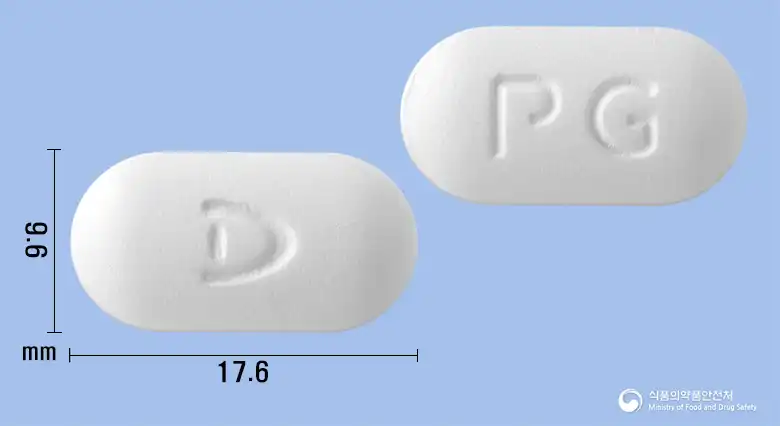 Combination
Metformin Hydrochloride 850mg · Pioglitazone Hydrochloride 16.53mg
Tablet · Prescription medication · Combination
Dalim Biotech Co., Ltd.
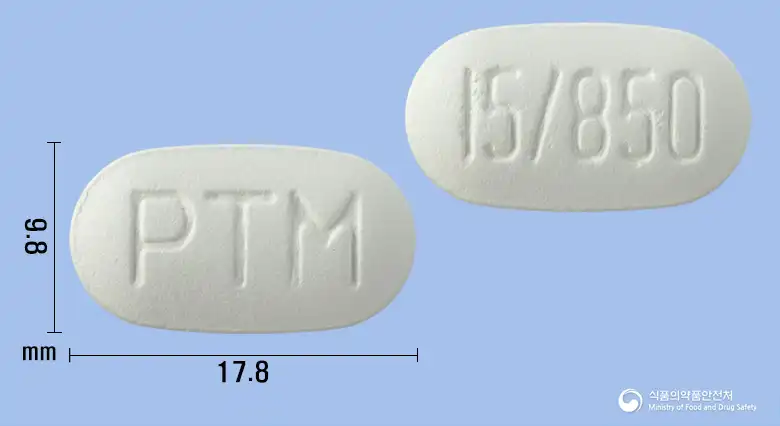 Combination
Pioglitazone Hydrochloride 16.53mg · Metformin Hydrochloride 850mg
Tablet · Prescription medication · Combination
Kyungdong Pharmaceutical Co., Ltd.
Metformin Hydrochloride · Pioglitazone Hydrochloride
Prescription medication · Combination
Nexpam Korea Co., Ltd.
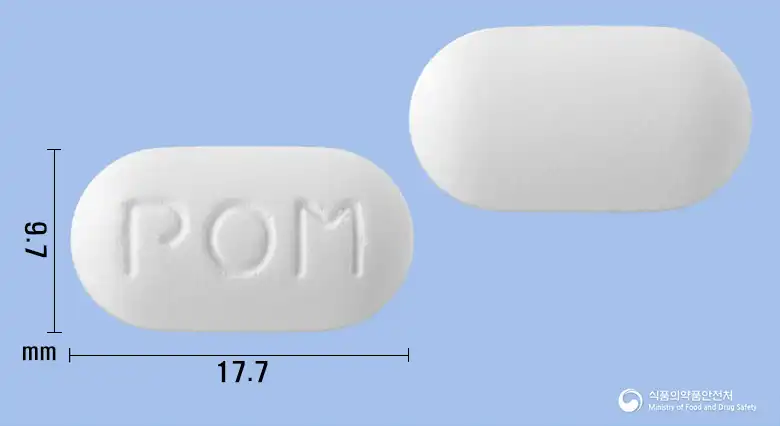 Combination
Pioglitazone Hydrochloride 16.53mg · Metformin Hydrochloride 850mg
Tablet · Prescription medication · Combination
Korea Prime Pharmaceutical Co., Ltd.
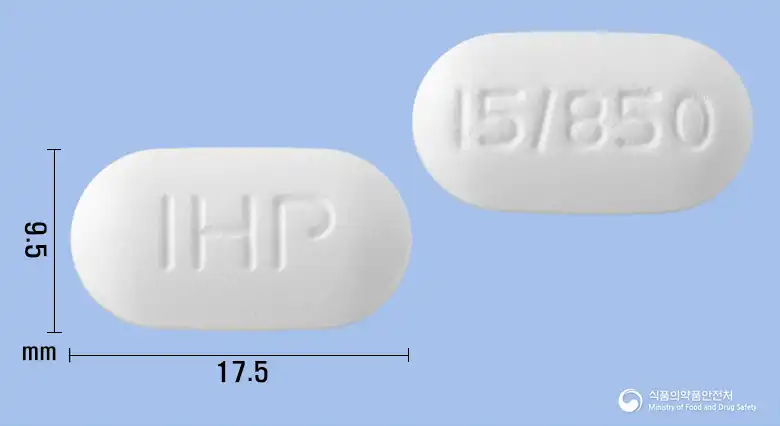 Combination
Metformin Hydrochloride 850mg · Pioglitazone Hydrochloride 16.53mg
Tablet · Prescription medication · Combination
Ilhwa Co., Ltd.
Even with the same ingredient, the dose and directions can differ by strength and dosage form. Talk to a doctor or pharmacist before switching from a medication you are already taking.
No questions yet.
For anything that needs medical judgment, consult a doctor or pharmacist.
This drug information is based on data provided by the Korea Ministry of Food and Drug Safety.
Consult a doctor or pharmacist for accurate dosage, administration, and usage instructions.