
 한국어
한국어 English
 日本語
日本語 中文(简体)
Dosage form image
Viewing nowCombinationOgmeduo Syrup [Amoxicillin-Clavulanate Potassium (7:1)]
Amoxicillin Hydrate 36.3143g · Dilute Potassium Clavulanate 5.1878g
Syrup · Prescription medication · Combination
Hanpoong Pharmaceutical Co., Ltd.
MFDS item code 201904524 · Notified 2019.07.03
This product's status changed to Expired on 2024.07.03. It may no longer be sold, so consult a doctor or pharmacist before taking it.
Treatment of respiratory (bronchitis, pneumonia), urinary (cystitis, urethritis) infections
This medication is effective against various bacterial infections. It is used for respiratory infections such as acute and chronic bronchitis, pneumonia, as well as tonsillitis, sinusitis, and otitis media. It also helps treat urinary tract infections like cystitis, urethritis, and pyelonephritis. It is used for pelvic infections and sexually transmitted diseases like gonorrhea, and is effective for treating boils, abscesses, soft tissue infections, and wound infections. It is also used for osteomyelitis and dental infections, improving various infectious diseases.
For recurrent tonsillitis and other upper respiratory infections, lower respiratory infections, urinary tract infections, and skin and soft tissue infections of mild to moderate severity, the dosage is 25 mg/3.6 mg per kg of body weight divided into 2 doses per day. For moderate to severe infections such as otitis media, sinusitis, bronchiolitis, and urinary tract infections, the dosage is 45 mg/6.4 mg per kg of body weight divided into 2 doses per day. To minimize potential gastrointestinal intolerance, administer at the beginning of meals.
The 7:1 syrup is not suitable for infants under 2 months. In pediatric patients with renal failure, the 7:1 syrup is not suitable.
This medication contains the artificial sweetener aspartame, and should not be used in patients with phenylketonuria, a genetic disorder. Adjust the daily intake of aspartame to below the WHO recommended limit, using the smallest amount possible. It should not be administered to patients with a history of hypersensitivity to any of the ingredients or beta-lactam antibiotics, patients with infectious mononucleosis or lymphocytic leukemia, patients with a history of liver dysfunction, and patients with genetic issues such as lactose intolerance. Use with caution in patients with liver impairment, moderate or severe renal impairment, allergic constitution, patients who have difficulty with oral intake, elderly patients, patients in poor overall condition, and those with gastrointestinal disorders accompanied by vomiting or diarrhea. During treatment, gastrointestinal adverse reactions such as diarrhea, nausea, vomiting, and abdominal pain may occur, so careful observation is required, and if severe symptoms appear, treatment should be discontinued immediately and a doctor consulted. Liver dysfunction symptoms may also occur, so especially elderly or male patients are advised to undergo regular liver function tests. Skin rash, itching, and in severe cases, serious skin reactions like Stevens-Johnson syndrome may occur, so medication should be discontinued immediately and a doctor's care sought if abnormal symptoms arise. Hypersensitivity reactions or anaphylactic shock may rarely occur, so the patient's condition must be closely monitored after administration. This medication may interact with other drugs, so it is essential to inform the doctor or pharmacist, especially if taking anticoagulants, other antibiotics, or anti-inflammatory drugs. Women who are pregnant or breastfeeding should consult with a doctor before using this medication, especially avoiding its use during the first three months of pregnancy is advised. For children, especially newborns or premature infants under 2 months, safety has not been established and caution is needed. Elderly patients may more easily exhibit side effects due to diminished body function, therefore dosage and administration intervals should be adjusted and taken with caution. This medication should be stored in a sealed container to protect it from air and moisture and kept in a cool, dry place below 25 degrees Celsius. Proper storage will help maintain the medication's efficacy for a longer period. In the case of overdose, symptoms such as gastrointestinal symptoms, renal failure, cramps may appear, so administration should be stopped immediately and appropriate treatment sought.
Urticaria, severe swelling (edema), chest tightness, difficulty breathing, cold sweats, pallor, severe allergic reactions, severe skin adverse reactions (severe rashes with fever, blisters, skin peeling, pain in oral/ocular mucosa), asthma attacks, respiratory distress accompanied by cough and fever, yellowing of skin or eyes (jaundice), extreme lethargy, sudden and severe headache, thunderclap headache, seizures, confusion of consciousness, visual disturbances
Diarrhea, pseudomembranous colitis, dyspepsia, stomatitis, gastritis, glossitis, black hairy tongue, nausea, vomiting, loss of appetite, abdominal pain, abdominal bloating, constipation, colonic pain, hyperacidity, loose stools, dry mouth, acute pancreatitis, candidiasis, antibiotic-associated colitis, elevated AST, ALT, ALP, LDH, serum bilirubin, hepatitis, itching, erythema multiforme, hematological adverse reactions (leukopenia, thrombocytopenia, etc.), mucosal candidiasis, vulvovaginal candidiasis
Not everyone experiences these, and they can vary from person to person.
This medicinal product should be kept in a sealed container to protect it from air and moisture, and it is advisable to store it in a cool and dry place below 25 degrees Celsius. Proper storage conditions will help preserve the medication's efficacy.
A whitish powder with a unique odor, used as a syrup that dissolves when needed
50 milliliters/bottle, 500 milliliters/bottle
Even with the same ingredient, strength, dosage form and how it is taken can differ.
Amoxicillin Hydrate 36.3143g · Dilute Potassium Clavulanate 5.1878g
Syrup · Prescription medication · Combination
Hanpoong Pharmaceutical Co., Ltd.
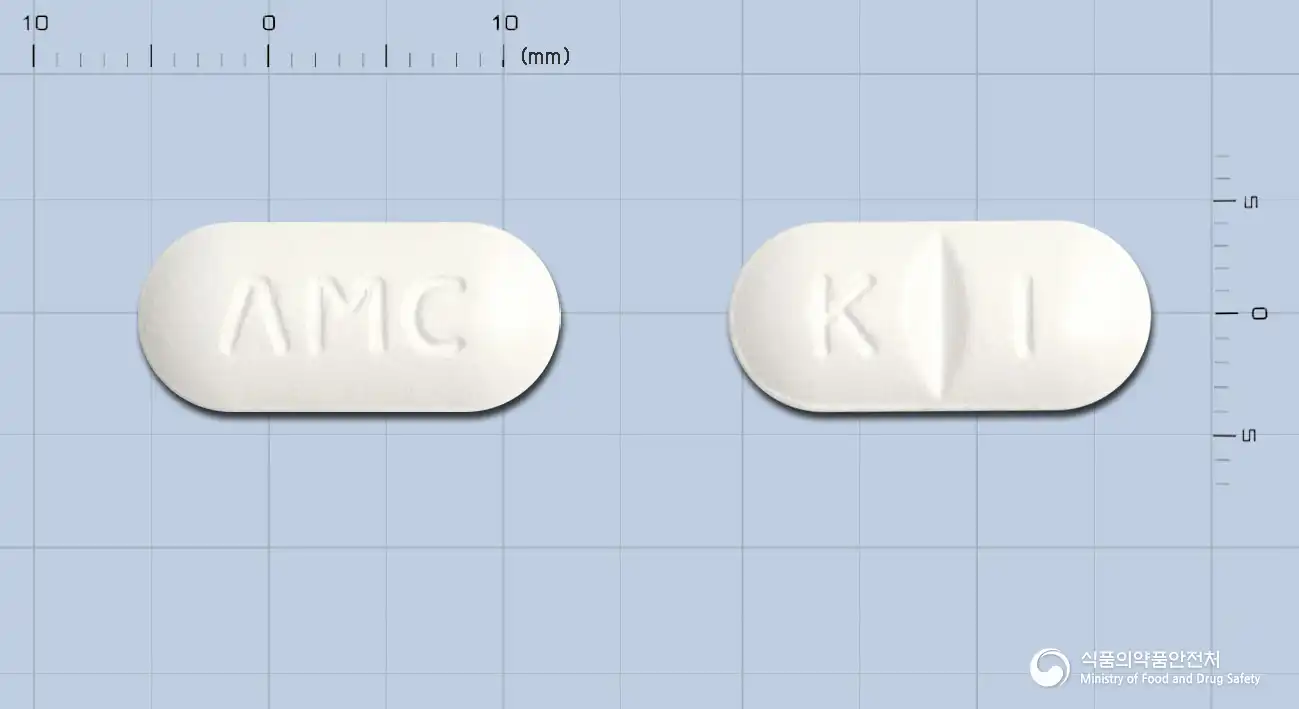 Combination
Amoxicillin Hydrate 500mg · Dilute Potassium Clavulanate 215.52mg
Tablet · Prescription medication · Combination
Geonil Pharmaceutical Co., Ltd.
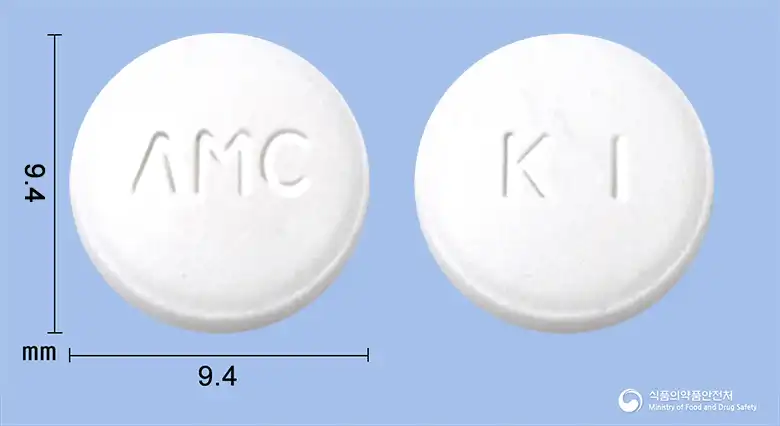 Combination
Amoxicillin Hydrate 125mg · Dilute Potassium Clavulanate 107.76mg
Tablet · Prescription medication · Combination
Geonil Pharmaceutical Co., Ltd.
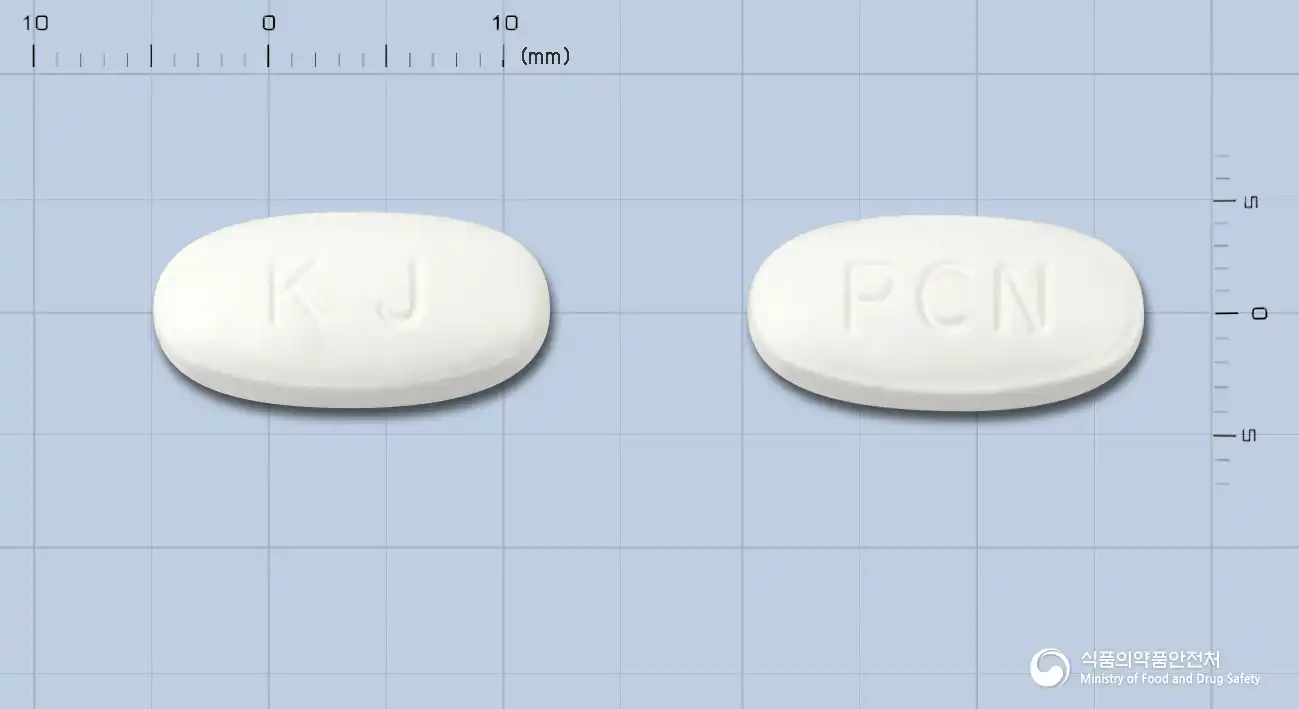 Combination
Amoxicillin Hydrate 250mg · Dilute Potassium Clavulanate 212.73mg
Tablet · Prescription medication · Combination
International Pharmaceutical Co., Ltd.
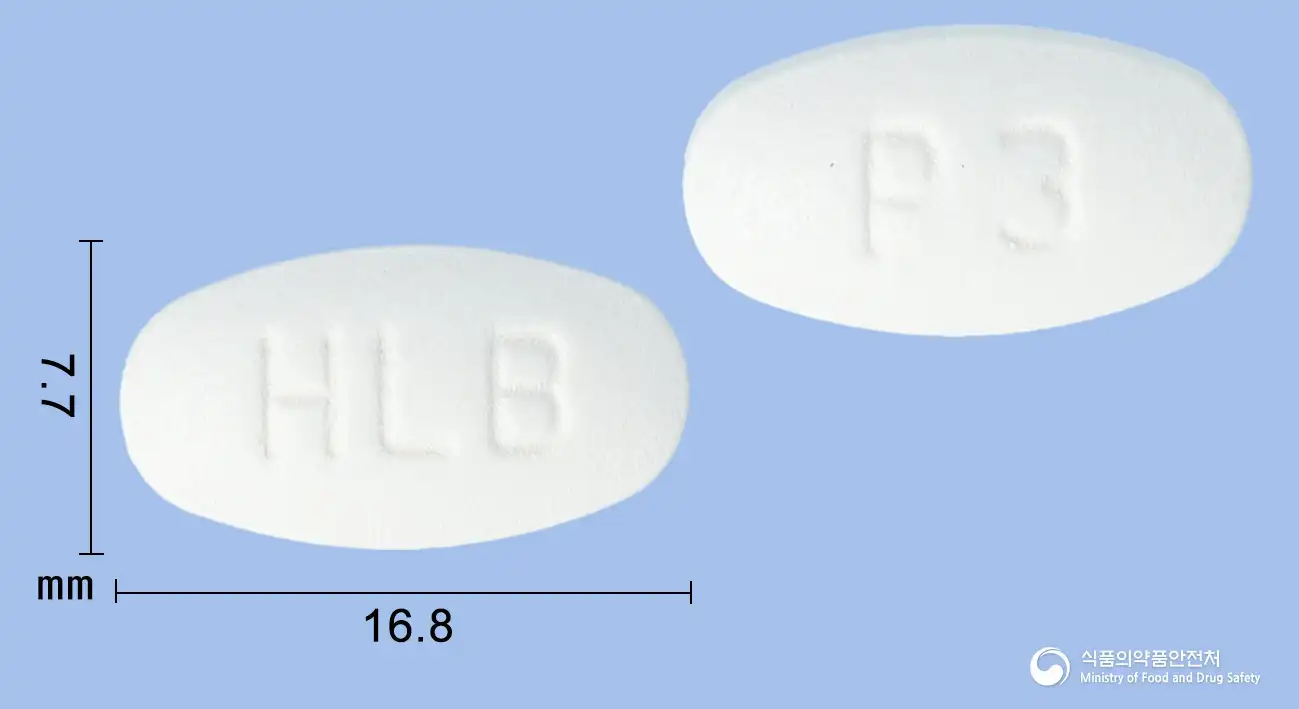 Combination
Amoxicillin Hydrate 250mg · Dilute Potassium Clavulanate 215.52mg
Tablet · Prescription medication · Combination
HLB Pharmaceutical Co., Ltd.
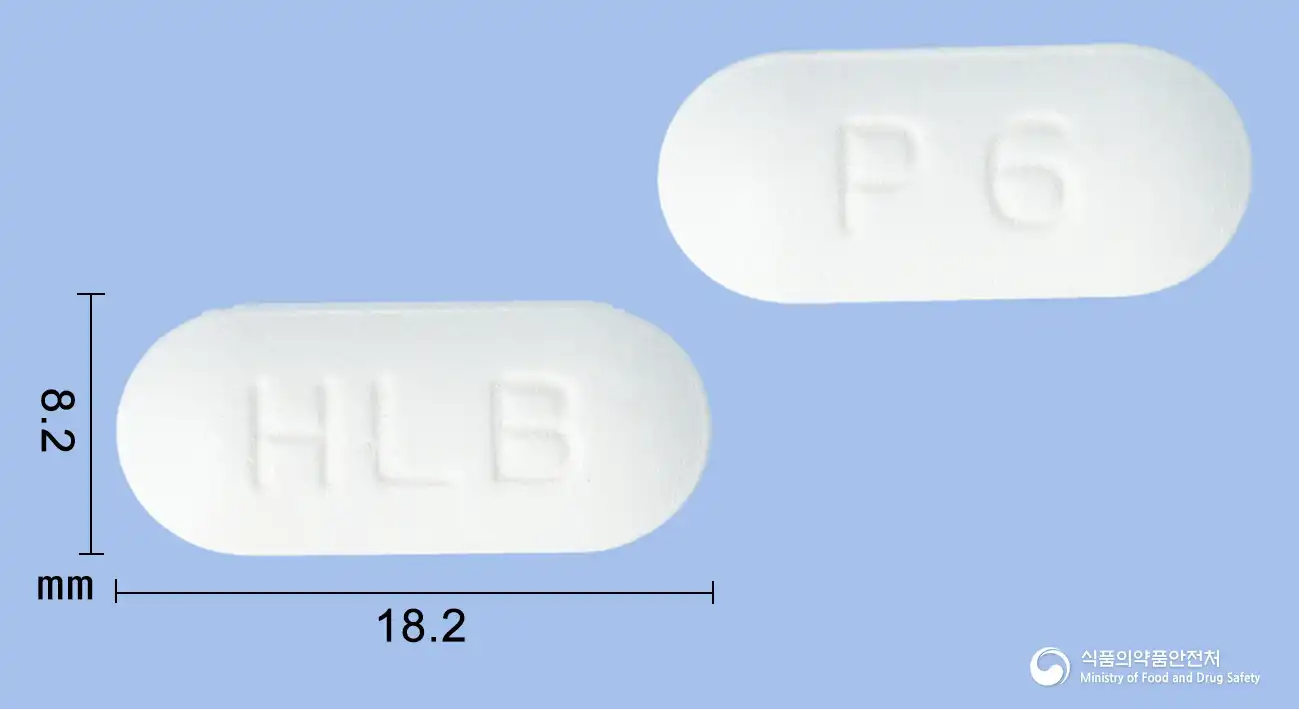 Combination
Amoxicillin Hydrate 500mg · Dilute Potassium Clavulanate 215.52mg
Tablet · Prescription medication · Combination
HLB Pharmaceuticals Co., Ltd.
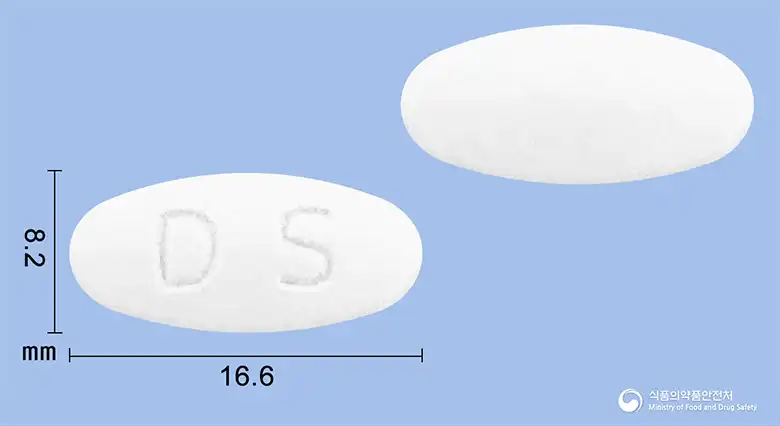 Combination
Amoxicillin Hydrate 250mg · Dilute Potassium Clavulanate 215.52mg
Tablet · Prescription medication · Combination
Dong Sung Pharmaceutical Co., Ltd.
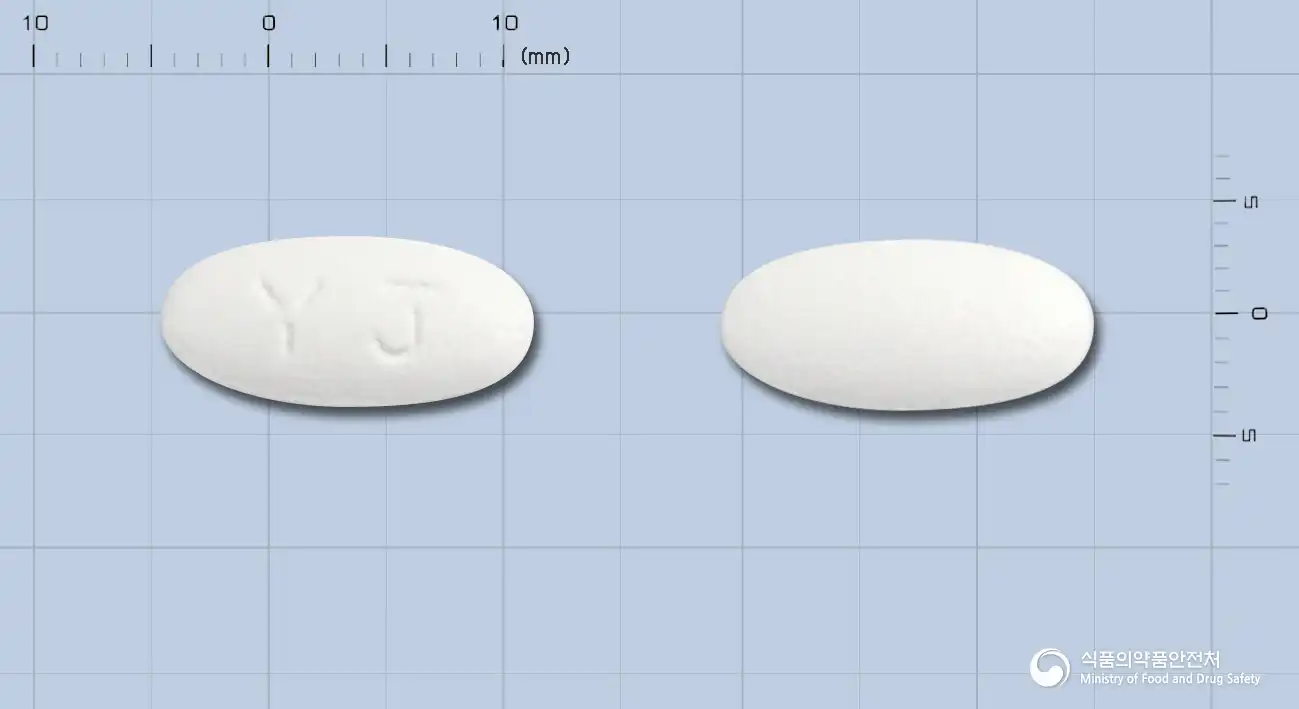 Combination
Amoxicillin Hydrate 250mg · Dilute Potassium Clavulanate 212.73mg
Tablet · Prescription medication · Combination
Youngjin Pharmaceutical Co., Ltd.
Even with the same ingredient, the dose and directions can differ by strength and dosage form. Talk to a doctor or pharmacist before switching from a medication you are already taking.
No questions yet.
For anything that needs medical judgment, consult a doctor or pharmacist.
This drug information is based on data provided by the Korea Ministry of Food and Drug Safety.
Consult a doctor or pharmacist for accurate dosage, administration, and usage instructions.