
 한국어
한국어 English
 日本語
日本語 中文(简体)
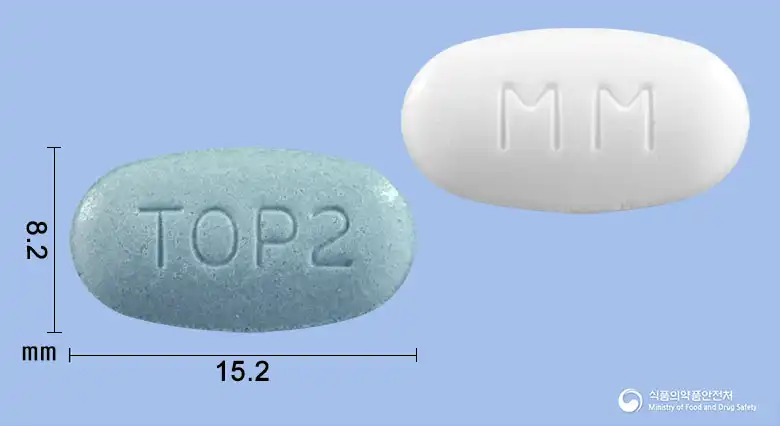 Viewing nowCombination
Telmisartan/Amlodipine/Lipitor 80/5/10 mg
Telmisartan 80mg · Amlodipine Besylate 6.935mg +1 more
Tablet · Prescription medication · Combination
Myungmoon Pharmaceutical Co., Ltd.
MFDS item code 201904521 · Approved 2019.07.03 · Insurance code 649807470
Treatment of essential hypertension and hypercholesterolemia (reduction of atherosclerosis risk)
This medication is used in patients who need concomitant therapy with telmisartan and amlodipine and rosuvastatin. The telmisartan/amlodipine combination is effective for patients with essential hypertension when blood pressure is not adequately controlled with monotherapy. Additionally, rosuvastatin is used for hypercholesterolemia and dyslipidemia that are not controlled by diet and exercise alone. By treating hypercholesterolemia, it helps slow the progression of atherosclerosis and reduces the risk of cardiovascular diseases. It is particularly useful in patients with elevated high-sensitivity C-reactive protein levels and cardiovascular risk factors to lower the risk of stroke, myocardial infarction, and vascular interventions. Therefore, this medication is used to manage both hypertension and hyperlipidemia simultaneously to prevent cardiovascular diseases.
This medication should be taken once daily, 1 tablet, with water, regardless of meals. It is recommended to take it at the same time each day (e.g., in the morning). For telmisartan/amlodipine combination therapy, individualized dosing based on patient response and tolerability is necessary. Examples of dosage adjustments for telmisartan/amlodipine combination therapy include: - 40/5 mg: Administered to patients whose blood pressure is not adequately controlled with amlodipine 5 mg or telmisartan 40 mg.
This medication should not be used during pregnancy. If pregnancy is confirmed, use should be discontinued immediately, and women who may become pregnant should use appropriate contraceptive methods. Patients with hypersensitivity to any components in this medication or those with certain genetic disorders should not take it. Moreover, patients with severe liver disease or renal failure and those with specific heart conditions should be cautious when taking this medication due to potential risks. Elderly patients or those with hypotension, hyperkalemia, or impaired liver function should exercise increased caution when taking this medication, and it is advisable to periodically monitor liver and kidney function. This medication may cause myalgia, myopathy, and in rare cases, severe muscle damage known as rhabdomyolysis, so patients should consult their physician immediately if symptoms such as myalgia or muscle weakness occur. Regular blood tests to check levels of creatine kinase (CK), a marker of muscle damage, are recommended, and if levels rise significantly, medication should be discontinued. Liver enzyme levels may also become abnormal, thus it is important to periodically test enzyme levels, and if they deviate significantly from the normal range, use should be stopped. This drug may interact with other antihypertensive or lipid-lowering medications, so it is imperative to inform the physician or pharmacist if other medications are being taken. It is advisable for breastfeeding women not to take this medication; if unavoidable, breastfeeding should be discontinued. In the case of overdose, symptoms such as hypotension, dizziness, and renal dysfunction may occur, and immediate medical attention should be sought in such instances. Patients should be cautious about dizziness or drowsiness occurring while driving or operating machinery during the use of this drug. It is not recommended for children as safety and efficacy have not been established in this population. Finally, this medication should be stored out of reach of children, and it is safer to avoid transferring it to other containers.
Urticaria, angioedema, severe edema (swelling), unstable angina, angioedema, thrombocytopenia, acute renal failure, increased serum creatinine, liver dysfunction (including jaundice), hepatitis, Stevens-Johnson syndrome, toxic epidermal necrolysis, drug reaction with eosinophilia and systemic symptoms (DRESS), rhabdomyolysis, severe allergic reactions, severe skin reactions, dyspnea, asthma, acute renal failure
Not everyone experiences these, and they can vary from person to person.
This medication is sensitive to light and should be stored in containers that block light. Additionally, the medication should be stored at room temperature, i.e., between 1 to 30 degrees Celsius. This way, the effects of the medication are well maintained and can be used safely.
Oval bicolored tablet that consists of a white layer and a light blue layer
30 tablets/box [10 tablets/PTP*3]
Even with the same ingredient, strength, dosage form and how it is taken can differ.
Viewing nowCombinationTelmisartan 80mg · Amlodipine Besylate 6.935mg +1 more
Tablet · Prescription medication · Combination
Myungmoon Pharmaceutical Co., Ltd.
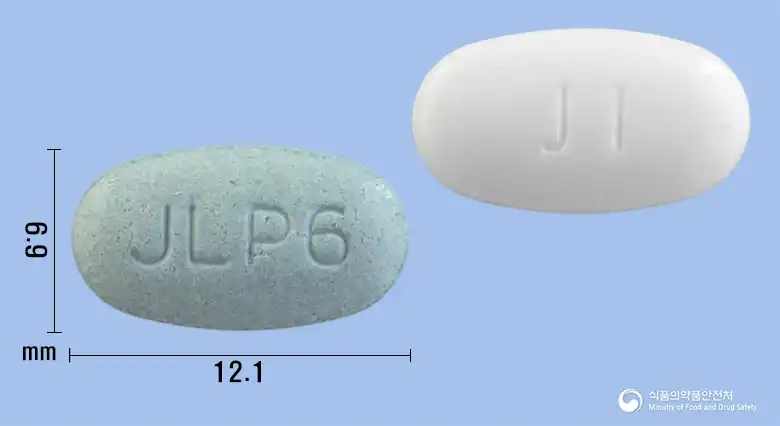 Combination
Telmisartan 40mg · Amlodipine Besylate 6.935mg +1 more
Tablet · Prescription medication · Combination
Jeil Pharmaceutical Co., Ltd.
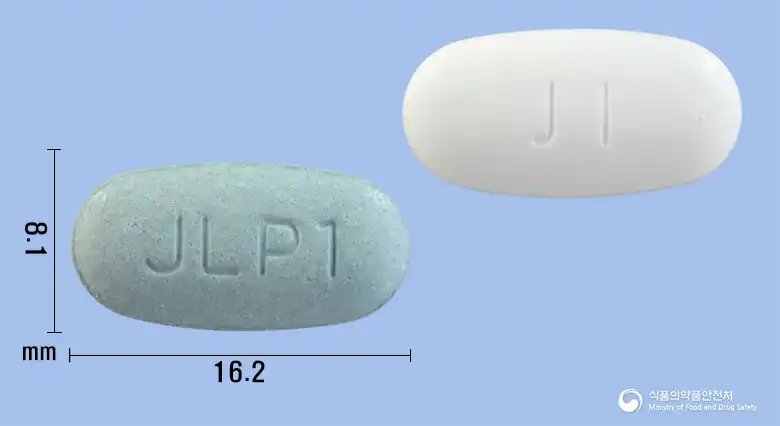 Combination
Telmisartan 80mg · Amlodipine Besylate 13.87mg +1 more
Tablet · Prescription medication · Combination
Jeil Pharmaceutical Co., Ltd.
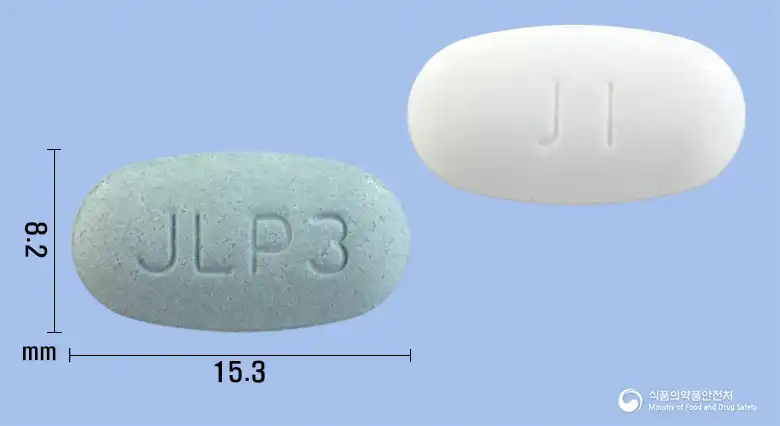 Combination
Telmisartan 80mg · Amlodipine Besylate 6.935mg +1 more
Tablet · Prescription medication · Combination
Jeil Pharmaceutical Co., Ltd.
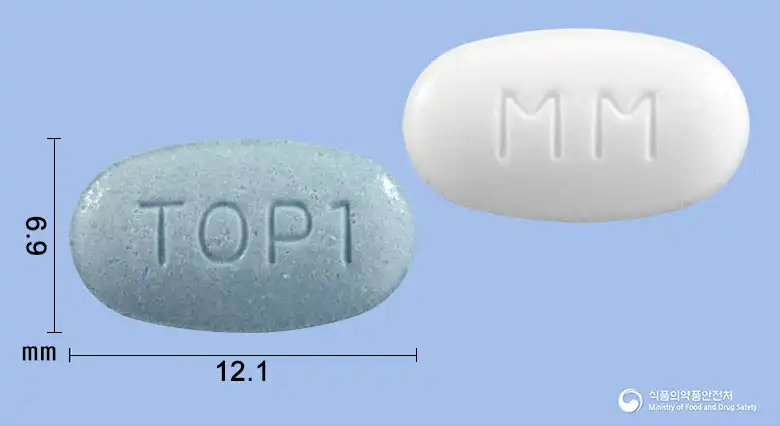 Combination
Telmisartan 40mg · Amlodipine Besylate 6.935mg +1 more
Tablet · Prescription medication · Combination
Myeong Mun Pharmaceutical Co., Ltd.
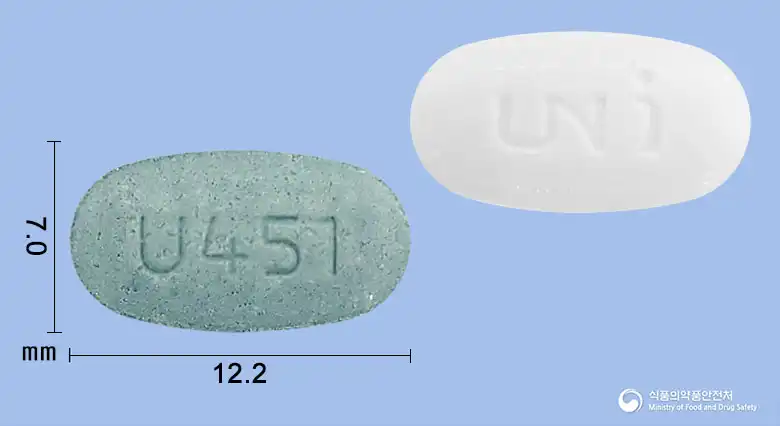 Combination
Telmisartan 40mg · Amlodipine Besylate 6.935mg +1 more
Tablet · Prescription medication · Combination
Unimed Pharmaceutical Co., Ltd.
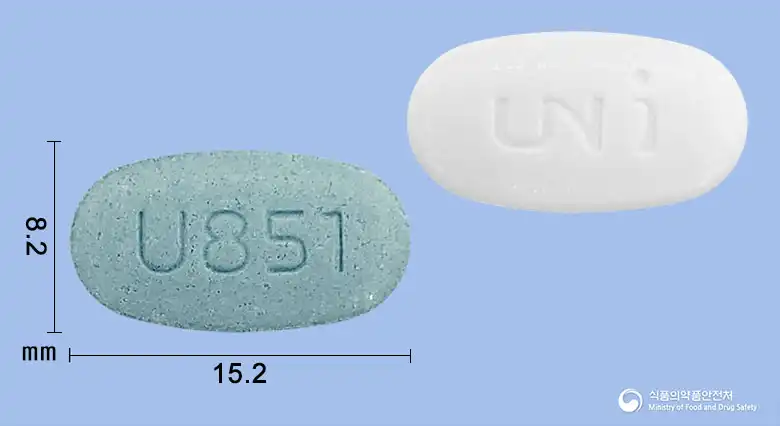 Combination
Telmisartan 80mg · Amlodipine Besylate 6.935mg +1 more
Tablet · Prescription medication · Combination
Unimed Pharmaceutical Co., Ltd.
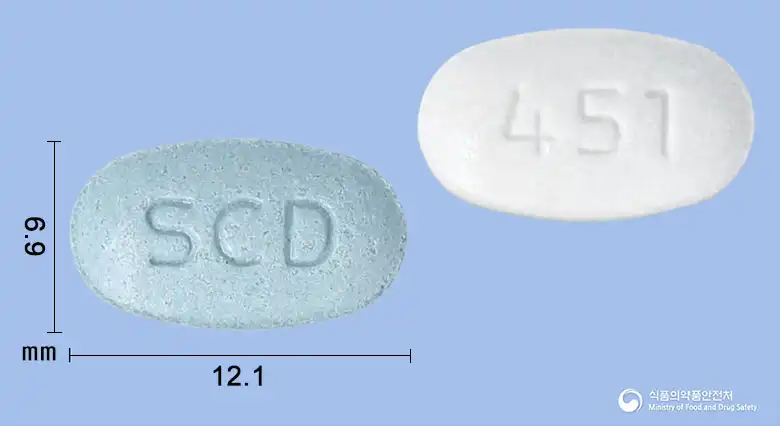 Combination
Telmisartan 40mg · Amlodipine Besylate 6.935mg +1 more
Tablet · Prescription medication · Combination
Samchundang Pharm Co., Ltd.
Even with the same ingredient, the dose and directions can differ by strength and dosage form. Talk to a doctor or pharmacist before switching from a medication you are already taking.
No questions yet.
For anything that needs medical judgment, consult a doctor or pharmacist.
This drug information is based on data provided by the Korea Ministry of Food and Drug Safety.
Consult a doctor or pharmacist for accurate dosage, administration, and usage instructions.