
 한국어
한국어 English
 日本語
日本語 中文(简体)
Dosage form image
Viewing nowCombinationOgmenex Syrup [Amoxicillin-Clavulanate Potassium (14:1)]
Amoxicillin Hydrate 54.55g · Dilute Potassium Clavulanate 3.9g
Syrup · Prescription medication · Combination
Hanpoong Pharmaceutical Co., Ltd.
MFDS item code 201904490 · Notified 2019.07.01
This product's status changed to Expired on 2024.07.01. It may no longer be sold, so consult a doctor or pharmacist before taking it.
Effectiveness in treating recurrent (acute otitis media, acute sinusitis)
This medication is effective against bacteria such as Streptococcus pneumoniae, Haemophilus influenzae (including beta-lactamase producing strains), and Moraxella catarrhalis (including beta-lactamase producing strains). It is used when acute otitis media or acute sinusitis recurs or persists in pediatric patients. However, these patients must have a history of antibiotic treatment for these conditions within the last 3 months, be under 2 years old, or attend daycare. This medication helps treat acute otitis media and acute sinusitis in children with these risk factors.
There is no clinical experience using this medication in adults. This medication is given at the beginning of meals to minimize the possibility of gastrointestinal disturbances. Administering this medication at the beginning of meals increases the absorption of clavulanate potassium.
For pediatric patients over 3 months old: Based on the amoxicillin content (600 mg/5 mL), the dosage is 90 mg/kg/day divided into doses every 12 hours, for acute otitis media for 10 days, and for acute sinusitis for 7 days.
This medication contains the artificial sweetener aspartame, which should not be taken by patients with the hereditary condition phenylketonuria. The daily intake of aspartame contained in this medication is regulated not to exceed the WHO recommended limits, so care should be taken not to exceed the recommended dose. Patients who have had hypersensitivity reactions to any of the ingredients in this medication or to beta-lactam antibiotics, patients with infectious mononucleosis or lymphocytic leukemia, or those who have previously experienced liver dysfunction or jaundice due to this medication should not take this drug. Additionally, patients with genetic conditions such as lactose intolerance, lactase deficiency, or glucose-galactose malabsorption should not use this medication. Patients with impaired liver function or severe kidney disease should use this medication with caution, and dosing intervals may need to be adjusted. Patients with allergies or symptoms such as bronchial asthma, skin rashes, or urticaria should also be cautious. Patients who cannot take medication orally, elderly patients, and those in poor overall health should be careful as symptoms of vitamin K deficiency may occur. Patients with gastrointestinal conditions causing vomiting or diarrhea may not properly absorb the medication, so be cautious. This medication is generally safe, but common side effects may include diarrhea, vomiting, skin rash, contact dermatitis, and more. If symptoms are severe, discontinuation of the medication should be considered. Rare side effects such as liver dysfunction, severe allergic reactions, blood disorders, and kidney issues have also been reported, so immediate consultation with a doctor is necessary if abnormal symptoms occur. This medication should only be taken for the necessary duration to prevent the development of resistant bacteria, and should not be stopped or dosage adjusted arbitrarily. Patients who have had hypersensitivity reactions to penicillin antibiotics should inform healthcare providers before taking this medication. This medication should not be used during the first 3 months of pregnancy, and breastfeeding mothers should be cautious as side effects may occur in the baby. Safety has not been established in infants under 3 months of age, so it should not be used in this group. This medication may interact with other drugs, so be sure to inform healthcare providers of any other medications being taken. In case of overdose, gastrointestinal symptoms, kidney damage, or seizures may occur, and immediate medical assistance should be sought while ensuring adequate hydration. This medication should be well shaken before use, and should be stored in the refrigerator after preparation and used within 7 days. Keep out of reach of children and store in a dry place at a temperature below 25 degrees Celsius.
Urticaria, severe swelling (edema), chest tightness, difficulty breathing, cold sweat, pallor, severe rash accompanied by high fever, blisters, skin peeling, pain in oral/eye mucous membranes, shortness of breath or difficulty breathing, asthma attacks, respiratory abnormalities coupled with cough and fever, yellowing of skin or eyes (jaundice), extreme lethargy, sudden and severe headaches, lightning headaches, seizures, confusion, visual disturbances, paralysis, urination issues.
Not everyone experiences these, and they can vary from person to person.
This medication should be stored in a sealed container to prevent air and moisture from entering. Additionally, it is recommended to place it in a dry area with a temperature between 1 degree and 25 degrees. Storing it this way helps maintain the medication's efficacy for a longer period.
A white to light yellowish powder with a peculiar smell, used as a syrup that is reconstituted before use.
50 milliliters/bottle
Even with the same ingredient, strength, dosage form and how it is taken can differ.
Amoxicillin Hydrate 54.55g · Dilute Potassium Clavulanate 3.9g
Syrup · Prescription medication · Combination
Hanpoong Pharmaceutical Co., Ltd.
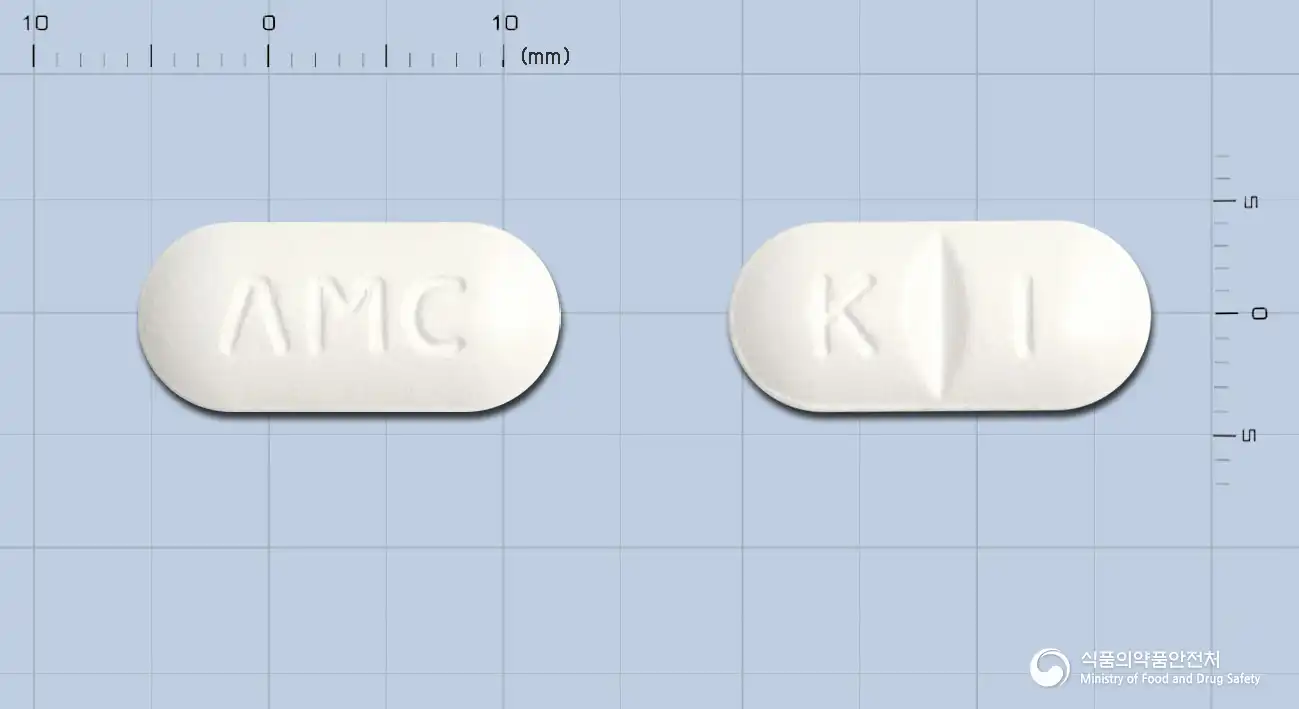 Combination
Amoxicillin Hydrate 500mg · Dilute Potassium Clavulanate 215.52mg
Tablet · Prescription medication · Combination
Geonil Pharmaceutical Co., Ltd.
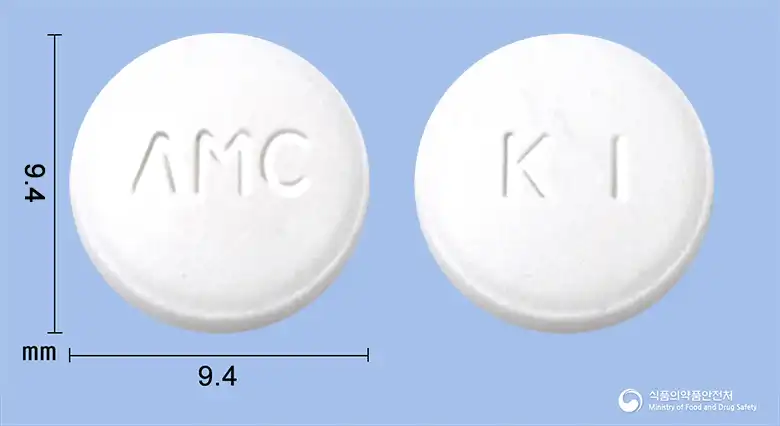 Combination
Amoxicillin Hydrate 125mg · Dilute Potassium Clavulanate 107.76mg
Tablet · Prescription medication · Combination
Geonil Pharmaceutical Co., Ltd.
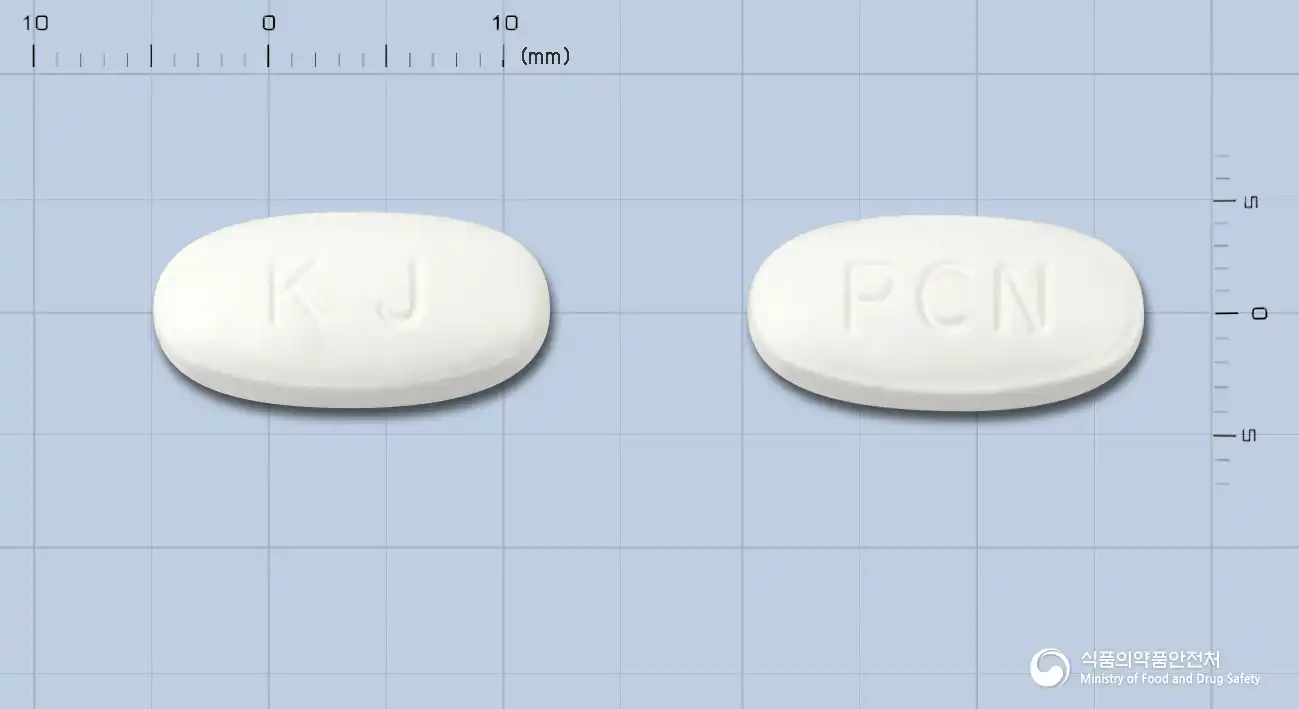 Combination
Amoxicillin Hydrate 250mg · Dilute Potassium Clavulanate 212.73mg
Tablet · Prescription medication · Combination
International Pharmaceutical Co., Ltd.
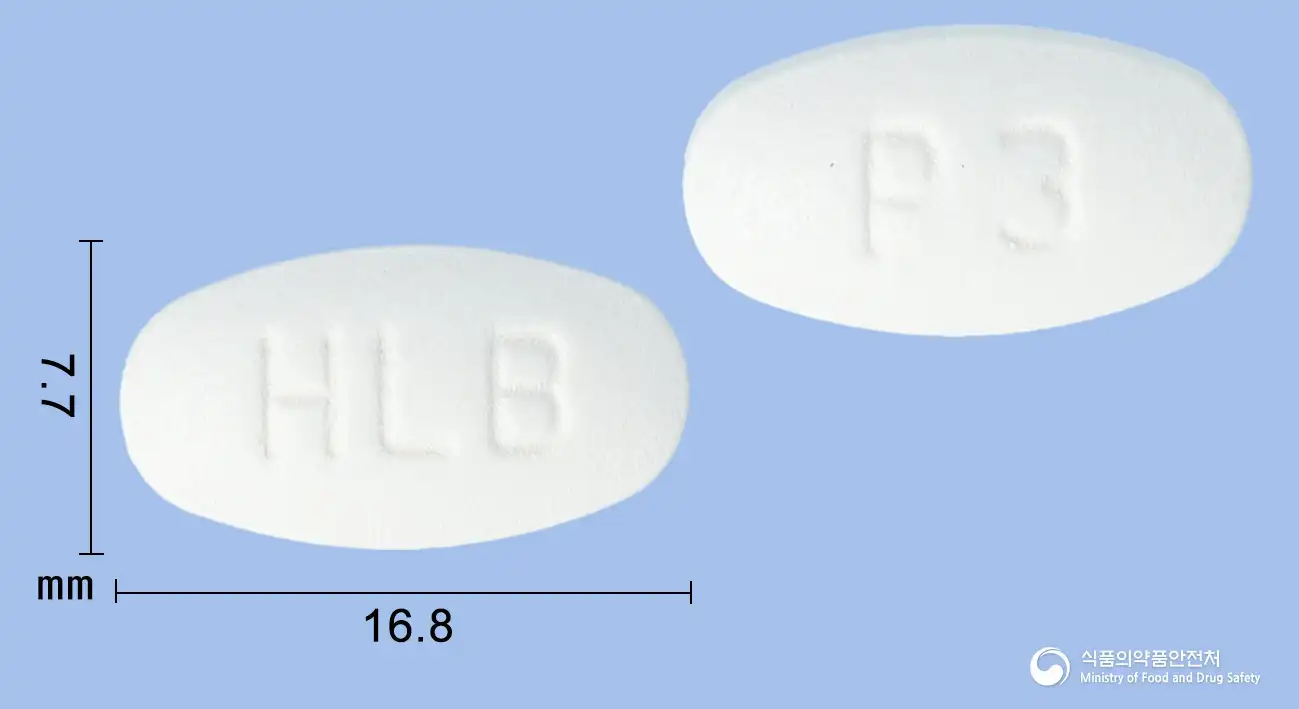 Combination
Amoxicillin Hydrate 250mg · Dilute Potassium Clavulanate 215.52mg
Tablet · Prescription medication · Combination
HLB Pharmaceutical Co., Ltd.
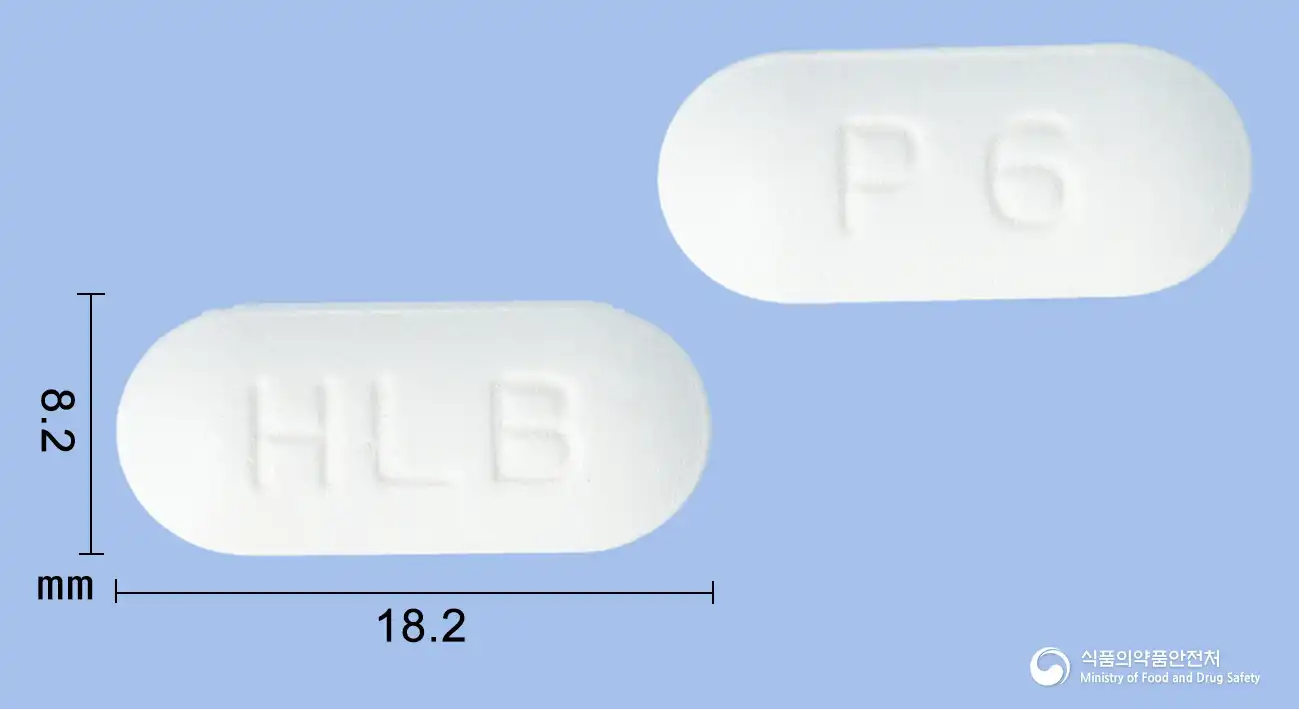 Combination
Amoxicillin Hydrate 500mg · Dilute Potassium Clavulanate 215.52mg
Tablet · Prescription medication · Combination
HLB Pharmaceuticals Co., Ltd.
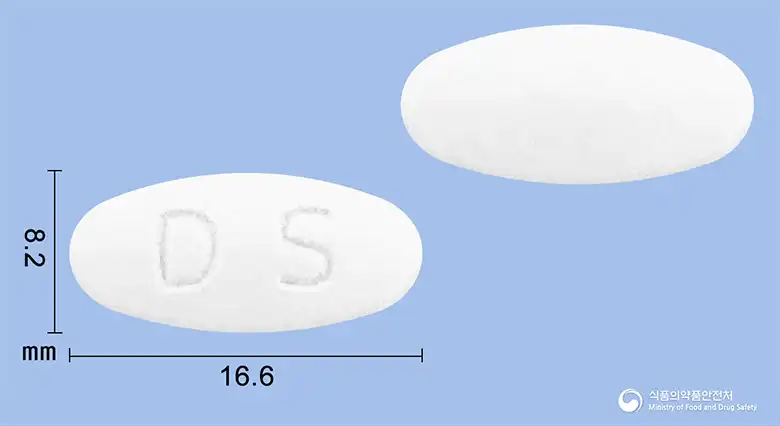 Combination
Amoxicillin Hydrate 250mg · Dilute Potassium Clavulanate 215.52mg
Tablet · Prescription medication · Combination
Dong Sung Pharmaceutical Co., Ltd.
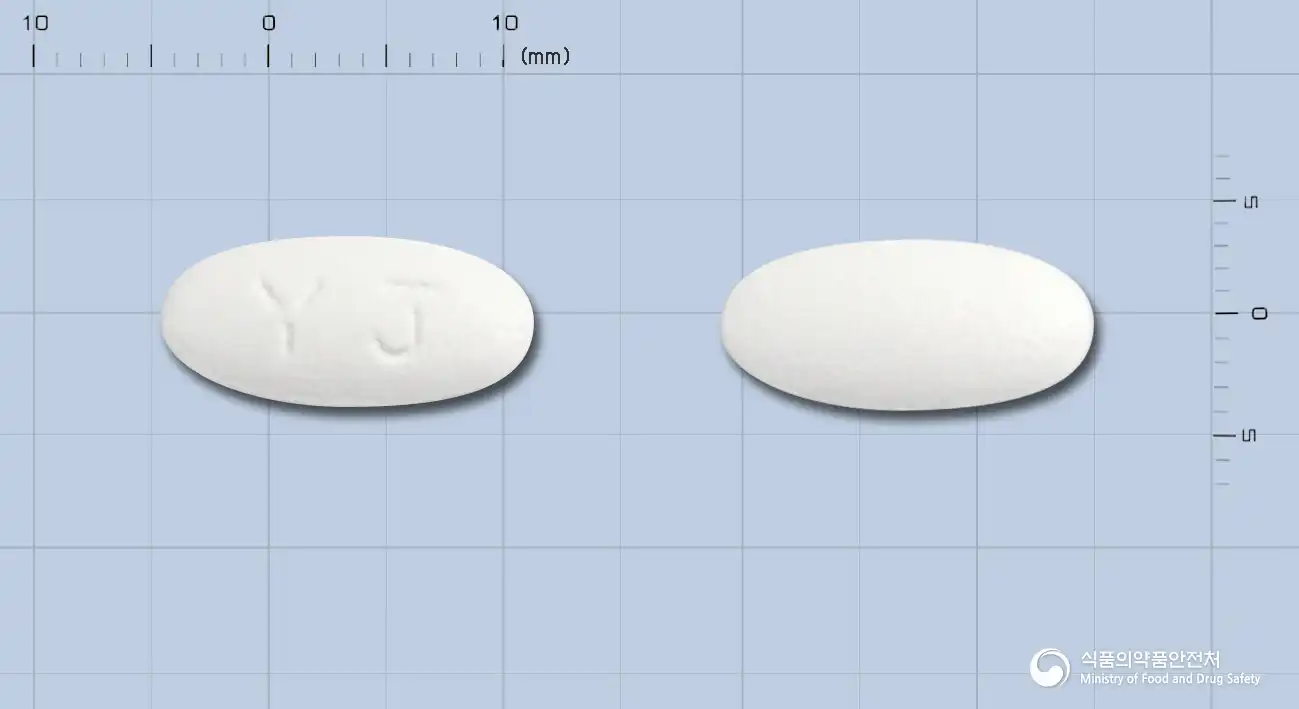 Combination
Amoxicillin Hydrate 250mg · Dilute Potassium Clavulanate 212.73mg
Tablet · Prescription medication · Combination
Youngjin Pharmaceutical Co., Ltd.
Even with the same ingredient, the dose and directions can differ by strength and dosage form. Talk to a doctor or pharmacist before switching from a medication you are already taking.
No questions yet.
For anything that needs medical judgment, consult a doctor or pharmacist.
This drug information is based on data provided by the Korea Ministry of Food and Drug Safety.
Consult a doctor or pharmacist for accurate dosage, administration, and usage instructions.