
 한국어
한국어 English
 日本語
日本語 中文(简体)
 Viewing now
Phenorix EH Tablets (Fenofibric Acid)
Fenofibric Acid 110mg
Tablet · Prescription medication
Korea United Pharmaceutical Co., Ltd.
MFDS item code 201904452 · Approved 2019.06.28 · Insurance code 644309370
Treatment of hypercholesterolemia and hypertriglyceridemia
This medication is used for hypercholesterolemia (type IIa), combined hypercholesterolemia and hypertriglyceridemia (type IIb), and hypertriglyceridemia (type IV) among primary dyslipidemias. It helps maintain healthy levels of blood lipids.
As fenofibric acid, take 110 mg (1 tablet) orally once daily, ensuring dietary therapy is implemented alongside. This medication can be taken regardless of meals.
This medication should not be used in patients with severe liver dysfunction or gallbladder disease. Furthermore, patients with severe kidney dysfunction, pregnant women or women of childbearing potential, and nursing mothers should also avoid this medication. Patients with a known allergy to this medication should avoid administration, and since it contains lactose, it should not be used in patients who are lactose intolerant or have certain genetic metabolic disorders. Caution should be exercised when administering this medication to patients with kidney or liver issues, hypoalbuminemia, or children. This medication may affect liver function, which could lead to elevated liver enzyme levels or conditions such as cholelithiasis or hepatitis, thus regular liver function tests are essential. Rarely, skin adverse reactions like itching, rashes, and hair loss may occur, alongside neurological symptoms such as dizziness, headaches, and weakness. Musculoskeletal adverse reactions like myalgia or muscle cramps may also manifest, particularly in patients with poor kidney function, where there is a risk of muscle damage and kidney worsening. Various side effects such as photosensitivity dermatitis, gastrointestinal disorders, blood abnormalities, impaired kidney function, fatigue, pneumonia, and arrhythmia have been reported; hence any unusual symptoms should be promptly discussed with a healthcare professional. Patients with weakened kidney function must undergo regular kidney function tests before and during treatment, and dosage adjustments or intervals may be necessary. Before administration, it is advisable to confirm the presence of hyperlipidemia and ensure sufficient non-drug treatments, such as diet and exercise therapy, have been implemented prior to using this medication. While taking this medication, regular checks of blood lipid levels are recommended; if there is no therapeutic effect, discontinuation should be considered. Acute hypersensitivity reactions or severe skin side effects may occur; if any symptoms arise, immediate discontinuation of the medication and professional evaluation are necessary. There are many drug interactions, especially with statins, anticoagulants, hypoglycemics, uric acid treatments, and oral contraceptives, therefore caution is warranted when using these in conjunction. It should not be used with drugs that have a risk of hepatotoxicity, and kidney function should be closely monitored in organ transplant patients. Pregnant or nursing women should not take this medication as it may pose risks to the fetus or newborn. Caution is required when administering to children, as urinary difficulties may occur. Elderly patients may commonly experience decreased liver and kidney function, necessitating heightened caution during administration and regular monitoring of blood creatinine levels. Additionally, there is a risk of hypoglycemia when taken with certain hypoglycemics in the elderly, so caution is required. No specific antidote is available in case of overdose, and blood dialysis does not remove the drug, therefore careful management is necessary.
Acute hypersensitivity reactions (anaphylaxis and angioedema), severe skin reactions (SCAR), DRESS syndrome, rhabdomyolysis, rapid deterioration of kidney function, reversible kidney damage associated with elevated serum creatinine levels, urinary difficulties
Not everyone experiences these, and they can vary from person to person.
This medication should be stored in a tightly sealed container to prevent air or moisture penetration, preferably at room temperature between 1 to 30 degrees Celsius. This storage method helps maintain the effectiveness of the medication and prevents deterioration.
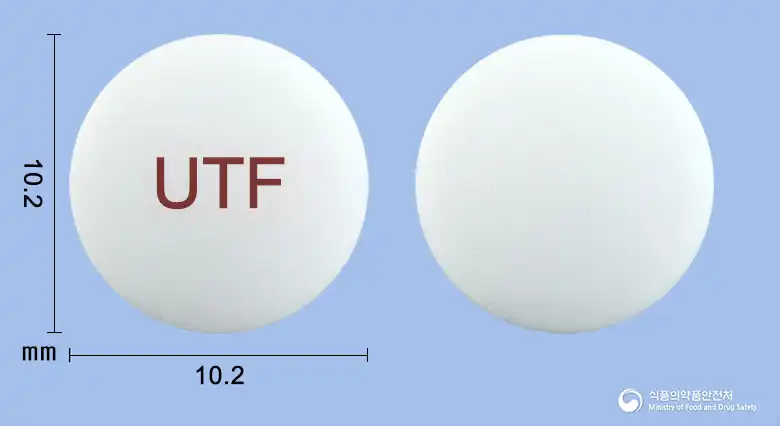
White, round enteric-coated film-coated tablet
30 tablets per bottle
Even with the same ingredient, strength, dosage form and how it is taken can differ.
Viewing nowFenofibric Acid 110mg
Tablet · Prescription medication
Korea United Pharmaceutical Co., Ltd.
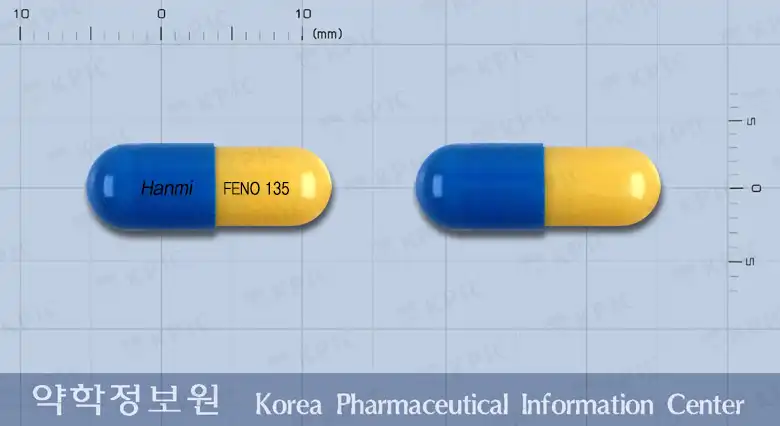
Fenofibric Acid 135mg
Hard capsule · Prescription medication
Hanmi Pharmaceutical Co., Ltd.
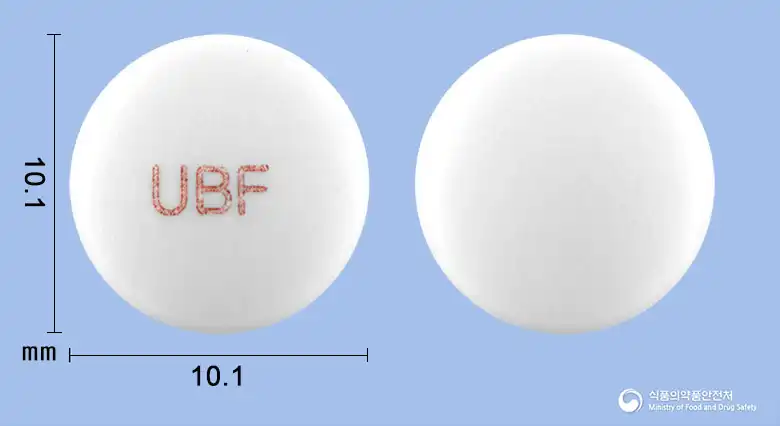
Fenofibric Acid 110mg
Tablet · Prescription medication
Korea Biochem Pharmaceutical Co., Ltd.
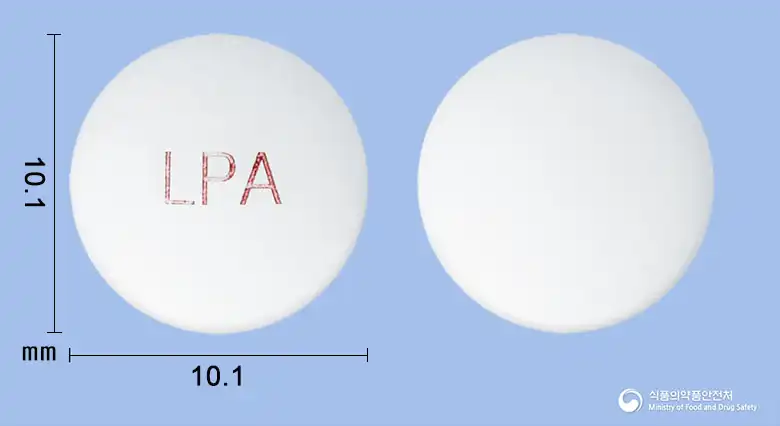
Fenofibric Acid 110mg
Tablet · Prescription medication
Albozen Korea Co., Ltd.
Even with the same ingredient, the dose and directions can differ by strength and dosage form. Talk to a doctor or pharmacist before switching from a medication you are already taking.
No questions yet.
For anything that needs medical judgment, consult a doctor or pharmacist.
This drug information is based on data provided by the Korea Ministry of Food and Drug Safety.
Consult a doctor or pharmacist for accurate dosage, administration, and usage instructions.