
 한국어
한국어 English
 日本語
日本語 中文(简体)
Dosage form image
Viewing nowGlimepiride Tablet 2 mg (Glimepiride)
Glimepiride 20mg
Tablet · Prescription medication
Highple Life Science Co., Ltd.
MFDS item code 201904328 · Approved 2019.06.24
This product's status changed to Approval withdrawn on 2024.03.28. It may no longer be sold, so consult a doctor or pharmacist before taking it.
Improvement in blood sugar control for type 2 diabetes
This medication aids in controlling blood sugar in patients with type 2 diabetes along with dietary and exercise therapy. It can effectively control blood sugar when used alone. If blood sugar control is inadequate with oral hypoglycemic agents alone, it may be used in combination with insulin. Additionally, when control is difficult with sulfonylureas or metformin monotherapy, this medication may be used with metformin to improve blood sugar control. This medication helps to manage blood sugar levels reliably in patients with type 2 diabetes.
Individual adjustments are made for each patient. Swallow without chewing with more than 1/2 cup of water. This medication is taken orally once daily. It should be taken before breakfast or immediately before the first meal. 1. Monotherapy - The initial dose starts at 1 mg of glimepiride, taken once daily. - The dose may be increased by 1 mg every 1-2 weeks. - Generally, doses above 4 mg provide little additional effect.
This medication should not be used in patients with insulin-dependent diabetes, diabetic ketoacidosis, or coma. Additionally, individuals who have had allergic reactions to this medication or sulfonylureas or sulfonamides should not be administered this medication. In patients with severely impaired liver or kidney function, it is recommended to switch to insulin therapy instead of using this medication. Women who are pregnant or may become pregnant and breastfeeding women should not take this medication. Patients with severe infections, before or after surgery, or those with severe trauma may require insulin therapy, making this medication unsuitable. Conditions like diarrhea or vomiting can affect food absorption, increasing the risk of hypoglycemia. This medication contains lactose, so patients with lactose intolerance or related genetic disorders should avoid taking it. During the initial week of dosing, there is a heightened risk of hypoglycemia, requiring careful monitoring. Particularly, older adults, individuals with poor nutritional status or those who skip meals, those with an imbalance between exercise and food intake, and individuals who consume alcohol frequently are at increased risk of hypoglycemia. Patients with impaired kidney or liver function, as well as those who overdose on this medication, should also be cautious regarding hypoglycemia. Endocrine disorders such as thyroid abnormalities or adrenal insufficiency should also be considered for careful administration. When taking this medication with other drugs, interactions may alter the risk of hypoglycemia, so consultation with a doctor or pharmacist is necessary. Individuals allergic to Yellow No. 4 (Tartrazine) present in this medication should also exercise caution. Symptoms of hypoglycemia may occur while taking this medication, including headache, severe hunger, nausea, fatigue, anxiety, confusion, visual disturbances, dizziness, drowsiness, and reduced consciousness. Hypoglycemia can be rapidly controlled by sugar intake, so it is important to always carry sugar. Temporary blurred vision, gastrointestinal disturbances, liver dysfunction, blood abnormalities, and allergic reactions may occur rarely; symptoms should be promptly reported to healthcare personnel. While taking this medication, regular meals, exercise, and weight management should be practiced, and blood sugar control should be continuously monitored. Teaching patients and their families about the risks and symptoms of hypoglycemia, as well as treatment methods, is essential. Especially in situations of severe stress, surgery, or infection, blood sugar control may become challenging, necessitating a switch to insulin therapy. This medication should not be used during pregnancy or lactation due to potential harm to the fetus and newborn; insulin therapy should be switched if necessary. It is not used in children under 18 years of age as safety and efficacy have not been established. Elderly patients may require dose adjustments due to decreased kidney function. In cases of overdose, severe hypoglycemia may occur, necessitating immediate treatment at a medical institution, with emergency measures such as inducing vomiting, blocking drug absorption, or administering glucose injections if necessary.
Hives, severe swelling (edema), chest tightness, difficulty breathing, cold sweat, pallor, severe rash with fever, blistering, peeling skin, pain in oral/ocular mucosa, shortness of breath or difficulty breathing, asthma attack, breathing difficulties accompanied by cough and fever, yellowing of skin or eyes (jaundice), extreme lethargy, sudden and severe headache, thunderclap headache, seizures, confusion of consciousness, visual disturbances, paralysis, urination
Not everyone experiences these, and they can vary from person to person.
This medication may be sensitive to air or moisture, so it should be stored in a sealed container. It is best to maintain a storage temperature in the range of 1 degree to 30 degrees Celsius. Storing it this way preserves the effectiveness of the medication.
Green rectangular tablet
30 tablets/bottle, 100 tablets/bottle
Even with the same ingredient, strength, dosage form and how it is taken can differ.
Glimepiride 20mg
Tablet · Prescription medication
Highple Life Science Co., Ltd.
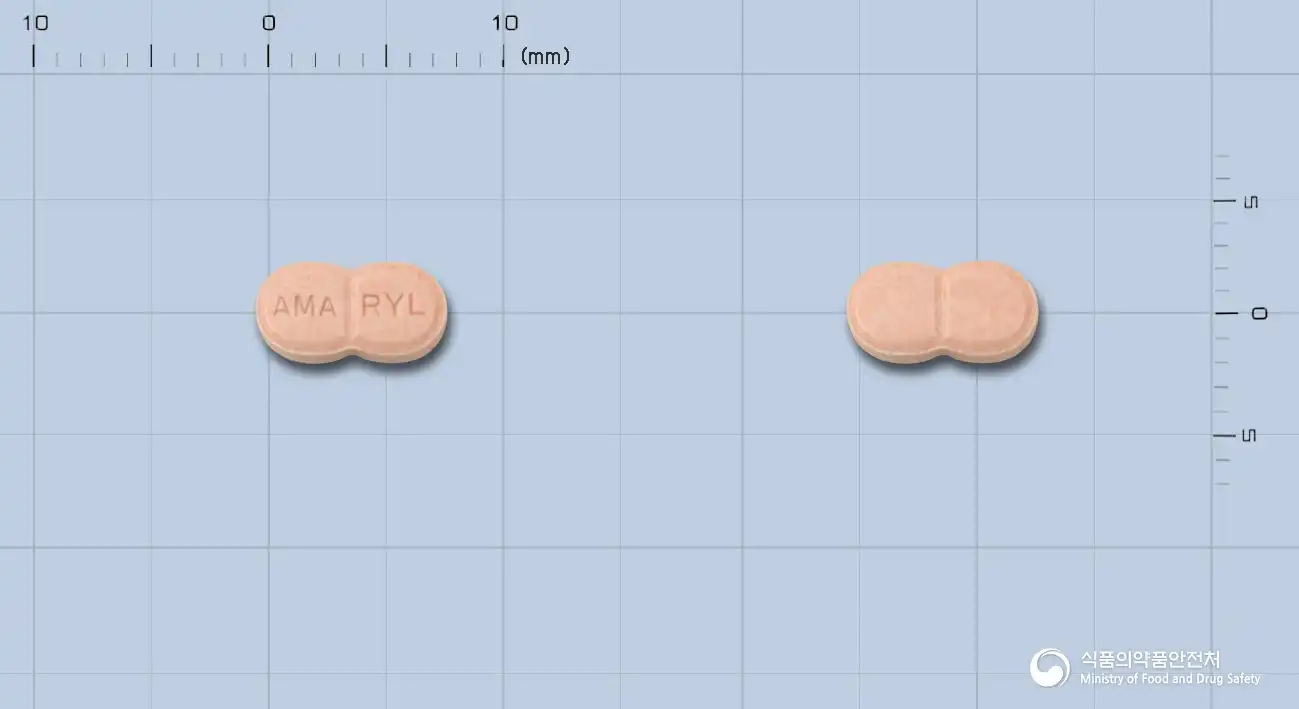
Glimepiride 1mg
Tablet · Prescription medication
Handok Co., Ltd.
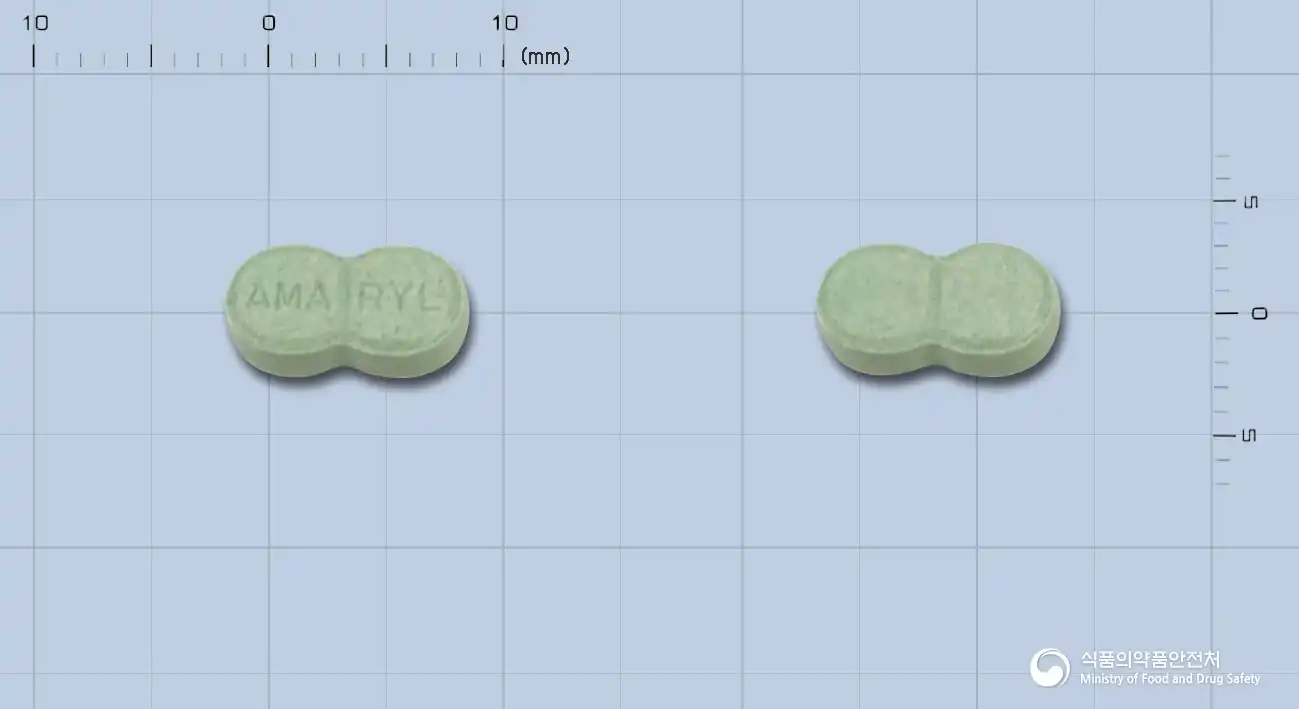
Glimepiride 2mg
Tablet · Prescription medication
Handok Co., Ltd.
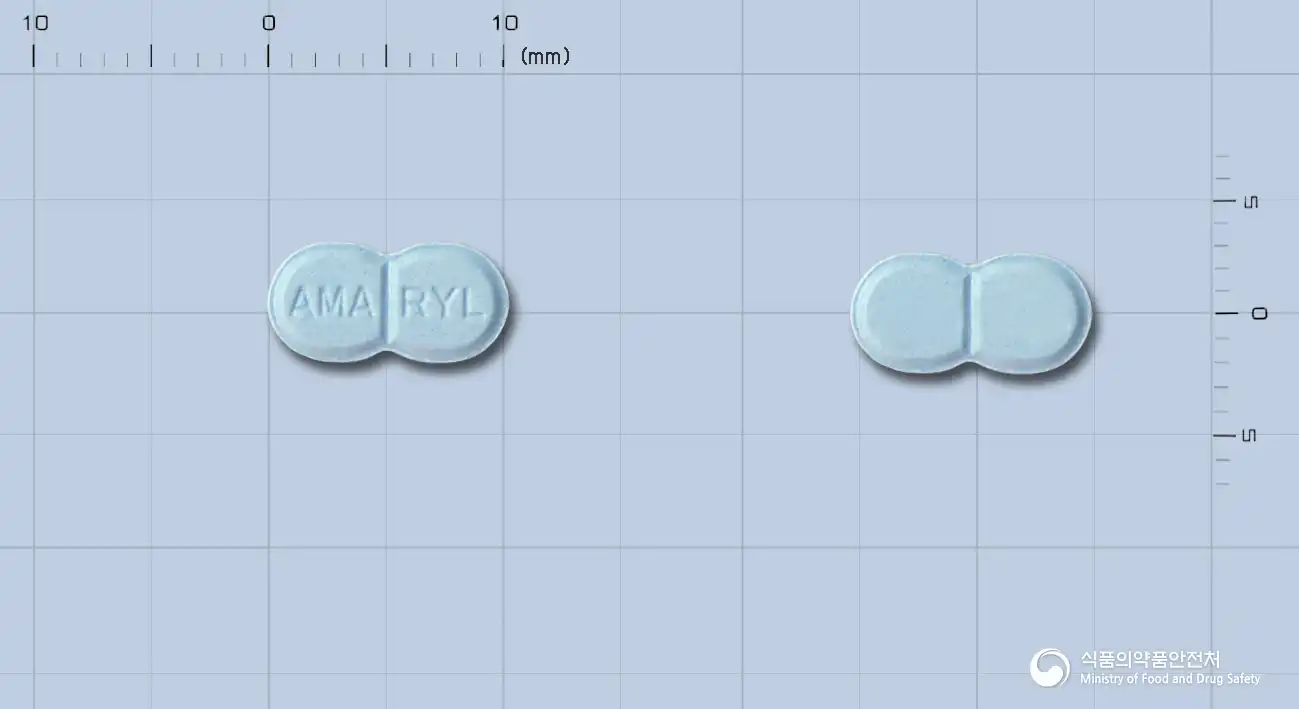
Glimepiride 4mg
Tablet · Prescription medication
(Hanmi Pharmaceutical Co., Ltd.)
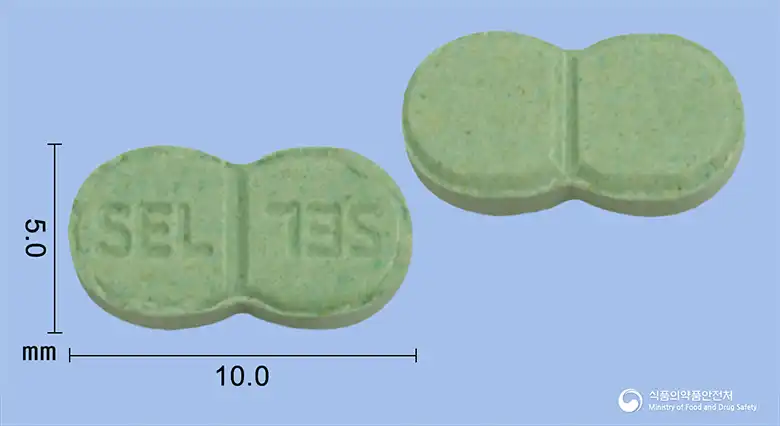
Glimepiride 2mg
Tablet · Prescription medication
Seoul Pharmaceutical Co., Ltd.
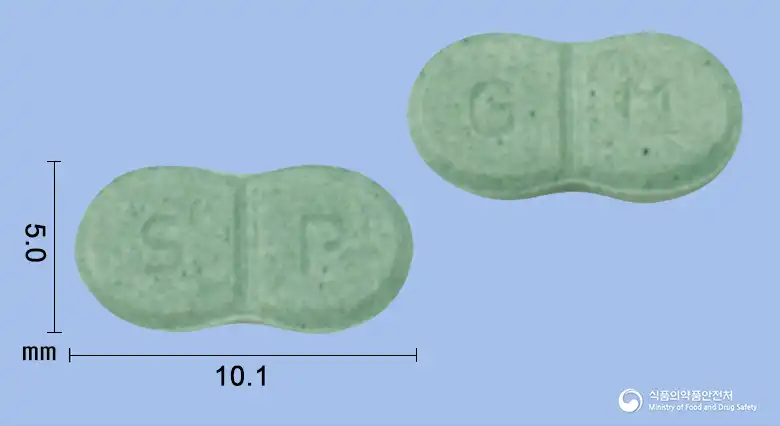
Glimepiride 2mg
Tablet · Prescription medication
Shinpoong Pharmaceutical Co., Ltd.
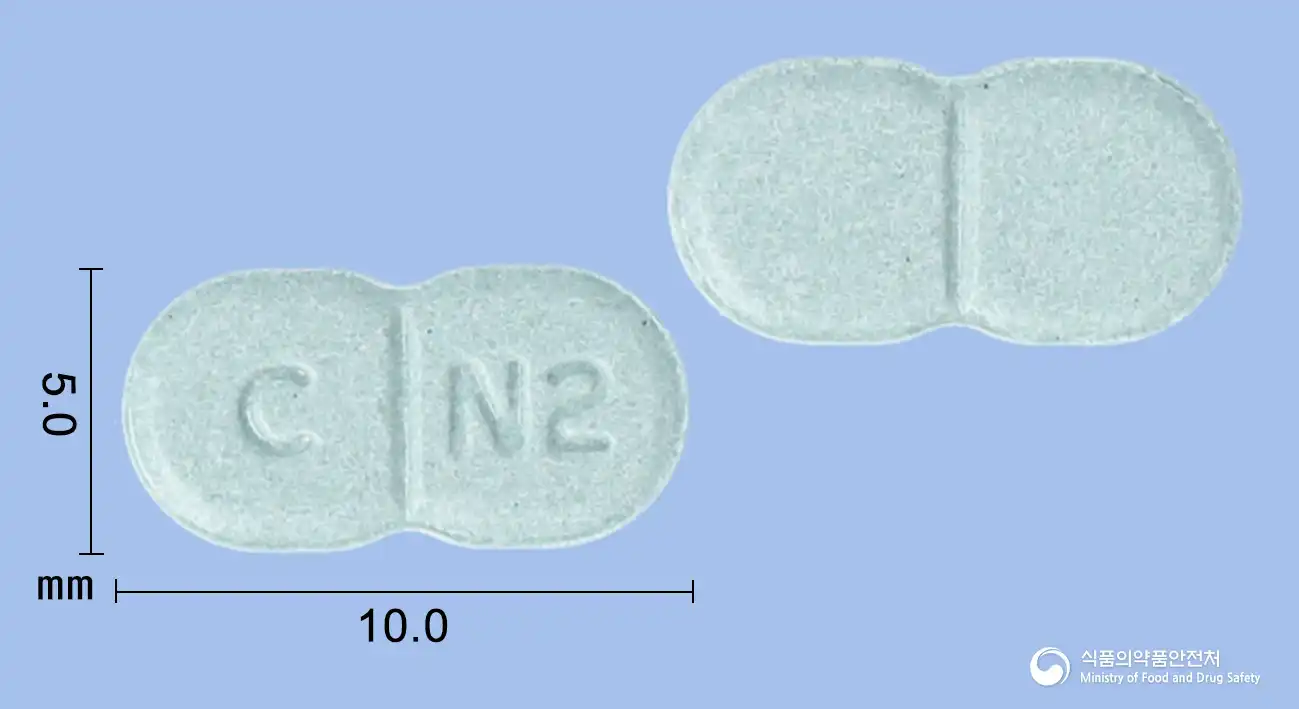
Glimepiride 2mg
Tablet · Prescription medication
Jongkundang Co., Ltd.
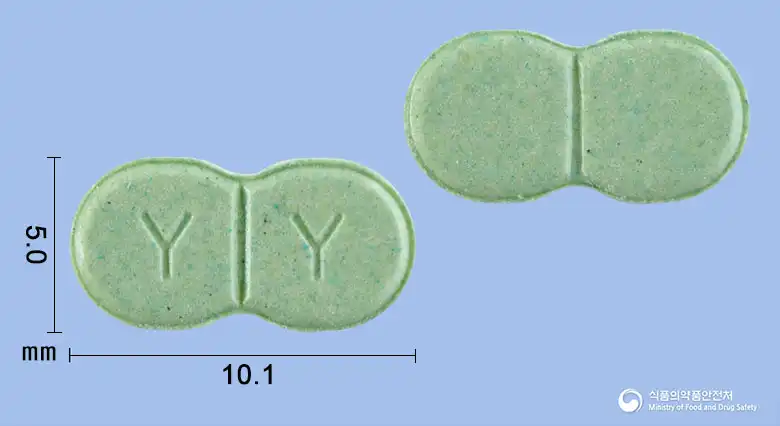
Glimepiride 2mg
Tablet · Prescription medication
IYun Pharmaceuticals Co., Ltd.
Even with the same ingredient, the dose and directions can differ by strength and dosage form. Talk to a doctor or pharmacist before switching from a medication you are already taking.
No questions yet.
For anything that needs medical judgment, consult a doctor or pharmacist.
This drug information is based on data provided by the Korea Ministry of Food and Drug Safety.
Consult a doctor or pharmacist for accurate dosage, administration, and usage instructions.