
 한국어
 English
 日本語
 中文(简体)
 Viewing now
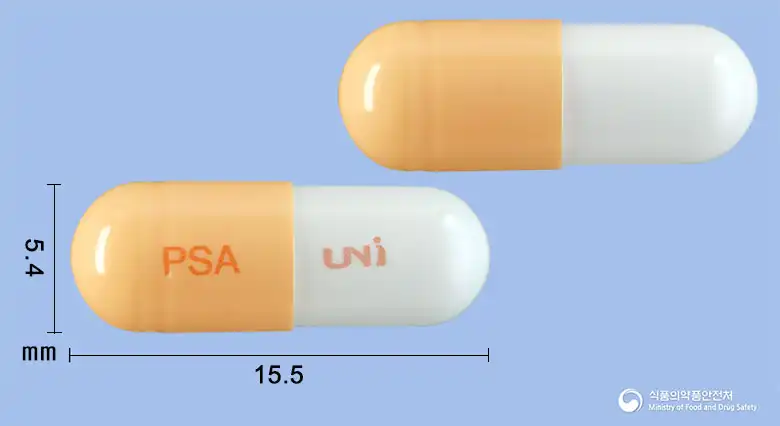
Peace A Capsule 0.2 mg (Tamsulosin Hydrochloride)
Tamsulosin Hydrochloride 0.2mg
Prescription medication
Unimed Pharmaceutical Co., Ltd.
MFDS item code 201904278 · Approved 2019.06.20 · Insurance code 649507890
Improvement of voiding disorders associated with benign prostatic hyperplasia
This medication is used to improve urination disorders caused by benign prostatic hyperplasia, such as frequent urination or difficulty urinating.
Adults: Administer 0.2 mg of tamsulosin hydrochloride orally once daily after a meal. Swallow this medicine whole; do not crush or chew it. Adjust the dose as appropriate according to symptoms.
This medication is an alpha-1 blocker, primarily used to relieve symptoms related to benign prostatic hyperplasia. This medication should not be used in certain patients. For example, patients who have had an allergy to this medicine or its components, those with orthostatic hypotension, patients with severely impaired liver function, and pregnant women or women who may become pregnant should not take this medication. Additionally, patients with severely impaired kidney function, elderly patients, and those taking certain other medications should use this medication with caution. In particular, the risk of side effects may increase when taken with antihypertensives, PDE5 inhibitors, or CYP3A4 inhibitors, so caution is advised. During treatment with this medication, side effects such as dizziness, low blood pressure, heart rhythm abnormalities, dyspepsia, and skin rashes may occur. In severe cases, loss of consciousness or fainting may happen, so if any symptoms arise, notify the hospital immediately. Care must be taken to avoid overdose when taking this medication, especially since blood pressure may drop and cause dizziness when standing up, so it is recommended to move slowly. If this medication does not produce a therapeutic effect, consider other treatment options such as surgery, and be cautious when driving or performing dangerous tasks to prevent accidents due to drowsiness or dizziness. Particularly, this medication should not be chewed or opened, and must be taken as directed. This medication is not intended for use in children or women. For elderly patients, dosage should be adjusted considering kidney function. When storing, keep it out of reach of children and do not transfer it to other containers. Finally, this medication may rarely affect eye conditions during specific ophthalmic surgeries, so anyone scheduled for surgery should inform their healthcare providers.
Not everyone experiences these, and they can vary from person to person.
This medication should be stored in a tightly closed container to prevent air or moisture from entering. It is best to maintain the storage temperature between 1°C and 30°C room temperature. This will help preserve the medication's effectiveness and safety over time.
Capsules with a dark apricot-colored upper part and a white lower part containing white to pale yellow pellets
For domestic use - 30 capsules/bottle, For domestic use - 60 capsules/bottle
Even with the same ingredient, strength, dosage form and how it is taken can differ.
Viewing nowTamsulosin Hydrochloride 0.2mg
Prescription medication
Unimed Pharmaceutical Co., Ltd.
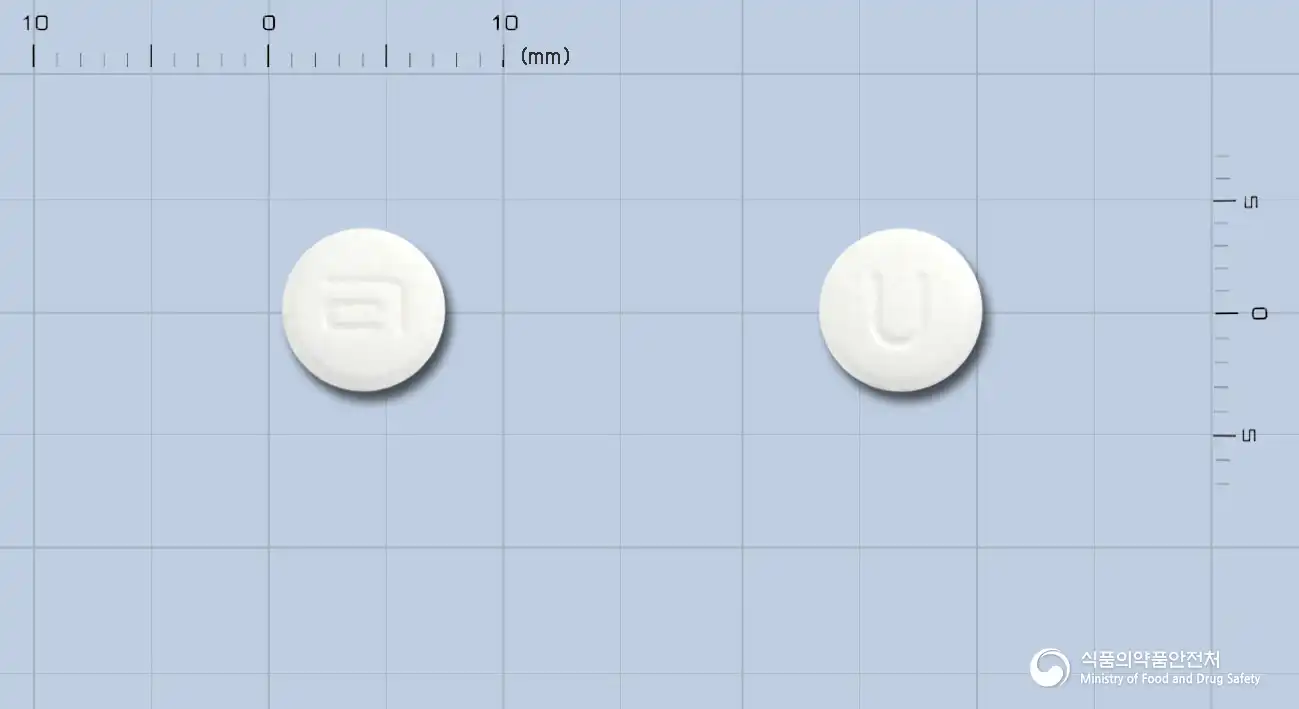
Tamsulosin Hydrochloride 0.2mg
Tablet · Prescription medication
Kyungdong Pharmaceutical Co., Ltd.
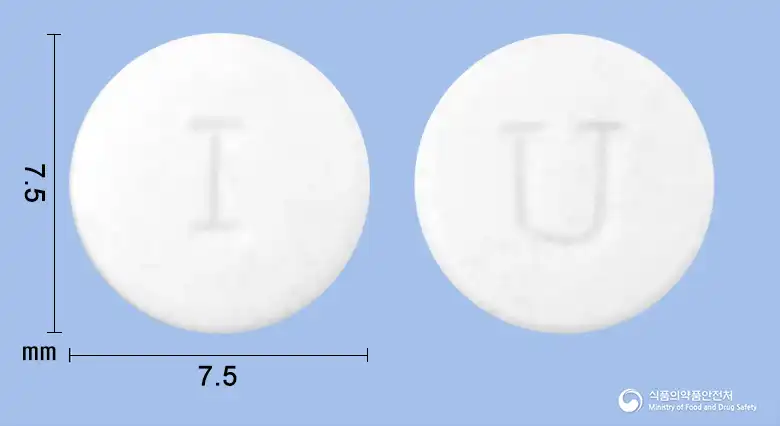
Tamsulosin Hydrochloride 0.2mg
Tablet · Prescription medication
Il Dong Pharmaceutical Co., Ltd.
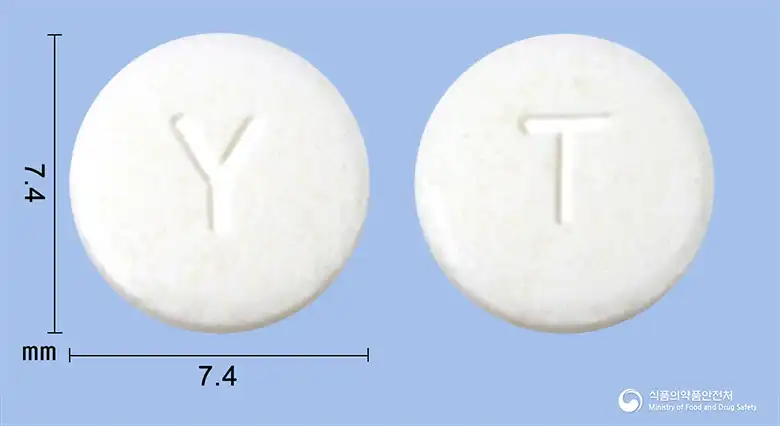
Tamsulosin Hydrochloride 0.2mg
Tablet · Prescription medication
Yuhan Corporation
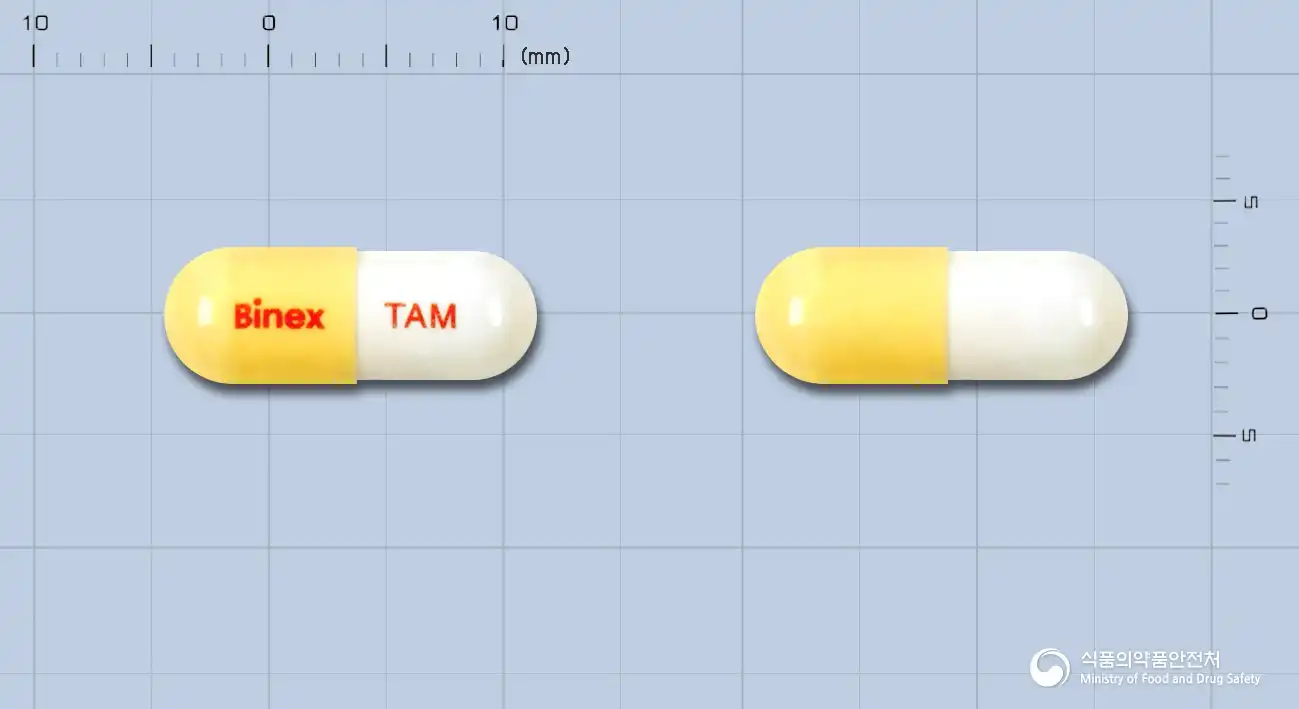
Tamsulosin Hydrochloride 0.2mg
Prescription medication
Bynex Co., Ltd.
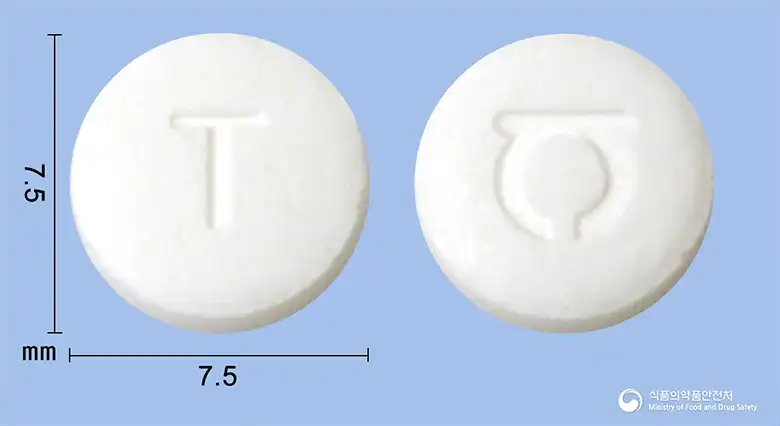
Tamsulosin Hydrochloride 0.2mg
Tablet · Prescription medication
Youngjin Pharmaceutical Co., Ltd.
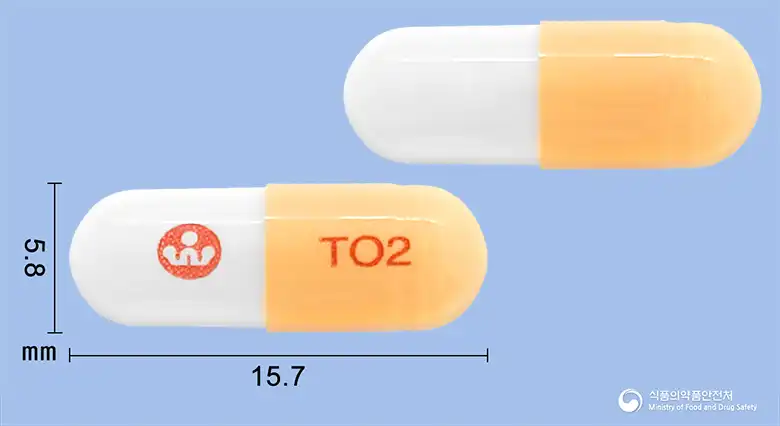
Tamsulosin Hydrochloride 0.2mg
Prescription medication
Han-in Pharmaceutical Co., Ltd.
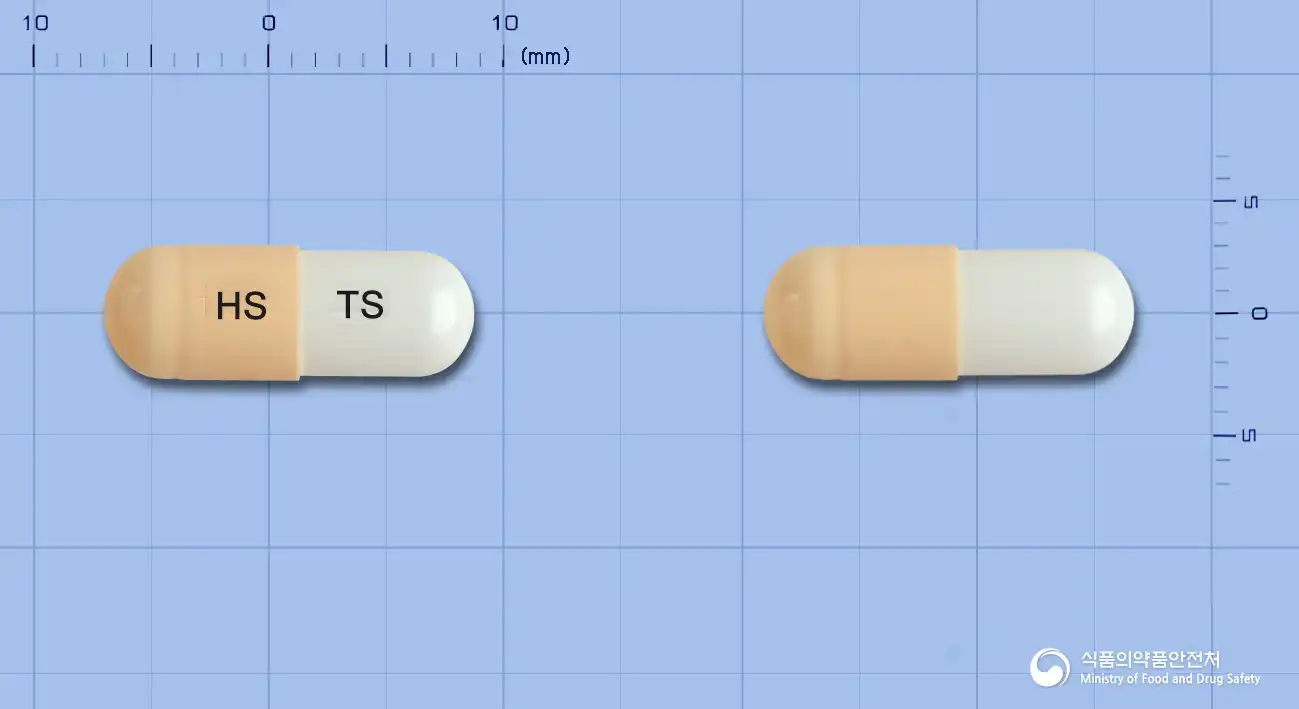
Tamsulosin Hydrochloride 0.2mg
Hard capsule · Prescription medication
Huons Co., Ltd.
Even with the same ingredient, the dose and directions can differ by strength and dosage form. Talk to a doctor or pharmacist before switching from a medication you are already taking.
No questions yet.
For anything that needs medical judgment, consult a doctor or pharmacist.
This drug information is based on data provided by the Korea Ministry of Food and Drug Safety.
Consult a doctor or pharmacist for accurate dosage, administration, and usage instructions.