
 한국어
 English
 日本語
 中文(简体)
Dosage form image
Viewing nowBephodide Tablet (Bephotastine Besilate)
Bepotastine Besylate 10mg
Tablet · Prescription medication
Hi-Ple Life Science Co., Ltd.
MFDS item code 201904212 · Approved 2019.06.17
This product's status changed to Approval withdrawn on 2024.03.28. It may no longer be sold, so consult a doctor or pharmacist before taking it.
Relief of itching associated with chronic urticaria, perennial allergic rhinitis, and skin disorders
This medicine is used to relieve itching associated with perennial allergic rhinitis, chronic urticaria, and various skin conditions such as eczema and dermatitis. That is, it effectively helps treat nasal symptoms caused by allergic rhinitis, skin rashes due to chronic urticaria, and itching from various dermatitis. It is used safely and effectively to improve the patients' uncomfortable symptoms.
The usual dose for adults is 10mg of bepotastine besilate orally twice daily. The dose may also be adjusted appropriately according to age and symptoms.
This drug should not be used by patients with hypersensitivity to the ingredients. It should be administered cautiously to patients with kidney or liver problems, as well as to elderly patients. Clinical trials have shown that symptoms such as drowsiness, headaches, dizziness, nausea, and vomiting may occur. Hypersensitivity reactions including changes in blood counts, elevated liver enzyme levels, and skin rashes have also been reported. Drowsiness may occur while taking this medication, so driving or operating dangerous machinery should be avoided. If a patient has been on long-term steroid treatment, the steroid dosage should be gradually reduced when starting this medication. For patients with decreased kidney function, the blood concentration of this drug may increase, so it should be started at a low dose initially, and their condition should be carefully monitored. The efficacy of this drug has not been sufficiently studied in patients with seasonal allergic rhinitis, so caution should be taken according to the season when used. If no effect is observed, it is advisable not to continue taking it long-term. Excessive alcohol intake should be avoided when taking this drug with other antihistamines. Pregnant women or women who may become pregnant should preferably avoid this drug; if unavoidable, consultation with a doctor is essential. Women who are breastfeeding should also avoid taking this medication as it may pass through breast milk to the baby, and breastfeeding should be avoided if possible. Safety in children has not been sufficiently confirmed, so it should be administered cautiously to children. Elderly patients may have reduced body functions, increasing the risk of elevated blood concentrations, so care should be taken. This drug may interfere with allergy tests, so it is advisable not to take it before undergoing tests. When taking the medication, it should be taken out of the packaging and care should be taken not to swallow the packaging. Finally, this medication should be stored out of reach of children, in a cool, dry place at a temperature below 30 degrees Celsius.
Not everyone experiences these, and they can vary from person to person.
This medication should be stored in a tightly closed container to prevent exposure to air or moisture. It is important to maintain a storage temperature between 1 and 30 degrees Celsius. This will safely preserve the medication's efficacy for a longer duration.
White film-coated tablets with a score line
60 tablets (10 tablets/PTP X 6), 300 tablets/bottle, 30 tablets/bottle
Even with the same ingredient, strength, dosage form and how it is taken can differ.
Bepotastine Besylate 10mg
Tablet · Prescription medication
Hi-Ple Life Science Co., Ltd.
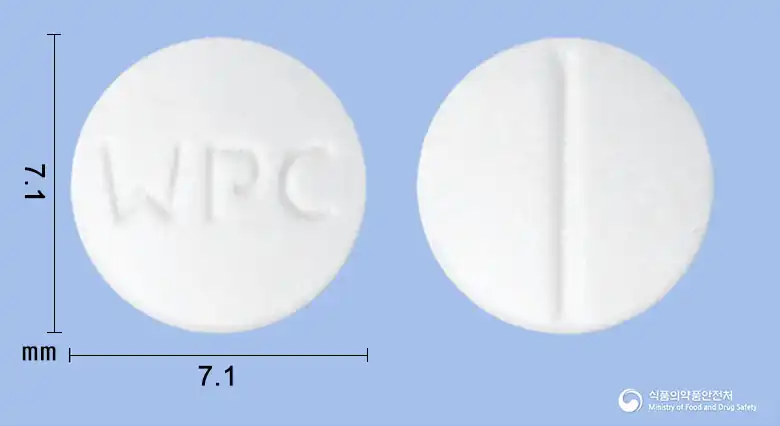
Bepotastine Besylate 10mg
Tablet · Prescription medication
Hanin Pharmaceutical Co., Ltd.
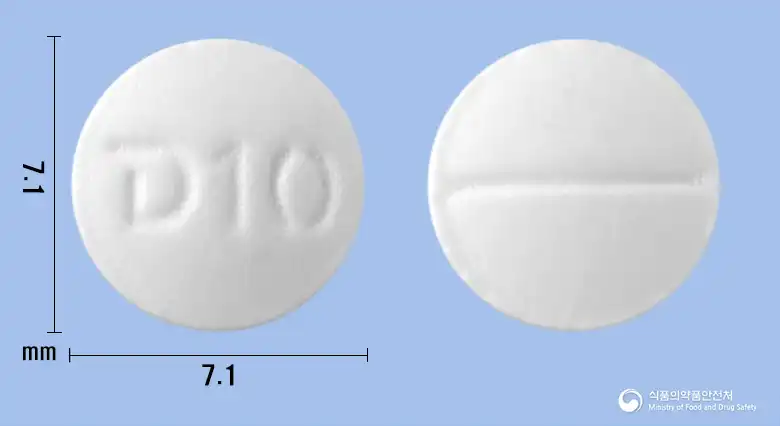
Bepotastine Besylate 10mg
Tablet · Prescription medication
Daehan New Pharm Co., Ltd.
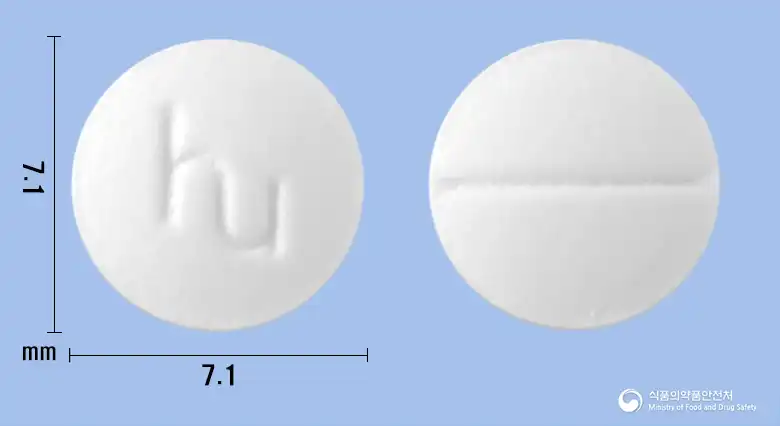
Bepotastine Besylate 10mg
Tablet · Prescription medication
Huons Co., Ltd.
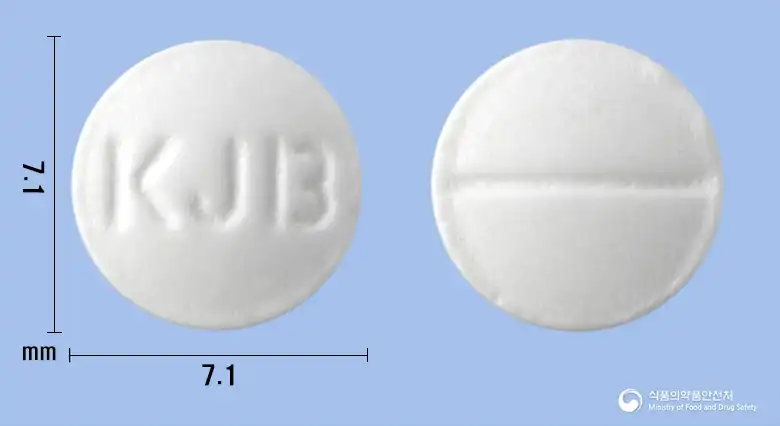
Bepotastine Besylate 10mg
Tablet · Prescription medication
International Pharmaceuticals Co., Ltd.
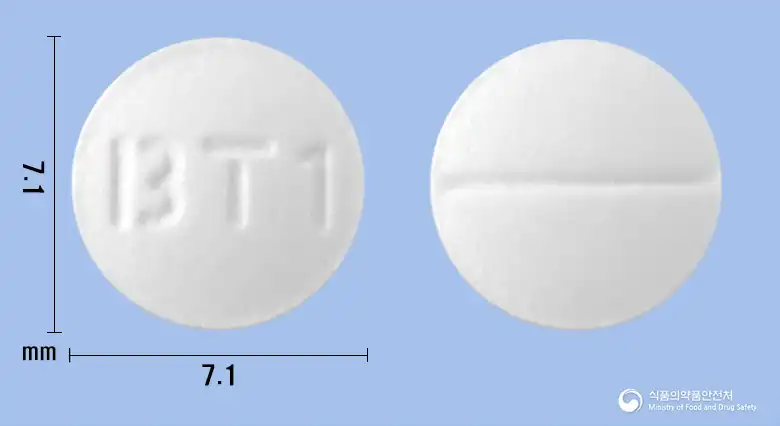
Bepotastine Besylate 10mg
Tablet · Prescription medication
Hyundai Pharmaceutical Co., Ltd.
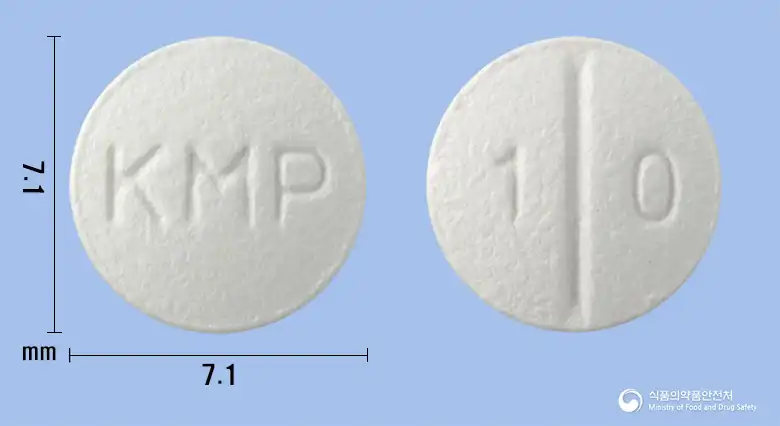
Bepotastine Besylate 10mg
Tablet · Prescription medication
Genupharm Co., Ltd.
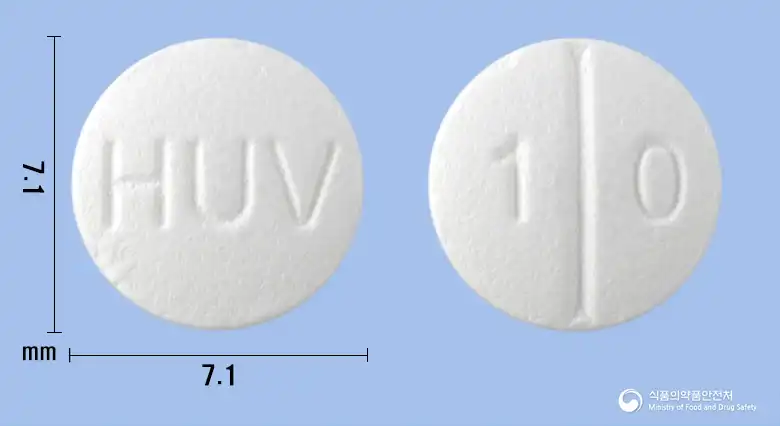
Bepotastine Besylate 13mg
Tablet · Prescription medication
Huvis Pharmaceutical Co., Ltd.
Even with the same ingredient, the dose and directions can differ by strength and dosage form. Talk to a doctor or pharmacist before switching from a medication you are already taking.
No questions yet.
For anything that needs medical judgment, consult a doctor or pharmacist.
This drug information is based on data provided by the Korea Ministry of Food and Drug Safety.
Consult a doctor or pharmacist for accurate dosage, administration, and usage instructions.