
 한국어
한국어 English
 日本語
日本語 中文(简体)
 Viewing now
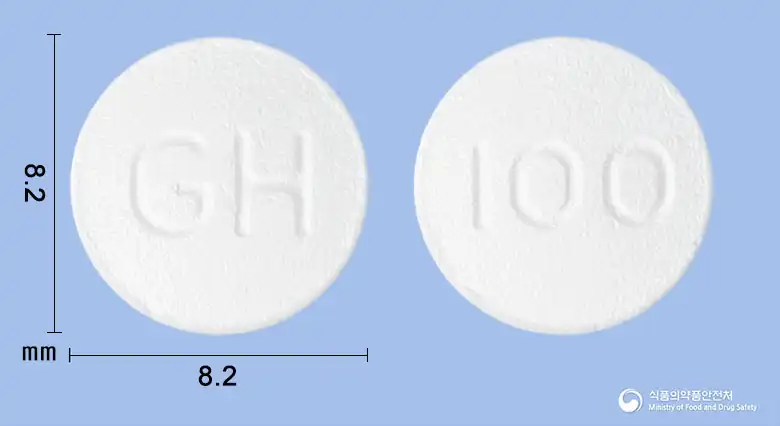
Levofloxacin 100 mg Tablets (Levofloxacin Hemihydrate)
Levofloxacin Hydrate 102.49mg
Tablet · Prescription medication
Hanpoong Pharm Co., Ltd.
MFDS item code 201903868 · Approved 2019.06.14 · Insurance code 658106420
Treatment of complex skin and soft tissue infections, secondary infections in chronic respiratory diseases, etc.
This medication is effective against various bacterial infections and is used for several conditions. It includes major effective bacterial strains like Staphylococcus, Streptococcus, Pneumococcus, Escherichia coli, Pseudomonas aeruginosa, Haemophilus influenzae, among others. It can be used for complex skin and soft tissue infections, respiratory infections such as chronic bronchitis or pneumonia, urinary tract infections, gonococcal and non-gonococcal urethritis, bacterial dysentery, and gastroenteritis. It is also applicable for the treatment of various infectious diseases such as intrauterine infections, eye-related inflammations, otitis media, sinusitis, periodontal disease, and cholecystitis. However, as a fluoroquinolone antibiotic, it may have severe adverse reactions, so it is recommended to use it only when other treatment methods are unavailable. This medication is effective in treating various infectious diseases.
For usual adults, administer 100 mg orally 2-3 times a day as levofloxacin. For severe cases or if the response is inadequate, administer 200 mg orally 3 times a day. Adjust according to age and symptoms.
This medication is an antibiotic used to treat specific bacterial infections. When taking this medication, there is a risk of serious side effects such as tendonitis or tendon rupture, peripheral neuropathy, central nervous system disorders, and exacerbation of myasthenia gravis, which require caution. If any of these symptoms occur, stop taking this medication immediately and consult a healthcare professional. Patients with a history of myasthenia gravis may experience worsening symptoms with this medication, so it should not be administered to them. Additionally, this medication should only be used for specific infections like acute bacterial sinusitis, acute exacerbations of chronic bronchitis, simple urinary tract infections, and acute otitis media, and only when other treatment methods are unavailable. Avoid concomitant use with corticosteroids, as it increases the risk of tendon rupture. If pain or inflammation occurs in the shoulders, hands, Achilles tendon, etc., take a rest immediately, refrain from activity, and inform your healthcare provider. This medication can affect the central nervous system and increase seizure risk, so caution is needed in patients with epilepsy or a history of convulsions. Elderly patients, those with impaired kidney function, and patients with diabetes are at higher risk for side effects, requiring dosage adjustments and careful monitoring. This medication should not be administered to patients with certain genetic disorders, pregnant or breastfeeding women, and adolescents under 18 years of age. Severe allergic reactions such as hives, difficulty breathing, and hypotensive shock may occur due to hypersensitivity, so discontinue use immediately if any unusual symptoms arise. During use, insomnia, dizziness, headache, anxiety, depression, hallucinations, seizures, and other neuropsychiatric symptoms may occur, requiring caution. Reports of cardiac-related side effects such as arrhythmias or QT interval prolongation have also been noted, so patients with heart disease should be particularly cautious. Various side effects such as liver dysfunction, worsening kidney function, blood disorders, gastrointestinal discomfort, musculoskeletal disorders, and skin rash may occur, so consult a healthcare professional if there are any unusual symptoms. Avoid strong sunlight or artificial UV exposure during use, and be cautious about dizziness or drowsiness when driving or operating machinery. Also, this medication may interact with other drugs, so inform your healthcare provider about any concurrent medications, particularly antidiabetic agents, anticoagulants, and antacids. In case of overdose, central nervous system symptoms and cardiac abnormalities may arise, requiring immediate medical attention. Blood dialysis or peritoneal dialysis cannot remove this medication. It is advisable to administer this medication only for the necessary duration following susceptibility testing to prevent the development of resistant bacteria.
Insomnia, dizziness, headache, tremors, anxiety, depression, psychiatric reactions (hallucinations, paranoia, nervousness, delirium, disorientation, attention deficit, nightmares, sleep disorders, suicidal thoughts), restlessness, confusion, visual and auditory disturbances, taste and smell disorders, tinnitus, mania, sensory abnormalities, sensory loss, sensory disturbances, weakness, palpitations, nausea, diarrhea, vaginitis, abdominal pain, bloating, itching, rash, dyspepsia, stomatitis, glossitis,
Not everyone experiences these, and they can vary from person to person.
Store this medication in a tightly closed container to protect it from air and moisture. It is recommended to maintain a storage temperature between 1 degree and 30 degrees Celsius at room temperature.
White to off-white round film-coated tablets
30 tablets/bottle, 500 tablets/bottle
Even with the same ingredient, strength, dosage form and how it is taken can differ.
Viewing nowLevofloxacin Hydrate 102.49mg
Tablet · Prescription medication
Hanpoong Pharm Co., Ltd.
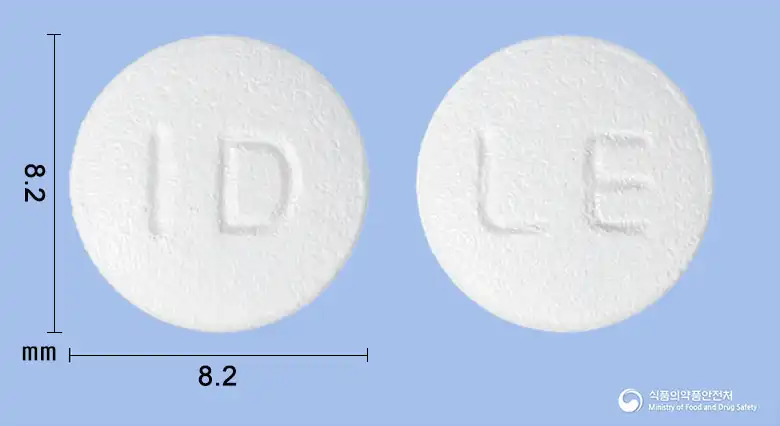
Levofloxacin Hydrate 100mg
Tablet · Prescription medication
Ildong Pharmaceutical Co., Ltd.

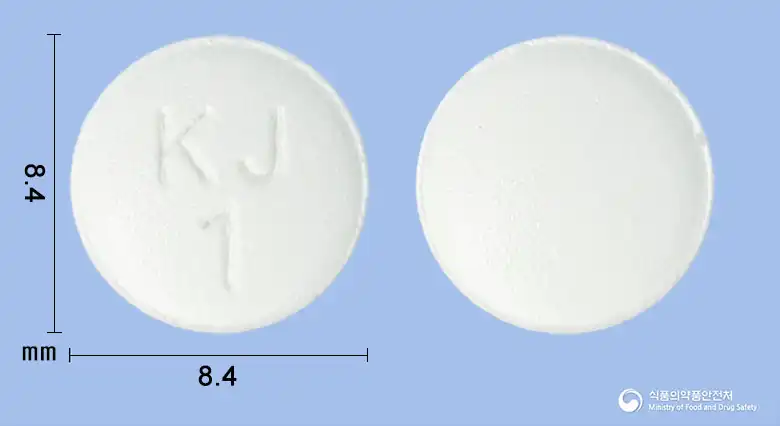
Levofloxacin 100mg
Tablet · Prescription medication
Jeil Pharmaceutical Co., Ltd.
Levofloxacin Hydrate 100mg
Tablet · Prescription medication
International Pharmaceuticals Co., Ltd.
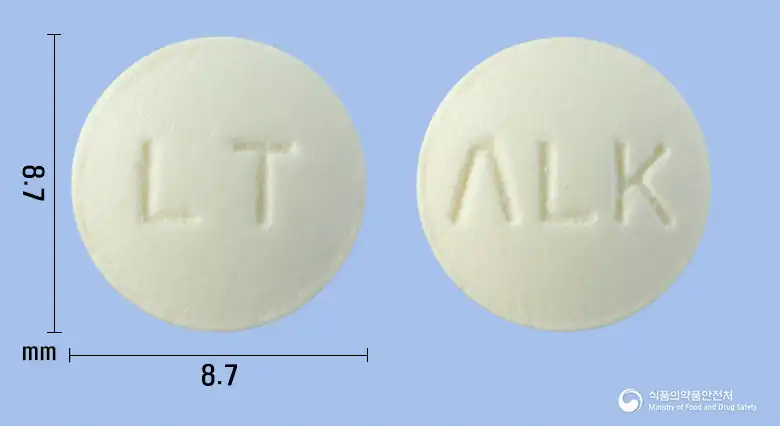
Levofloxacin 5.1246mg
Prescription medication
Jeil Pharmaceutical Co., Ltd.
Levofloxacin Hydrate 100mg
Tablet · Prescription medication
SS Pharm Co., Ltd.
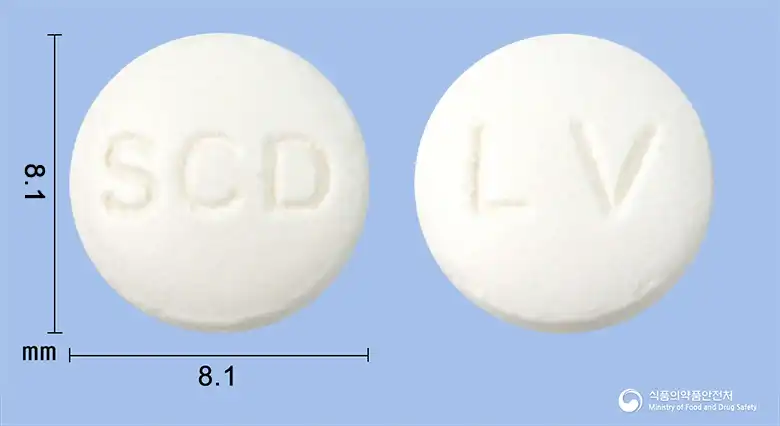
Levofloxacin Hydrate 102.49mg
Tablet · Prescription medication
Samchundang Pharmaceutical Co., Ltd.
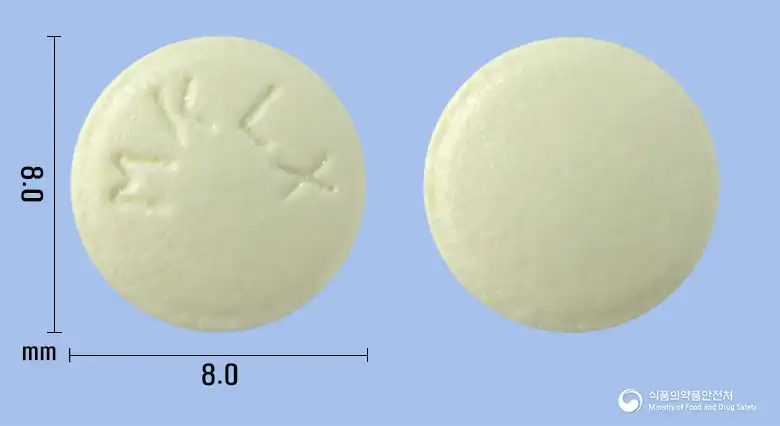
Levofloxacin Hydrate 100mg
Tablet · Prescription medication
Medica Korea Co., Ltd.
Even with the same ingredient, the dose and directions can differ by strength and dosage form. Talk to a doctor or pharmacist before switching from a medication you are already taking.
No questions yet.
For anything that needs medical judgment, consult a doctor or pharmacist.
This drug information is based on data provided by the Korea Ministry of Food and Drug Safety.
Consult a doctor or pharmacist for accurate dosage, administration, and usage instructions.