
 한국어
 English
 日本語
 中文(简体)
Dosage form image
Viewing nowCombinationAclast Duo Syrup (Amoxicillin-Potassium Clavulanate (7:1))
Amoxicillin Hydrate 36.3143g · Dilute Potassium Clavulanate 5.1878g
Syrup · Prescription medication · Combination
Ari Pharmaceutical Co., Ltd.
MFDS item code 201903853 · Notified 2019.06.13 · Insurance code 058200081
Treatment of respiratory and otolaryngologic, genitourinary, skin, bone, and dental infections
This medication is effective against various bacterial infections. It is used for respiratory infections, such as acute and chronic bronchitis and pneumonia, as well as tonsillitis, sinusitis, and otitis media. It is also effective for urinary tract infections, including cystitis, urethritis, and pyelonephritis. It is utilized for treating gonorrhea, pelvic infections, furuncles, abscesses, soft tissue infections, wound infections, osteomyelitis, and dental infections. It improves treatment for a broad range of bacterial infections, including resistant strains producing beta-lactamase.
Administer at the beginning of a meal to minimize potential gastrointestinal intolerance. Absorption of amoxicillin-clavulanate is optimized when administered at the beginning of a meal. <Preparation of this medicine> Pour water to about 2/3 of the marked line, mix well, then add water up to the line and shake thoroughly before use.
For mild to moderate infections such as upper respiratory tract infections including recurrent tonsillitis, lower respiratory tract infections, urinary tract infections, and skin and soft tissue infections, the usual dosage is 25mg/3.6mg per kg of body weight per day as amoxicillin/potassium clavulanate, divided into 2 doses. For severe infections such as upper respiratory tract infections including otitis media and sinusitis, lower respiratory tract infections such as bronchopneumonia, and urinary tract infections, the usual dosage is 45mg/6.4mg per kg of body weight per day as amoxicillin/potassium clavulanate, divided into 2 doses. The 7 : 1 syrup is not suitable for children under 2 months of age. The 7 : 1 syrup is not suitable for pediatric patients with renal impairment.
This medication contains the artificial sweetener aspartame and should not be given to patients with phenylketonuria, a certain hereditary disease. Patients with a history of hypersensitivity reactions to this medication or beta-lactam antibiotics should not use it. Patients with viral infections such as infectious mononucleosis or lymphocytic leukemia may be at risk for rashes, so this medication should be avoided. Patients who have previously experienced jaundice or liver dysfunction due to this medication or penicillin-based drugs are at risk for recurrence and should not be treated with this medication. This medication contains lactose and should not be used in patients with lactose intolerance. Patients with impaired liver or kidney function should use this medication cautiously and adjust the dosing interval as necessary. Patients with allergies, gastrointestinal diseases, the elderly, or those in poor nutritional status should exercise caution. While taking this medication, gastrointestinal symptoms such as diarrhea, abdominal pain, and vomiting may occur; consult a physician immediately if such symptoms appear. If any allergy symptoms emerge, such as abnormal liver function test results, skin rashes, hives, or difficulty breathing, discontinue use immediately and follow medical personnel's instructions. Regular monitoring of liver function, kidney function, and blood tests is important during long-term use. This medication may interact with other medicines, so inform medical personnel of any other medications you are taking. Pregnant or breastfeeding women should only use this medication when necessary, and it is better to avoid it during early pregnancy. Special caution is needed when administering this medication to children and the elderly, and its safety in neonates and premature infants has not been established. In case of overdose, gastrointestinal symptoms, kidney function abnormalities, or allergic reactions may occur, so it is important to adhere to the prescribed dosage. Store this medication in a sealed container to protect it from air or moisture, preferably in a dry place below 25 degrees. This will help maintain the effectiveness of the medication.
Not everyone experiences these, and they can vary from person to person.
This medication should be stored in a sealed container to protect it from air or moisture, preferably in a dry place below 25 degrees. Proper storage will help maintain the medication's effectiveness.
A syrup preparation in white powder form with a distinctive odor, to be dissolved before use
50 milliliters per bottle
Even with the same ingredient, strength, dosage form and how it is taken can differ.
Amoxicillin Hydrate 36.3143g · Dilute Potassium Clavulanate 5.1878g
Syrup · Prescription medication · Combination
Ari Pharmaceutical Co., Ltd.
 Combination
Amoxicillin Hydrate 500mg · Dilute Potassium Clavulanate 215.52mg
Tablet · Prescription medication · Combination
Geonil Pharmaceutical Co., Ltd.
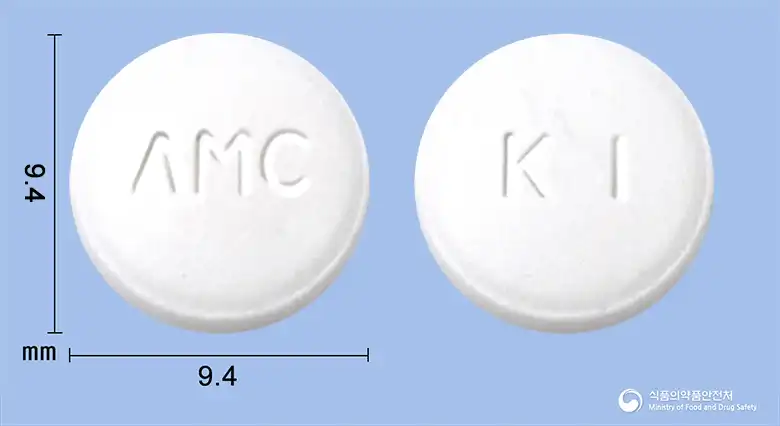 Combination
Amoxicillin Hydrate 125mg · Dilute Potassium Clavulanate 107.76mg
Tablet · Prescription medication · Combination
Geonil Pharmaceutical Co., Ltd.
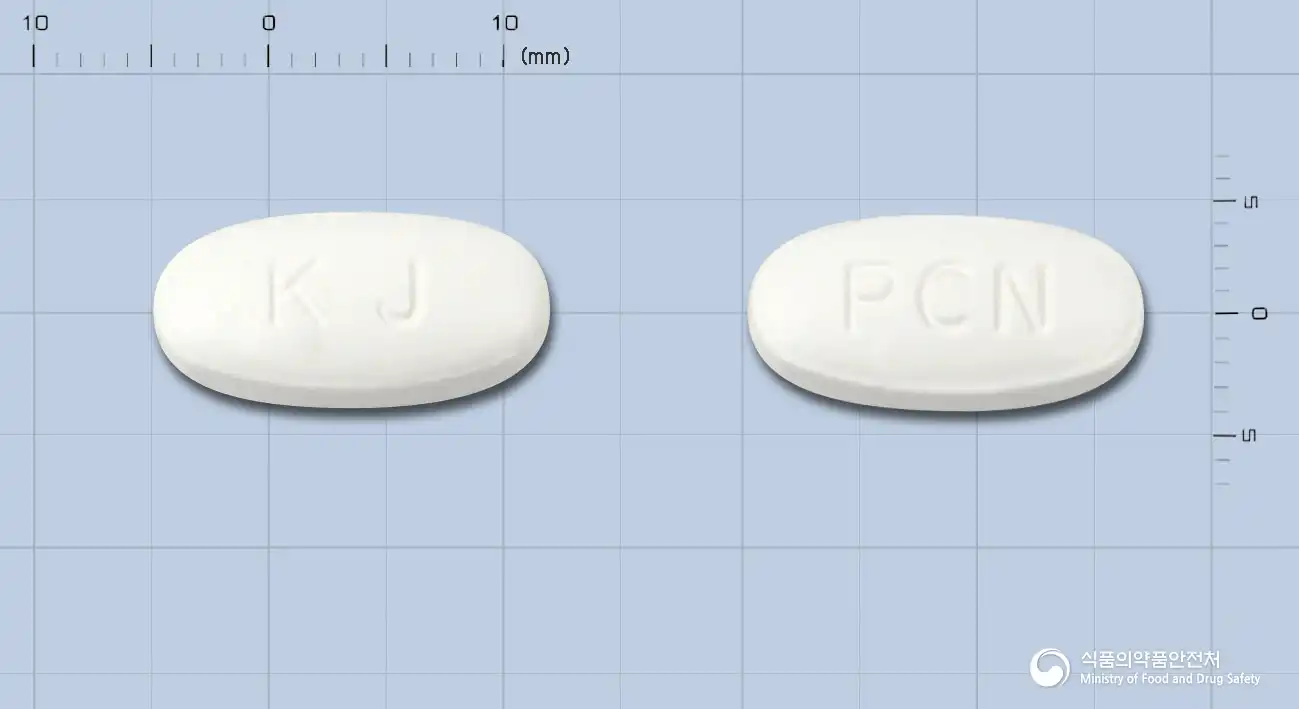 Combination
Amoxicillin Hydrate 250mg · Dilute Potassium Clavulanate 212.73mg
Tablet · Prescription medication · Combination
International Pharmaceutical Co., Ltd.
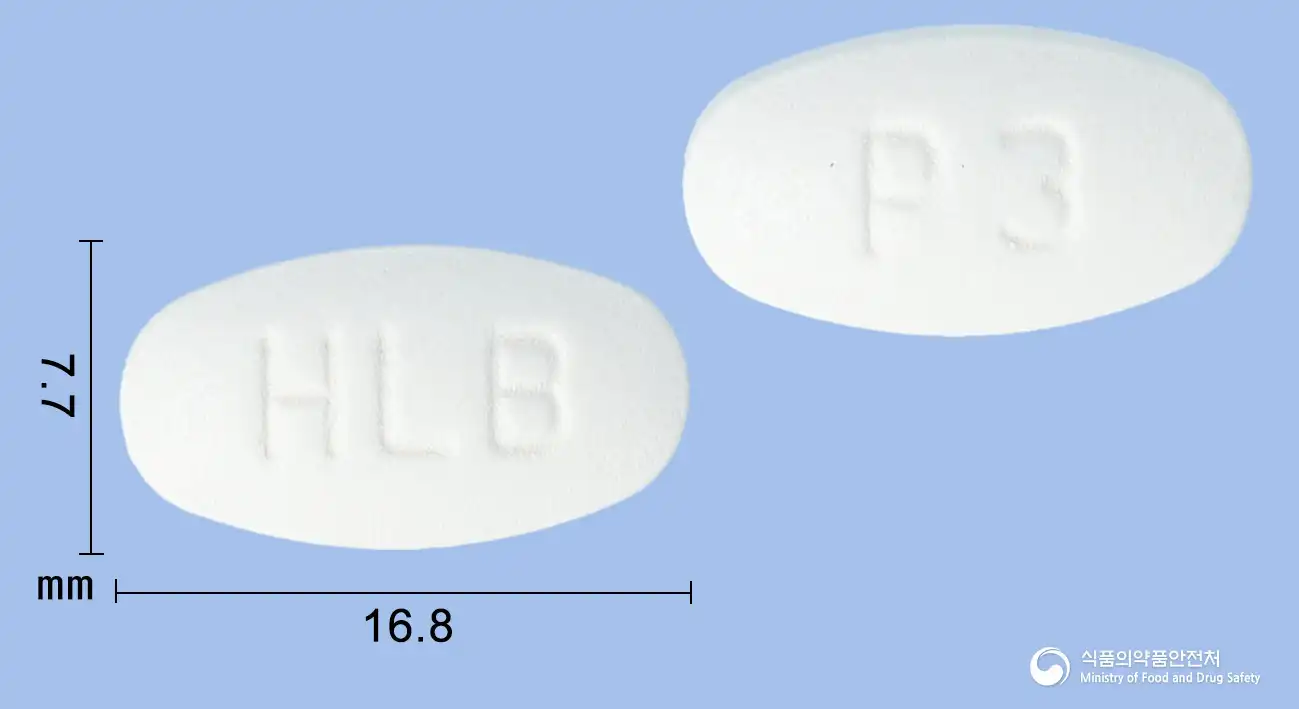 Combination
Amoxicillin Hydrate 250mg · Dilute Potassium Clavulanate 215.52mg
Tablet · Prescription medication · Combination
HLB Pharmaceutical Co., Ltd.
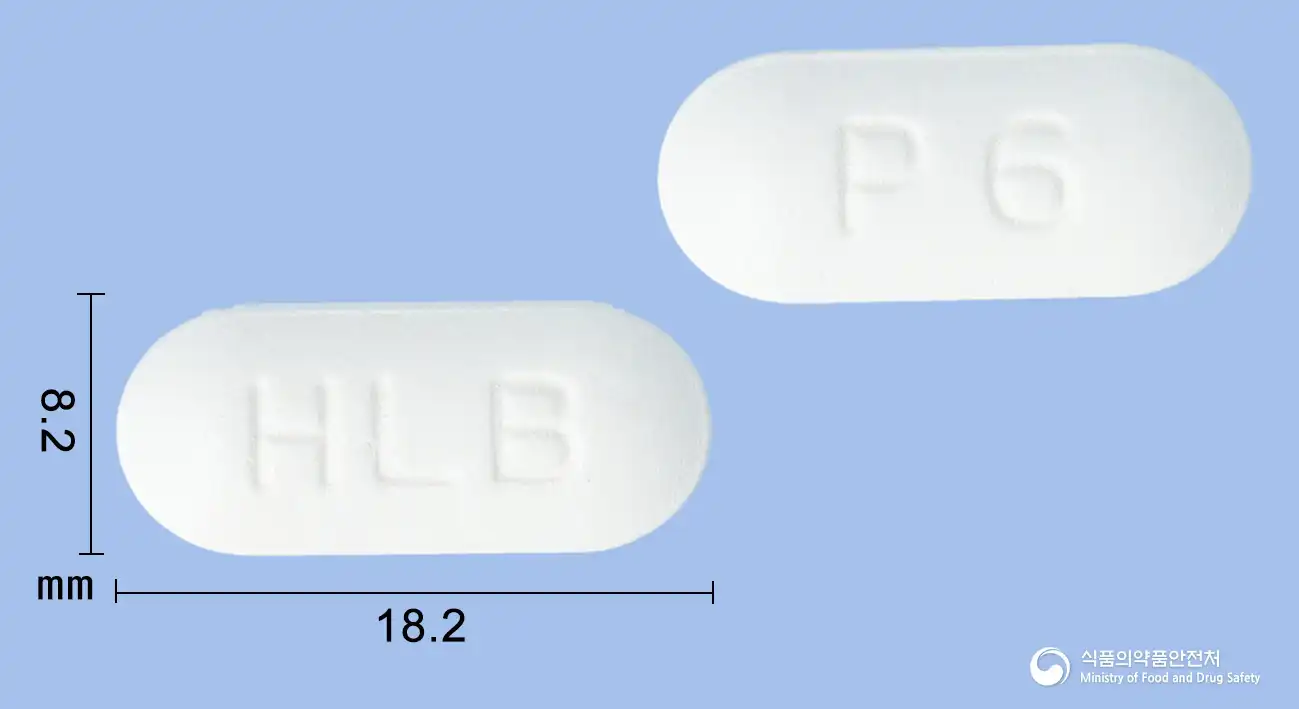 Combination
Amoxicillin Hydrate 500mg · Dilute Potassium Clavulanate 215.52mg
Tablet · Prescription medication · Combination
HLB Pharmaceuticals Co., Ltd.
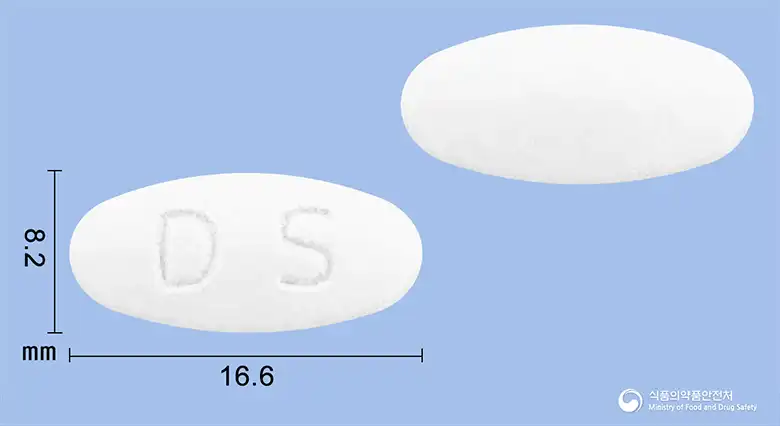 Combination
Amoxicillin Hydrate 250mg · Dilute Potassium Clavulanate 215.52mg
Tablet · Prescription medication · Combination
Dong Sung Pharmaceutical Co., Ltd.
 Combination
Amoxicillin Hydrate 250mg · Dilute Potassium Clavulanate 212.73mg
Tablet · Prescription medication · Combination
Youngjin Pharmaceutical Co., Ltd.
Even with the same ingredient, the dose and directions can differ by strength and dosage form. Talk to a doctor or pharmacist before switching from a medication you are already taking.
No questions yet.
For anything that needs medical judgment, consult a doctor or pharmacist.
This drug information is based on data provided by the Korea Ministry of Food and Drug Safety.
Consult a doctor or pharmacist for accurate dosage, administration, and usage instructions.