
 한국어
한국어 English
 日本語
日本語 中文(简体)
 Viewing nowCombination
Pamflucoff Soft Capsule
Acetaminophen 180mg · Guaifenesin 41mg +3 more
Soft capsule · OTC medication · Combination
Cosmax Pharma Co., Ltd.
MFDS item code 201903798 · Notified 2019.06.10
Relief of cold symptoms (runny nose, nasal congestion, etc.)
This medication is used to relieve various symptoms of colds, including runny nose, nasal congestion, sneezing, sore throat, cough, phlegm, chills, fever, headache, joint pain, and muscle pain. Patients can expect this medication to alleviate uncomfortable symptoms caused by colds and aid in quick recovery. It can be used to effectively improve overall cold symptoms, so it can be taken with confidence.
Aged 15 and older: Take 2 capsules three times a day, 30 minutes after meals.
This medication may put stress on the liver, so individuals who regularly consume more than three drinks a day must consult a doctor or pharmacist before taking it. If any serious skin rash or blistering occurs while taking this medication, discontinue use immediately and consult a specialist. The ingredients in this medication can cause liver damage if the maximum daily dose is exceeded, so it should not be taken with other products containing acetaminophen. Individuals who have had allergic reactions to this medication or experiences of asthma should not take it. Infants under 3 months old and individuals taking certain antidepressants should also avoid this medication. During use, it is safest not to take other cold medications, antipyretics, analgesics, sedatives, or antihistamines together. Children, especially those under 15 years of age, should consult with a specialist before using this medication during varicella or influenza infections. Individuals with allergic dispositions or those with liver, kidney, heart, or various diseases should consult a doctor before use. It is important for pregnant or nursing women to consult a specialist before taking this medication. If symptoms such as skin rashes, vomiting, swelling, or dizziness occur after taking it, discontinue use immediately and consult medical personnel. Immediate medical attention is needed, especially for severe allergic reactions or symptoms of skin and mucous membrane damage. It should not be given to children under 2 years of age, and if necessary, it should follow a doctor's instructions. Strictly adhere to the prescribed dosage and duration, and do not take it long-term. Avoid alcohol while taking this medication, and refrain from driving or operating machinery as drowsiness may occur. Certain drug interactions may affect metabolism, so consult a specialist before combining with specific medications. Taking this medication with certain antibiotics can rarely lead to severe metabolic acidosis, so caution is advised. Store this medication out of reach of children, away from direct sunlight, in a cool, dry place. For quality maintenance, do not transfer it to other containers.
Rash, redness (hyperemia), itching, nausea, vomiting, loss of appetite, constipation, swelling, difficulty urinating, persistent or severe thirst, dizziness, high anion gap metabolic acidosis (HAGMA)
Not everyone experiences these, and they can vary from person to person.
Do not take this medication with MAO inhibitors (antidepressants, antipsychotics, mood stabilizers, anti-Parkinson drugs, etc.), cough suppressants and expectorants, other cold medications, antipyretics, sedatives, and antihistamines that are oral medications (oral remedies for rhinitis, travel sickness medications, allergy medications). Also, consult a doctor or pharmacist if taking with diabetes medications, gout medications, arthritis medications, anticoagulants, steroids, barbiturates, or tricyclic antidepressants.
Do not consume alcohol while taking this medication.
This medication can be sensitive to air or moisture, so it must be stored in a tightly sealed container. Maintain storage temperature between 1 degree and 30 degrees Celsius. Proper storage will help maintain the medication's effectiveness.
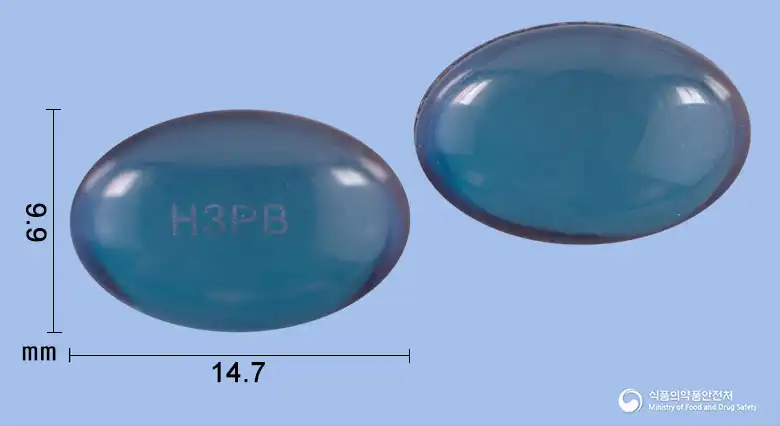
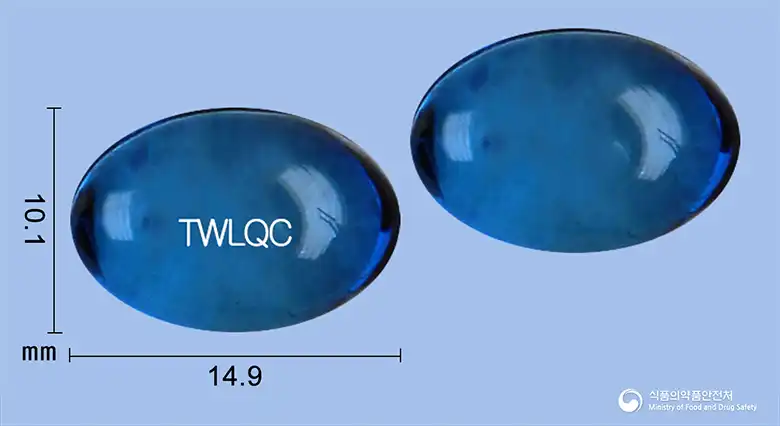
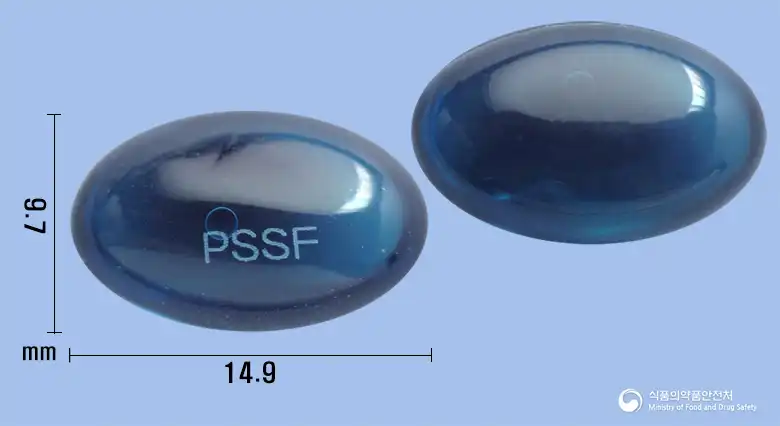
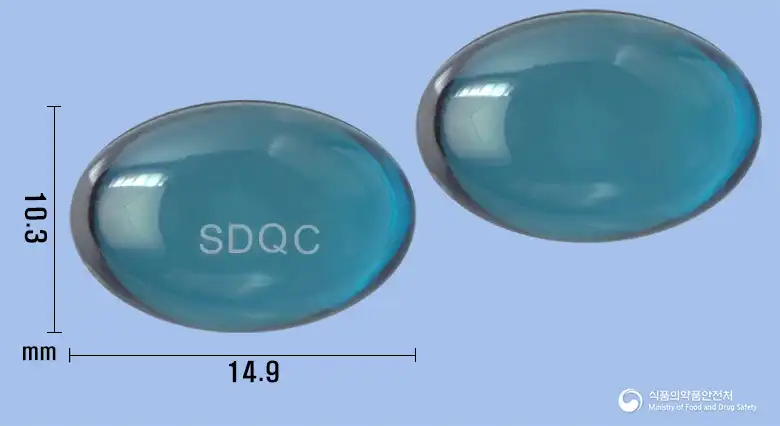
A blue transparent oval-shaped soft capsule filled with a pale yellow transparent liquid.
12 capsules/PTP
Even with the same ingredient, strength, dosage form and how it is taken can differ.
Viewing nowCombinationAcetaminophen 180mg · Guaifenesin 41mg +3 more
Soft capsule · OTC medication · Combination
Cosmax Pharma Co., Ltd.
 Combination
Acetaminophen 180mg · Guaifenesin 41.66mg +3 more
Soft capsule · OTC medication · Combination
Dongwha Pharmaceutical Co., Ltd.
 Combination
Acetaminophen 180mg · Guaifenesin 41.66mg +3 more
Soft capsule · OTC medication · Combination
Cosmax Pharma Co., Ltd.
 Combination
Acetaminophen 180mg · Guaifenesin 41.66mg +3 more
Soft capsule · OTC medication · Combination
Gyeongnam Pharmaceutical Co., Ltd.
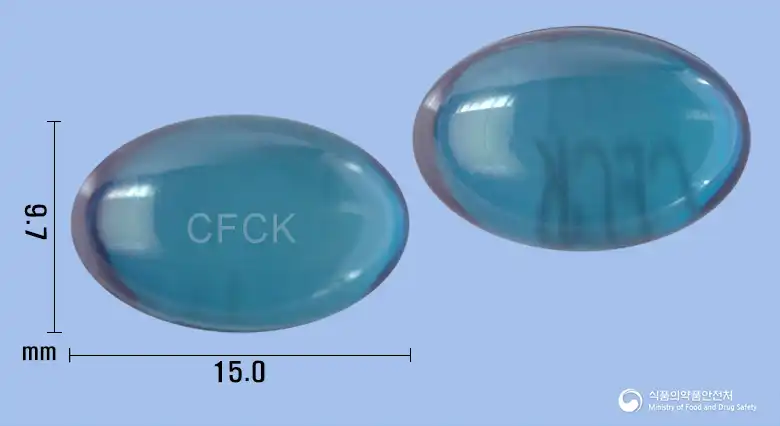 Combination
Acetaminophen 180mg · Guaifenesin 41.66mg +3 more
Soft capsule · OTC medication · Combination
Dongkook Pharmaceutical Co., Ltd.
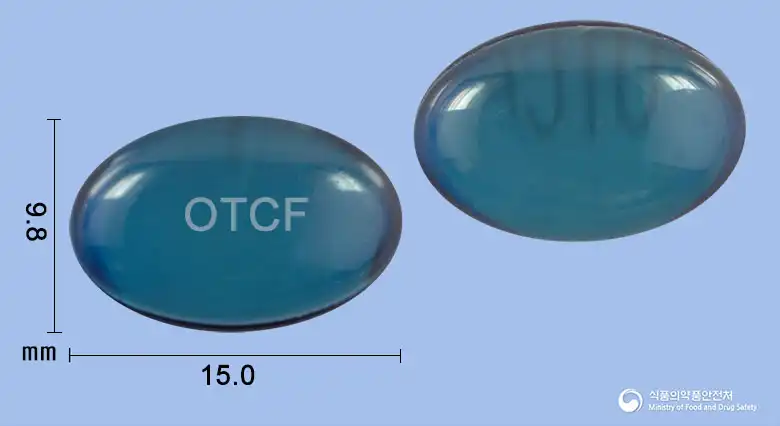 Combination
Acetaminophen 180mg · Guaifenesin 40mg +3 more
Soft capsule · OTC medication · Combination
Cosmax Pharma Co., Ltd.
Acetaminophen 178mg · Guaifenesin 41.66mg +3 more
Soft capsule · OTC medication · Combination
Cosmax Pharma Co., Ltd.
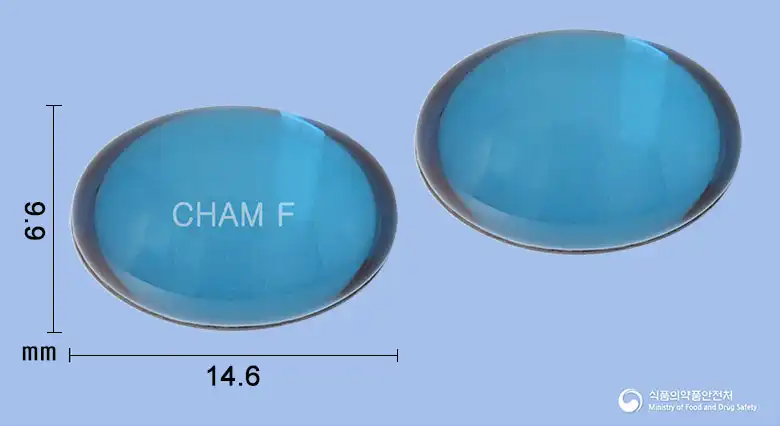 Combination
Acetaminophen 180mg · Guaifenesin 41.55mg +3 more
Soft capsule · OTC medication · Combination
Cosmax Pharma Co., Ltd.
Even with the same ingredient, the dose and directions can differ by strength and dosage form. Talk to a doctor or pharmacist before switching from a medication you are already taking.
QCan my father, who is taking diabetes medication, take this?
Answers 1 · 2026.09.14
QCan I take cough medicine separately?
Answers 1 · 2026.09.14
For anything that needs medical judgment, consult a doctor or pharmacist.
This drug information is based on data provided by the Korea Ministry of Food and Drug Safety.
Consult a doctor or pharmacist for accurate dosage, administration, and usage instructions.