
 한국어
한국어 English
 日本語
日本語 中文(简体)
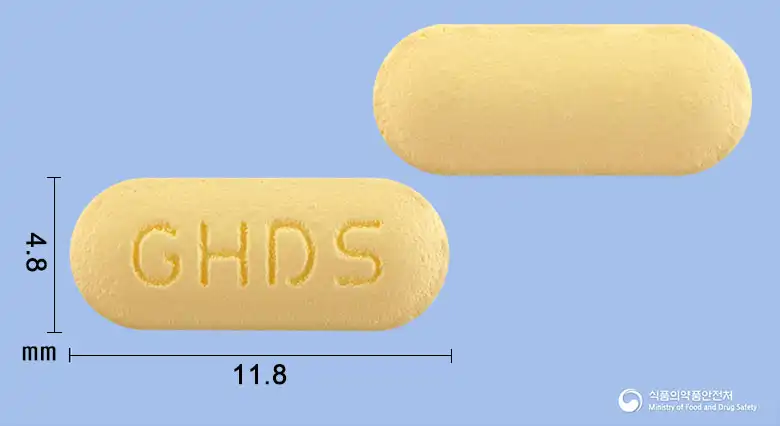 Viewing nowCombination
Danofen Semi Tablet
Tramadol Hydrochloride 18.75mg · Acetaminophen 162.5mg
Tablet · Prescription medication · Combination
(Yu) Hanpoong Pharmaceutical Co., Ltd.
MFDS item code 201903792 · Approved 2019.06.10 · Insurance code 658106370
Relief of moderate to severe acute and chronic pain
This medication is used to relieve acute and chronic pain ranging from moderate to severe.
Children over 12 years and adults: Dosage should be adjusted according to pain intensity and treatment response. It is recommended to start with a dose of 4 tablets, thereafter the interval between doses should be at least 6 hours but not exceed 16 tablets in one day. Administer the lowest effective dose for the shortest period possible. Avoid administering this medication longer than necessary, and if long-term administration is required due to the nature and severity of the illness, regular monitoring should be conducted to assess the need for continued use of this medication. Elderly Administer the typical adult dosage. However, in patients over 75 years of age, the half-life of tramadol has increased by 17% when taken orally, so the drug should be administered with at least 6-hour intervals. Renal impairment patients For moderate renal impairment patients (creatinine clearance of 10-30 ml/min), the dosing interval should be extended to 12 hours. For severe renal impairment patients (creatinine clearance of less than 10 ml/min), it is not recommended to administer this drug. Tramadol is eliminated very slowly during dialysis and filtration, so it is not necessary to readminister this drug after dialysis to maintain analgesic effect. Hepatic impairment patients For moderate hepatic impairment patients, it is advised to carefully consider extending the dosing interval. For severe hepatic impairment patients, this drug should not be administered.
Children over 12 years and adults: Dosage should be adjusted according to pain intensity and treatment response. It is recommended to start with a dose of 4 tablets, thereafter the interval between doses should be at least 6 hours, and not exceed 1 day.
This drug may place a burden on the liver, so individuals who regularly consume more than three glasses of alcohol a day must consult a doctor or pharmacist before taking this medication. If any abnormal reactions such as rash or itching occur during the use of this drug, discontinue use immediately and consult a healthcare professional. One of the active ingredients in this drug, tramadol, can increase the risk of seizures; therefore, patients with a history of seizures or those at high risk of seizures should use it with caution. Taking tramadol in conjunction with certain antidepressants, narcotics, or sedatives may increase the risk of seizures, so consult a healthcare professional before co-administering. Acute and severe bronchial asthma patients may experience severe respiratory suppression when using this drug, so it must be administered in a monitored environment. Taking this drug with alcohol or benzodiazepine medications can cause severe drowsiness, respiratory suppression, and coma, so co-administration should be avoided. Patients with head injuries or elevated intracranial pressure should be cautious as the drug may worsen symptoms due to respiratory suppression and increased brain pressure. This drug can cause addiction and dependence, so long-term use should be monitored closely for signs of dependence. Patients with poor liver function may suffer liver damage from the acetaminophen contained in this drug, so they should consult a doctor before use. Certain genotypes (CYP2D6 ultrarapid metabolizers) can metabolize the components of this drug quickly, increasing the risk of severe side effects like respiratory suppression; caution is advised. This drug should not be administered to children under 12 years of age or to adolescents under 18 years who have undergone tonsil and adenoid surgery. Patients with sleep apnea or at risk of hypoxia should continuously monitor for exacerbation of symptoms after taking this drug and adjust the dosage if necessary. This drug can cause hyponatremia, so especially in the elderly or patients with risk factors, sodium levels should be monitored periodically. This drug may interact with certain medications, so be sure to inform healthcare professionals if taking other medicines, and caution is advised during co-administration. Drowsiness or dizziness may occur when driving or operating machinery, so caution is required. In case of overdose, serious side effects such as respiratory suppression, seizures, and liver damage may occur, so prescribed dosages must be observed, and immediate emergency measures should be taken in case of overdose. Keep out of reach of children to prevent accidental ingestion.
Hives, severe swelling (edema), chest tightness, difficulty breathing, cold sweat, pallor, severe rash accompanied by high fever, blisters, skin peeling, pain in the mucous membranes of the mouth/eyes, shortness of breath or difficulty breathing, asthma attacks, respiratory abnormalities accompanied by cough and fever, jaundice (yellowing of skin or eyes), profound sleepiness, sudden and severe headache, thunderclap headache, seizures, confusion, vision disturbances, paralysis, urination issues
Not everyone experiences these, and they can vary from person to person.
This medication should be stored in a sealed container to prevent air exposure, and it is recommended to keep it at room temperature between 1 to 30 degrees Celsius. This way, the medication's effectiveness can be maintained and degradation can be prevented.
Pale yellow oblong film-coated tablets
30 tablets/bottle, 300 tablets/bottle
Even with the same ingredient, strength, dosage form and how it is taken can differ.
Viewing nowCombinationTramadol Hydrochloride 18.75mg · Acetaminophen 162.5mg
Tablet · Prescription medication · Combination
(Yu) Hanpoong Pharmaceutical Co., Ltd.
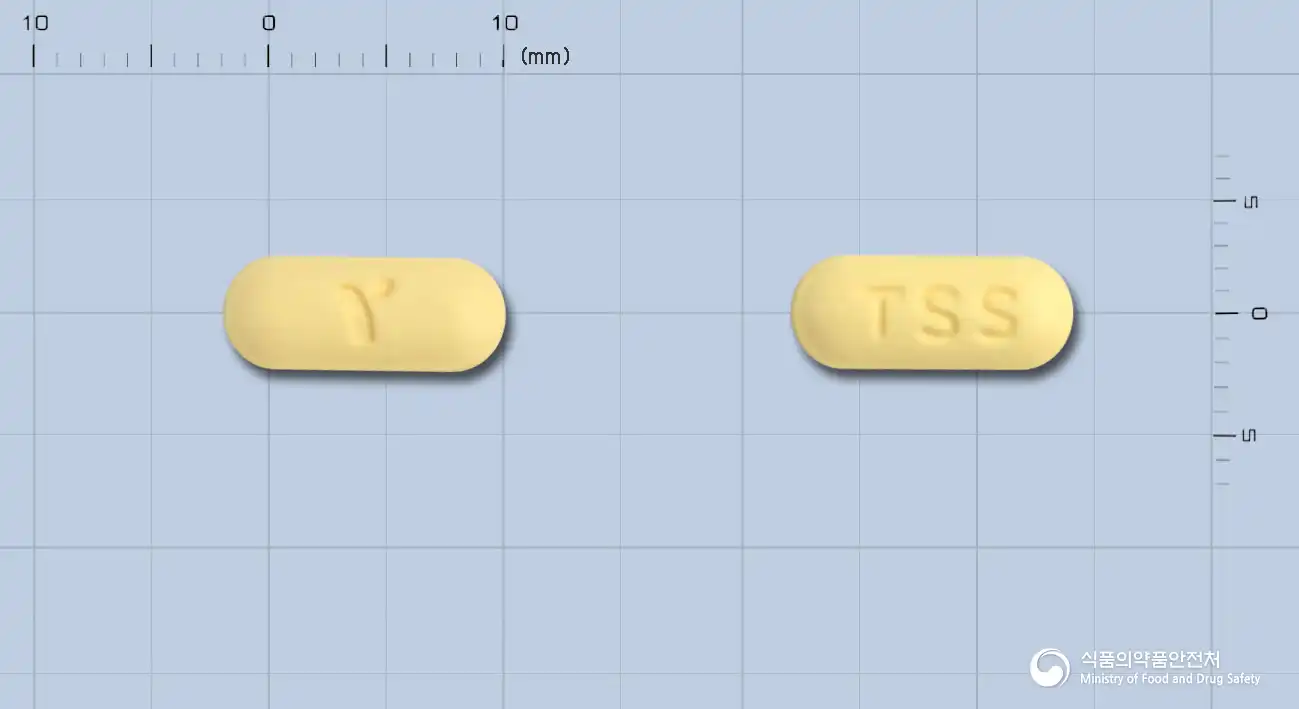 Combination
Acetaminophen 162.5mg · Tramadol Hydrochloride 18.75mg
Tablet · Prescription medication · Combination
Yuyoung Pharmaceutical Co., Ltd.
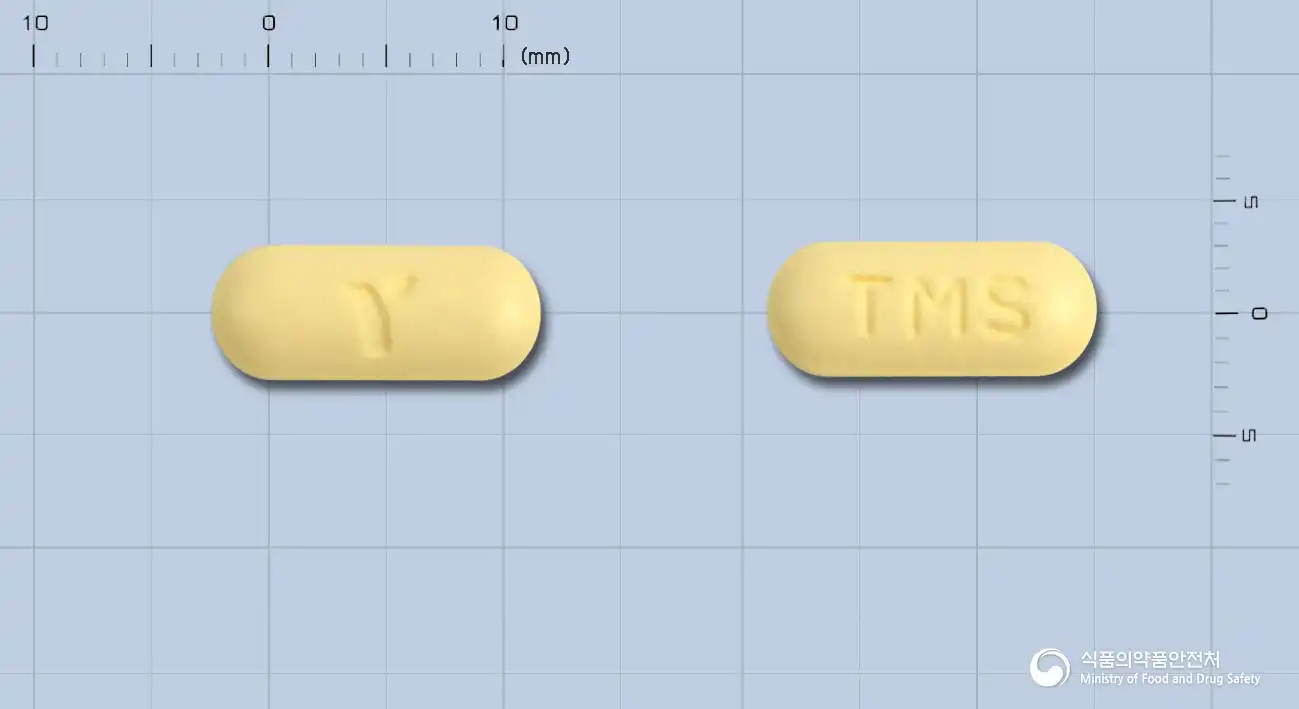 Combination
Acetaminophen 325mg · Tramadol Hydrochloride 37.5mg
Tablet · Prescription medication · Combination
Youyoung Pharmaceutical Co., Ltd.
 Combination
Tramadol Hydrochloride 18.75mg · Acetaminophen 162.5mg
Tablet · Prescription medication · Combination
Korea Pharmaceutical Co., Ltd.
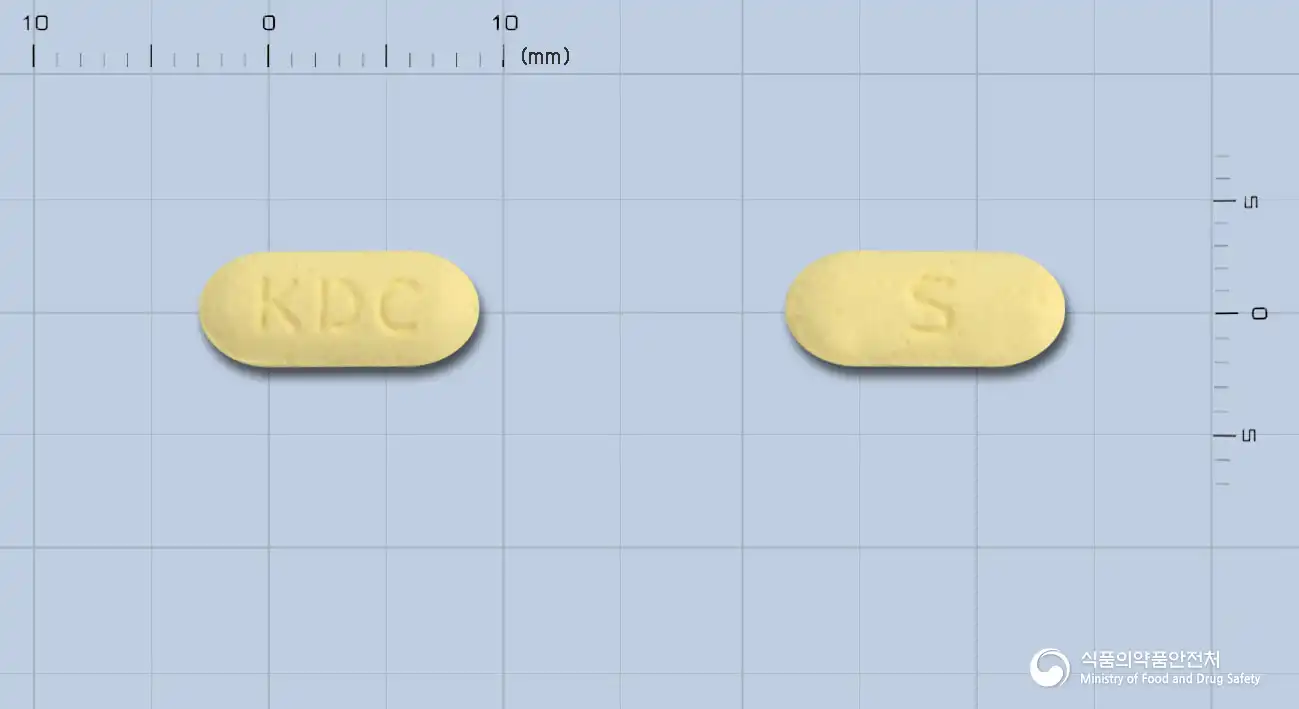
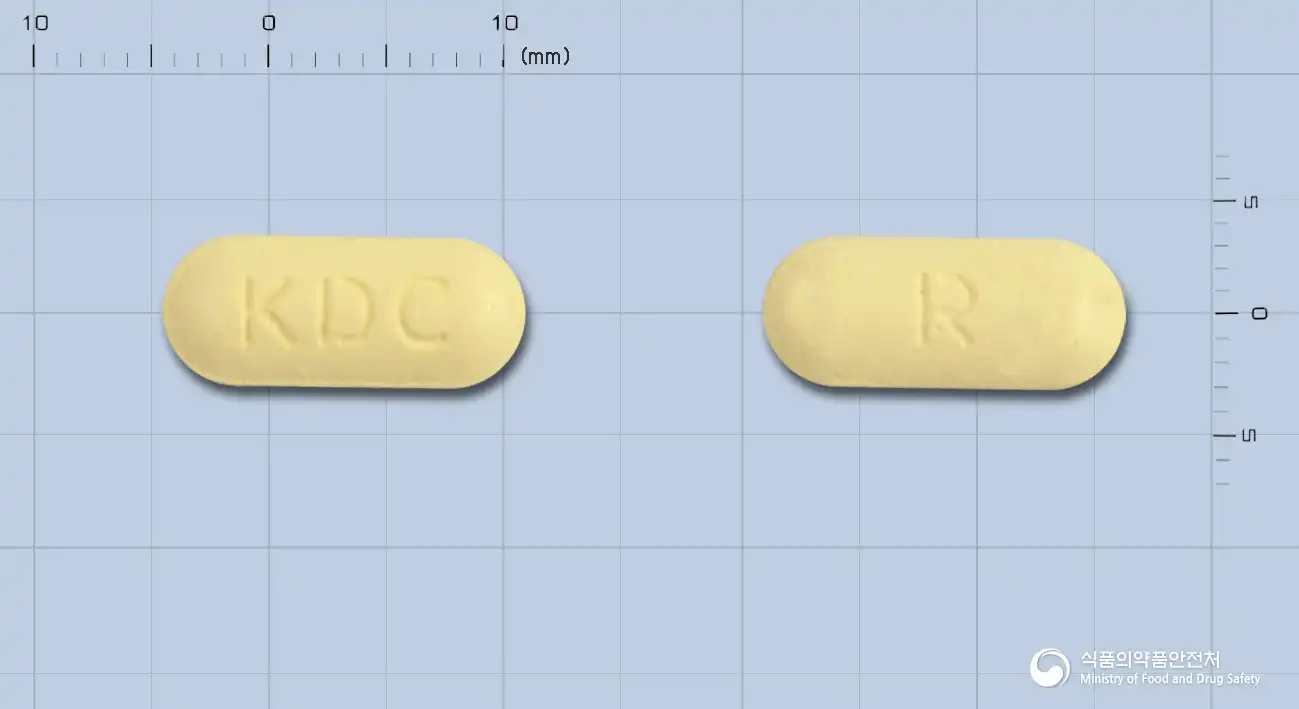 Combination
Tramadol Hydrochloride 37.5mg · Acetaminophen 325mg
Tablet · Prescription medication · Combination
Korea United Pharmaceutical Co., Ltd.
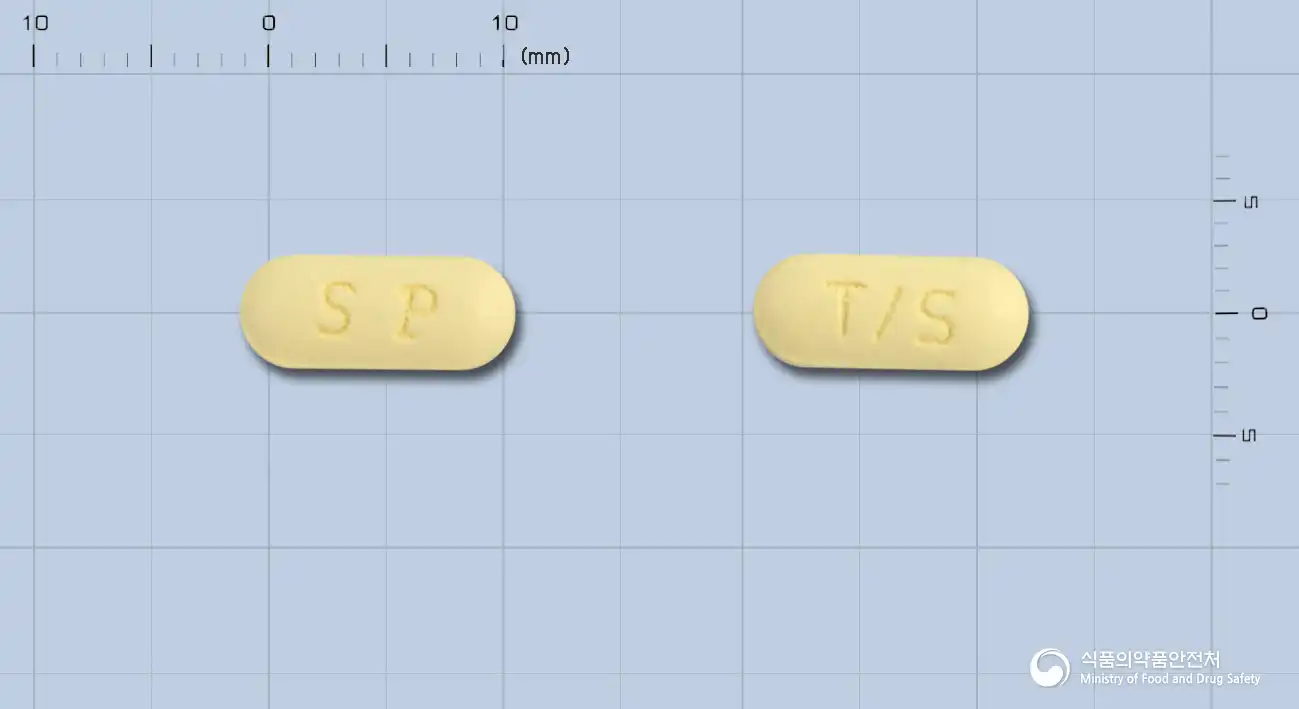 Combination
Acetaminophen 162.5mg · Tramadol Hydrochloride 18.75mg
Tablet · Prescription medication · Combination
Shinpoong Pharmaceutical Co., Ltd.
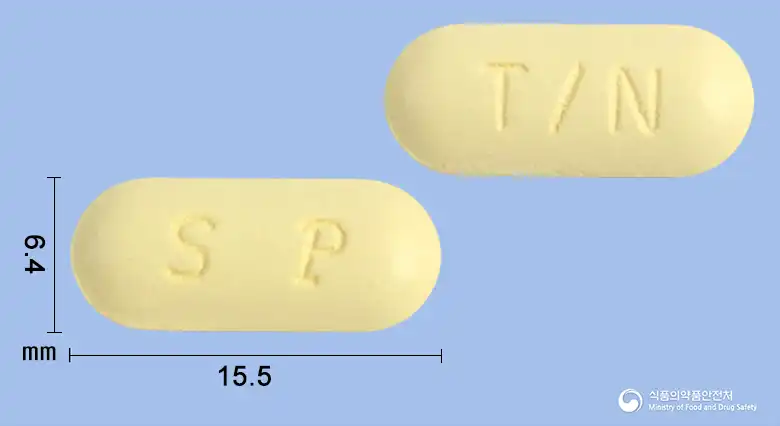 Combination
Acetaminophen 325mg · Tramadol Hydrochloride 37.5mg
Tablet · Prescription medication · Combination
Sinphong Pharmaceutical Co., Ltd.
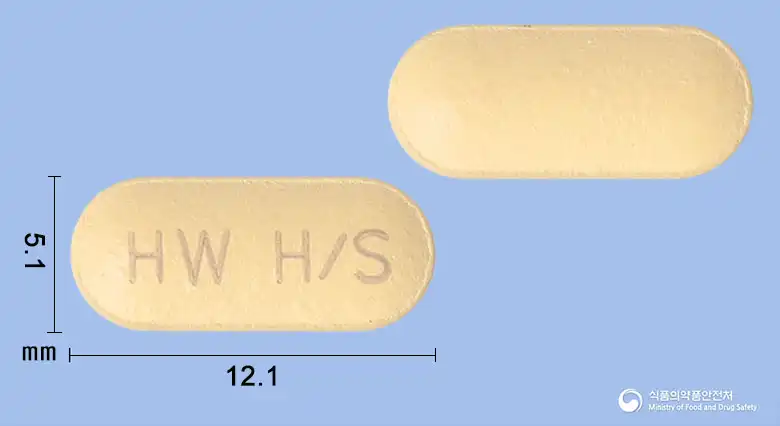 Combination
Acetaminophen 162.5mg · Tramadol Hydrochloride 18.75mg
Tablet · Prescription medication · Combination
Albozen Korea Co., Ltd.
Even with the same ingredient, the dose and directions can differ by strength and dosage form. Talk to a doctor or pharmacist before switching from a medication you are already taking.
No questions yet.
For anything that needs medical judgment, consult a doctor or pharmacist.
This drug information is based on data provided by the Korea Ministry of Food and Drug Safety.
Consult a doctor or pharmacist for accurate dosage, administration, and usage instructions.