
 한국어
한국어 English
 日本語
日本語 中文(简体)
Dosage form image
Viewing nowZentrol Tablets (Ezetimibe)
Ezetimibe 10mg
Tablet · Prescription medication
Celix Co., Ltd.
MFDS item code 201903589 · Approved 2019.05.30
This product's status changed to Expired on 2024.05.30. It may no longer be sold, so consult a doctor or pharmacist before taking it.
Improvement of blood lipids through reduction of total cholesterol and LDL-C in primary (familial) hypercholesterolemia and sitosterolemia
This drug is primarily used for the treatment of patients with primary hypercholesterolemia and mixed hyperlipidemia. It helps reduce elevated total cholesterol, low-density lipoprotein cholesterol (LDL-C), and apolipoprotein B, and can be administered alone or in combination with other lipid-lowering therapies alongside dietary management. Particularly, it may be used in conjunction with other treatments for patients with homozygous familial hypercholesterolemia. Additionally, it is used to lower plant sterol levels in patients with homozygous sitosterolemia and is indicated for patients at high risk of atherosclerotic vascular disease due to hypercholesterolemia. This drug helps manage lipid levels and reduce the risk of cardiovascular diseases. Therefore, it is used in the treatment of hypercholesterolemia and related dyslipidemias.
The recommended dosage of this drug is 10 mg once daily, taken without regard to meals. When administered in combination with HMG-CoA reductase inhibitors, therapy should start at the recommended starting dose of the HMG-CoA reductase inhibitor, and if the patient is already on a high dose of an HMG-CoA reductase inhibitor, this drug can be combined while maintaining the dosage of the HMG-CoA reductase inhibitor.
This drug should not be administered to patients with hypersensitivity to its components. Patients with active liver disease or persistently elevated liver enzyme levels in blood tests should avoid combination use of this drug with certain lipid-lowering agents. Caution is advised for pregnant or breastfeeding women as combination use of this drug with certain lipid-lowering agents is prohibited. Patients with severely impaired liver function or gallbladder disease, or severe kidney function impairment should refrain from using this drug in combination with certain fibrates. Patients with moderate to severe liver impairment should not use this drug, as it may increase exposure and lead to unexpected side effects. While this drug is generally well tolerated, side effects such as fatigue, abdominal pain, diarrhea, headache, and arthralgia may occur, and it is necessary to consult a doctor if any abnormal symptoms arise. Regular liver function tests are needed when taking this drug in conjunction with certain statins due to the risk of elevated liver enzyme levels. If symptoms such as myalgia or muscle weakness occur, medical personnel must be notified immediately, and in severe cases, drug administration may be discontinued. Patients with severely decreased kidney function also need caution when taking this drug, especially in combination with statins where dose adjustment and close monitoring are required. This drug may interact with other medications, so it's crucial to inform healthcare providers if cholestyramine, fibrates, cyclosporine, anticoagulants, etc. are being taken. There is insufficient safety data regarding its use during pregnancy, so pregnant women must consult a doctor before taking this drug. Breastfeeding women should consider stopping breastfeeding or using alternative medications, as this drug may be excreted in breast milk. It is not recommended for children under six years of age, and while its safety profile appears similar in pediatric or adolescent patients over six years, caution is necessary. Older adults can generally use this medication safely, but some sensitive reactions may occur, so observation is needed. Severe side effects from overdose are rare, but immediate medical help is required if any abnormal symptoms arise. This drug must be stored out of the reach of children and should not be transferred to other containers.
Not everyone experiences these, and they can vary from person to person.
This drug must be stored in a tightly sealed container to avoid exposure to air and moisture. Additionally, the drug should be kept at room temperature between 1 degree and 30 degrees Celsius to maintain effectiveness.
White to almost white oblong tablets
- - 30 tablets/PTP [10 tablets/PTP × 3]
Even with the same ingredient, strength, dosage form and how it is taken can differ.
Ezetimibe 10mg
Tablet · Prescription medication
Celix Co., Ltd.
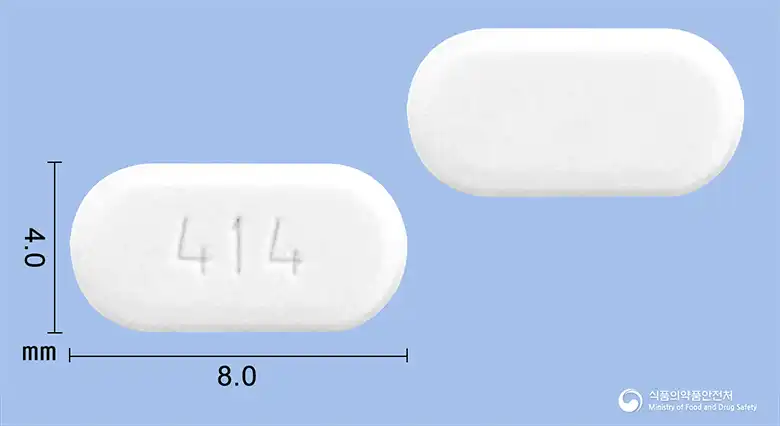
Ezetimibe 10mg
Tablet · Prescription medication
Korea Organon Co., Ltd.
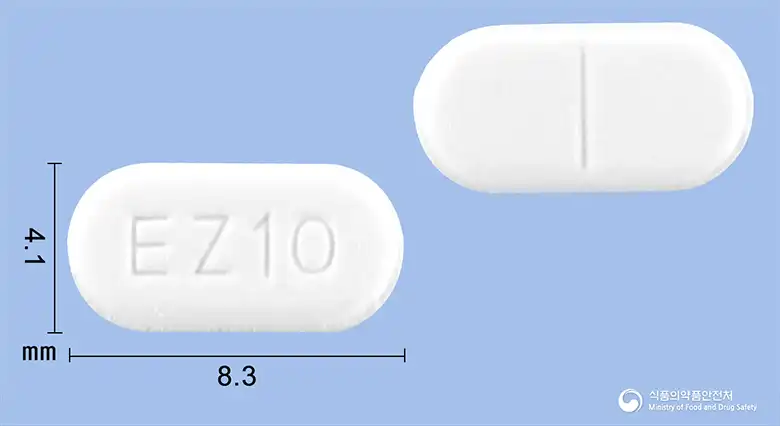
Ezetimibe 10mg
Tablet · Prescription medication
Hanmi Pharmaceutical Co., Ltd.
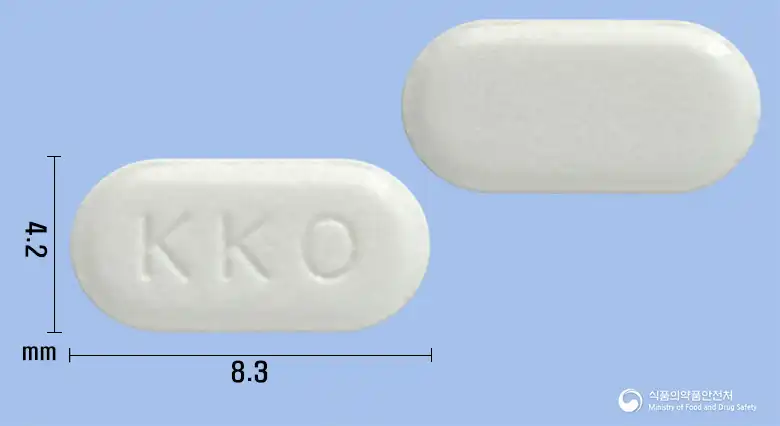
Ezetimibe 10mg
Tablet · Prescription medication
Genewon Science Co., Ltd.
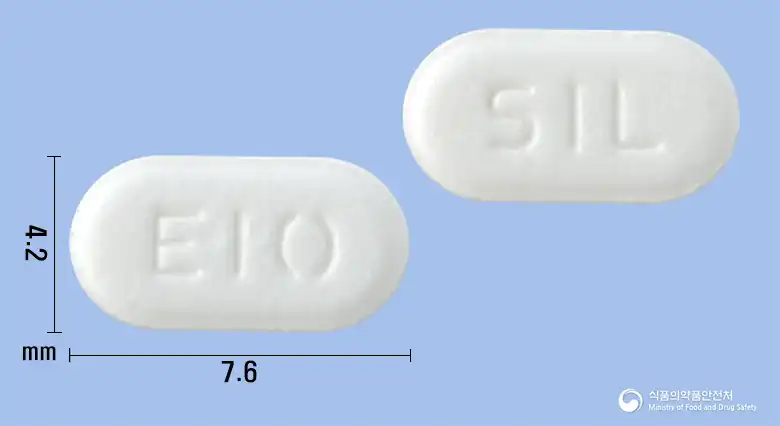
Ezetimibe 10mg
Tablet · Prescription medication
Shin Il Pharmaceutical Co., Ltd.
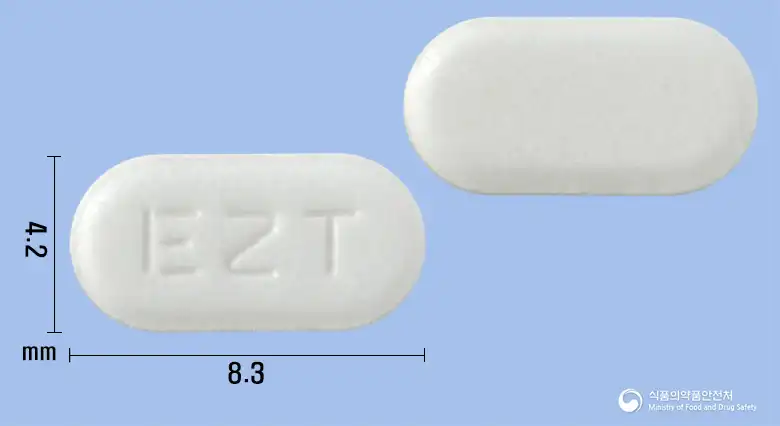
Ezetimibe 10mg
Tablet · Prescription medication
Korea Hutech Pharmaceutical Co., Ltd.
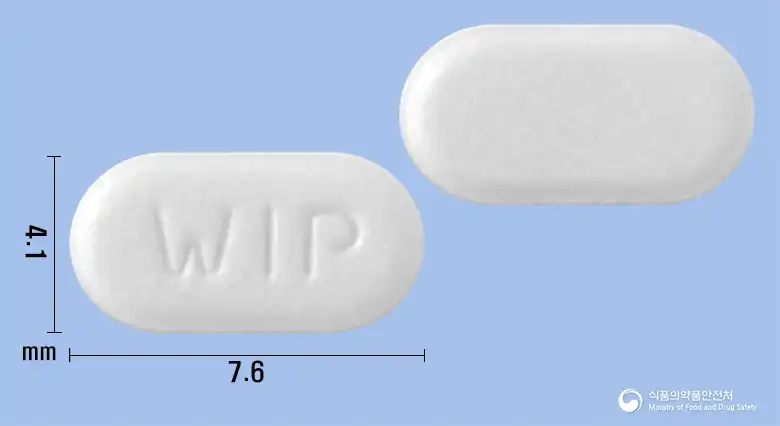
Ezetimibe 10mg
Tablet · Prescription medication
Hwanin Pharmaceutical Co., Ltd.
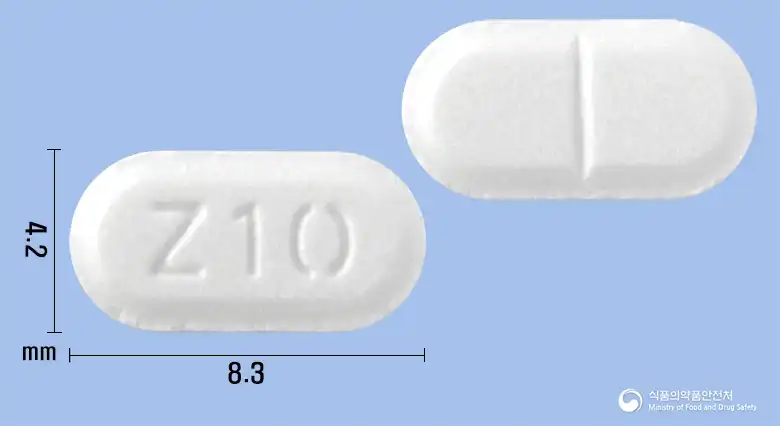
Ezetimibe 10mg
Tablet · Prescription medication
Jinyang Pharmaceutical Co., Ltd.
Even with the same ingredient, the dose and directions can differ by strength and dosage form. Talk to a doctor or pharmacist before switching from a medication you are already taking.
No questions yet.
For anything that needs medical judgment, consult a doctor or pharmacist.
This drug information is based on data provided by the Korea Ministry of Food and Drug Safety.
Consult a doctor or pharmacist for accurate dosage, administration, and usage instructions.