
 한국어
한국어 English
 日本語
日本語 中文(简体)
Dosage form image
Viewing nowBibozon Montelukast Granules 4 mg (Montelukast Sodium)
Montelukast Sodium 4.16mg
Prescription medication
BIBOZON Pharmaceuticals Co., Ltd.
MFDS item code 201903333 · Approved 2019.05.22
This product's status changed to Expired on 2024.05.22. It may no longer be sold, so consult a doctor or pharmacist before taking it.
Prevention of asthma and relief of allergic rhinitis symptoms
This medication helps prevent asthma attacks and assists in ongoing treatment. It is also used to relieve symptoms of allergic rhinitis occurring seasonally and throughout the year.
For adults and adolescents aged 15 and above, montelukast should be taken orally at a dose of 10 mg once daily. This medication should be administered one hour before meals or two hours after meals. The 10 mg oral disintegrating film should be taken by placing 10 mg on the tongue to dissolve without water. This medication should be administered one hour before meals or two hours after meals.
For children aged 6 to 14 years, montelukast should be administered 5 mg once daily, chewed or placed on the tongue to dissolve or disintegrate. For children aged 2 to 5 years, montelukast should be administered 4 mg once daily, chewed or placed on the tongue.
This medication is used to treat asthma and allergic rhinitis. Patients who are hypersensitive to this drug or any of its ingredients should not use it. This medication is not meant to treat acute asthma attacks, so appropriate emergency medications should be used when acute symptoms occur. Asthma patients should always carry emergency inhalers, and this drug should continue to be taken even if symptoms worsen. Under a doctor's guidance, the dosage of inhaled corticosteroids may be gradually reduced, but it should not be abruptly replaced with other steroid medications. To prevent bronchospasms induced by exercise, this medication should not be used alone; an inhaled β-agonist should be used in combination. Patients with hypersensitivity to aspirin or non-steroidal anti-inflammatory drugs should not take these medications together with this drug. While taking this medication, systemic eosinophilia and vasculitis symptoms may occasionally occur, so patients should be monitored by a physician. This medication can be used in various age groups, but safety and efficacy have not been established in infants under 6 months of age. Pregnant or breastfeeding women should consult a physician before taking this drug and should only take it if necessary. This drug has minimal interactions with other medications, but caution is needed when used with certain hepatic enzyme inducers. In cases of overdose, no specific antidote exists, requiring symptomatic treatment and clinical monitoring. This medication is sensitive to light, so it should be opened just before use and consumed immediately after preparation. Keep this medication out of reach of children, and do not transfer it to another container. If neurological symptoms or adverse reactions occur during usage, notify a physician immediately and seek advice. This medication should be taken continuously even during periods without asthma symptoms, and if symptoms are not controlled, consult with the attending physician.
Urticaria, angioedema, toxic epidermal necrolysis, Stevens-Johnson syndrome, severe swelling, chest tightness, difficulty breathing, cold sweat, pallor, severe allergic reactions, severe rashes, blisters, peeling skin, pain in the oral/ocular mucosa, severe cutaneous adverse reactions, shortness of breath or breathing difficulties, asthma attacks, respiratory abnormalities accompanied by cough and fever, jaundice, extreme lethargy, liver abnormalities, sudden and severe headache,
Not everyone experiences these, and they can vary from person to person.
This medication is sensitive to air and moisture, so it should be stored in a tightly closed container. Additionally, it should be kept out of light and stored at a temperature between 1 and 30 degrees Celsius.
White homogeneous granules free of any foreign matter
4 mg/pack, 4 mg/pack x 28
Even with the same ingredient, strength, dosage form and how it is taken can differ.
Montelukast Sodium 4.16mg
Prescription medication
BIBOZON Pharmaceuticals Co., Ltd.
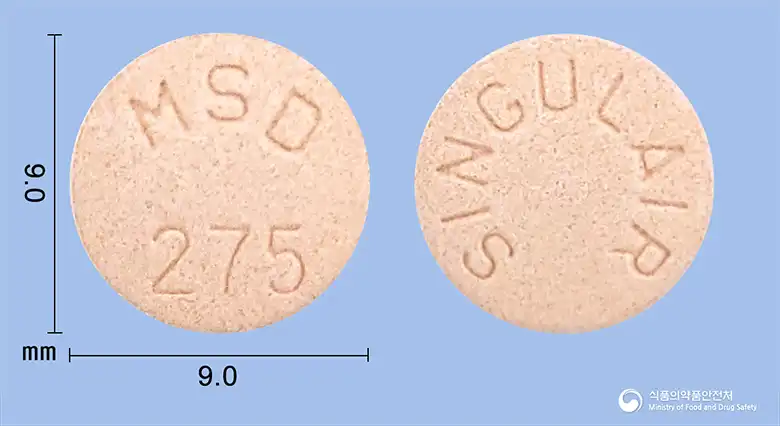
Montelukast Sodium 5.2mg
Chewable Tablet · Prescription medication
Korea Organon Co., Ltd.
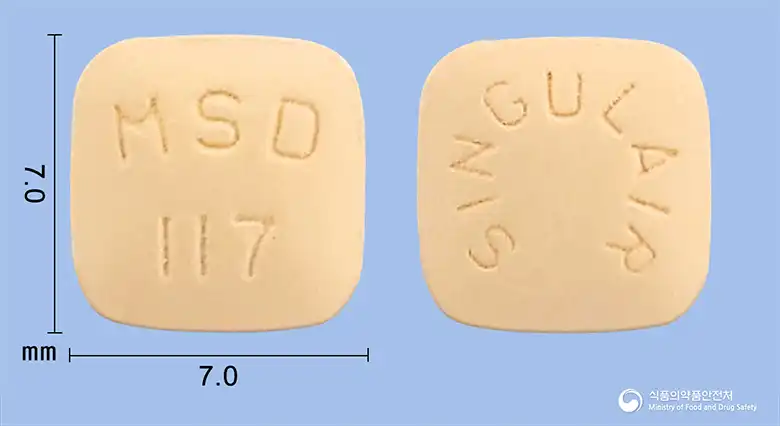
Montelukast Sodium 10.4mg
Tablet · Prescription medication
Korea Organon Co., Ltd.
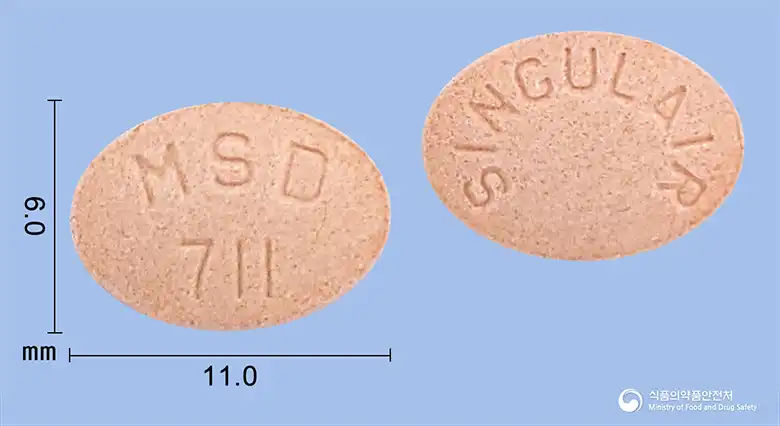
Montelukast Sodium 4.16mg
Chewable Tablet · Prescription medication
Korea Organon Co., Ltd.
Montelukast Sodium 4.16mg
Prescription medication
Korea Organon Co., Ltd.
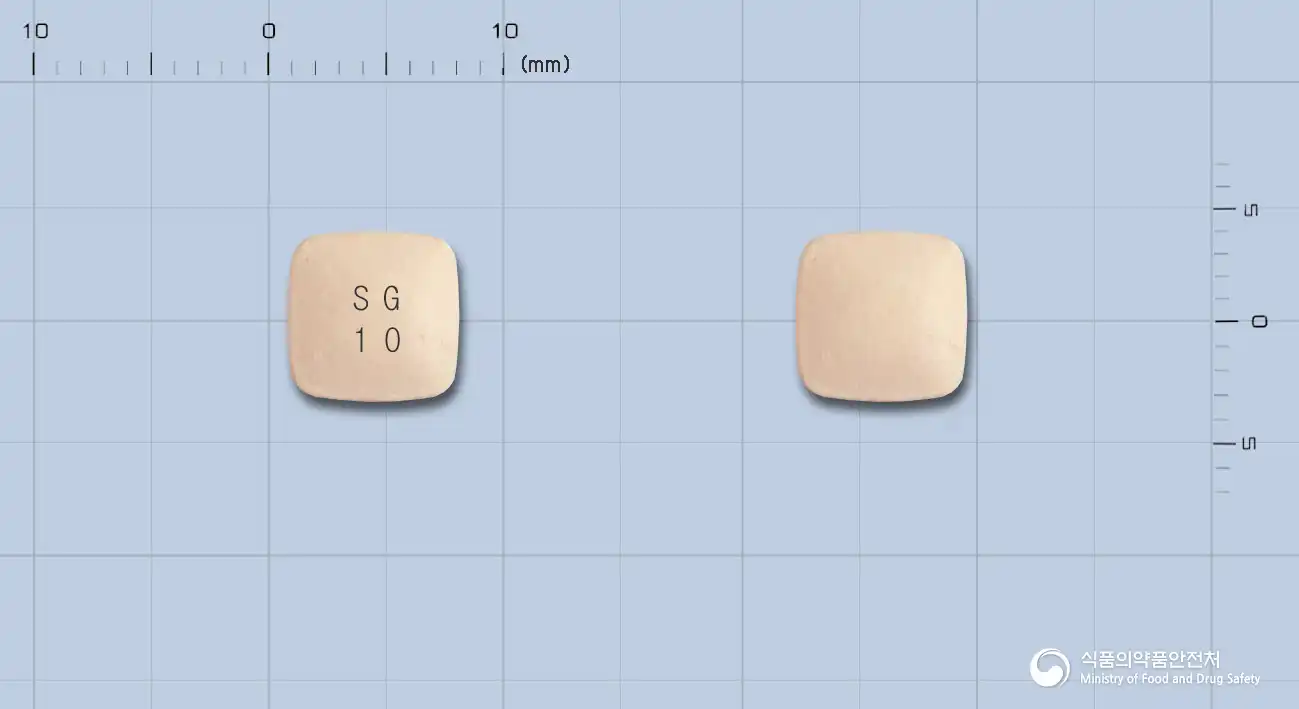
Montelukast Sodium 10.4mg
Tablet · Prescription medication
JW Pharmaceutical Co., Ltd.
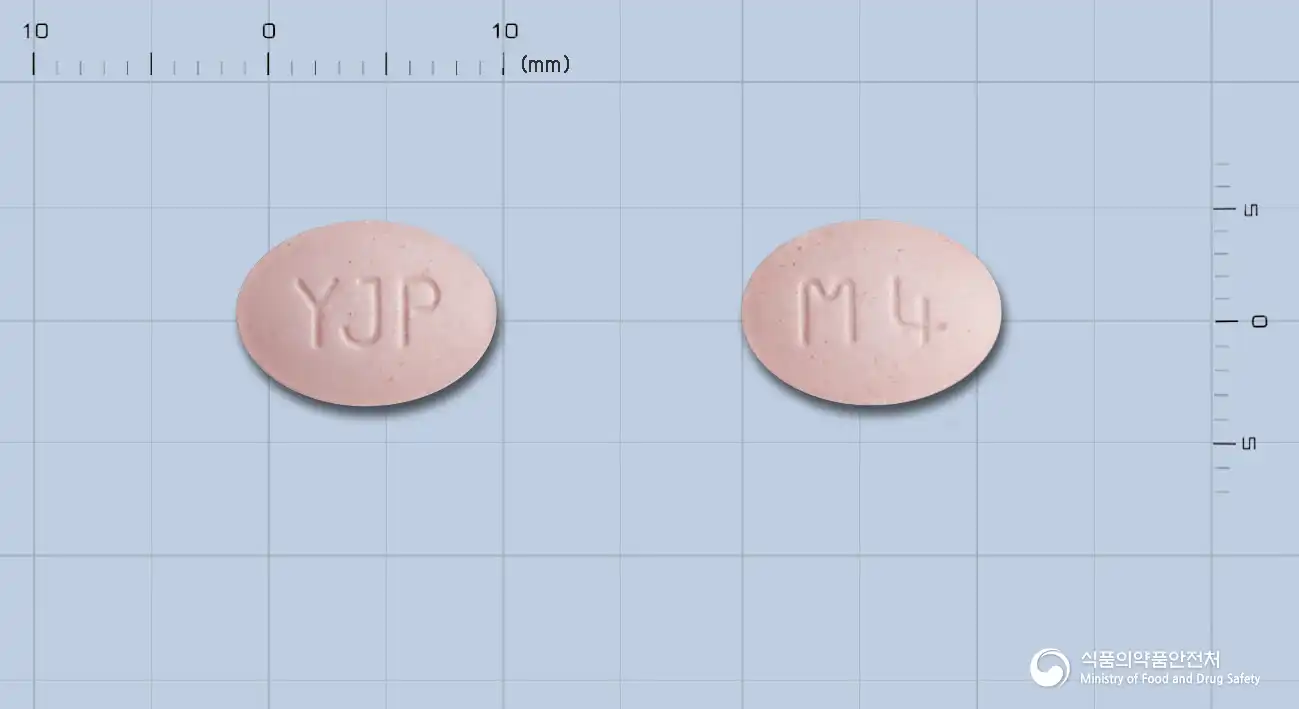
Montelukast Sodium 4.16mg
Chewable Tablet · Prescription medication
Youngjin Pharmaceutical Co., Ltd.
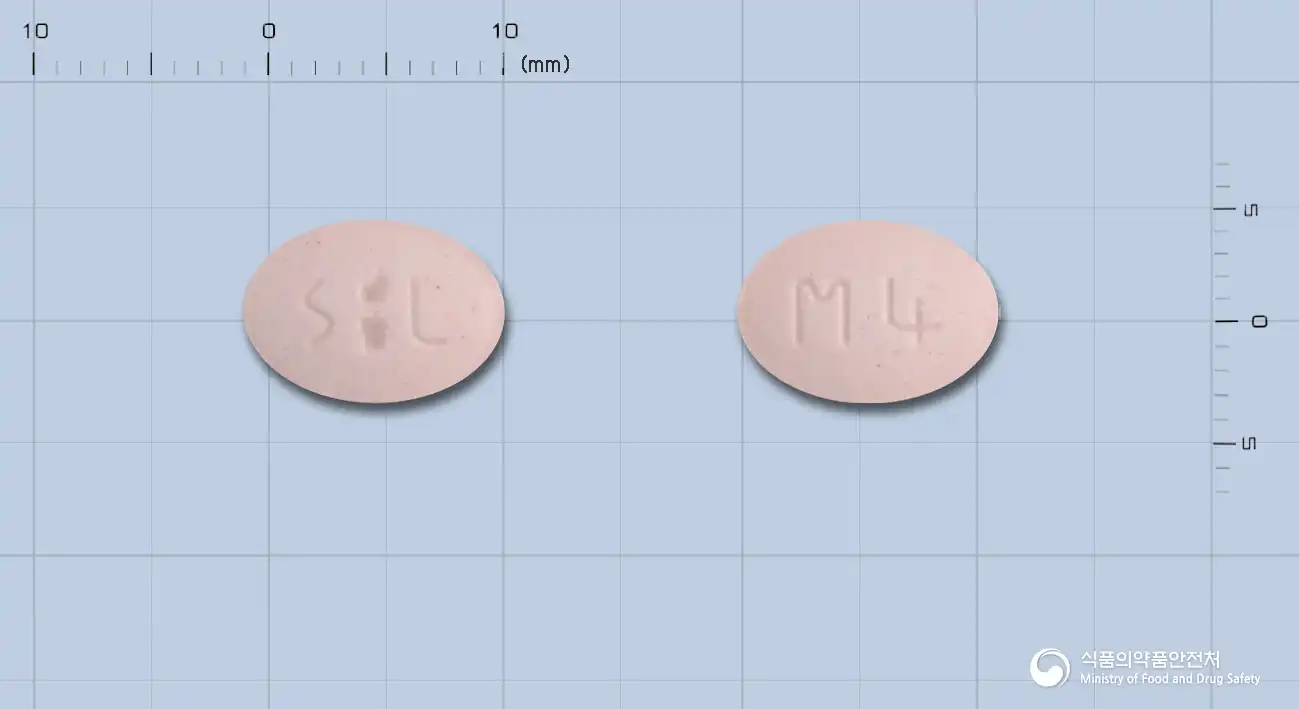
Montelukast Sodium 4.16mg
Chewable Tablet · Prescription medication
Samil Pharmaceutical Co., Ltd.
Even with the same ingredient, the dose and directions can differ by strength and dosage form. Talk to a doctor or pharmacist before switching from a medication you are already taking.
No questions yet.
For anything that needs medical judgment, consult a doctor or pharmacist.
This drug information is based on data provided by the Korea Ministry of Food and Drug Safety.
Consult a doctor or pharmacist for accurate dosage, administration, and usage instructions.