
 한국어
 English
 日本語
 中文(简体)
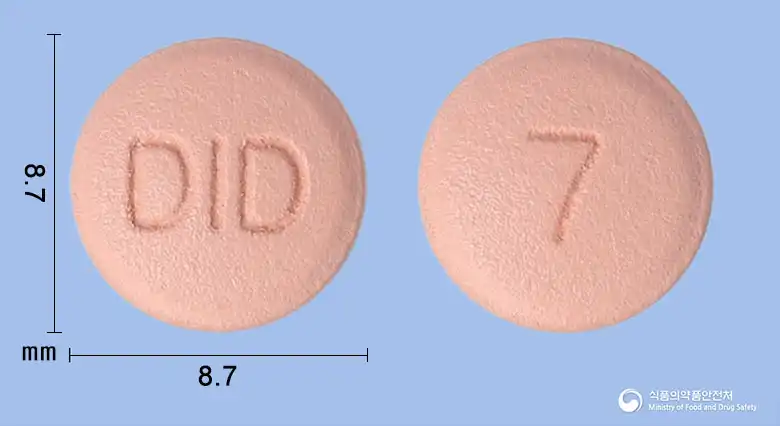 Viewing now
Clodid Tablet (Clopidogrel Sulfate)
Clopidogrel Bisulfate 97.875mg
Tablet · Prescription medication
Highple Life Science Co., Ltd.
MFDS item code 201903331 · Approved 2019.05.22 · Insurance code 664102670
Relief of symptoms of atherosclerosis and acute coronary syndrome; prevention of blood clots in atrial fibrillation
This medication is used to improve vascular atherosclerotic conditions in patients with ischemic stroke, myocardial infarction, or peripheral artery disease, thereby supporting cardiovascular health. It also prevents and improves cardiovascular anomalies related to atherosclerosis in patients with acute coronary syndrome, such as unstable angina or non-Q-wave myocardial infarction, who have undergone medical treatment, percutaneous coronary intervention (PCI), or coronary artery bypass grafting (CABG). Additionally, it helps reduce the risk of stroke and thromboembolism in patients with atrial fibrillation who have vascular risk factors and cannot receive vitamin K antagonists. This medication is effectively used in patients with various cardiovascular diseases and risk factors to improve atherosclerotic symptoms and the risk of thrombosis.
○ Adults 1. Patients with ischemic stroke, myocardial infarction, or peripheral arterial disease: Administer 75 mg of clopidogrel orally once daily. 2. Patients with acute coronary syndrome (unstable angina or non-Q-wave myocardial infarction): On the first day of treatment, initiate this drug with a loading dose of 300 mg once daily, followed by a maintenance dose of 75 mg orally once daily. Aspirin 75 ~ 325 mg should be administered concomitantly with this drug once daily. 3. Patients with atrial fibrillation: Administer 75 mg of this drug orally once daily. Aspirin 75 ~ 100 mg should be administered concomitantly with this drug once daily. ○ Patients with renal impairment: Experience with treatment in patients with renal impairment is limited. ○ Patients with hepatic impairment: Experience with treatment in patients with moderate hepatic disease and a bleeding diathesis is limited. This drug may be administered with or without food.
This medicine inhibits platelet aggregation in the blood to prevent thrombus formation. People with genetically reduced function of the enzyme CYP2C19 may have decreased efficacy of this drug, so alternative treatment options should be considered in such cases. Additionally, taking this drug with medications that increase the activity of CYP2C19 may raise the concentration of the active ingredient, increasing the risk of bleeding; thus, concomitant use should be avoided. This medication should not be used by individuals with known allergies to this drug or its components, those with active bleeding, those with severe liver impairment, nursing mothers, or those with lactose intolerance. Patients at high risk of bleeding or those with bleeding disorders should use this drug cautiously, and it may be necessary to consult a physician to stop the medication prior to surgery. Any symptoms or abnormalities related to bleeding should be reported immediately to medical personnel, especially when taking this medication in conjunction with other drugs that increase bleeding risk. This drug may rarely cause a serious blood disorder known as thrombotic thrombocytopenic purpura (TTP); if symptoms such as sudden bleeding, fever, or neurological symptoms occur, immediate treatment is required. During treatment, bleeding time may be prolonged; thus, if bleeding does not stop or excessive bleeding occurs, immediate visit to the hospital is necessary. This drug can cause side effects such as gastrointestinal bleeding, rash, headache, dizziness, and, rarely, severe allergic reactions or blood abnormalities. Pregnant women may have an increased risk of bleeding during delivery, so it is recommended to stop taking the medication 5 to 7 days before the expected delivery date. Nursing mothers should consult their doctor regarding whether this drug is secreted in breast milk and whether to take it during nursing. Elderly patients or those with impaired kidney and liver function may experience side effects more easily; therefore, caution is needed during use. In cases of overdose, the risk of bleeding increases, and platelet transfusion may be required for treatment. This medication should be kept out of reach of children and should not be transferred to another container. Finally, before taking this medication, it is essential to discuss any other medications currently being taken or health conditions with healthcare providers and to adequately consider all risk factors related to bleeding.
Hemorrhage, gastrointestinal bleeding, hospitalization required bleeding, purpura, contusion, hematoma, epistaxis, hematoma, hematuria, intraocular hemorrhage, intracranial hemorrhage, significant bleeding, minor bleeding, severe bleeding, fatal bleeding, hemorrhagic stroke, thrombocytopenia, neutropenia, agranulocytosis, aplastic anemia, skin rash, pruritus, diarrhea, abdominal pain, dyspepsia, nausea, headache, dizziness, depression, dyspnea, rhinitis, bronchitis, cough, urinary tract infection, chest pain, accidental injury, influenza-like illness, pain, fatigue, edema, hypertension, autonomic nervous system disorders (syncope, palpitations), asthenia, fever, hernia, heart failure, atrial fibrillation, leg cramps, hypoesthesia, neuralgia, sensory disturbance, dizziness, constipation, vomiting, increased liver enzymes, gout, hyperuricemia, arthralgia, arthritis, anxiety, insomnia, anemia, pneumonia, sinusitis, eczema, skin ulcer, cystitis, cataract, conjunctivitis, gynecomastia, fever, abnormal liver function tests, increased serum creatinine, allergic symptoms, ischemic necrosis, generalized edema, gastritis, hemorrhagic gastroenteritis, duodenal ulcer, gastric ulcer, perforated gastric ulcer, upper gastrointestinal ulcer bleeding, bloating, hyperbilirubinemia, infectious hepatitis, fatty liver, hemorrhagic arthropathy, hemoptysis, intracranial hemorrhage, retroperitoneal hemorrhage, surgical wound bleeding, ocular hemorrhage, pulmonary hemorrhage, purpura, thrombocytopenia, aplastic anemia, hypochromic anemia, leukemia, leukopenia, eosinophilia, menorrhagia, hemothorax, herpes zoster, erythema multiforme, papular urticaria, urticaria, renal dysfunction, acute renal failure, cholecystitis, hematemesis, spinal hematoma
Not everyone experiences these, and they can vary from person to person.
This medication should be stored in a tightly sealed container to avoid exposure to air or moisture. It is best to maintain storage temperatures between 1 degree and 30 degrees Celsius.
Pink round film-coated tablets
30 tablets/bottle, 300 tablets/bottle
Even with the same ingredient, strength, dosage form and how it is taken can differ.
Viewing nowClopidogrel Bisulfate 97.875mg
Tablet · Prescription medication
Highple Life Science Co., Ltd.
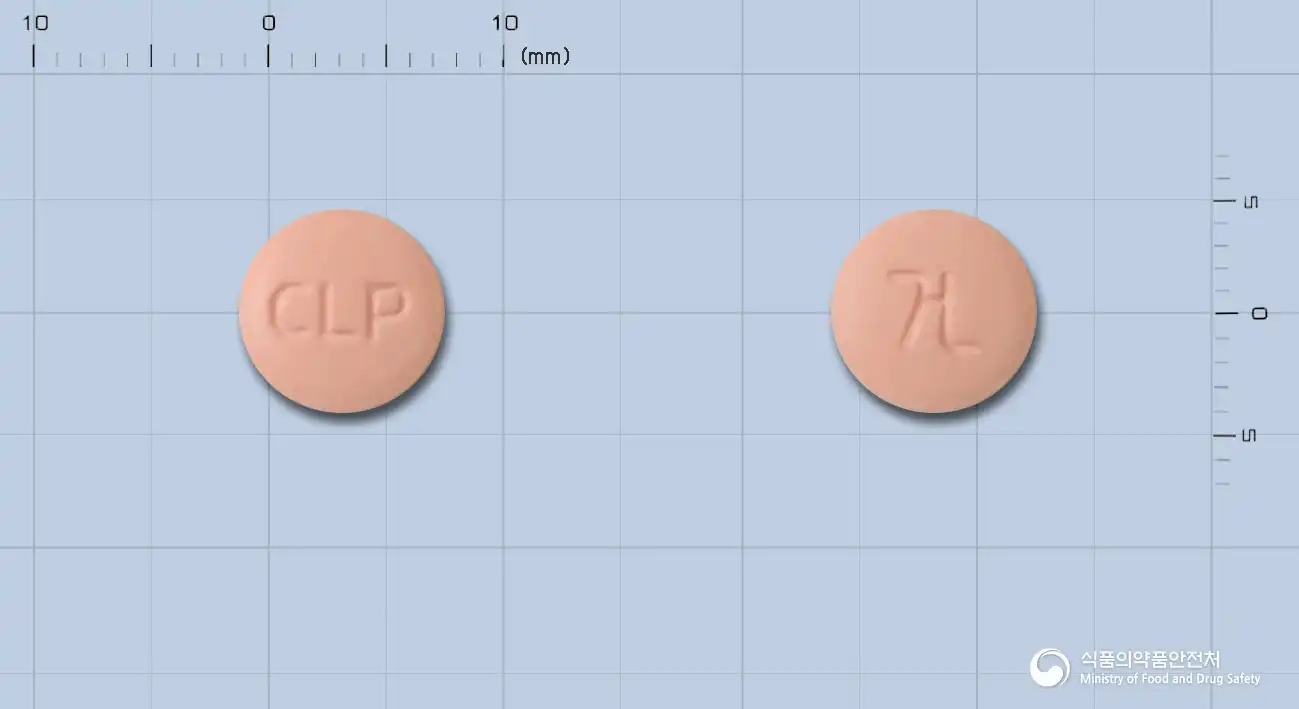
Clopidogrel Bisulfate 97.875mg
Tablet · Prescription medication
Geonil Pharmaceutical Co., Ltd.
Clopidogrel Bisulfate 97.875mg
Tablet · Prescription medication
Sama Pharmaceutical Co., Ltd.
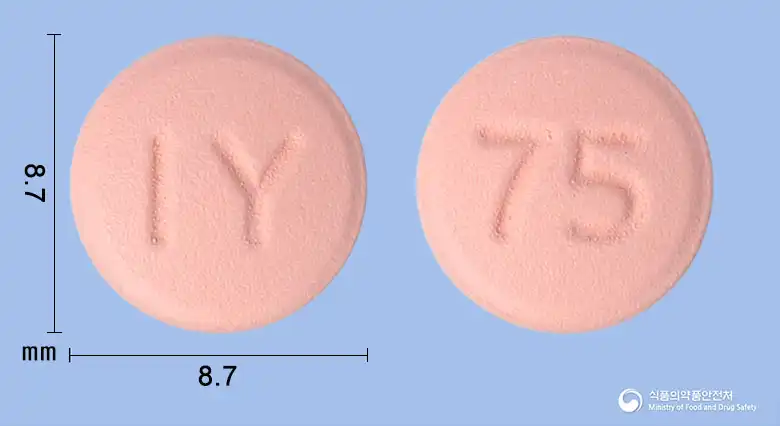
Clopidogrel Bisulfate 97.875mg
Tablet · Prescription medication
Il Yang Pharmaceutical Co., Ltd.
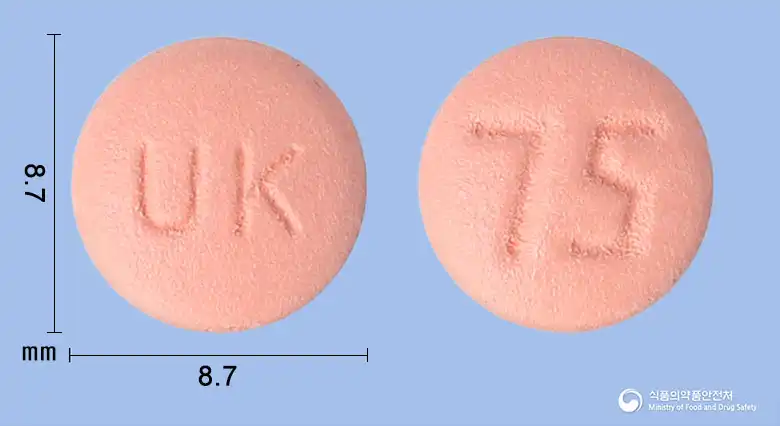
Clopidogrel Bisulfate 97.875mg
Tablet · Prescription medication
Korea Union Pharmaceutical Co., Ltd.

Clopidogrel Bisulfate 97.875mg
Tablet · Prescription medication
(Co., Ltd.) Korea Pharma
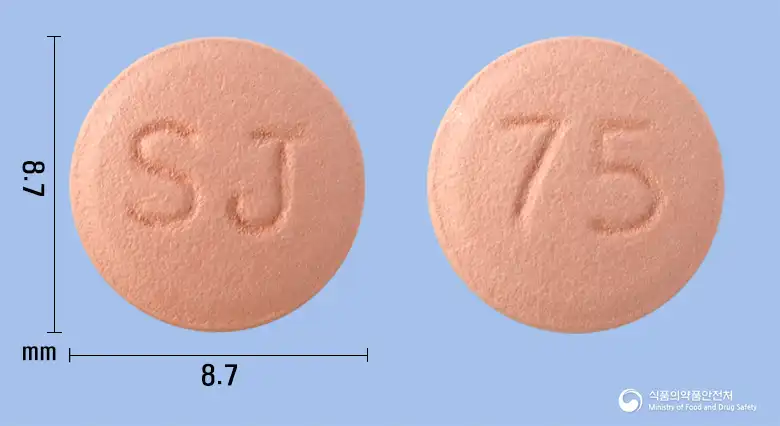
Clopidogrel Bisulfate 97.875mg
Tablet · Prescription medication
Samjin Pharmaceutical Co., Ltd.
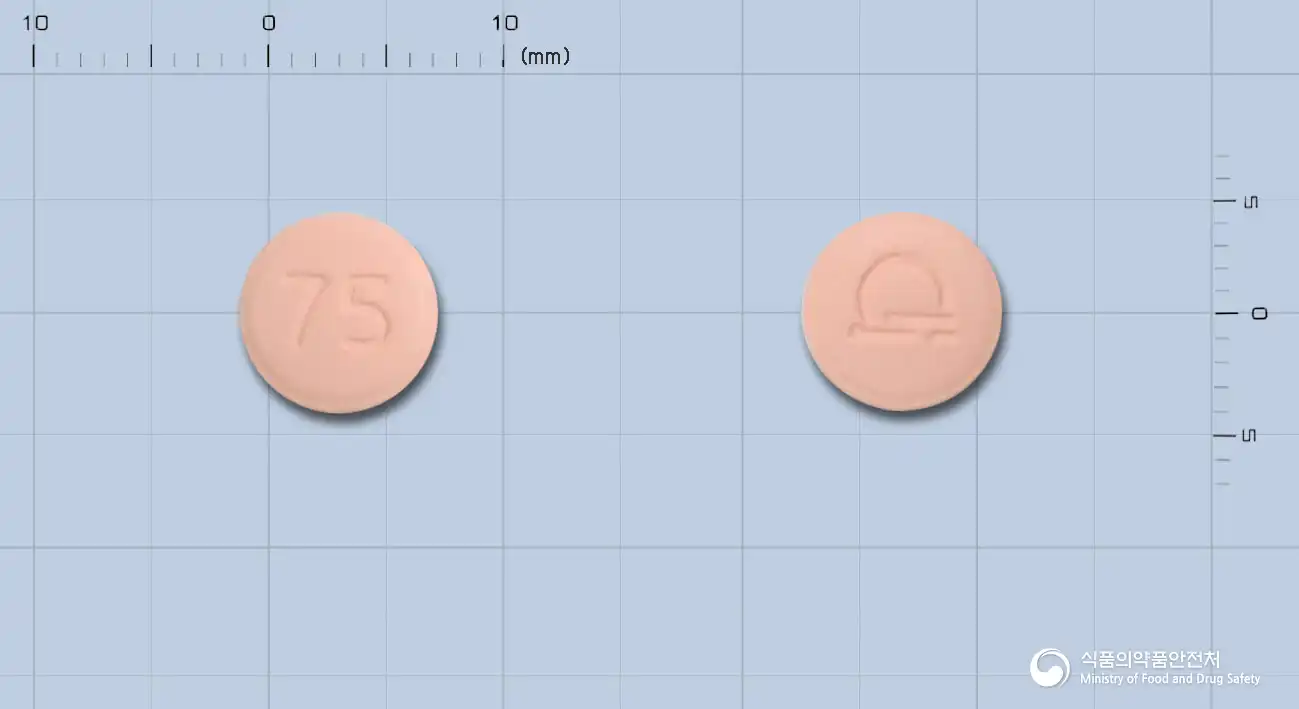
Clopidogrel Bisulfate 97.875mg
Tablet · Prescription medication
Daewon Pharmaceutical Co., Ltd.
Even with the same ingredient, the dose and directions can differ by strength and dosage form. Talk to a doctor or pharmacist before switching from a medication you are already taking.
No questions yet.
For anything that needs medical judgment, consult a doctor or pharmacist.
This drug information is based on data provided by the Korea Ministry of Food and Drug Safety.
Consult a doctor or pharmacist for accurate dosage, administration, and usage instructions.