
 한국어
한국어 English
 日本語
日本語 中文(简体)
 Viewing now
Monka Tablet 10 mg (Montelukast Sodium)
Montelukast Sodium 10.4mg
Tablet · Prescription medication
Il Sung IS Co., Ltd.
MFDS item code 201903262 · Approved 2019.05.21 · Insurance code 655404520
Treatment for prevention of asthma and relief of allergy rhinitis symptoms
This medication helps to prevent and manage asthma continuously. It is also used to relieve symptoms of allergic rhinitis that occur seasonally or throughout the year.
This medication is taken once daily; for asthma patients, it should be taken in the evening, and for allergic rhinitis patients, the dosage time should be determined based on the patient's condition. For patients with both asthma and allergic rhinitis, one tablet, one packet, or one piece should be taken once daily in the evening. Adults and adolescents aged 15 or above should take 10 mg of Montelukast orally once daily.
This medication is used to treat asthma and allergic rhinitis. During treatment, neurological and psychiatric symptoms may occur, so patients and caregivers should pay attention to new neurological or psychiatric symptoms or behavioral changes. If symptoms such as anxiety, depression, hallucinations, or suicidal thoughts arise, discontinue use immediately and consult a physician. This medication contains the artificial sweetener Aspartame, so patients with the genetic condition Phenylketonuria should limit its use. Patients with genetic conditions such as galactose intolerance, lactose deficiency, or glucose-galactose malabsorption should not take this medication if it contains lactose. This medication is not a treatment for acute asthma attacks; therefore, appropriate emergency medication must always be available during acute symptoms. The dosage of inhaled corticosteroid preparations may be gradually decreased during treatment, but corticosteroid preparations should not be suddenly switched to this medication. This medication should not be used alone for treating exercise-induced bronchoconstriction; the use of inhaled β-agonists should continue if necessary. Patients with aspirin hypersensitivity should avoid taking aspirin or non-steroidal anti-inflammatory drugs while using this medication. Rarely, symptoms of systemic eosinophilia and vasculitis may appear, so the physician should closely monitor the patient. This medication has not shown an increase in adverse reactions when used with other asthma medications, and interactions with multiple drugs are generally minimal. During pregnancy, it should be administered cautiously only when necessary, and caution is also required during breastfeeding. Safety has been relatively established in children and the elderly, but the safety and efficacy in children under 6 months have not been established. There is no specific antidote in case of overdose, so general treatment and clinical monitoring are necessary. This medication should be stored out of the reach of children, and care should be taken not to transfer it to another container as this may affect its quality. Even when there are no asthma symptoms, this medication should be taken regularly, and if symptoms worsen, consultation with a physician is essential. If symptoms suddenly worsen during treatment or the use of rescue inhalers increases, immediate medical attention is required. Patients should not arbitrarily reduce or discontinue other asthma treatments during use, and those with exercise-induced asthma should continue using inhaled β-agonists for prevention. If neurological or psychiatric symptoms occur, inform the physician immediately, and patients with aspirin hypersensitivity should avoid taking aspirin or non-steroidal anti-inflammatory drugs.
Hives, Angioedema, Toxic Epidermal Necrolysis, Stevens-Johnson Syndrome, Seizures, Suicidal Thoughts and Behavior, Suicide, Thrombocytopenia, Liver Abnormalities (including increased ALT and AST), Pulmonary Eosinophilia, Vasculitis, Eosinophilia, Nosebleeds, Swelling
Not everyone experiences these, and they can vary from person to person.
This medication is sensitive to air, moisture, and light, and should be stored in a tightly sealed container. Additionally, it is best to store it at room temperature, which is neither too hot nor too cold, ideally between 1 degree and 30 degrees Celsius.
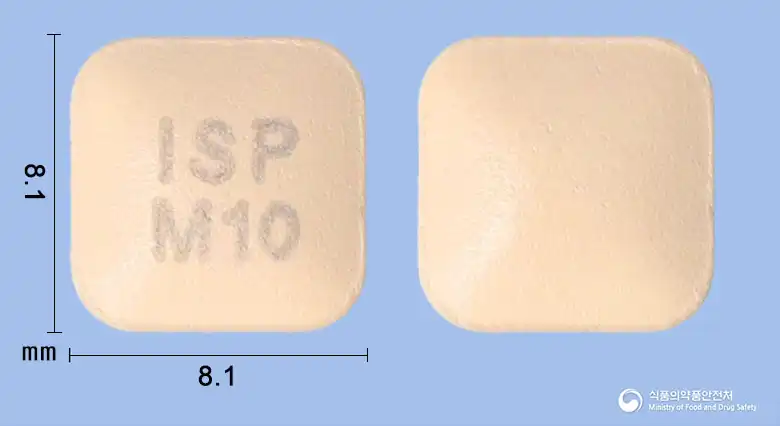
Beige, rounded square film-coated tablets
28 tablets (7 tablets/PTPX4)
Even with the same ingredient, strength, dosage form and how it is taken can differ.
Viewing nowMontelukast Sodium 10.4mg
Tablet · Prescription medication
Il Sung IS Co., Ltd.
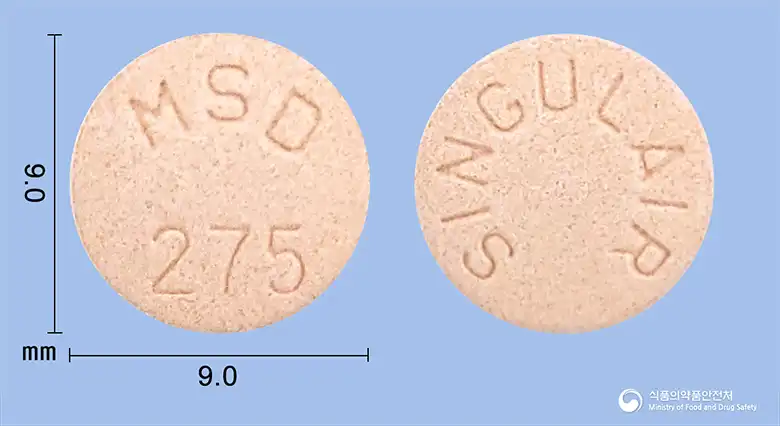
Montelukast Sodium 5.2mg
Chewable Tablet · Prescription medication
Korea Organon Co., Ltd.
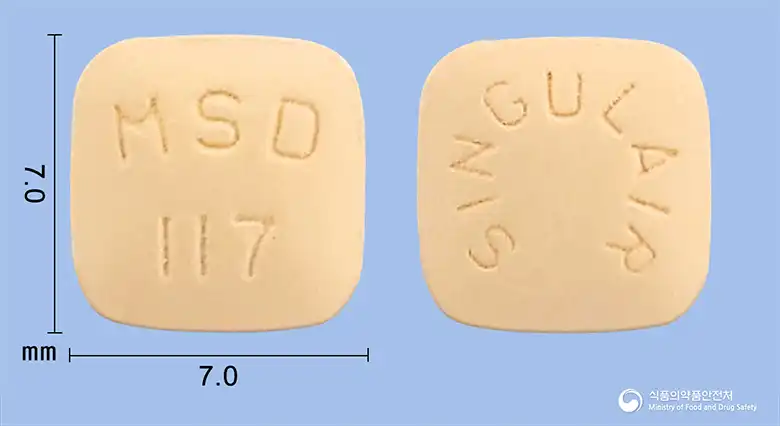
Montelukast Sodium 10.4mg
Tablet · Prescription medication
Korea Organon Co., Ltd.
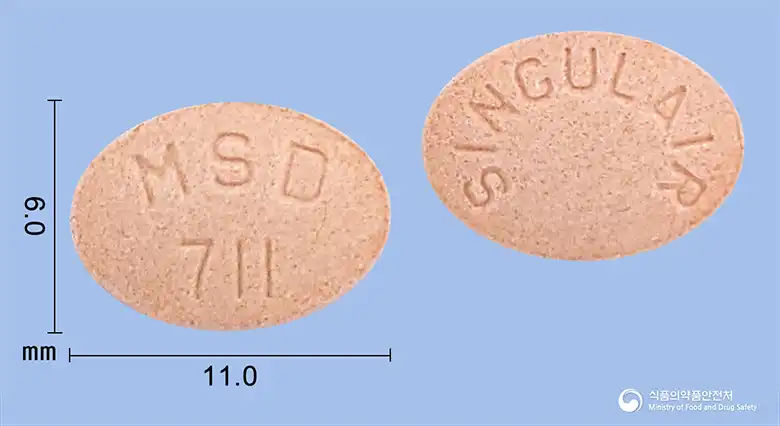
Montelukast Sodium 4.16mg
Chewable Tablet · Prescription medication
Korea Organon Co., Ltd.
Montelukast Sodium 4.16mg
Prescription medication
Korea Organon Co., Ltd.
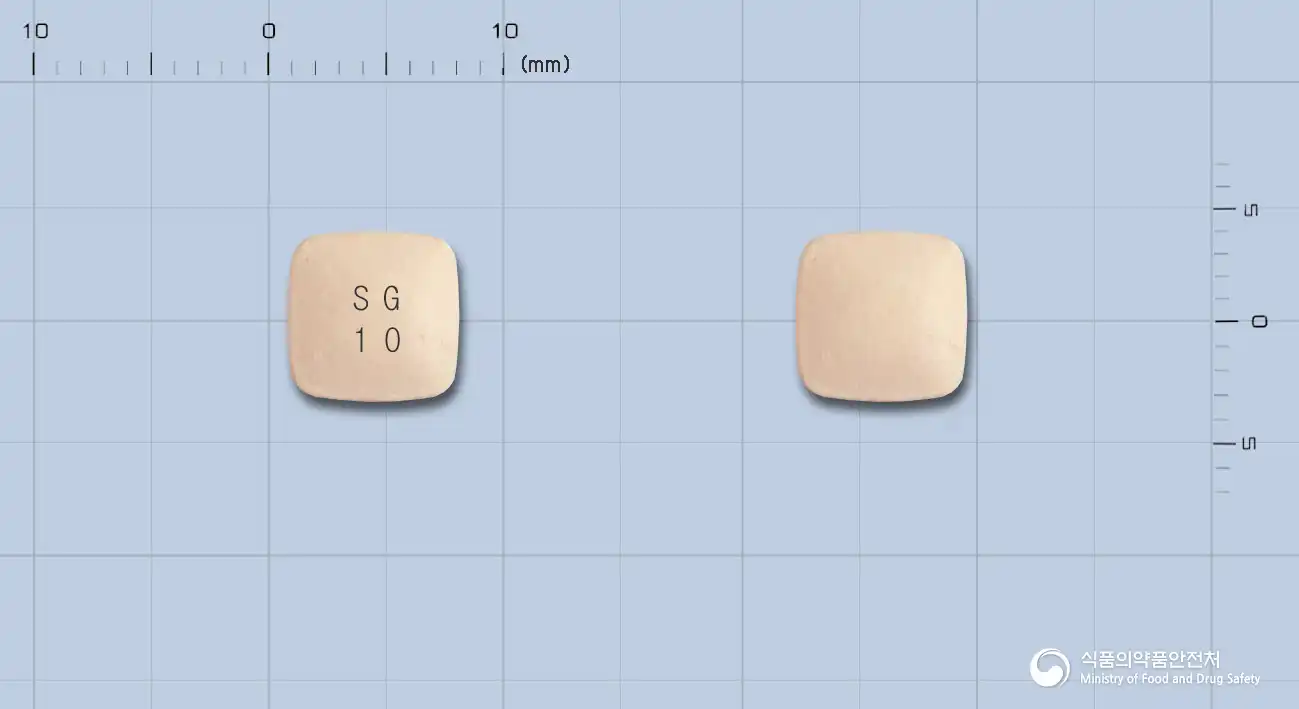
Montelukast Sodium 10.4mg
Tablet · Prescription medication
JW Pharmaceutical Co., Ltd.
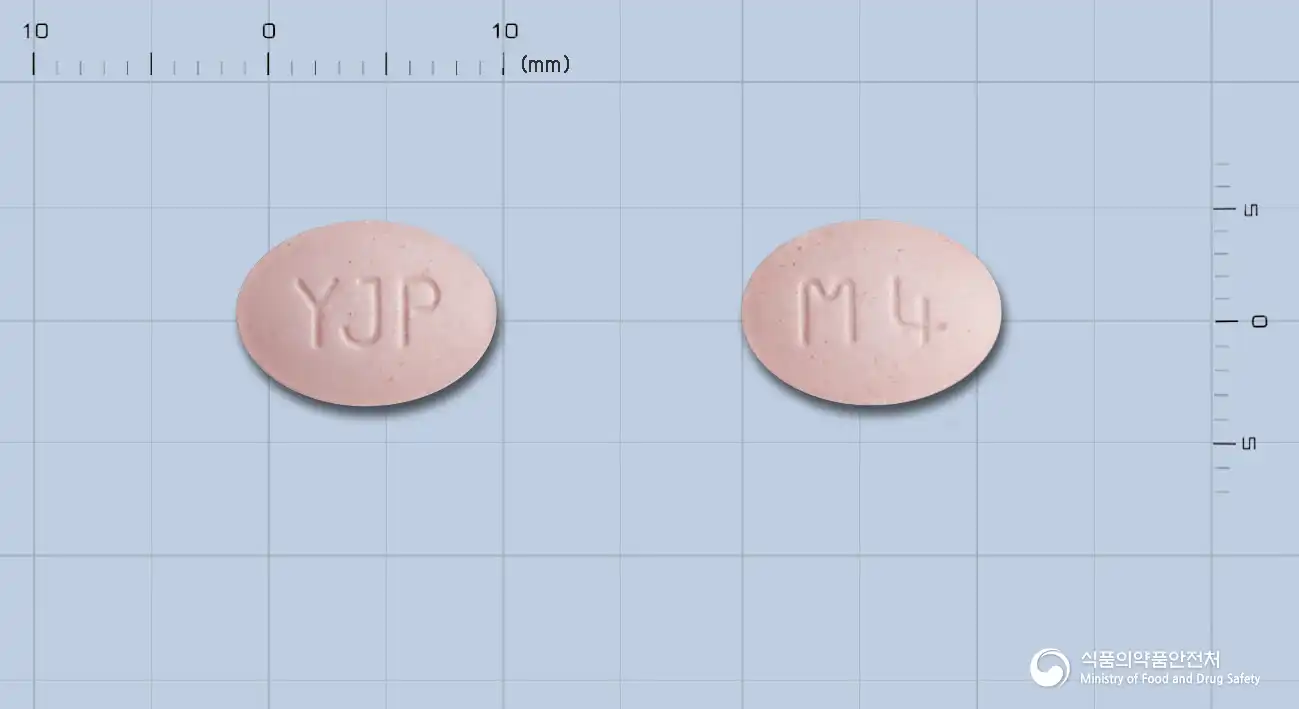
Montelukast Sodium 4.16mg
Chewable Tablet · Prescription medication
Youngjin Pharmaceutical Co., Ltd.
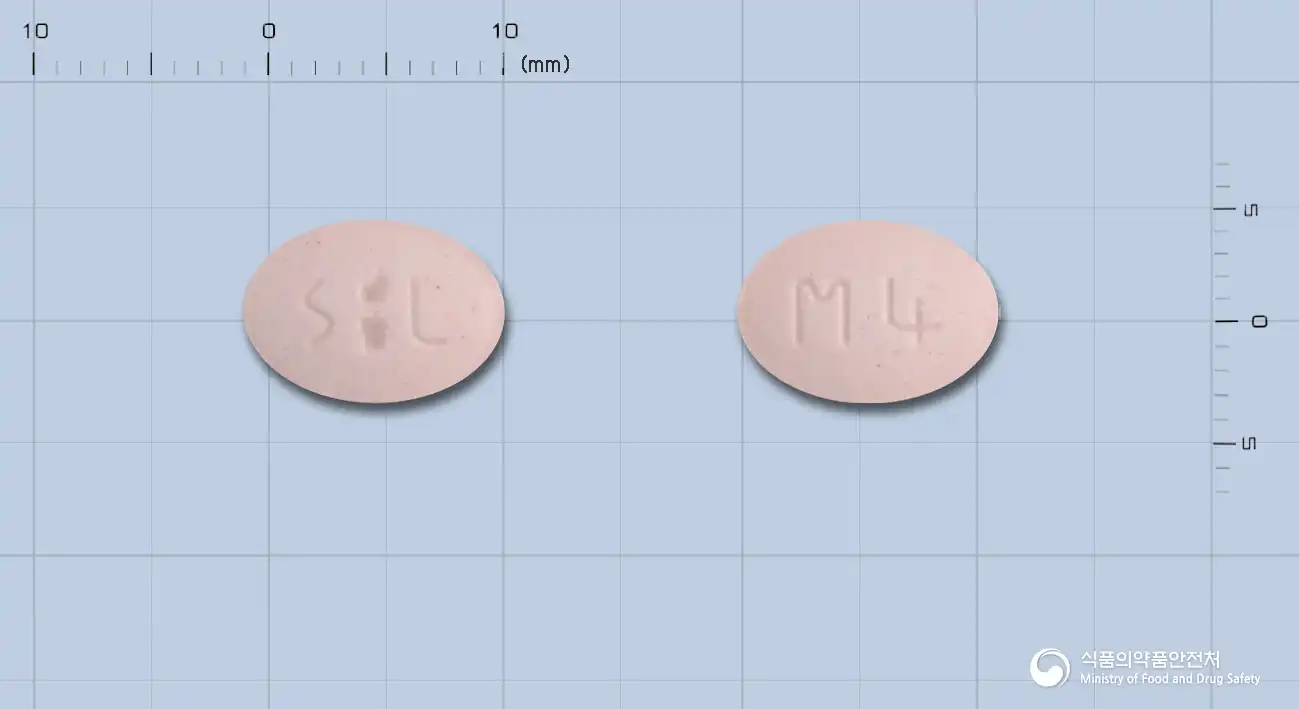
Montelukast Sodium 4.16mg
Chewable Tablet · Prescription medication
Samil Pharmaceutical Co., Ltd.
Even with the same ingredient, the dose and directions can differ by strength and dosage form. Talk to a doctor or pharmacist before switching from a medication you are already taking.
No questions yet.
For anything that needs medical judgment, consult a doctor or pharmacist.
This drug information is based on data provided by the Korea Ministry of Food and Drug Safety.
Consult a doctor or pharmacist for accurate dosage, administration, and usage instructions.