
 한국어
한국어 English
 日本語
日本語 中文(简体)
Dosage form image
Viewing nowCetirizine Liquid (Levocetirizine Hydrochloride)
Levocetirizine Hydrochloride 0.05g
Solution · Prescription medication
Genufarma Co., Ltd.
MFDS item code 201903085 · Notified 2019.05.13
Relief of allergic rhinitis and urticaria symptoms
This medication is effective in alleviating symptoms caused by seasonal and perennial allergic rhinitis, as well as chronic idiopathic urticaria and associated dermatitis and eczema symptoms. It is particularly safe for children aged 6 and older and adults, and is more effective when used in conjunction with hydrocortisone topical preparations. It helps improve these symptoms, enhancing the patient's quality of life.
Adults and children aged 6 years and older: Administer 1 dose of 5 mg (10 mL as a liquid) orally once a day, regardless of meals. Adjust dosage for adult patients with renal impairment according to renal function (estimated glomerular filtration rate - eGFR).
Children aged 2 years and above but under 6 years: 1 dose of 1.25 mg (2.5 mL as a liquid), administered orally twice a day. Children aged 1 year to under 2 years: 1 dose of 1.25 mg (2.5 mL as a liquid), administered orally once a day.
This medication should not be administered to certain patients. Individuals with allergies or hypersensitivity to this drug's components or similar medications should not use it. Patients with end-stage renal disease or those undergoing dialysis should also avoid this medication. It should not be used in infants under 1 year of age, and children under 6 years should be given the liquid form rather than tablets. The liquid formulation contains maltitol, which should be avoided by those with fructose intolerance. Patients with impaired renal or liver function, as well as the elderly, should use this medication cautiously, as blood levels may increase. Taking this medication may result in neurological symptoms such as drowsiness, headaches, dizziness, and fatigue. Gastrointestinal issues may include dry mouth, nausea, abdominal pain, and diarrhea. Rarely, cardiovascular anomalies such as rapid heart rate or arrhythmia may occur. Hematological adverse reactions may include leukopenia or platelet abnormalities. Additionally, allergic reactions could manifest as skin rashes, itching, swelling, and in severe cases, anaphylactic shock. Eye effects may lead to blurred vision or redness, and rare reports of liver or kidney dysfunction have been noted. After taking this medication, drowsiness or lethargy may occur, so caution is advised when driving or operating hazardous machinery. Concurrent use with alcohol or central nervous system depressants may worsen drowsiness, so it is better to avoid such combinations. Patients with urinary tract issues or epilepsy should be cautious as their conditions may worsen with this medication. The fetal risk during pregnancy is not clearly established, but it should be used with caution. Breastfeeding women should be cautious as this medication may be secreted in breast milk, and the infant may exhibit adverse reactions. For children, it is not recommended for infants under 1 year, and administering the liquid form is advised for children under 6. The elderly may have decreased kidney function, so starting with a lower dose and monitoring their condition is necessary. It is advisable to discontinue this medication for 3 to 5 days prior to allergy testing. In case of overdose, symptoms such as drowsiness, agitation, and anxiety may occur, and as there are no specific antidotes, symptomatic treatment should be provided. Blood dialysis is not effective for the removal of this medication.
Urticaria, severe swelling (edema), chest tightness, difficulty breathing, cold sweat, paleness, anaphylactic shock, angioedema, high fever with severe rash, blisters, skin desquamation, pain in oral/ocular mucosa, severe skin reactions, respiratory distress, asthma attacks, breathing abnormalities accompanying cough and fever, yellowing of skin or eyes (jaundice), severe lethargy, sudden and very severe headaches, thunderclap headache, seizures,
Not everyone experiences these, and they can vary from person to person.
This medication should be stored in a tightly sealed container that blocks light, at a temperature between 1 to 30 degrees Celsius. Proper storage will help maintain the efficacy of the medication and prevent degradation.
Colorless and transparent solution in a plastic bottle
500 milliliters/bottle
Even with the same ingredient, strength, dosage form and how it is taken can differ.
Levocetirizine Hydrochloride 0.05g
Solution · Prescription medication
Genufarma Co., Ltd.
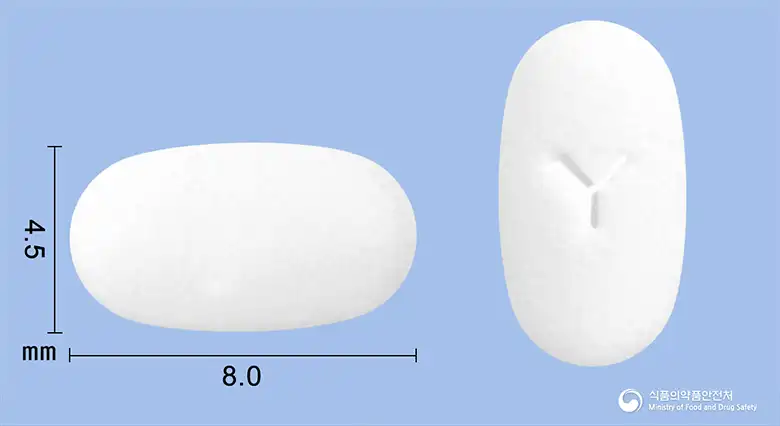
Levocetirizine Hydrochloride 5mg
Tablet · Prescription medication
HanKook UCB Pharma Co., Ltd.
Levocetirizine Hydrochloride 50mg
Solution · Prescription medication
Korea UCB Pharmaceutical Co., Ltd.
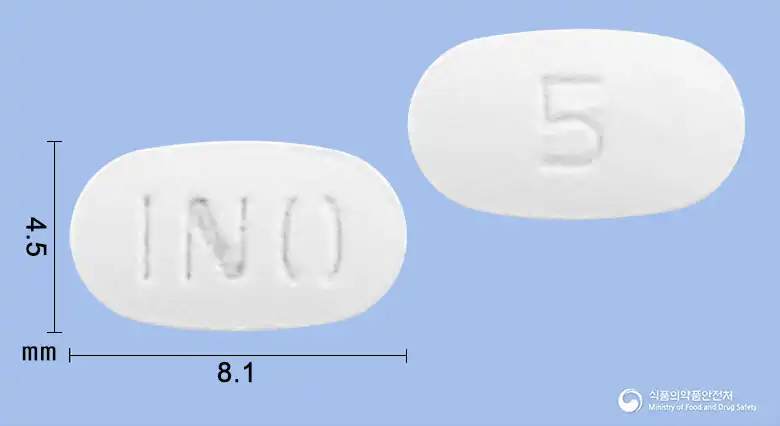
Levocetirizine Hydrochloride 5mg
Tablet · Prescription medication
HK inno.N Co., Ltd.
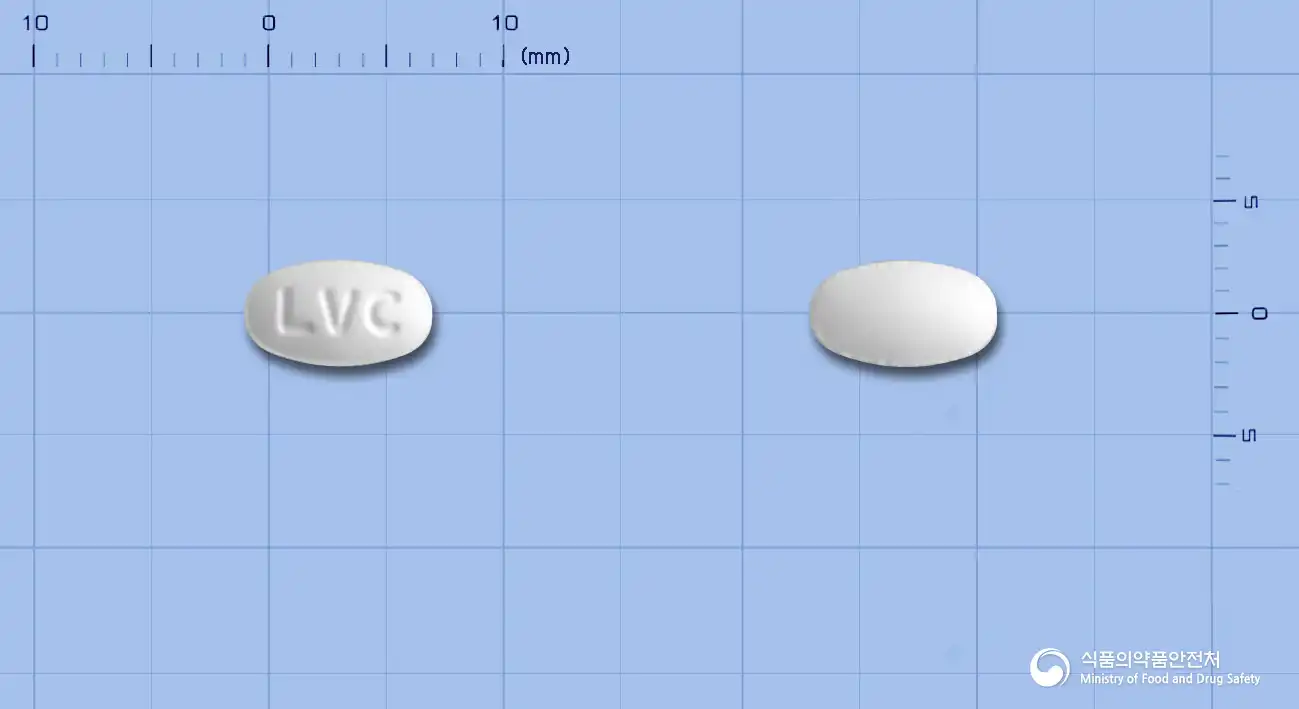
Levocetirizine Hydrochloride 5mg
Tablet · Prescription medication
Hanwha Pharmaceutical Co., Ltd.
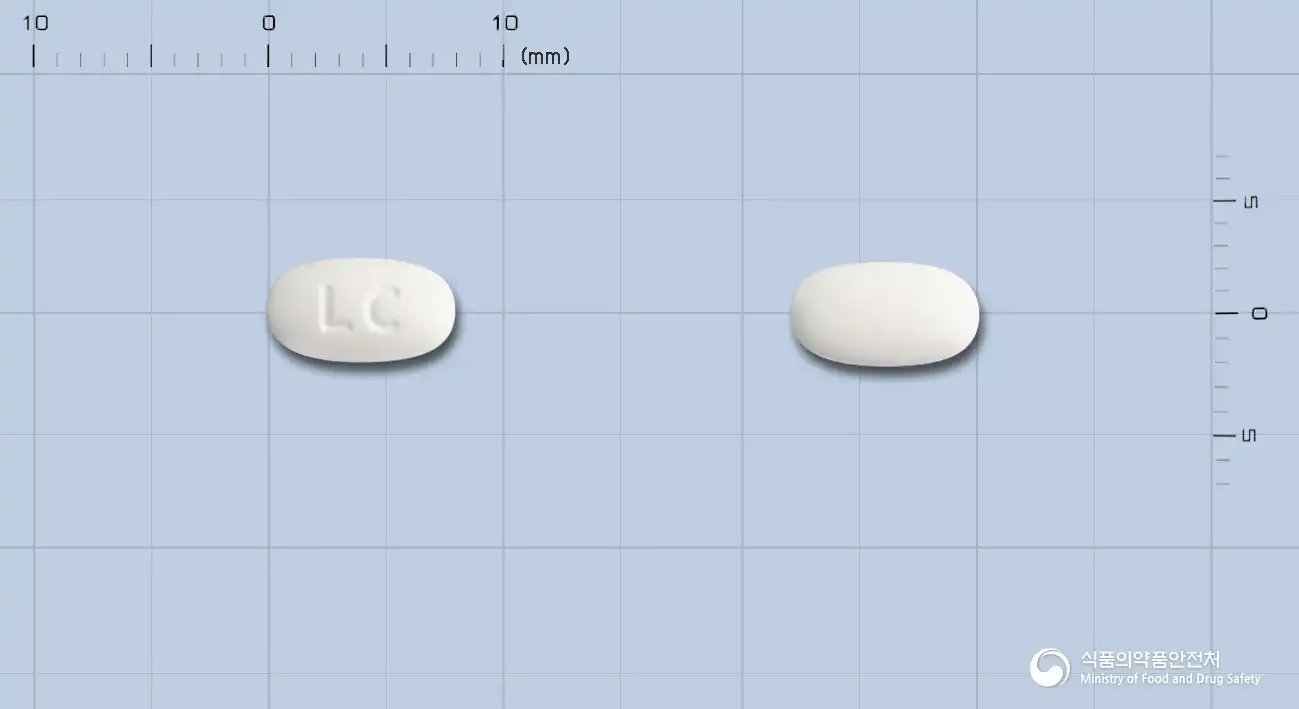
Levocetirizine Hydrochloride 5mg
Tablet · Prescription medication
Dongkwang Pharmaceutical Co., Ltd.
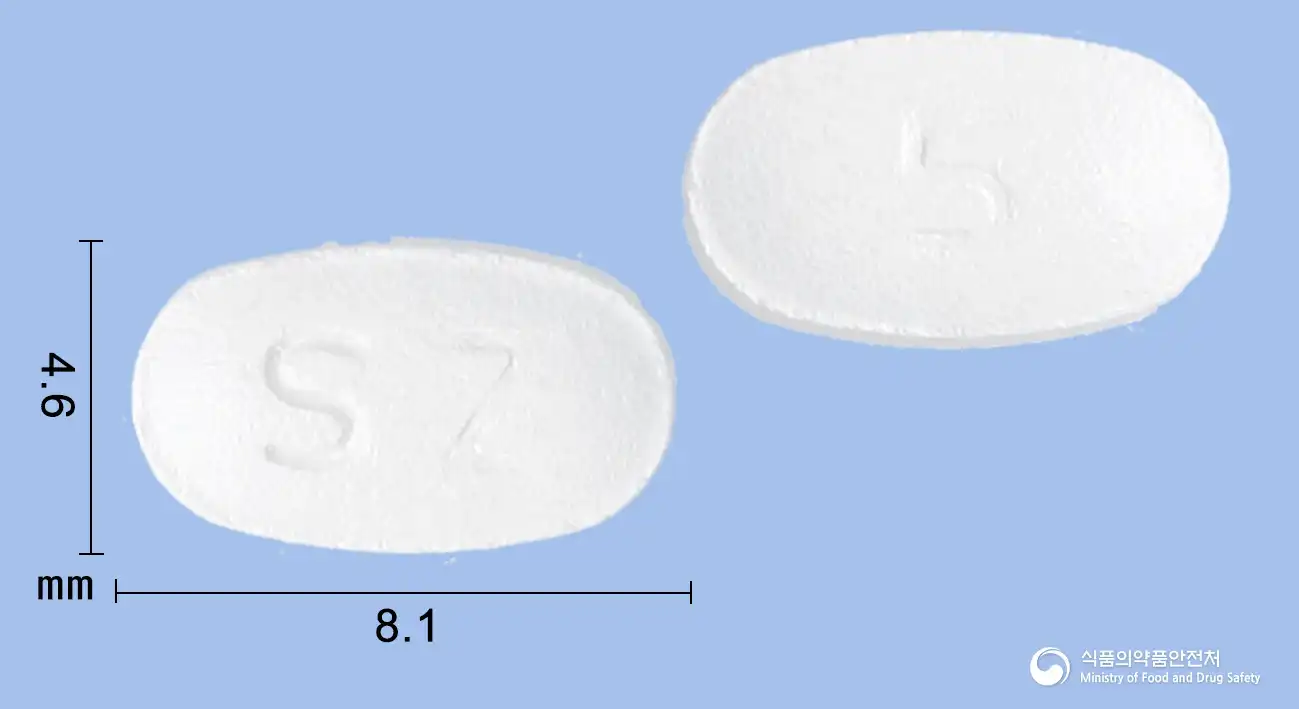
Levocetirizine Hydrochloride 5mg
Tablet · Prescription medication
Kyungdong Pharmaceutical Co., Ltd.
Levocetirizine Hydrochloride 5mg
Tablet · Prescription medication
Hanlim Pharmaceutical Co., Ltd.
Even with the same ingredient, the dose and directions can differ by strength and dosage form. Talk to a doctor or pharmacist before switching from a medication you are already taking.
No questions yet.
For anything that needs medical judgment, consult a doctor or pharmacist.
This drug information is based on data provided by the Korea Ministry of Food and Drug Safety.
Consult a doctor or pharmacist for accurate dosage, administration, and usage instructions.