
 한국어
 English
 日本語
 中文(简体)
 Viewing now
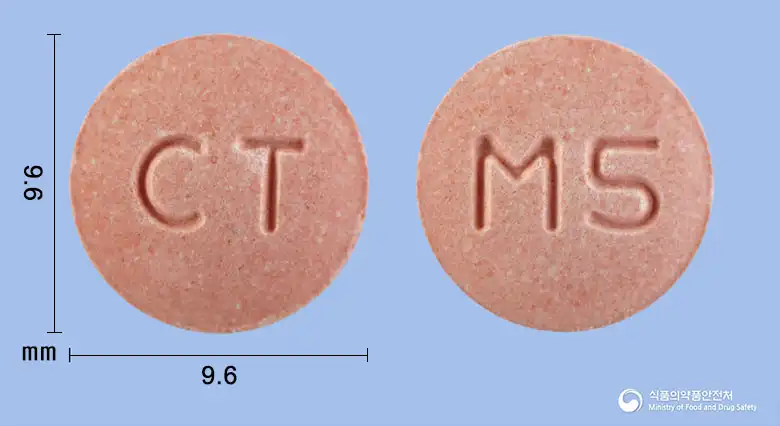
Montelol Chewable Tablet 5 mg (Montelukast Sodium)
Montelukast Sodium 5.2mg
Chewable Tablet · Prescription medication
HLB Pharmaceuticals Co., Ltd.
MFDS item code 201903031 · Approved 2019.05.10 · Insurance code 647303790
Prevention and ongoing treatment of asthma; relief of symptoms of seasonal and perennial allergic rhinitis
This medication is used to prevent asthma attacks and for the long-term treatment of asthma. It also helps relieve symptoms of seasonal and perennial allergic rhinitis. It effectively improves respiratory symptoms associated with asthma and allergic rhinitis.
Take this medicine once daily. Patients with asthma should take it in the evening; for patients with allergic rhinitis, the time of administration should be determined according to the patient's condition. Patients with both asthma and allergic rhinitis should take 1 tablet once daily in the evening. Take this medicine 1 hour before or 2 hours after a meal.
Asthma or allergic rhinitis 5 mg chewable tablet Children aged 6~14 years: Chew and take 5 mg of montelukast once daily.
This medication is used to relieve symptoms of asthma and allergic rhinitis. During treatment, neurological or psychiatric symptoms may occur; hence, if there are changes in mental state such as anxiety, depression, hallucinations, or suicidal thoughts, you should inform your doctor immediately. This medication contains aspartame, an artificial sweetener, so patients with phenylketonuria should avoid it and limit intake of aspartame. Formulations containing lactose should not be administered to patients with certain genetic disorders such as galactose intolerance. Common side effects include fatigue, headache, abdominal pain, cough, rash, etc., and rare reports of liver dysfunction or hematological adverse reactions are also noted. This medication should not be used for acute asthma attacks; a separate fast-acting inhaler should be used in emergencies, and this medication helps manage asthma when taken continuously. Patients with hypersensitivity to aspirin or non-steroidal anti-inflammatory drugs should not take these medications concurrently with this one. During pregnancy or breastfeeding, it should only be used after consultation with a doctor when deemed necessary, and children and the elderly should also take it according to a doctor's instructions. In case of overdose, there is no specific antidote; general treatment should be conducted according to symptoms under the guidance of a physician. When storing, keep out of reach of children, and do not transfer into another container. This medication should be taken continuously, even if there are no symptoms, and if symptoms worsen or unusual symptoms appear, consult your healthcare provider.
Not everyone experiences these, and they can vary from person to person.
This medication is sensitive to moisture and light, so it should be stored at room temperature between 1°C and 30°C. Additionally, it is important to keep it in a tightly sealed container to prevent air exposure.
Pink chewable tablet with a convex shape on both sides
28 tablets/box [(7 tablets/PTP X 4)]
Even with the same ingredient, strength, dosage form and how it is taken can differ.
Viewing nowMontelukast Sodium 5.2mg
Chewable Tablet · Prescription medication
HLB Pharmaceuticals Co., Ltd.
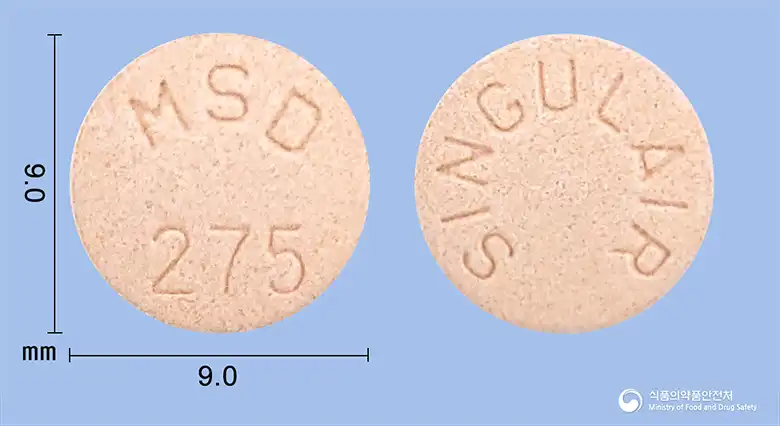
Montelukast Sodium 5.2mg
Chewable Tablet · Prescription medication
Korea Organon Co., Ltd.
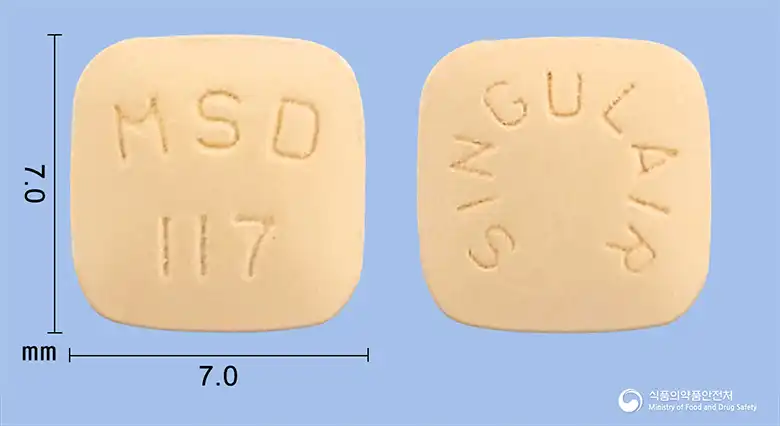
Montelukast Sodium 10.4mg
Tablet · Prescription medication
Korea Organon Co., Ltd.
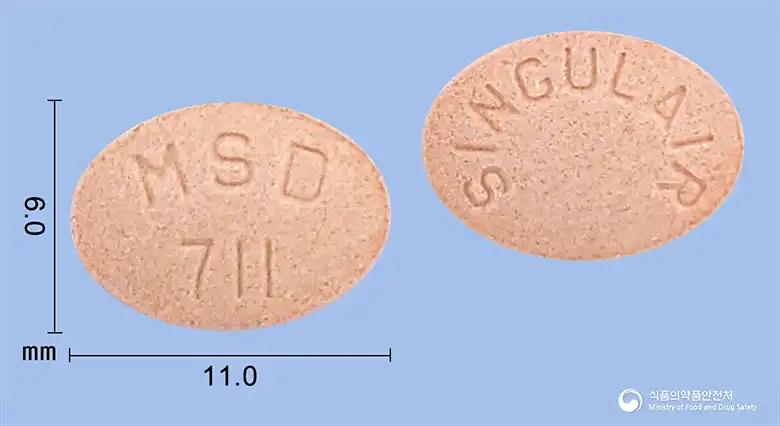
Montelukast Sodium 4.16mg
Chewable Tablet · Prescription medication
Korea Organon Co., Ltd.
Montelukast Sodium 4.16mg
Prescription medication
Korea Organon Co., Ltd.
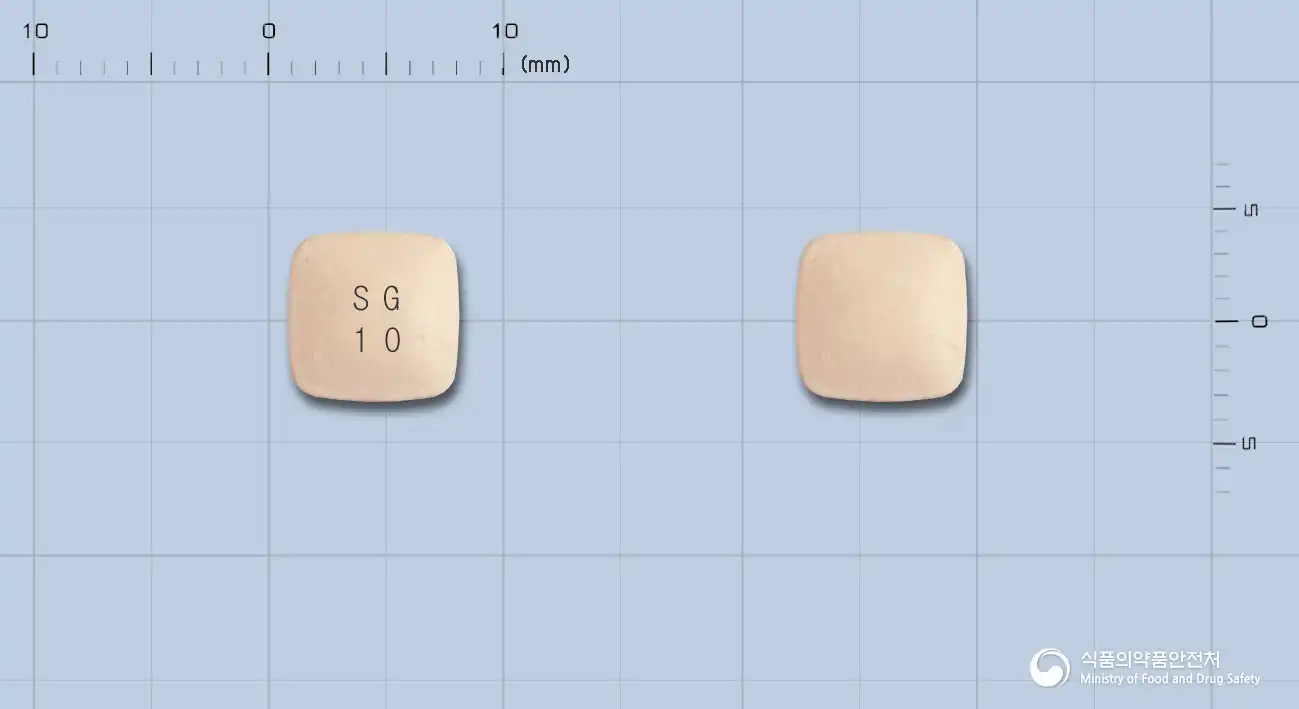
Montelukast Sodium 10.4mg
Tablet · Prescription medication
JW Pharmaceutical Co., Ltd.
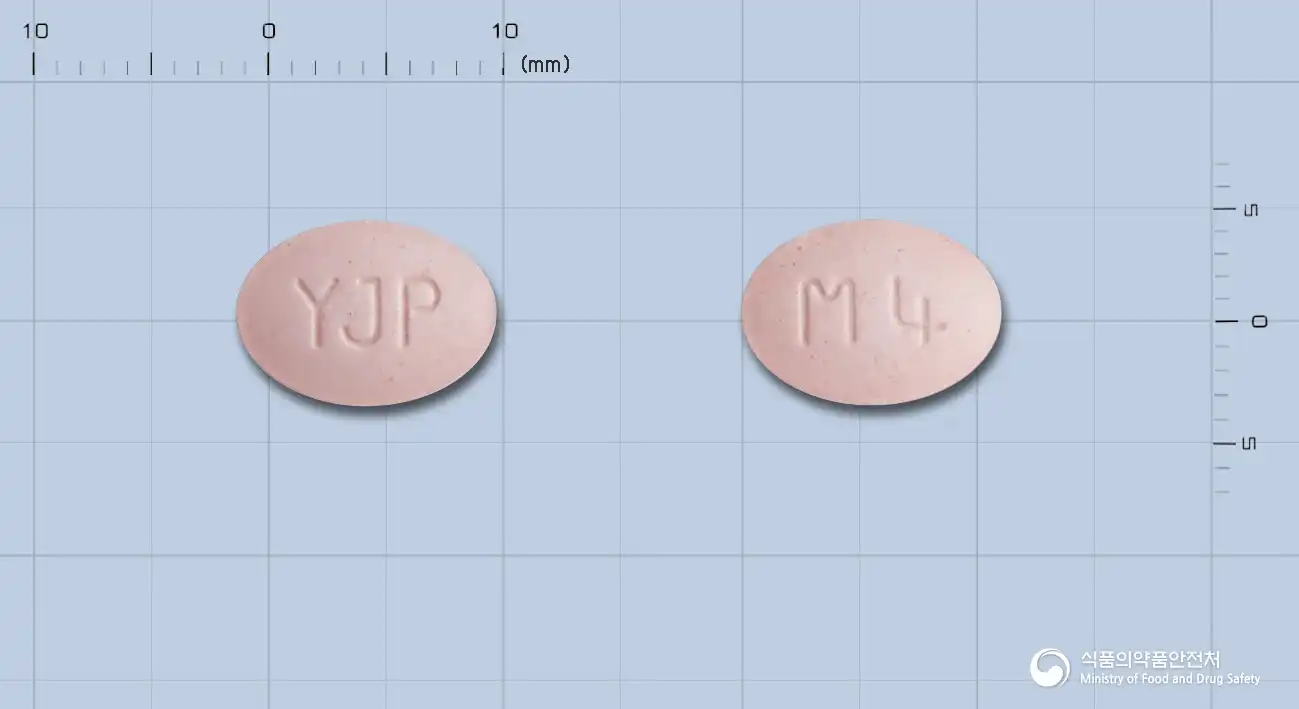
Montelukast Sodium 4.16mg
Chewable Tablet · Prescription medication
Youngjin Pharmaceutical Co., Ltd.
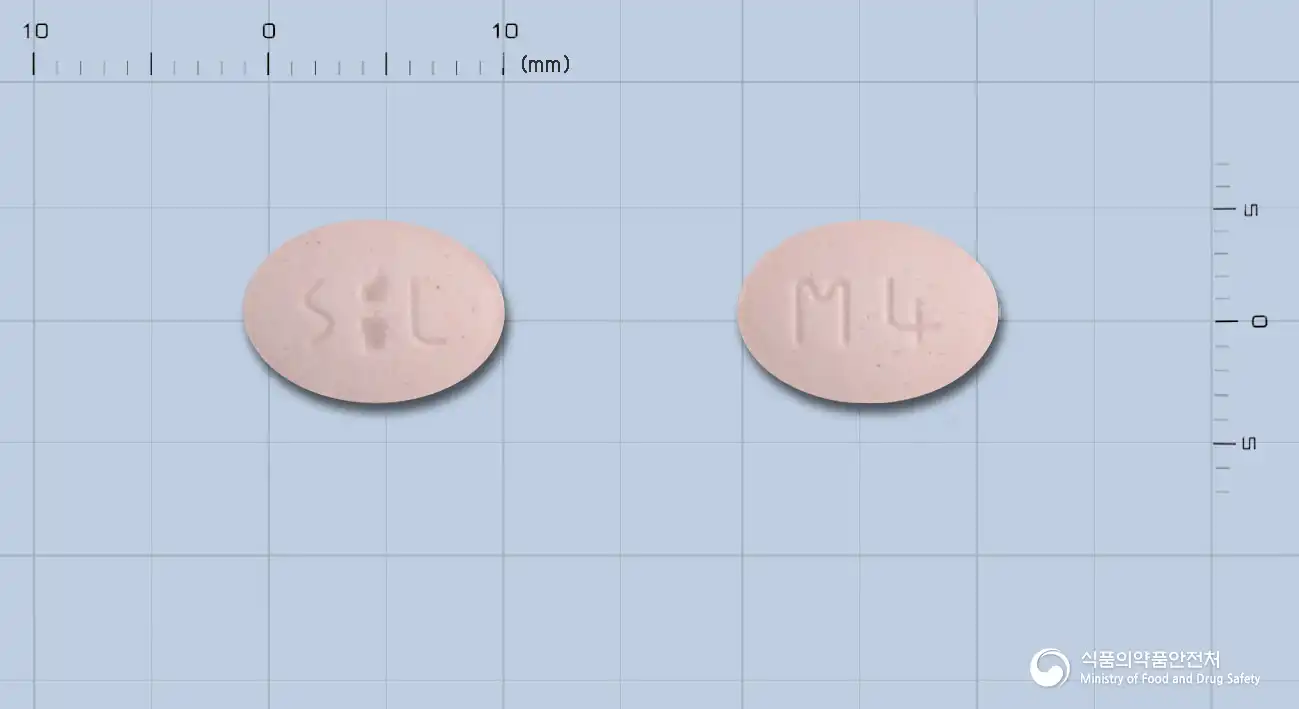
Montelukast Sodium 4.16mg
Chewable Tablet · Prescription medication
Samil Pharmaceutical Co., Ltd.
Even with the same ingredient, the dose and directions can differ by strength and dosage form. Talk to a doctor or pharmacist before switching from a medication you are already taking.
No questions yet.
For anything that needs medical judgment, consult a doctor or pharmacist.
This drug information is based on data provided by the Korea Ministry of Food and Drug Safety.
Consult a doctor or pharmacist for accurate dosage, administration, and usage instructions.