
 한국어
 English
 日本語
 中文(简体)
Dosage form image
Viewing nowSamsung Ofloxacin Tablet 100 mg
Ofloxacin 100mg
Tablet · Prescription medication
Samsung Pharm Co., Ltd.
MFDS item code 201902988 · Approved 2019.05.09
This product's status changed to Expired on 2024.05.09. It may no longer be sold, so consult a doctor or pharmacist before taking it.
Treatment of bacterial infections (respiratory, genitourinary, etc.) and eye and skin infections; combination treatment for leprosy
This medication is used to treat various infections caused by different bacteria. It is effective for complicated skin and soft tissue infections, as well as acute otitis media, chronic sinusitis, acute exacerbation of pneumonia, and chronic obstructive pulmonary disease. It is also used for urinary tract infections such as pyelonephritis, cystitis, and urethritis, as well as gastrointestinal infections like bacterial dysentery and enteritis. It may be applied for intrauterine infections, periorbital infections, and in combination therapy for leprosy. However, as a fluoroquinolone antibiotic, it carries a risk of serious adverse reactions, and its use is recommended only when other treatment options are unavailable. This medication effectively treats various bacterial infections.
○ Usual adult dose: Take 300~600 mg of ofloxacin in 2~3 divided doses daily. ○ For Hansen’s disease, take 400~600 mg of this medicine in 2~3 divided doses daily. In principle, use in combination with other anti-Hansen’s disease medicines. Adjust the dose as appropriate according to age and symptoms.
This medication may cause tendon problems such as tendinitis or tendon rupture, so discontinue immediately if you experience pain or inflammation in the tendons. Furthermore, it may cause peripheral neuropathy, so if you experience numbness or abnormal sensations in your hands or feet, stop taking the medication and consult a physician. It may affect the central nervous system and may cause symptoms such as dizziness, headache, or seizures, so caution is necessary. Patients with myasthenia gravis should not take this medicine as it may worsen symptoms. This medication is used for specific infections only, and it is safer to administer it only when no other treatment options are available. Elderly patients or those with impaired renal function should have dosage adjustments due to potential increased drug concentration. Pregnant or potentially pregnant women, nursing mothers, and adolescents under 18 should not use this medication. During treatment, avoid excessive exposure to sunlight or UV light, and discontinue immediately if you experience skin rashes or hypersensitivity reactions. This medication may affect blood sugar control, so diabetic patients should monitor their blood sugar levels frequently. There are many potential interactions with other medications, so especially consult with a doctor or pharmacist if taking anticoagulants, anti-inflammatory drugs, or diabetic medications. During treatment, ensure adequate hydration to reduce renal burden, and exercise caution with tasks that require alertness, such as driving or operating machinery. If severe allergic reactions, breathing difficulties, or severe skin reactions occur, seek medical attention immediately. When administering the drug intravenously, it should be infused slowly, and in case of overdose, consult healthcare professionals promptly for appropriate measures. Store this medication out of the reach of children and do not transfer it to other containers.
Not everyone experiences these, and they can vary from person to person.
This medication should be stored in a sealed container to prevent air or moisture from entering, and should be kept at room temperature between 1°C and 30°C. This storage method helps maintain the medication's efficacy and prevents deterioration.
Yellow round film-coated tablet
30 tablets/bottle, 500 tablets/bottle
Even with the same ingredient, strength, dosage form and how it is taken can differ.
Ofloxacin 100mg
Tablet · Prescription medication
Samsung Pharm Co., Ltd.
Ofloxacin 100mg
Tablet · Prescription medication
Cejal Pharmaceutical Co., Ltd.
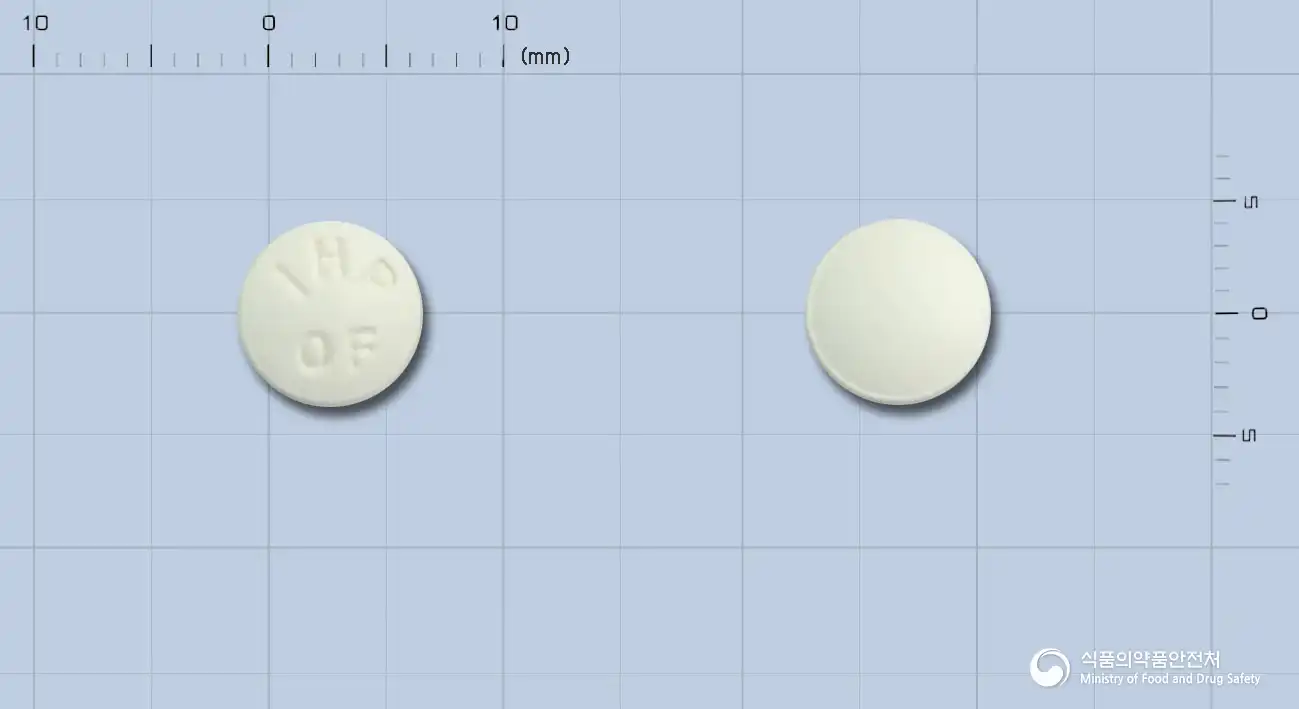
Ofloxacin 100mg
Tablet · Prescription medication
Ilhwa
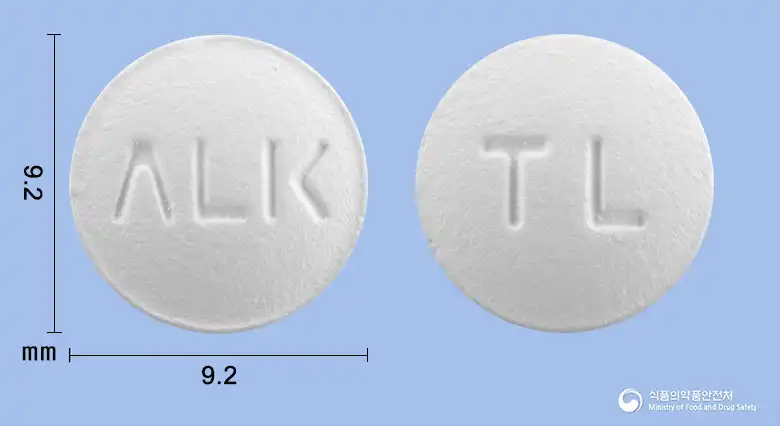
Ofloxacin 100mg
Tablet · Prescription medication
Alvogen Korea Co., Ltd.
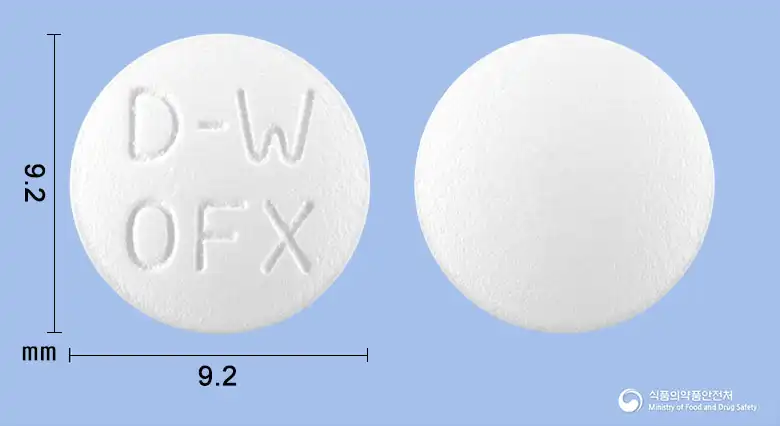
Ofloxacin 100mg
Tablet · Prescription medication
Donghwa Pharmaceutical Co., Ltd.
Ofloxacin
Prescription medication
Gujoo Pharmaceutical Co., Ltd.
Ofloxacin 200mg
Tablet · Prescription medication
Jeil Pharmaceutical Co., Ltd.
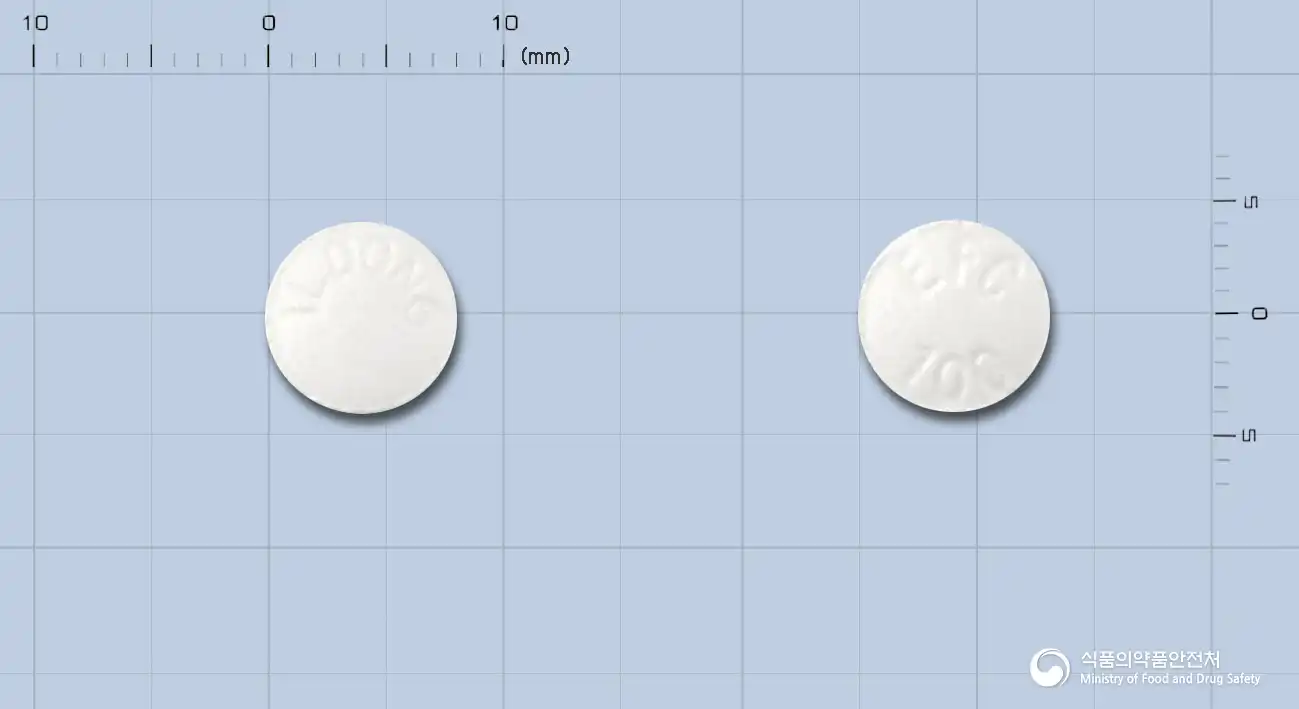
Ofloxacin 100mg
Tablet · Prescription medication
Il Dong Pharmaceutical Co., Ltd.
Even with the same ingredient, the dose and directions can differ by strength and dosage form. Talk to a doctor or pharmacist before switching from a medication you are already taking.
No questions yet.
For anything that needs medical judgment, consult a doctor or pharmacist.
This drug information is based on data provided by the Korea Ministry of Food and Drug Safety.
Consult a doctor or pharmacist for accurate dosage, administration, and usage instructions.