
 한국어
한국어 English
 日本語
日本語 中文(简体)
 Viewing now
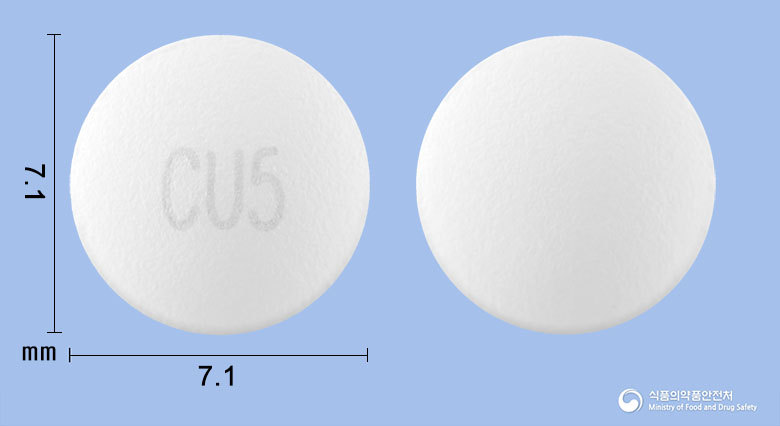
Donegrin 5 mg (Donepezil Hydrochloride Hydrate)
Donepezil Hydrochloride Hydrate 5mg
Tablet · Prescription medication
Searus Pharmaceutical Co., Ltd.
MFDS item code 201902850 · Approved 2019.05.02 · Insurance code 689000700
Improvement of Alzheimer’s type dementia symptoms
This medication is used for the treatment of Alzheimer’s type dementia symptoms. It alleviates various symptoms such as memory decline and cognitive dysfunction caused by Alzheimer's disease, helping patients to manage their daily lives more smoothly. With consistent use, it helps to slow the progression of symptoms and improve quality of life.
As donepezil hydrochloride, administer 5 mg once daily before bedtime. For the first 4 to 6 weeks, the dosage of 5 mg should be given, and, based on clinical response, may be increased to 10 mg thereafter. When increasing the dose to 10 mg, be cautious of gastrointestinal adverse reactions.
There is no established practice for use in children, so no dosing regimen is determined.
This medication contains donepezil hydrochloride as its main ingredient and is primarily used for the treatment of symptoms of Alzheimer’s type dementia. First, this medication should not be used in certain patients. For instance, individuals who are allergic to this medication, donepezil hydrochloride, piperidine derivatives, or any of its other components should not take it. Pregnant women or women who may become pregnant, as well as nursing mothers, should also avoid taking this medication. Since this medication contains lactose, individuals with genetic issues such as lactose intolerance, Lapp lactase deficiency, or glucose-galactose malabsorption should not take it. Patients with heart disease should use this medication with caution. Particularly, those with sick sinus syndrome or atrioventricular conduction disturbances should be careful, as this medication may slow heart rate or cause arrhythmias. Additionally, patients with a history of peptic ulcers or those taking non-steroidal anti-inflammatory drugs should also exercise caution to prevent exacerbating gastrointestinal issues. Patients with a history of asthma or obstructive pulmonary disease should monitor for worsening symptoms due to the drug’s bronchoconstriction and increased mucus secretion. Patients with Parkinson’s disease or similar extrapyramidal disorders should take this medication cautiously, as it may worsen symptoms. This medication contains the dye Sunset Yellow FCF, and therefore, patients who are allergic to or sensitive to this component should be careful. While taking this medication, various adverse reactions may occur. Adverse cardiovascular effects reported include syncope, bradycardia, heart block, QT interval prolongation, myocardial infarction, and heart failure. Digestive system-related issues can manifest as peptic ulcers, duodenal perforation, and gastrointestinal bleeding. Liver dysfunction or symptoms of hepatitis should also be monitored, alongside serious neurological adverse effects such as seizures or intracerebral hemorrhage. Furthermore, severe side effects may occur, including symptoms of Parkinson’s disease and neuroleptic malignant syndrome, so anyone experiencing muscle pain or weakness should consult medical professionals immediately. Psychiatric adverse reactions may include hallucinations, agitation, aggressive behavior, anxiety, insomnia, drowsiness, depression, and confusion. Common gastrointestinal adverse reactions include nausea, vomiting, diarrhea, and abdominal pain, as well as possible skin rash or itching. As a cholinesterase inhibitor, this medication may stimulate the vagus nerve in the heart, potentially causing bradycardia or cardiac conduction abnormalities, necessitating regular check-ups including ECG for patients with a history of heart disease. Moreover, it enhances gastric acid secretion and increases gastrointestinal motility, which could worsen peptic ulcers, thus patients with a history of gastric diseases should take care. This medication can affect the ability to drive or operate machinery, so caution is needed during the initial phase of treatment or when changing the dosage. Pregnant or nursing mothers should abstain from using this medication, and if necessary, consultation with a medical professional regarding cessation of breastfeeding is recommended. The safety of this medication in children has not yet been established, and therefore it should not be used in pediatric patients. This medication is primarily metabolized in the liver, and may exhibit increased or decreased effects when taken with certain medications. Special caution is required when used in conjunction with drugs that inhibit or induce CYP3A4 or CYP2D6 enzymes. Additionally, co-administration with certain medications affecting cardiac conduction may increase the risk of arrhythmias; thus, patients should inform their healthcare providers. In case of overdose, severe cholinergic symptoms such as nausea, vomiting, sweating, bradycardia, hypotension, respiratory depression, and seizures may occur, and immediate medical treatment is essential. Atropine sulfate may be used as an antidote. Finally, this medication should be kept out of reach of children, and transferring it to another container may adversely affect its quality and should be avoided.
Syncope, bradycardia, heart block, QT interval prolongation, myocardial infarction, heart failure, peptic ulcers, perforated duodenal perforation, gastrointestinal bleeding, hepatitis, liver dysfunction, jaundice, seizures (epilepsy, convulsions, etc.), intracerebral hemorrhage, cerebrovascular disorders, extrapyramidal disorders (motor functional impairment, ataxia, dyskinesia, muscle rigidity, tremor, involuntary movements, gait disturbances, abnormal postures, speech disorders), neuroleptic malignant syndrome (stiffness, extreme muscle
Not everyone experiences these, and they can vary from person to person.
This medication should be stored in a tightly sealed container to prevent exposure to air and moisture, ideally at room temperature between 1 and 30 degrees Celsius. Proper storage will help maintain the medication's effectiveness and prevent degradation.
White round film-coated tablet
30 tablets/bottle
Even with the same ingredient, strength, dosage form and how it is taken can differ.
Viewing nowDonepezil Hydrochloride Hydrate 5mg
Tablet · Prescription medication
Searus Pharmaceutical Co., Ltd.
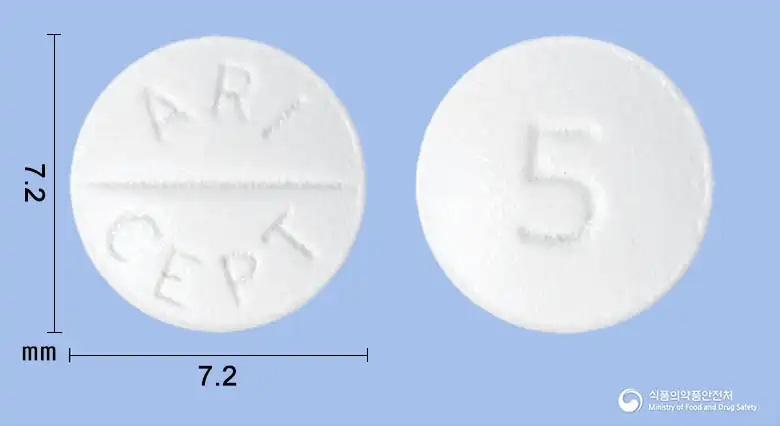
Donepezil Hydrochloride 5mg
Tablet · Prescription medication
HanDoc Co., Ltd.
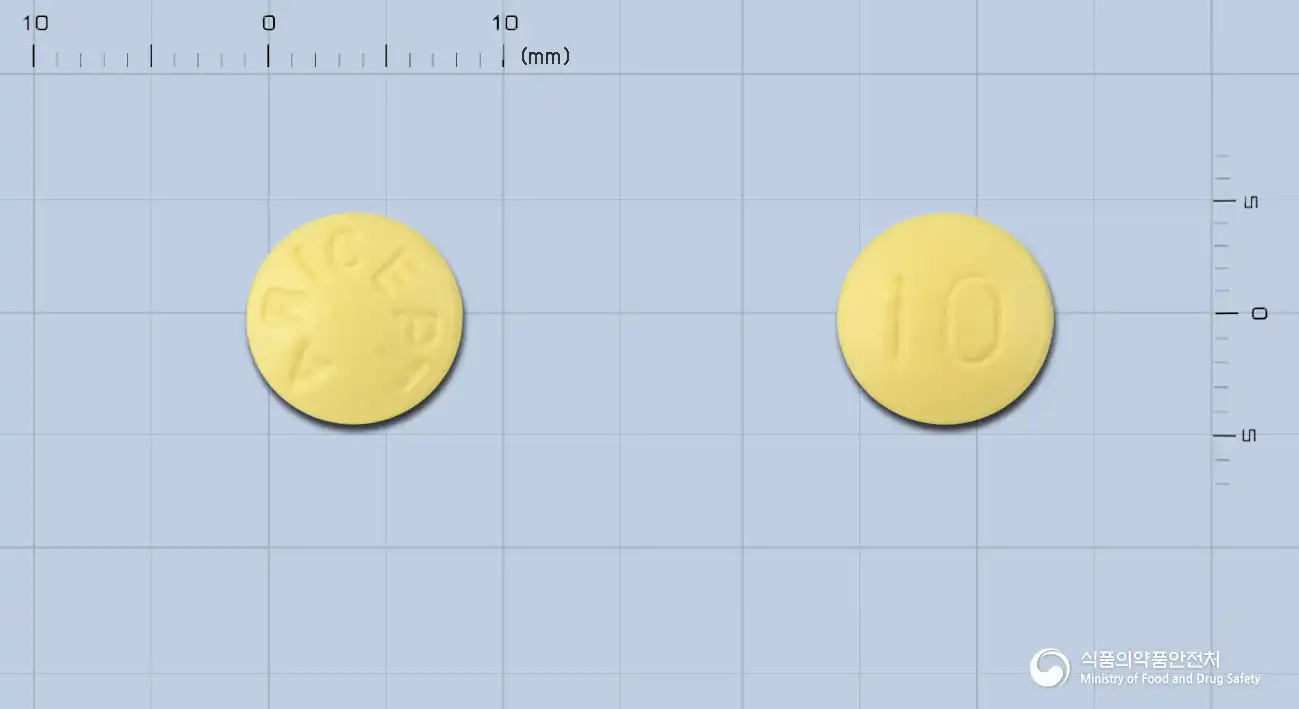
Donepezil Hydrochloride 10mg
Tablet · Prescription medication
Hanmi Pharmaceutical Co., Ltd.

Donepezil Hydrochloride Hydrate 10.43mg
Tablet · Prescription medication
IYun Pharmaceuticals Co., Ltd.

Donepezil Hydrochloride Hydrate 10.43mg
Tablet · Prescription medication
Yuhan Corporation
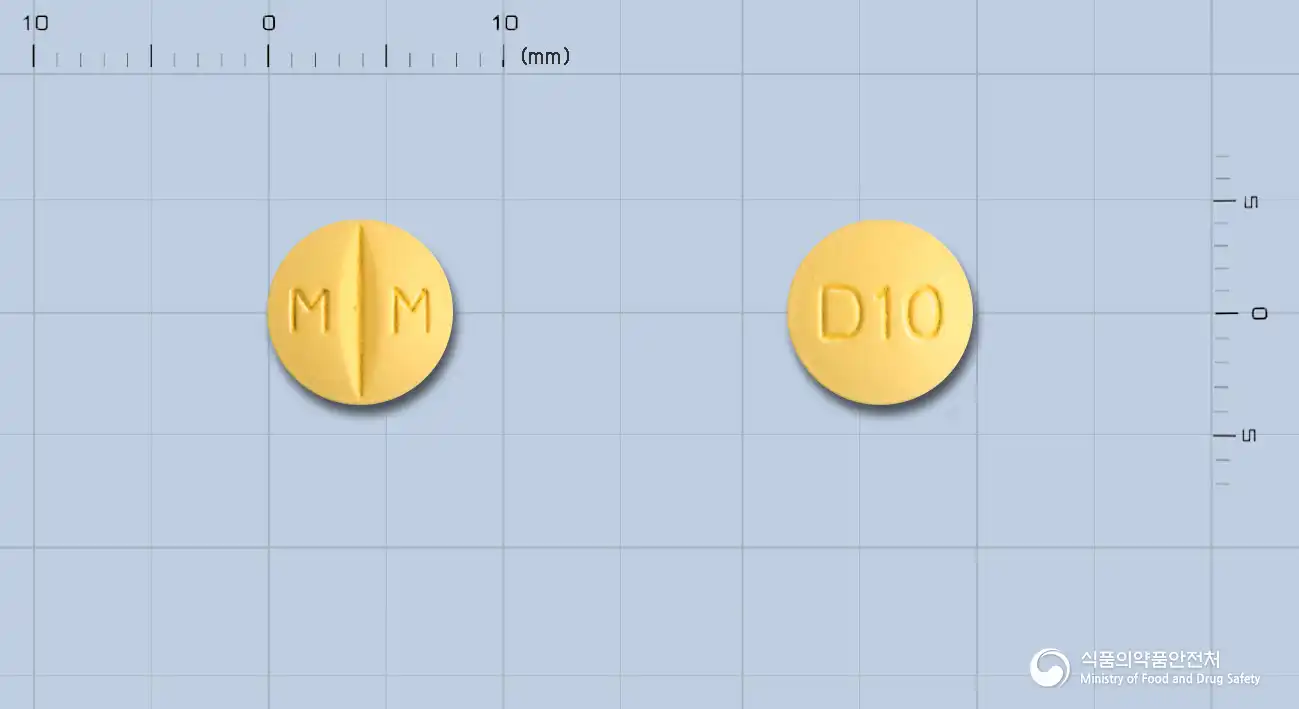
Donepezil Hydrochloride Hydrate 10.43mg
Tablet · Prescription medication
Myungmoon Pharmaceutical Co., Ltd.

Donepezil Hydrochloride Hydrate 10.43mg
Tablet · Prescription medication
HK inno.N Co., Ltd.
Donepezil Hydrochloride 10mg
Tablet · Prescription medication
Celltrion Pharmaceutical Co., Ltd.
Even with the same ingredient, the dose and directions can differ by strength and dosage form. Talk to a doctor or pharmacist before switching from a medication you are already taking.
No questions yet.
For anything that needs medical judgment, consult a doctor or pharmacist.
This drug information is based on data provided by the Korea Ministry of Food and Drug Safety.
Consult a doctor or pharmacist for accurate dosage, administration, and usage instructions.