This product's status changed to Expired on 2024.04.30. It may no longer be sold, so consult a doctor or pharmacist before taking it.
Summary
Main use
Improvement of symptoms associated with Alzheimer's dementia
Who takes it
Adults · Children
Adult dose
As donepezil hydrochloride, administer 5 mg once daily before bedtime.
Maintain the dose at 5 mg for 4 to 6 weeks.
After assessing clinical responses during this period, the dose may be increased up to 10 mg.
When increasing to 10 mg daily, administer with caution regarding gastrointestinal adverse reactions.
This medication is an orally disintegrating tablet and can be taken by placing it on the tongue to dissolve, with or without water.
Improvement of symptoms associated with Alzheimer's dementia
Alzheimer's dementia symptoms
View approved original textHide original text
This medication is used for the treatment of Alzheimer's dementia symptoms. It helps alleviate memory decline and cognitive dysfunction caused by dementia, thereby improving the ability of patients to perform daily activities. Additionally, it contributes to enhancing the quality of life for both patients and families by delaying the exacerbation of behavioral and psychological symptoms due to dementia. It is a drug that helps manage dementia symptoms safely and effectively.
How to take
Adult dose
As donepezil hydrochloride, administer 5 mg once daily before bedtime.
Maintain the dose at 5 mg for 4 to 6 weeks.
After assessing clinical responses during this period, the dose may be increased up to 10 mg.
When increasing to 10 mg daily, administer with caution regarding gastrointestinal adverse reactions.
This medication is an orally disintegrating tablet and can be taken by placing it on the tongue to dissolve, with or without water.
Child dose
No experience in using for children.
Precautions
This medication should not be administered to patients with phenylketonuria, a genetic disorder. The artificial sweetener aspartame included in this medication breaks down into phenylalanine in the body.
It should not be used by patients with hypersensitivity to this drug, pregnant women, women of childbearing potential, and nursing mothers.
Patients with heart disease should exercise caution as this medication may stimulate the vagus nerve and cause bradycardia or arrhythmia.
Patients who are taking non-steroidal anti-inflammatory drugs or have a history of peptic ulcer should be cautious as it can increase gastric acid secretion and exacerbate symptoms.
Patients with a history of asthma or chronic obstructive pulmonary disease should be careful as this medication may constrict bronchial smooth muscles or increase mucus secretion, worsening symptoms.
Patients with extrapyramidal disorders such as Parkinson's disease should be cautious as this medication may exacerbate symptoms.
During the use of this medication, serious abnormal symptoms such as syncope, cardiac abnormalities, gastrointestinal bleeding, liver dysfunction, cerebrovascular issues, movement disorders, and respiratory difficulties may occur, so if any abnormal symptoms arise, consult a doctor immediately.
Various side effects including loss of appetite, nausea, vomiting, diarrhea, dizziness, insomnia, hallucinations, and heart rhythm abnormalities may occur in some patients, so symptoms should be monitored closely during use.
This medication is only for the treatment of Alzheimer's dementia and should not be used for other types of dementia or memory disorders.
The therapeutic effects should be regularly evaluated, and if no effect is observed, discontinuation should be considered.
Patients with heart disease or electrolyte abnormalities may require an electrocardiogram due to the risk of cardiac arrhythmias.
Caution is advised while driving or operating machinery as dizziness or fatigue may occur.
This medication can interact with various drugs, so consult a doctor or pharmacist before taking it with other medications.
It is safer for pregnant or nursing women not to use this medication; if necessary, consult a specialist.
Safety has not been established for children, so this medication should not be used in pediatric patients.
In cases of overdose, severe nausea, vomiting, bradycardia, respiratory depression, convulsions, etc., may occur, so immediate medical attention is necessary.
This medication dissolves in the mouth but is not absorbed through the oral mucosa, so follow the dosage instructions carefully.
Store out of reach of children, and keep in an unopened state as exposure to light may cause discoloration.
Side effects and when to seek care immediately
Serious side effects
Hives, severe swelling (edema), chest tightness, difficulty breathing, cold sweat, paleness, severe rash with high fever, blisters, skin detachment, pain in oral/ocular mucosa, shortness of breath or difficulty breathing, asthmatic attacks, respiratory abnormalities accompanied by cough and fever, yellowing of skin or eyes (jaundice), extreme lethargy, sudden and severe headache, thunderclap headache, seizures, confusion, visual disturbances, paralysis, urinary abnormalities.
Mild side effects
Nausea
vomiting
diarrhea
loss of appetite
headache
fatigue
drowsiness
dizziness
insomnia
anxiety
Show 26 moreCollapse
rash
itching
myalgia
muscle cramps
urinary incontinence
frequent urination
urinary disturbances
sweating
facial flushing
lethargy
weakness
thrombocytopenia
purpura
eczema
fever
hypothermia
skin rash
aggressive behavior
tremors
gait disturbances
involuntary movements
concentration difficulties
mental dullness
delusions
nonsensical speech
hallucinations
Not everyone experiences these, and they can vary from person to person.
Storage
This medication should be stored in a tightly sealed container that allows for good air circulation, at room temperature between 1°C and 30°C. Proper storage will help maintain the drug’s effectiveness and prevent deterioration.
Appearance and packaging
Appearance
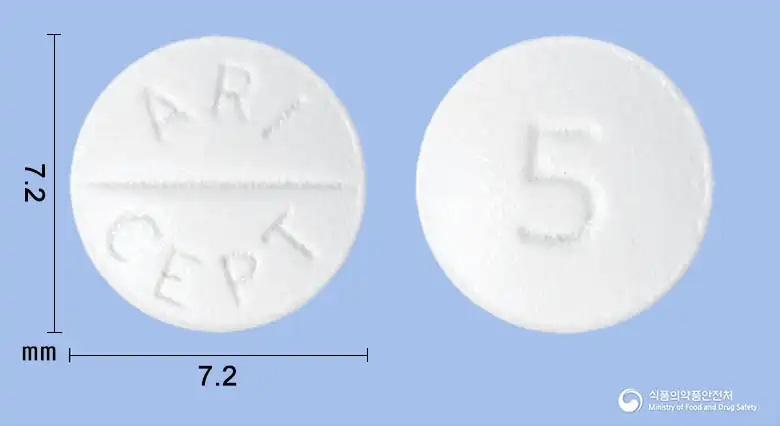
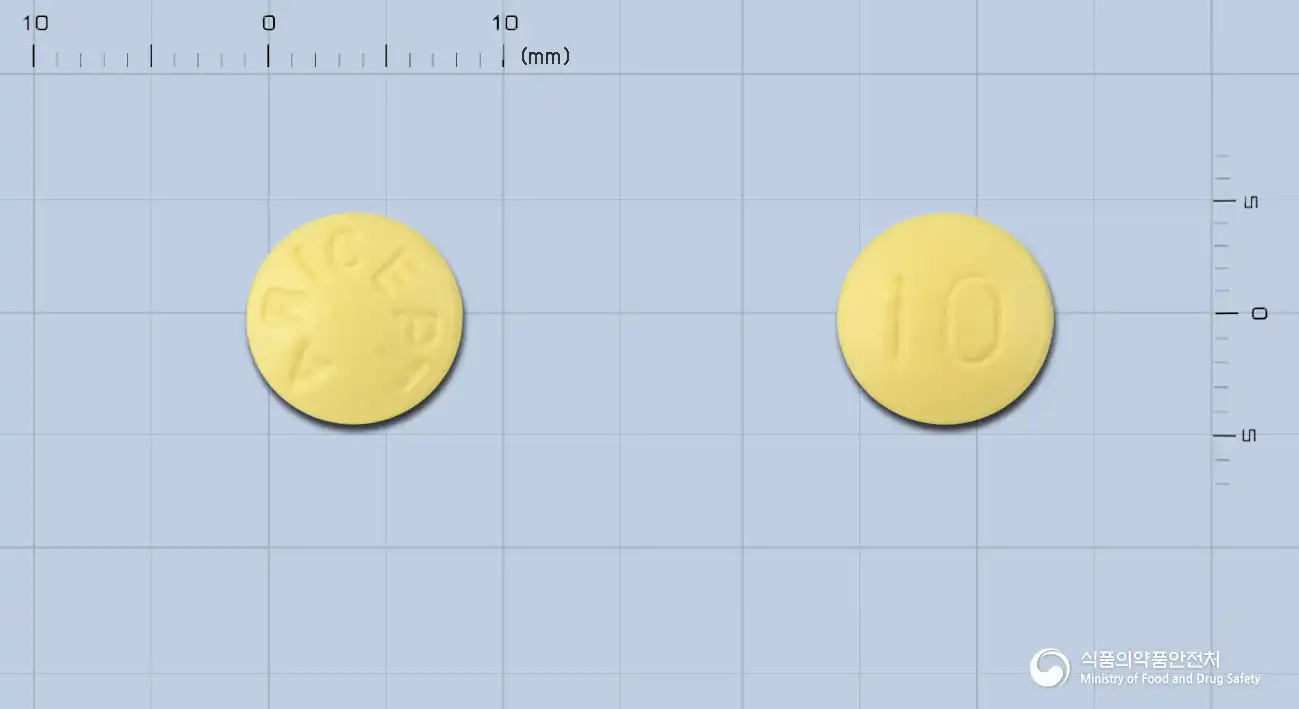
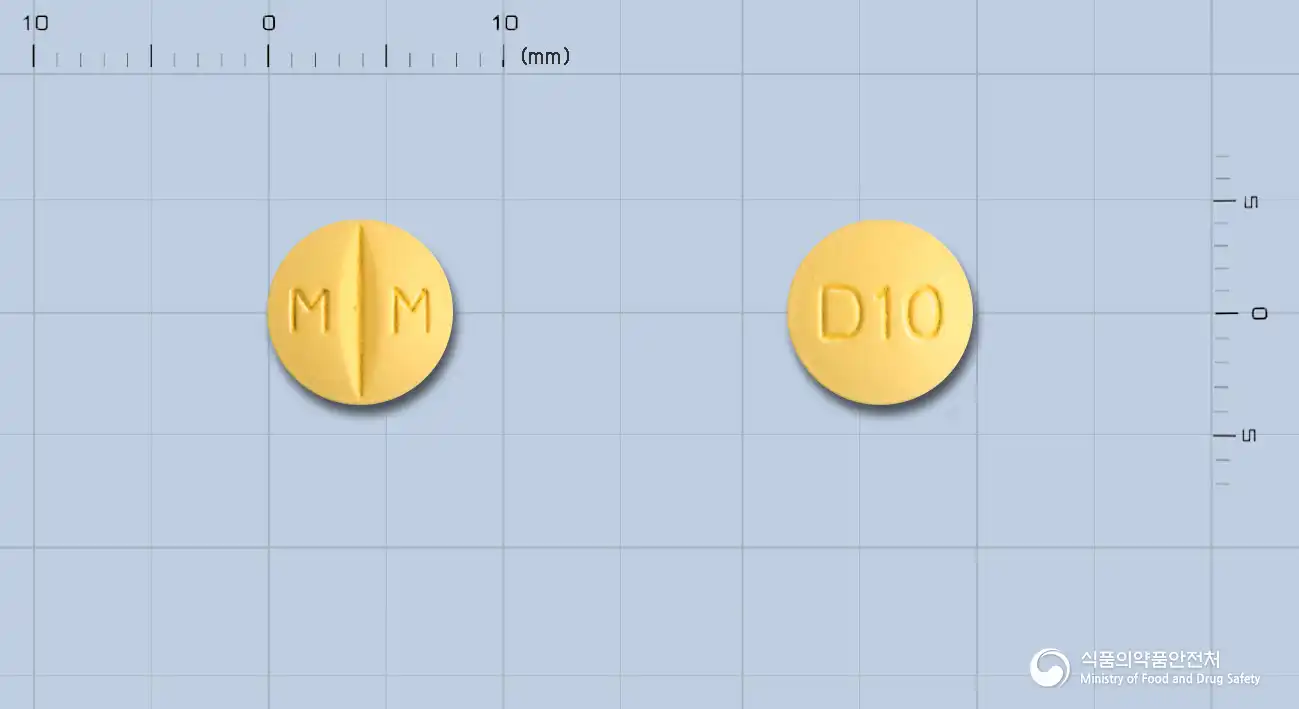
White round orally disintegrating tablet
Package unit
30 tablets (10 tablets/PTP packaging x 3)
Same-ingredient medicines
Even with the same ingredient, strength, dosage form and how it is taken can differ.
Even with the same ingredient, the dose and directions can differ by strength and dosage form. Talk to a doctor or pharmacist before switching from a medication you are already taking.
This drug information is based on data provided by the Korea Ministry of Food and Drug Safety. Consult a doctor or pharmacist for accurate dosage, administration, and usage instructions.

 한국어
한국어 English
 日本語
日本語 中文(简体)