
 한국어
 English
 日本語
 中文(简体)
Dosage form image
Viewing nowHanwha Risperidone Tablets 2 mg
Risperidone
Prescription medication
Hanwha Pharmaceutical Co., Ltd.
MFDS item code 201902694 · Approved 2019.04.26
This product's status changed to Approval withdrawn on 2023.07.20. It may no longer be sold, so consult a doctor or pharmacist before taking it.
Treatment of mental disorders (schizophrenia and mania), behavioral and psychological symptoms of dementia, and disruptive behavior disorders
This medication is used to improve symptoms in patients with schizophrenia. It is also effective for the short-term treatment of agitation, aggression, and psychotic symptoms in patients with moderate to severe Alzheimer's-type dementia. Additionally, it is utilized as an adjunct therapy for mood stabilizers in treating manic episodes in patients with bipolar disorder. Moreover, it is used for the treatment of behavioral disorders such as disruptive behavior, aggression, impulsivity, and self-harm in children, adolescents, and adults with low intellectual capabilities. This medication helps in the treatment of various mental and behavior-related issues.
The therapeutic dose of this medicine should be adjusted according to the patient's clinical condition, and the lowest effective dose possible should be administered. 1. Schizophrenia Adults Initial dose: Administer 1 mg of risperidone orally twice daily and increase the dose gradually. Maintenance dose: Administer 1∼3 mg twice daily. Adjust the dose appropriately according to age and symptoms. No additional benefit was observed with doses of 10 mg or more daily compared with lower doses, and such doses may increase the risk of extrapyramidal symptoms. Doses of 10 mg or more daily should be administered only when the benefits for the individual patient are judged to outweigh the risks. Do not administer doses of 16 mg or more daily, as safety has not been established. A benzodiazepine may be administered concomitantly if additional sedation is required. Elderly patients and patients predisposed to hypotension The initial dose is 0.5 mg twice daily. Depending on the patient's condition, increase the dose by 0.5 mg twice daily until a dose of 1~2 mg twice daily is reached. In general, increases to doses of 1.5 mg or more twice daily should be made at intervals of at least 1 week. When switching from existing antipsychotic medication to this medicine, when medically appropriate, start this medicine while gradually reducing the dose of the existing medication. Also, when medically appropriate, when switching from an existing depot antipsychotic, start this medicine in place of the next scheduled injection of the depot preparation. The need to continue concomitant antiparkinsonian medication should be reassessed regularly. 2. Agitation, aggression, or psychotic symptoms in patients with dementia of the Alzheimer type The initial dose is 0.25 mg of this medicine twice daily. If necessary, depending on the patient, the dose may be increased by 0.25 mg twice daily at intervals of at least 2 days. The optimal dose for most patients is 0.5 mg twice daily, but the dose may be increased to 1 mg twice daily depending on the patient. Once the patient has reached the optimal dose, once-daily administration may also be considered. As with symptomatic treatment, the appropriateness of continued use of this medicine should be evaluated. 3. Adjunctive therapy for manic episodes in bipolar disorder The recommended initial dose is 2 mg of this medicine once daily. Depending on the patient, the dose may be increased by up to 1 mg daily at intervals of at least 24 hours. The optimal dose for most patients is within the range of 2∼6 mg daily. As with symptomatic treatment, the appropriateness of continued use of this medicine should be evaluated. Renal and hepatic impairment In patients with renal or hepatic impairment, administer half the initial and maintenance doses and adjust the dose more gradually. Use this medicine with caution in these patients (see 5. General Precautions).
Schizophrenia: There is insufficient clinical experience in children and adolescents under 15 years of age. Adjunctive therapy for manic episodes in bipolar disorder: There is insufficient clinical experience in children and adolescents under 15 years of age. Conduct disorder and other disruptive behavior disorders, body weight 50 kg or more: The initial dose is 0.5 mg of this medicine once daily. If necessary, depending on the patient, the dose may be increased by 0.5 mg daily at intervals of at least 2 days. The optimal dose for most patients is 1 mg once daily. Depending on the patient, 0.5∼1.5 mg may be administered once daily. Conduct disorder and other disruptive behavior disorders, body weight under 50 kg: The initial dose is 0.25 mg once daily. If necessary, depending on the patient, the dose may be increased by 0.25 mg daily at intervals of at least 2 days. The optimal dose for most patients is 0.5 mg once daily. Depending on the patient, 0.25∼0.75 mg may be administered once daily. Conduct disorder and other disruptive behavior disorders: There is insufficient clinical experience in children under 5 years of age.
This medication may increase the risk of mortality when administered to elderly patients with dementia, so caution is particularly required. The risk of mortality may be even higher if an elderly dementia patient takes this medication along with a specific diuretic such as furosemide, thus careful consideration is needed for concomitant administration. Since there is a risk of venous thrombosis, thrombotic risk factors must be checked before and during the use of this medication and preventive measures should be taken. This medication contains aspartame, an artificial sweetener, so patients with certain genetic disorders such as phenylketonuria should avoid taking it. Patients with allergies to this medication or its components, those whose central nervous system is inhibited by alcohol or central nervous system depressants, comatose patients, and those receiving epinephrine should not take this medication. Patients with cardiovascular diseases or dehydration may experience side effects such as low blood pressure, thus careful adjustment of dosage is required. Patients with a risk of arrhythmia or prolonged QT interval, and those with a history of seizures should also be cautioned when administering this medication. Patients with impaired liver or kidney function may have slower drug excretion and metabolism, thus the dosage should be reduced and increased gradually. Women who are pregnant or may become pregnant, and nursing mothers should be cautious as this medication may affect the fetus or newborn. Various side effects such as drowsiness, dizziness, weight gain, increased blood sugar levels, and movement disorders may occur, so if any abnormal symptoms arise, immediate consultation with medical personnel is advised. As this medication has central nervous system depressant effects, it is advisable to avoid dangerous activities such as driving or operating machinery while taking it. This medication may interact with other drugs, so it is essential to inform medical personnel of any other medications being taken. Serious side effects may occur with overdose, so prescribed dosages should be strictly followed. Store out of reach of children and do not transfer to other containers for safety.
Not everyone experiences these, and they can vary from person to person.
This medication should be stored in a tightly closed container to protect it from light and air. The storage temperature should be maintained at room temperature between 1°C and 30°C. Proper storage will help maintain the medication's effectiveness for a longer period.
Oblong pale orange film-coated tablet
30 tablets/bottle, 200 tablets/bottle
Even with the same ingredient, strength, dosage form and how it is taken can differ.
Risperidone
Prescription medication
Hanwha Pharmaceutical Co., Ltd.
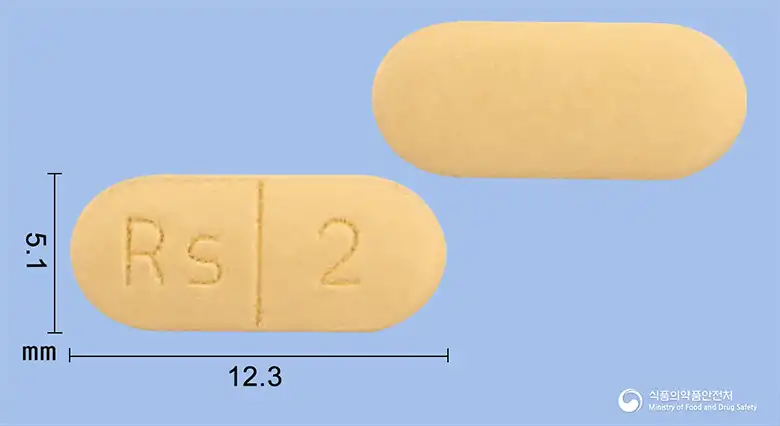
Risperidone 2mg
Tablet · Prescription medication
Myungin Pharmaceutical Co., Ltd.
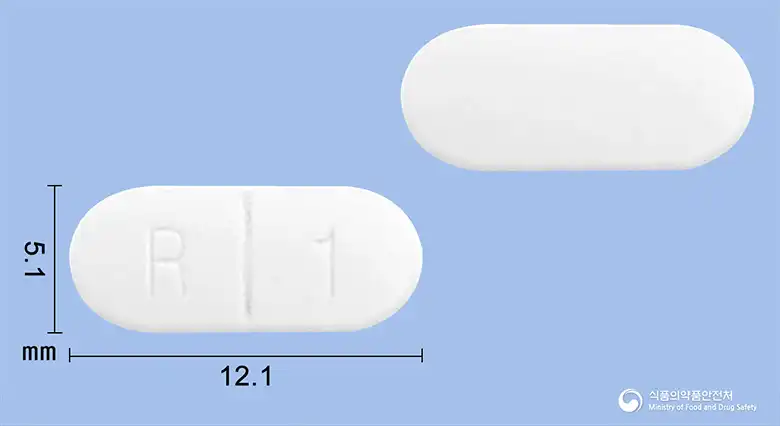
Risperidone 1mg
Tablet · Prescription medication
Han-in Pharmaceutical Co., Ltd.
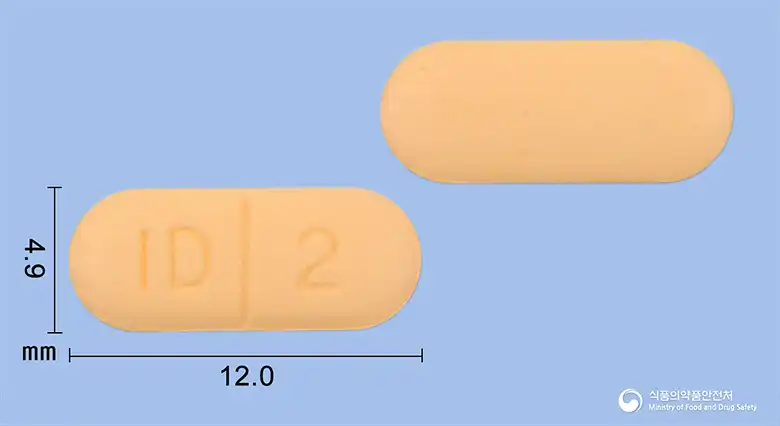
Risperidone 2mg
Tablet · Prescription medication
Ildong Pharmaceutical Co., Ltd.
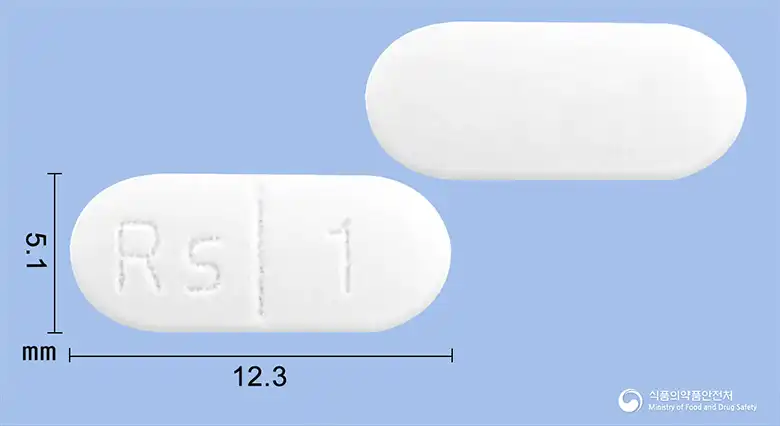
Risperidone 1mg
Tablet · Prescription medication
Myungin Pharmaceutical Co., Ltd.
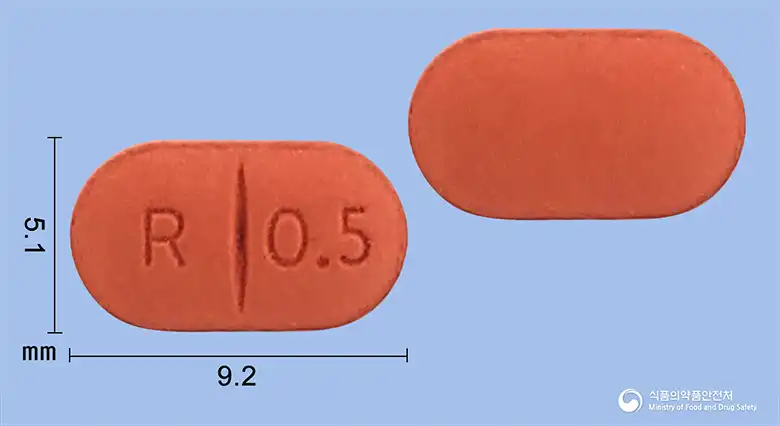
Risperidone 0.5mg
Tablet · Prescription medication
Hwanin Pharmaceutical Co., Ltd.
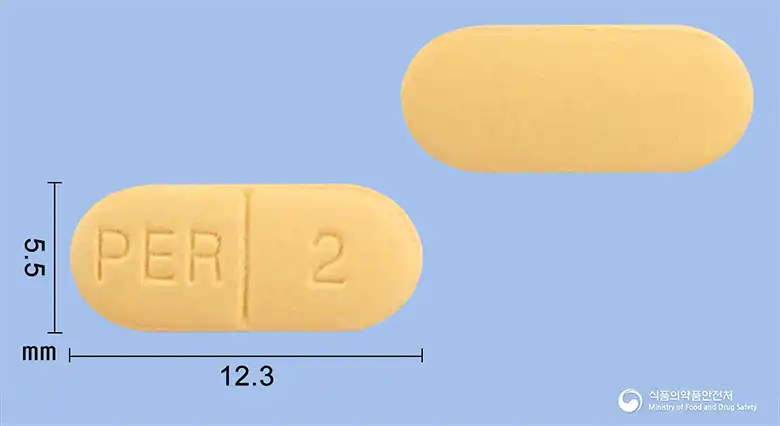
Risperidone 2mg
Tablet · Prescription medication
Unimed Pharmaceuticals Co., Ltd.
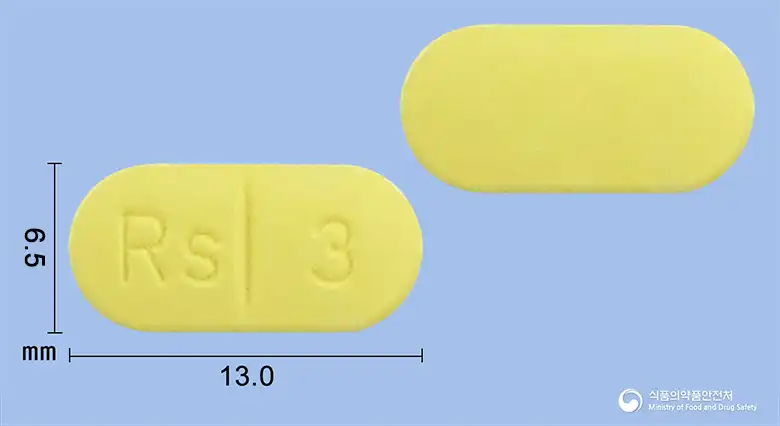
Risperidone 3mg
Tablet · Prescription medication
Myungjin Pharmaceutical Co., Ltd.
Even with the same ingredient, the dose and directions can differ by strength and dosage form. Talk to a doctor or pharmacist before switching from a medication you are already taking.
No questions yet.
For anything that needs medical judgment, consult a doctor or pharmacist.
This drug information is based on data provided by the Korea Ministry of Food and Drug Safety.
Consult a doctor or pharmacist for accurate dosage, administration, and usage instructions.