
 한국어
한국어 English
 日本語
日本語 中文(简体)
Dosage form image
Viewing nowYoungjin Sertraline Tablets 25 mg (Sertraline Hydrochloride)
Sertraline Hydrochloride 27.98mg
Tablet · Prescription medication
Youngjin Pharmaceutical Co., Ltd.
MFDS item code 201902586 · Approved 2019.04.24 · Insurance code 642404390
Treatment of depression and obsessive-compulsive disorder (adults and children)
This medicine is used to treat depression, as well as obsessive-compulsive disorder, panic disorder, post-traumatic stress disorder, social anxiety disorder (social phobia), and premenstrual dysphoric disorder in adults and children.
For depression and obsessive-compulsive disorder, the initial dose of sertraline is 50 mg taken orally once a day. The maintenance dose is 50-100 mg once a day, and if the effect is insufficient, the dose can be increased by 50 mg, up to a maximum of 200 mg per day. For panic disorder, post-traumatic stress disorder, and social anxiety disorder, start with 25 mg once a day and increase to 50 mg after one week.
For children aged 6-12 with obsessive-compulsive disorder, start with a dose of 25 mg once a day. For children aged 13-17, start with a dose of 50 mg once a day. If there is no response, the dose may be increased up to a maximum of 200 mg per day.
This medication is primarily used as an antidepressant for the treatment of depression and obsessive-compulsive disorder. During the course of taking this medication, there may be an increased risk of thoughts or behaviors related to suicide, so close monitoring by a physician is required, particularly for young patients aged 18 to 24. There is a risk of serious side effects, including serotonin syndrome, so extreme caution should be taken when taking this medication in conjunction with other serotonin-related drugs. It is dangerous to take MAO inhibitors alongside this medication, so it should be avoided, and starting an MAO inhibitor within 14 days after discontinuing this medication is also prohibited. Patients with moderate to severe liver dysfunction should not be administered this medication, and caution is required for patients with epilepsy or mild liver impairment. Patients with closed-angle glaucoma or a history of glaucoma may have an increased risk of elevated intraocular pressure due to this medication and should be cautious. Symptoms such as drowsiness, dizziness, headaches, insomnia, and anxiety may occur while taking this medication, and in severe cases, seizures or coma may occur. Additionally, serious side effects such as blood abnormalities, liver damage, and skin rashes have been reported, so if any unusual symptoms appear, contact a doctor immediately. Women who are pregnant or may become pregnant should carefully consider the effects on the fetus when taking this medication, and nursing mothers should also consult a doctor before taking it. Safety and effectiveness have not been established for indications other than obsessive-compulsive disorder in children and adolescents, so caution is needed when using this medication. Suddenly stopping this medication can lead to withdrawal symptoms such as dizziness, anxiety, and sleep disturbances, so dosage should be gradually reduced under a physician's guidance. Care should be taken when performing tasks that require alertness, such as driving or operating machinery, as this medication may affect mental or physical abilities. There may be potential drug interactions with this medication, so if other medications are being taken, it is essential to inform a doctor or pharmacist. In cases of overdose, serious heart abnormalities or coma may occur, so strict adherence to the prescribed dosage is necessary, and in case of overdose, immediate medical attention should be sought. This medication should be stored out of reach of children, and care should be taken not to transfer it to other containers.
Hives, severe swelling (edema), angioedema, chest tightness, difficulty breathing, cold sweat, pallor, severe rash accompanied by high fever, blisters, skin peeling, pain in mouth/eye mucous membranes, severe allergic reactions, severe skin adverse reactions, asthma attacks, respiratory abnormalities accompanied by cough and fever, jaundice (yellowing of skin or eyes), extreme lethargy, liver abnormalities (jaundice), sudden and severe headaches, thunderclap headaches,
Not everyone experiences these, and they can vary from person to person.
This medication should be stored in a tightly closed container to protect it from air and moisture. It is important to maintain a storage temperature between 1 and 30 degrees Celsius to ensure the medication's effectiveness.
White round film-coated tablet
30 tablets/bottle, 100 tablets/bottle
Even with the same ingredient, strength, dosage form and how it is taken can differ.
Sertraline Hydrochloride 27.98mg
Tablet · Prescription medication
Youngjin Pharmaceutical Co., Ltd.
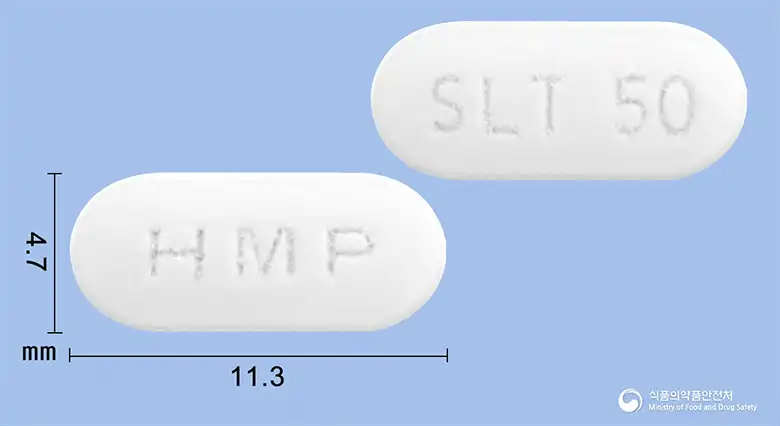
Sertraline Hydrochloride 55.95mg
Tablet · Prescription medication
Hanmi Pharmaceutical Co., Ltd.
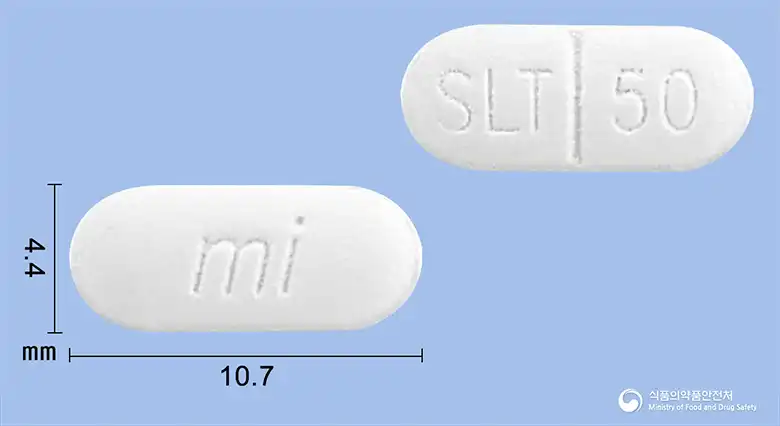
Sertraline Hydrochloride 55.95mg
Tablet · Prescription medication
Myungin Pharmaceutical Co., Ltd.
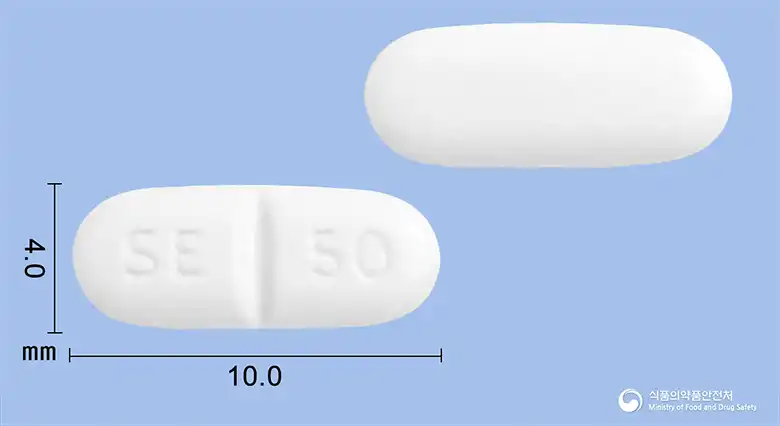
Sertraline Hydrochloride 55.95mg
Tablet · Prescription medication
Samil Pharmaceutical Co., Ltd.
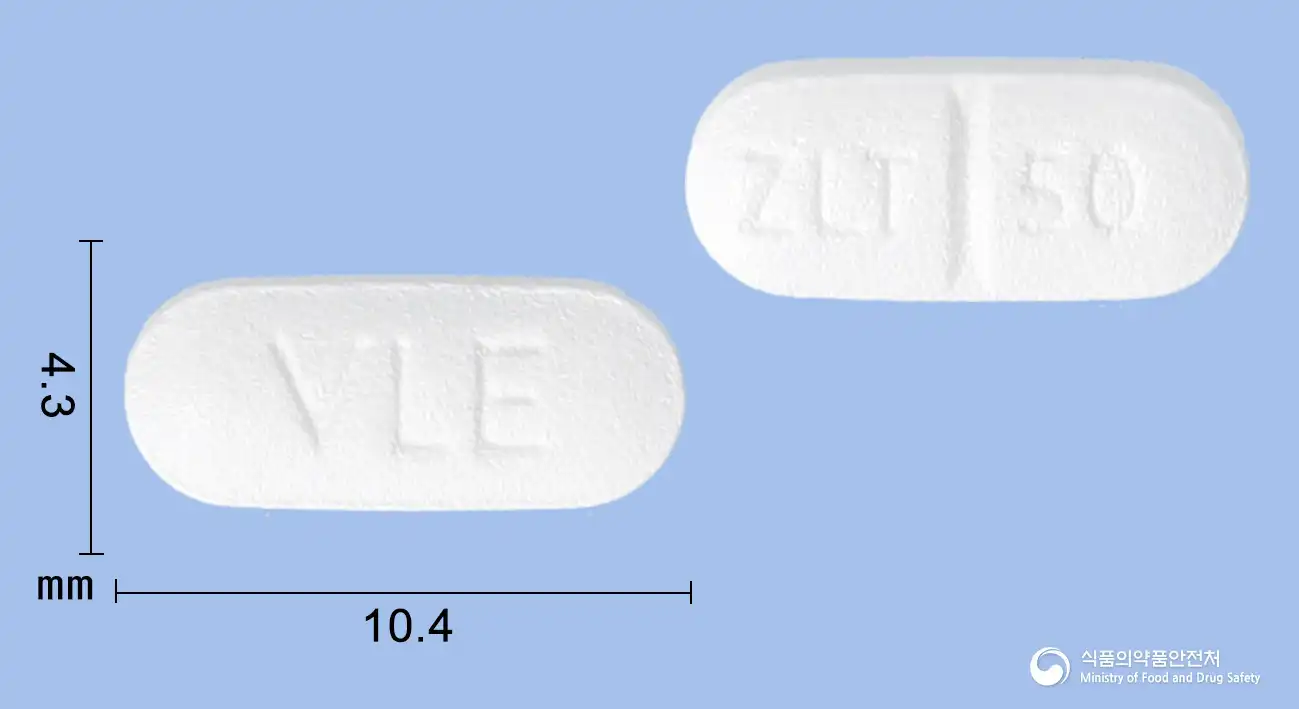
Sertraline Hydrochloride 55.95mg
Tablet · Prescription medication
Viatris Korea Co., Ltd.
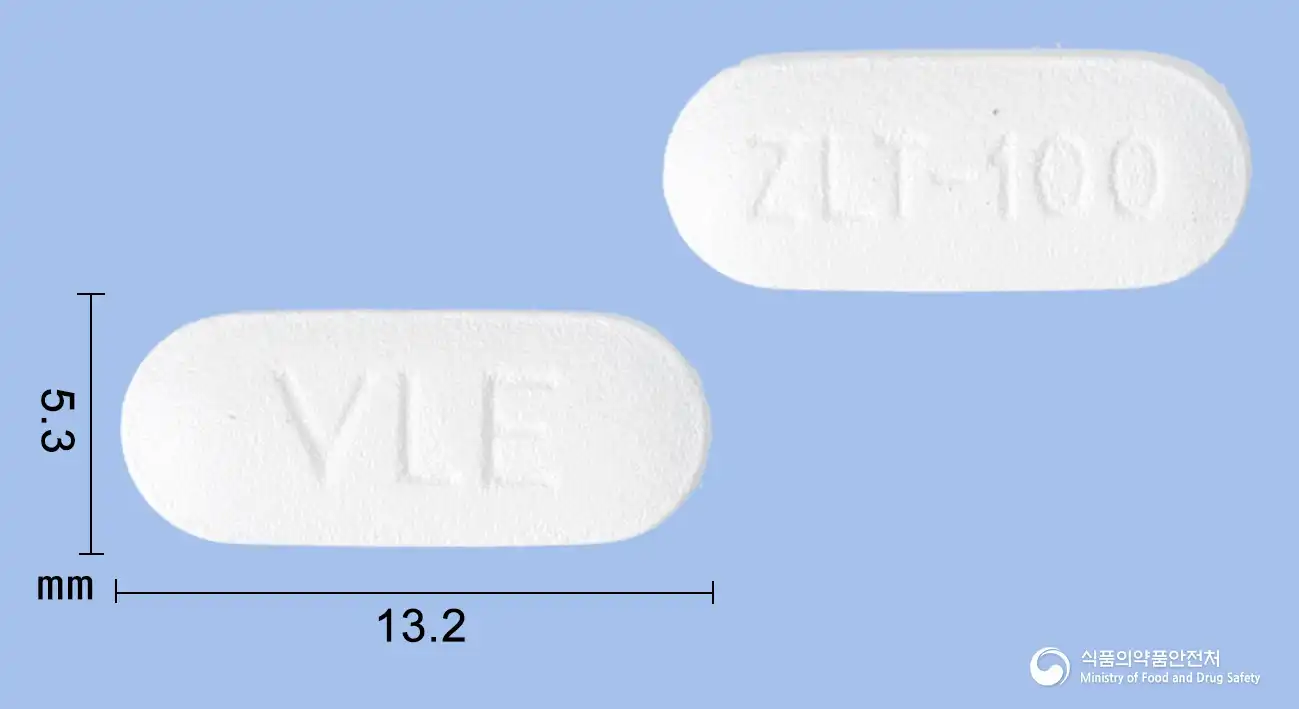
Sertraline Hydrochloride 111.9mg
Tablet · Prescription medication
Viatris Korea Co., Ltd.
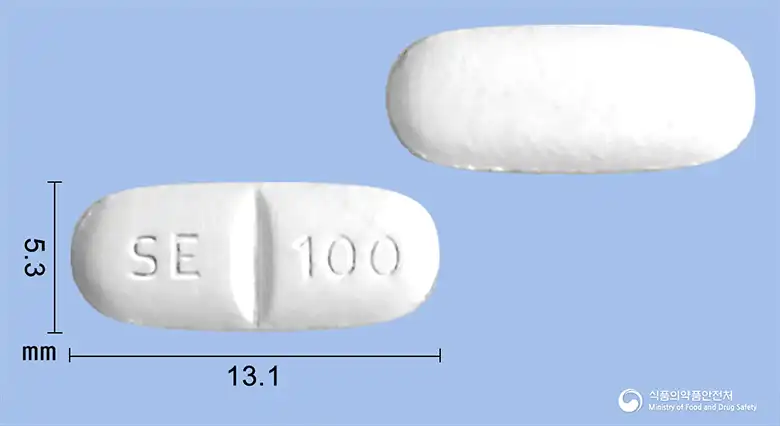
Sertraline Hydrochloride 111.9mg
Tablet · Prescription medication
Samil Pharmaceutical Co., Ltd.
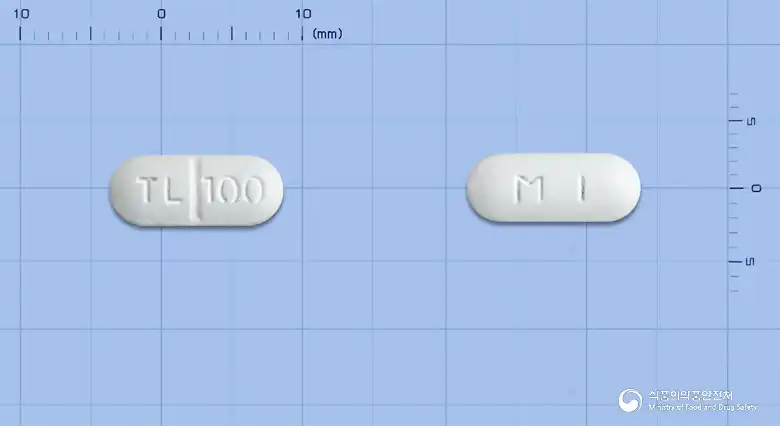
Sertraline Hydrochloride 111.9mg
Tablet · Prescription medication
Myungjin Pharmaceutical Co., Ltd.
Even with the same ingredient, the dose and directions can differ by strength and dosage form. Talk to a doctor or pharmacist before switching from a medication you are already taking.
No questions yet.
For anything that needs medical judgment, consult a doctor or pharmacist.
This drug information is based on data provided by the Korea Ministry of Food and Drug Safety.
Consult a doctor or pharmacist for accurate dosage, administration, and usage instructions.