
 한국어
 English
 日本語
 中文(简体)
 Viewing now
Eldostene Capsule (Erdosteine)
Erdosteine 300mg
Hard capsule · OTC medication
L&C Bio Co., Ltd.
MFDS item code 201902272 · Notified 2019.04.13 · Insurance code 060500590
Mucolytic and expectorant effects in acute and chronic respiratory diseases
This medication helps to break down mucus and promote the expulsion of phlegm in acute and chronic respiratory diseases. As a result, breathing becomes easier, and mucus within the airways is effectively removed, alleviating respiratory symptoms. It is used for mucolysis and expectoration in acute and chronic respiratory diseases.
Adults: Administer 300 mg of erdosteine orally per dose 2~3 times daily. When used for acute respiratory disease, do not administer continuously for more than 10 days.
This medicine should not be used in certain patients. Individuals allergic to this medication or any of its components, or those exhibiting hypersensitivity should not take it. Patients with liver cirrhosis or cystathionine synthase deficiency should avoid this medication as its metabolites may interfere with methionine metabolism. Patients with peptic ulcers should also avoid this medicine as it may worsen their symptoms. Patients with severe renal impairment, particularly those with a creatinine clearance below 25 mL/min, should avoid this medication. Severe liver impairment patients should not take this medicine. Patients with mild to moderate liver impairment should use this medicine with caution, ensuring that the daily dosage does not exceed 300 mg. Diabetic patients or those on a low-calorie diet should be especially cautious when taking the syrup formulation of this medicine. This medication contains the dye yellow No. 5, so individuals allergic or hypersensitive to this component should exercise caution before use. In cases of overdose, symptoms such as sweating, dizziness, and facial flushing may occur. Neurological and respiratory adverse reactions like headache, cold symptoms, and shortness of breath have been reported. Gastrointestinal symptoms may include dysgeusia, nausea, vomiting, diarrhea, upper abdominal pain, and heartburn. Allergic reactions may occur on the skin, such as urticaria, erythema, and eczema. Post-marketing surveillance has reported various adverse reactions such as fatigue, dyspepsia, abdominal pain, gastrointestinal disturbances, diarrhea, vomiting, headache, facial swelling, generalized edema, itching, weakness, drowsiness, and rash; however, a clear direct correlation with this medication is not evident. When taken with expectorants, this medicine may make it difficult to expel mucus from the bronchi due to cough relief, potentially increasing the risk of bronchial infections. It can also induce bronchospasm, so special caution is needed when used in conjunction with expectorants. Although animal studies did not reveal toxicity concerning fetal or postnatal development, safety has not been established in pregnant or potentially pregnant women and lactating women, and use should be avoided. This medication should be kept out of reach of children, and transferring it to other containers should be avoided, as it may cause accidents or impair quality.
Not everyone experiences these, and they can vary from person to person.
This medication may increase the risk of bronchial infections due to difficulty in expelling mucus from the bronchi when taken with cough medicines, and it may cause bronchospasm, so caution is advised.
This medicine may be sensitive to air or moisture, so it should be stored in a tightly closed container. It is advisable to maintain the storage temperature between 1 and 30 degrees Celsius.
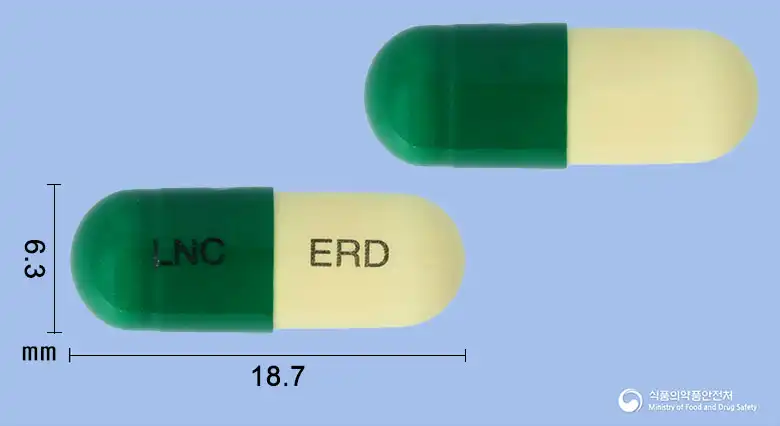
A hard capsule with a green upper part and a yellowish lower part filled with white to off-white powder or granules.
Bottle packaging - 30 capsules/bottle, Bottle packaging - 300 capsules/bottle
Even with the same ingredient, strength, dosage form and how it is taken can differ.
Viewing nowErdosteine 300mg
Hard capsule · OTC medication
L&C Bio Co., Ltd.
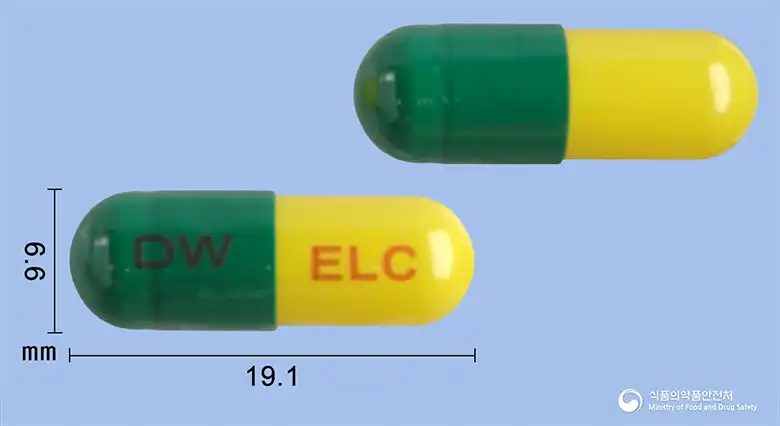
Erdosteine 300mg
Hard capsule · OTC medication
(Co., Ltd.) Daewoong Pharmaceutical
Erdosteine 7g
Suspension · Prescription medication
(Co., Ltd.) Daewoong Pharmaceutical

Erdosteine 300mg
Hard capsule · OTC medication
(Co., Ltd.) Jongkundang
Erdosteine 7000mg
Suspension · Prescription medication
Jongkundang Co., Ltd.

Erdosteine 300mg
Hard capsule · OTC medication
Kukje Pharmaceutical Co., Ltd.

Erdosteine 300mg
Hard capsule · OTC medication
Ildong Pharmaceutical Co., Ltd.
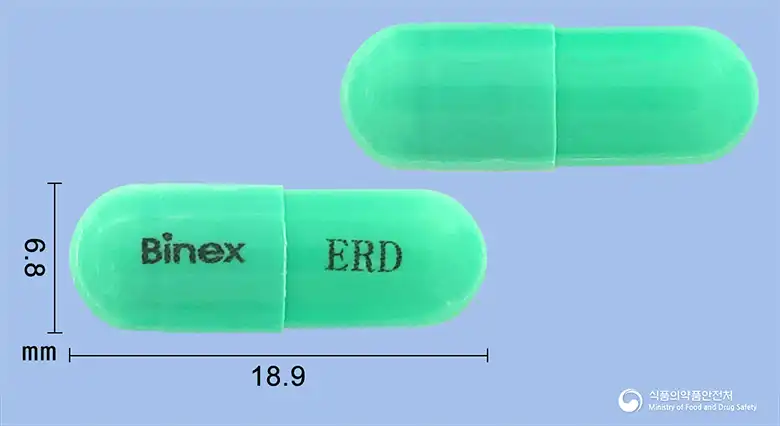
Erdosteine 300mg
Hard capsule · OTC medication
Bionex Co., Ltd.
Even with the same ingredient, the dose and directions can differ by strength and dosage form. Talk to a doctor or pharmacist before switching from a medication you are already taking.
No questions yet.
For anything that needs medical judgment, consult a doctor or pharmacist.
This drug information is based on data provided by the Korea Ministry of Food and Drug Safety.
Consult a doctor or pharmacist for accurate dosage, administration, and usage instructions.