
 한국어
 English
 日本語
 中文(简体)
 Viewing now
Eldoes Tablet (Erdosteine)
Erdosteine 300mg
Tablet · OTC medication
McNulty Pharmaceutical Co., Ltd.
MFDS item code 201902226 · Notified 2019.04.11 · Insurance code 641502400
Mucolytic and expectorant therapy for acute and chronic respiratory diseases
This medicine is used for acute and chronic respiratory diseases to dissolve mucus and help expel phlegm. This aids in maintaining smoother respiratory function and improves symptoms. This effect aids in the treatment of respiratory diseases.
Adults: Administer (take) 300 mg of erdosteine orally 2–3 times daily. When used for acute respiratory diseases, do not administer continuously for more than 10 days.
This medicine should not be administered to certain patients. First, patients who have an allergic reaction to this medicine or its ingredients should not take it. Patients with liver cirrhosis or cystathionine synthase deficiency should avoid this medicine, as its metabolites may interfere with methionine metabolism. Patients with peptic ulcers should also be cautious as their symptoms might worsen. Patients with severe kidney impairment, particularly those with a creatinine clearance of less than 25 mL/min, should not take this medicine. Severe liver impairment patients are also prohibited from using this medicine. Additionally, this medicine contains lactose, so patients with genetic issues such as galactose intolerance, Lapp lactase deficiency, or glucose-galactose malabsorption should not take it. Patients with mild to moderate liver impairment should use this medicine cautiously and should not exceed 300 mg per day. Patients with diabetes or those on calorie-restricted diets need to be particularly careful when using this medicine in syrup form. In case of overdose, symptoms such as excessive sweating, dizziness, and facial flushing may occur. Gastrointestinal symptoms such as headache, cold symptoms, difficulty breathing, taste disturbances, nausea, vomiting, diarrhea, abdominal pain, and heartburn may also arise. Skin symptoms such as urticaria, red spots, and eczema may appear. Some patients have reported symptoms such as fatigue, dyspepsia, palpitations, facial or generalized swelling, itching, weakness, lethargy, and rashes, but the direct association with this medicine is not clear. When taking this medicine with expectorants, it may become difficult to expel phlegm due to the suppression of cough, increasing the risk of bronchial infections and causing issues with bronchial contraction and relaxation, so extra caution is advised when taken together. Pregnant or potentially pregnant women, as well as breastfeeding women, are advised not to take this medicine because its safety has not been sufficiently confirmed.
Not everyone experiences these, and they can vary from person to person.
This medicine should be taken in consultation with a doctor or pharmacist when taken with cough medicines.
This medicine should be stored in a tightly sealed container to protect it from air and moisture, and it is recommended to keep it at room temperature between 1 degree and 30 degrees Celsius. This helps maintain the efficacy of the medication and prevents deterioration.
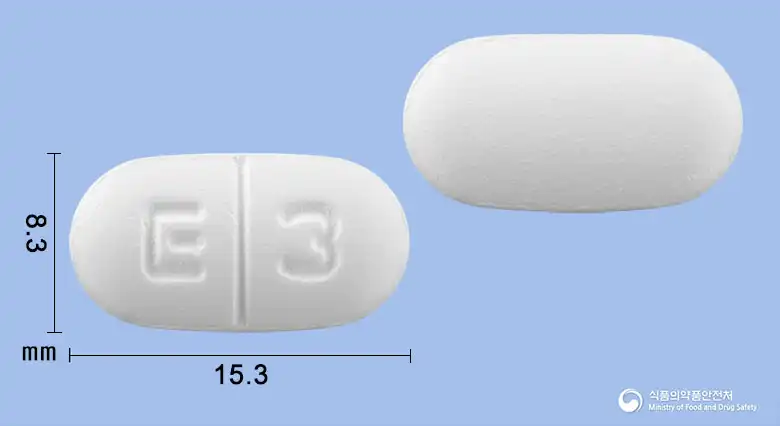
White oblong film-coated tablet
30 tablets/bottle, 300 tablets/bottle
Even with the same ingredient, strength, dosage form and how it is taken can differ.
Viewing nowErdosteine 300mg
Tablet · OTC medication
McNulty Pharmaceutical Co., Ltd.
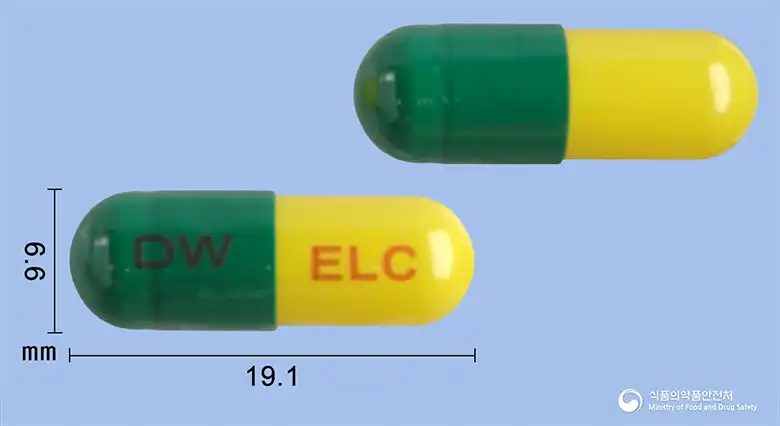
Erdosteine 300mg
Hard capsule · OTC medication
(Co., Ltd.) Daewoong Pharmaceutical
Erdosteine 7g
Suspension · Prescription medication
(Co., Ltd.) Daewoong Pharmaceutical

Erdosteine 300mg
Hard capsule · OTC medication
(Co., Ltd.) Jongkundang
Erdosteine 7000mg
Suspension · Prescription medication
Jongkundang Co., Ltd.

Erdosteine 300mg
Hard capsule · OTC medication
Kukje Pharmaceutical Co., Ltd.

Erdosteine 300mg
Hard capsule · OTC medication
Ildong Pharmaceutical Co., Ltd.
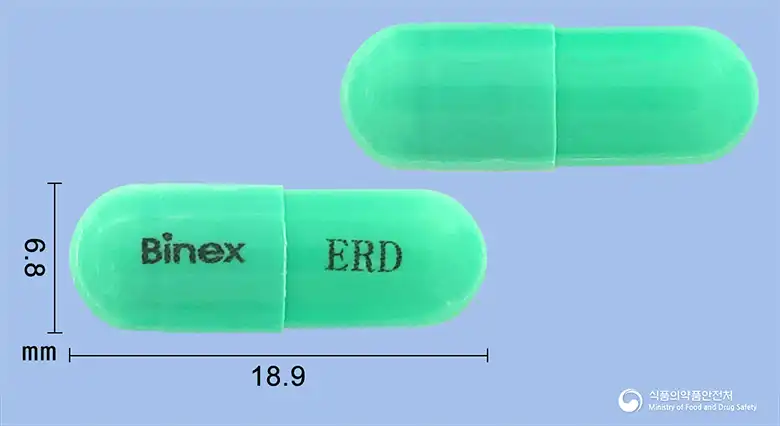
Erdosteine 300mg
Hard capsule · OTC medication
Bionex Co., Ltd.
Even with the same ingredient, the dose and directions can differ by strength and dosage form. Talk to a doctor or pharmacist before switching from a medication you are already taking.
No questions yet.
For anything that needs medical judgment, consult a doctor or pharmacist.
This drug information is based on data provided by the Korea Ministry of Food and Drug Safety.
Consult a doctor or pharmacist for accurate dosage, administration, and usage instructions.