
 한국어
 English
 日本語
 中文(简体)
Dosage form image
Viewing nowAcetal CR Tablets (Aceclofenac)
Aceclofenac 90mg
Tablet · Prescription medication
Dongkuk Pharmaceutical Co., Ltd.
MFDS item code 201902212 · Approved 2019.04.11
This product's status changed to Expired on 2024.04.11. It may no longer be sold, so consult a doctor or pharmacist before taking it.
Relief of arthritis (e.g., rheumatoid arthritis and osteoarthritis) and musculoskeletal pain (e.g., low back pain and sciatica)
This medication is used for the relief of pain due to rheumatoid arthritis, ankylosing spondylitis, osteoarthritis (degenerative arthritis), as well as shoulder and arm periarthritis, low back pain, sciatica, and non-articular rheumatism.
Adults: Take aceclofenac 200 mg once daily. Take this drug whole; do not chew or crush it. To minimize cardiovascular adverse reactions, use the lowest effective dose for the shortest possible duration.
Patients who regularly consume more than three alcoholic beverages a day should consult with a doctor or pharmacist before taking this medication. Consuming this medication while heavily drinking may increase the risk of gastrointestinal bleeding. This medication may increase the risk to the cardiovascular and cerebrovascular system, thus those with risk factors such as heart disease, hypertension, diabetes, and smoking should use it with caution. It is advisable to use the lowest possible dose for the shortest duration, and symptoms and responses should be monitored periodically during treatment. Patients with a history of cerebral hemorrhage require special attention and medical supervision. This medication can increase the risk of serious gastrointestinal side effects including gastrointestinal bleeding, ulcers, and perforation, especially in the elderly. If symptoms of gastrointestinal bleeding occur during use, notify medical staff immediately, and patients at high risk should consider alternative treatments. Patients with active peptic ulcers or bleeding, those with a history of them, patients allergic to this medication or similar drugs, and patients with heart failure or severe renal and hepatic impairment should not take this medication. Pregnant women in late pregnancy and nursing mothers should also avoid this medication, and patients with inflammatory bowel disease or bleeding disorders need to be cautious. Patients with renal impairment, heart failure, hypertension, liver impairment, elderly individuals, and those with a history of asthma should use this medication with caution and consult medical staff if necessary. This medication may cause various side effects including dizziness, gastrointestinal disturbances, liver function abnormalities, and skin rashes, so any abnormal symptoms should be reported immediately. Severe skin reactions or serious allergic reactions such as anaphylaxis may occur, thus if initial symptoms are observed, the medication should be discontinued immediately. It is advisable to avoid dangerous tasks such as driving or operating machinery while taking this medication. Women planning to become pregnant are recommended to avoid using this medication, as temporary infertility may occur with prolonged use. There are many drug interactions; thus, it is essential to consult medical personnel regarding any other medications being taken. Overdose may lead to gastrointestinal irritation, hypotension, respiratory depression, and seizures, thus immediate medical attention is required. This medication should be kept out of the reach of children, and it should not be transferred to other containers.
Not everyone experiences these, and they can vary from person to person.
This medication must be stored in a tightly sealed container to prevent air and moisture infiltration. It is important to maintain storage temperatures between 1 to 30 degrees Celsius.
White rectangular controlled-release film-coated tablet
30 tablets/bottle, 100 tablets/bottle
Even with the same ingredient, strength, dosage form and how it is taken can differ.
Aceclofenac 90mg
Tablet · Prescription medication
Dongkuk Pharmaceutical Co., Ltd.
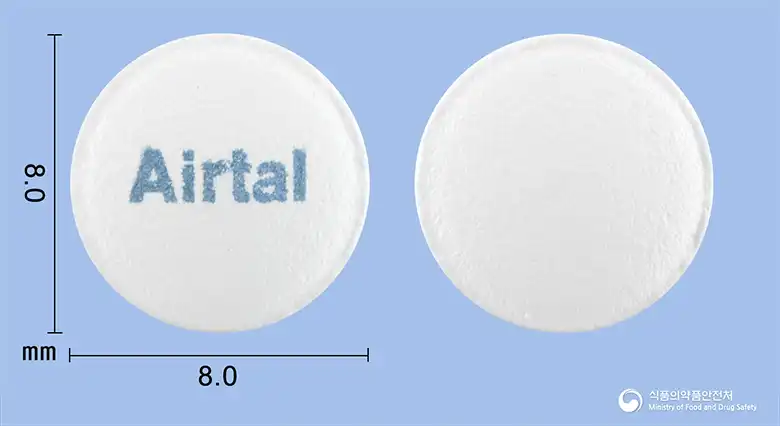
Aceclofenac 100mg
Tablet · Prescription medication
Daewoong Pharmaceutical Co., Ltd.
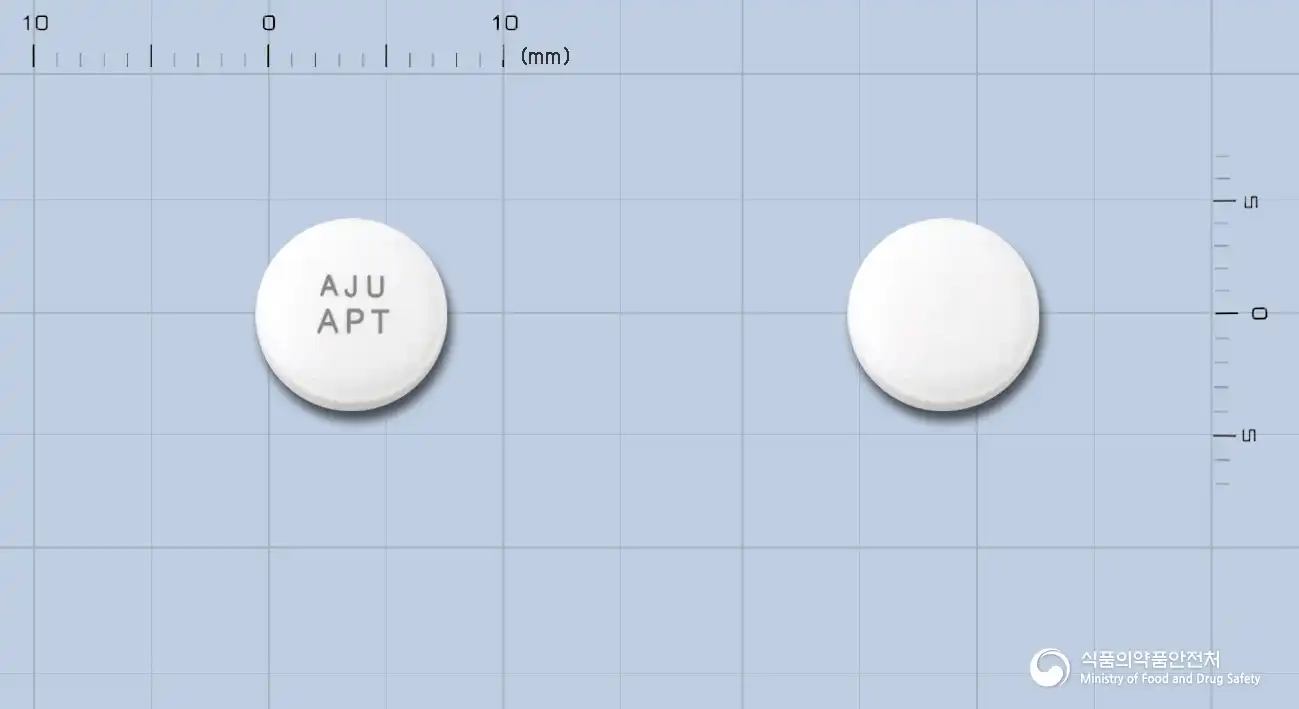
Aceclofenac 100mg
Tablet · Prescription medication
Aju Pharm Co., Ltd.
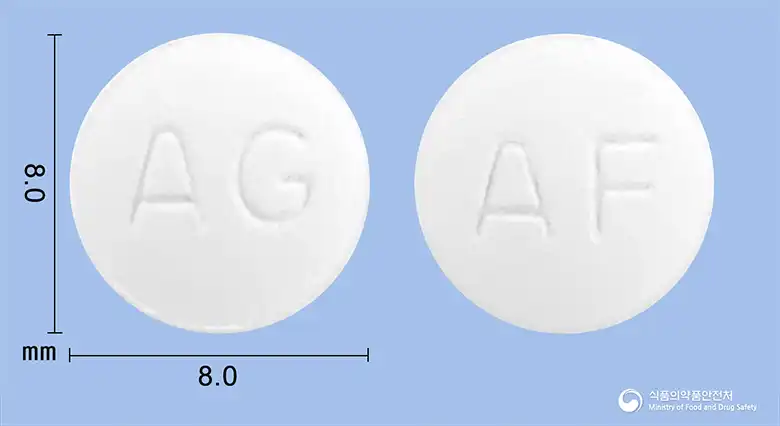
Aceclofenac 100mg
Tablet · Prescription medication
Angkuk Pharmaceutical Co., Ltd.
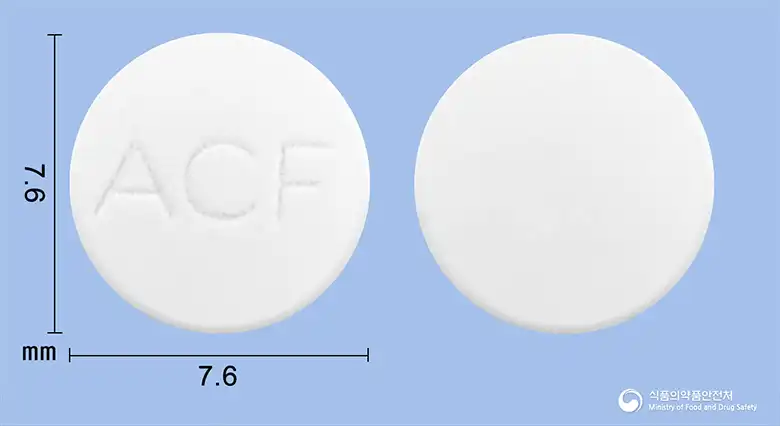
Aceclofenac 100mg
Tablet · Prescription medication
Dong-A ST Co., Ltd.
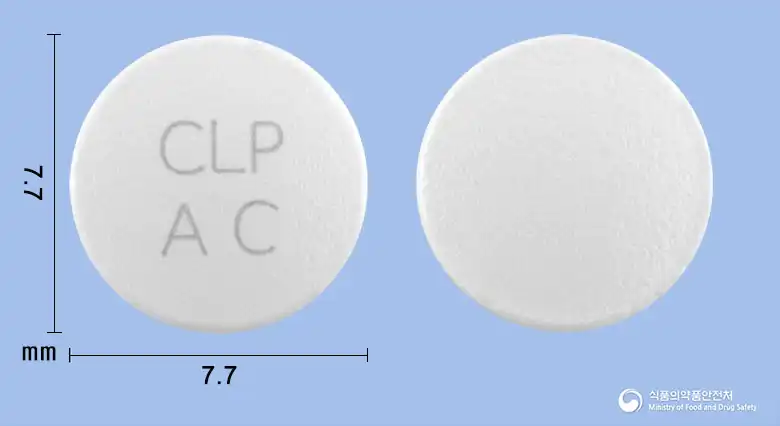
Aceclofenac 100mg
Tablet · Prescription medication
Celltrion Pharmaceutical Co., Ltd.
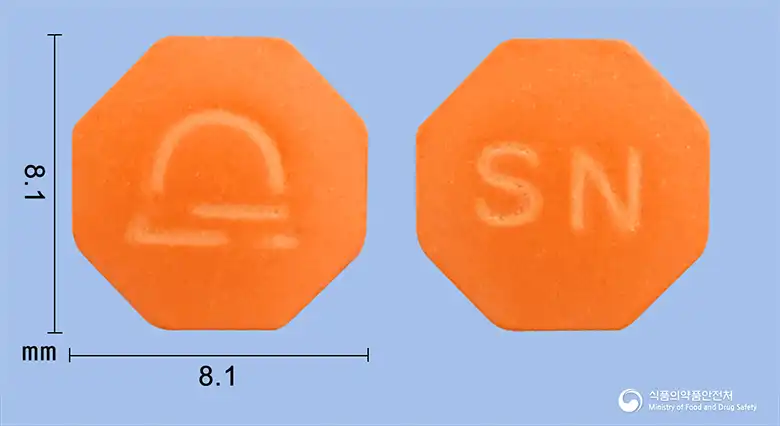
Aceclofenac 100mg
Tablet · Prescription medication
Daewon Pharmaceutical Co., Ltd.
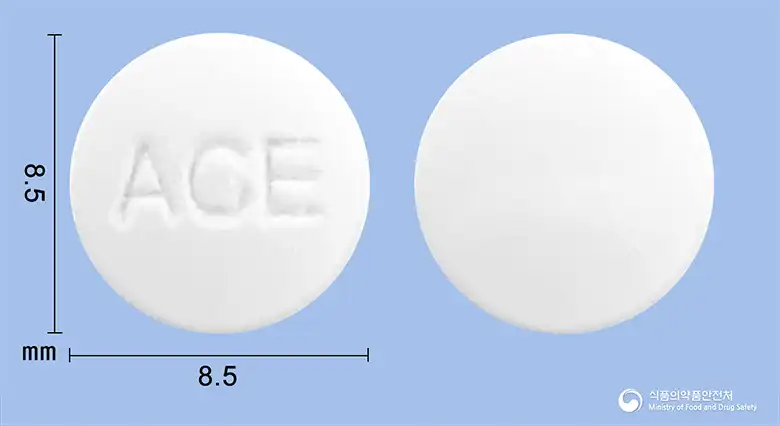
Aceclofenac 100mg
Tablet · Prescription medication
Kyungdong Pharmaceutical Co., Ltd.
Even with the same ingredient, the dose and directions can differ by strength and dosage form. Talk to a doctor or pharmacist before switching from a medication you are already taking.
No questions yet.
For anything that needs medical judgment, consult a doctor or pharmacist.
This drug information is based on data provided by the Korea Ministry of Food and Drug Safety.
Consult a doctor or pharmacist for accurate dosage, administration, and usage instructions.