
 한국어
 English
 日本語
 中文(简体)
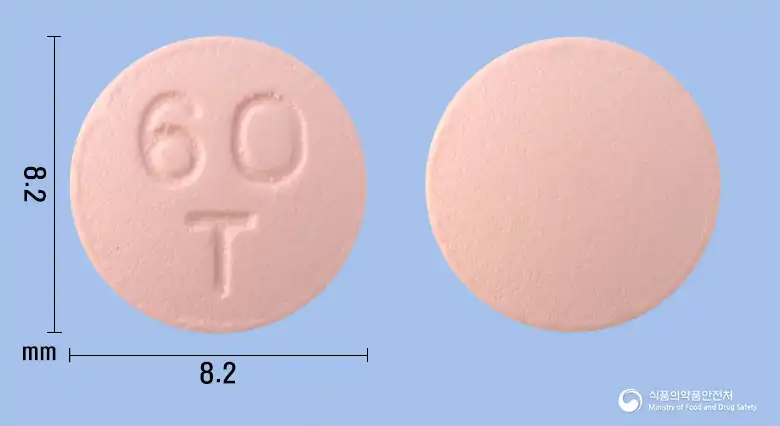
Dosage form image
Viewing nowSeoul Ticagrelor Tablet 60 mg
Ticagrelor 60mg
Tablet · Prescription medication
Seoul Pharmaceutical Co., Ltd.
MFDS item code 201902166 · Approved 2019.04.09
This product's status changed to Expired on 2024.04.09. It may no longer be sold, so consult a doctor or pharmacist before taking it.
Prevention of atherothrombotic cardiovascular events (such as myocardial infarction and stroke)
This medication is used to decrease the incidence of thrombotic cardiovascular events such as cardiovascular-related deaths, myocardial infarction, and stroke when taken with aspirin in adult patients. It is particularly effective in patients with acute coronary syndrome or those at high risk of thrombotic cardiovascular events with a history of myocardial infarction more than 1 year ago. It also reduces the risk of myocardial infarction or stroke in patients with type 2 diabetes who have undergone coronary intervention due to coronary artery disease. Additionally, it helps prevent stroke recurrence in patients with acute ischemic stroke or high-risk transient ischemic attack. Thus, this medication contributes to the reduction of the incidence of cardiovascular events and strokes in various high-risk groups for thrombotic cardiovascular diseases.
This drug should not be used concomitantly with other ADP receptor inhibitors (ticlopidine, clopidogrel, prasugrel). ㆍAcute coronary syndrome: Administer an initial dose of 180mg, followed by 90mg twice daily. Treatment for 12 months is recommended unless discontinuation of this drug is clinically necessary. Patients taking this drug should also receive a maintenance dose of aspirin (75 - 150mg), unless there is a specific contraindication. ㆍPatients with a history of myocardial infarction (occurring at least 1 year previously) who are at high risk of thrombotic cardiovascular events: Administer 60mg twice daily. Patients taking this drug should also receive a maintenance dose of aspirin (75 - 150mg), unless there is a specific contraindication. - Patients who took 90mg of this drug or another ADP receptor inhibitor (ticlopidine, clopidogrel, prasugrel) during the first year after myocardial infarction may continue treatment with 60mg of this drug. - Treatment with this drug may also be initiated in patients within 2 years after myocardial infarction or within 1 year after discontinuing a previous ADP receptor inhibitor (ticlopidine, clopidogrel, prasugrel). - The safety and efficacy of this drug were evaluated at 3 years of follow-up. ㆍPatients with type 2 diabetes who have undergone percutaneous coronary intervention (PCI) for coronary artery disease: Administer 60mg twice daily. Patients taking this drug should also receive a maintenance dose of aspirin (75 - 150mg), unless there is a specific contraindication. - For patients with acute coronary syndrome, refer to the corresponding dosage and administration instructions. - Data on the safety and efficacy of this drug when administered for more than 3 years are limited. ㆍPatients with acute ischemic stroke or high-risk transient ischemic attack: Administer an initial dose of 180mg, followed by 90mg twice daily for 30 days. Patients taking this drug should also receive a maintenance dose of aspirin (75 - 100mg), unless there is a specific contraindication. An initial loading dose of aspirin (300-325mg) is recommended in patients with acute ischemic stroke or high-risk transient ischemic attack. Method of administration This drug is administered orally and may be taken with or without food. ㆍFor patients who have difficulty swallowing tablets, crush this drug into a fine powder, disperse it in half a glass of water, and drink the mixture. Rinse the cup with another half glass of water and drink it. This mixture may also be administered through a nasogastric tube (CH8 or larger); it is important to flush the nasogastric tube with water after administration. ㆍWhen switching from another antiplatelet agent to this drug, start this drug 24 hours after the last dose of the previous medication. ㆍIf a dose is missed, take only 1 tablet (the next scheduled dose) at the next scheduled dosing time. Patients with renal impairment No dose adjustment is necessary in patients with renal impairment. Patients with hepatic impairment No dose adjustment is necessary in patients with mild hepatic impairment. This drug has not been studied in patients with severe hepatic impairment, and experience with its use in patients with moderate hepatic impairment is limited.
The safety and efficacy of this drug have not been established in pediatric patients under 18 years of age (see the “Other” section).
This medication prevents the aggregation of platelets in the blood, thereby preventing clot formation. However, it may increase the risk of bleeding and should not be administered to patients with active pathological bleeding or a history of intracranial hemorrhage. It is advisable to discontinue this medication at least 5 days before surgery. If symptoms of hypotension occur during treatment, the possibility of bleeding should be considered, and it is recommended to continue treatment even if bleeding occurs. Patients with hypersensitivity to this medication or pathological bleeding, severe liver impairment, or those taking strong CYP3A4 inhibitors should not be treated with this medication. Patients at high risk of bleeding, those taking medications that may induce bleeding, those scheduled for surgery, and those at risk of bradycardia, respiratory distress, or central sleep apnea should use this medication cautiously. Additionally, elderly patients, those with impaired kidney function, and those with a history of hyperuricemia or gout should be careful. This medication may commonly cause side effects such as bleeding, respiratory distress, dizziness, headache, hypotension, etc., so any unusual symptoms should be reported to a doctor immediately. Particularly, bleeding symptoms can be severe, so if nosebleeds, gum bleeding, bruising, hematuria, black stools, or severe headaches occur, medical personnel should be notified immediately. Pregnant or breastfeeding women should be cautious when taking this medication, and women of reproductive age should employ appropriate contraception to avoid pregnancy. It is recommended not to use this medication in pediatric patients under 18 years of age, as safety and efficacy have not been established. Overdose may increase the risk of bleeding, and currently, there is no antidote for this medication, so appropriate treatment should be sought at the hospital immediately. Caution is required when driving or operating machinery while taking this medication, as it may cause dizziness or confusion. This medication may interact with other drugs, so it is essential to inform your doctor or pharmacist of any currently taken medications.
Hemorrhage, dyspnea, hyperuricemia, gout, confusion, dizziness, syncope, headache, intracranial hemorrhage, ocular hemorrhage, vertigo, ear hemorrhage, hypotension, respiratory tract hemorrhage, gastrointestinal hemorrhage, diarrhea, nausea, dyspepsia, constipation, retroperitoneal hemorrhage, subcutaneous or skin hemorrhage, rash, pruritus, muscle hemorrhage, urinary tract hemorrhage, genital hemorrhage, elevated serum creatinine, post-procedural hemorrhage, traumatic hemorrhage, thrombotic thrombocytopenic purpura, bradycardia arrhythmia, atrioventricular block, angioedema, central sleep apnea including Cheyne-Stokes respiration, pharyngitis, upper respiratory infection, asthma, pleural effusion, bronchitis, pneumothorax, pneumonia, pulmonary edema, asthenia, anaphylactic shock, epistaxis, hemoptysis, hematoma, cerebral hemorrhage, spinal canal stenosis, dementia, migraine, paralysis, gait disturbance, rectal bleeding, anal bleeding, appendicitis, hepatitis, snoring, chest pain, pulmonary hemorrhage, heart failure, cardiac arrhythmia, palpitations, ventricular tachycardia, arrhythmia, ventricular fibrillation, cardiac arrest, ventricular fibrillation, urinary tract infection, kidney stones, cerebral ischemia, venous stenosis, cerebral infarction, arterial stenosis, angina, coronary artery thrombosis, myocardial ischemia, anemia, vestibular disorder, malignant male genital neoplasm, chemical intoxication, post-procedural hematoma, laceration, road traffic accident, trauma, sinusitis, bronchiectasis, obstructive sleep apnea, pulmonary congestion, oral edema, influenza-like syndrome, tuberculosis infection, hyperthermia, unspecified hernia, suffocation, generalized edema, thrombosis, deep vein thrombosis of the legs, cardiac thrombus, coagulation disorder, thrombocytosis, speech impairment, brain hypoxia, scalp tenderness, peripheral neuropathy, cervical rigidity, voice impairment, seizures, neuropathy, neuralgia, movement disorders, tremors, lower limb paralysis, coma, sensory impairment, oral pain, gastroenteritis, belching, irritable bowel syndrome, stomatitis, ulcerative stomatitis, benign gastrointestinal neoplasm, dental disease, tongue disease, tendinitis, tendon disease, arthrosis, chondrocalcinosis, acute urticaria, onychomycosis, hair loss, scleroderma, dermatofibroma, increased sweating, hyperlipidemia, hypertriglyceridemia, hypercholesterolemia, lipodystrophy, dehydration, hepatitis, cholelithiasis, gallbladder disease, increased alkaline phosphatase, fatty liver, drowsiness, neurosis, depression, hallucinations, orthostatic hypotension, hypertension exacerbation, cyanosis, atrial fibrillation, cardiac arrest, complete atrioventricular block, urinary incontinence, nocturia, exacerbation of chronic renal failure, cystitis, urinary abnormalities, renal cyst, benign renal neoplasm, urinary retention, azotemia, lymphadenopathy, eosinophilia, sexual dysfunction, prostate enlargement, ovarian cysts, amenorrhea, vaginitis, loss of taste, phantom smells, increased TSH, hypothyroidism, injection site reaction, injection site pain, palpitations, bradycardia, atrial fibrillation
Not everyone experiences these, and they can vary from person to person.
This medication should be stored in a tightly sealed container, as it may be sensitive to air or moisture. The recommended storage temperature is between 1 to 30 degrees Celsius.
Pink, double-convex, round film-coated tablet
60 tablets (10 tablets/PTP X 6), 30 tablets (10 tablets/PTP X 3)
Even with the same ingredient, strength, dosage form and how it is taken can differ.
Ticagrelor 60mg
Tablet · Prescription medication
Seoul Pharmaceutical Co., Ltd.

Ticagrelor 90mg
Tablet · Prescription medication
AstraZeneca Korea Co., Ltd.
Ticagrelor 60mg
Tablet · Prescription medication
AstraZeneca Korea Co., Ltd.
Ticagrelor
Prescription medication
HK Inno.N Co., Ltd.
Ticagrelor
Prescription medication
HK Inno.N Co., Ltd.
Ticagrelor
Prescription medication
Anguk Pharmaceuticals Co., Ltd.
Ticagrelor
Prescription medication
Anguk Pharmaceutical Co., Ltd.
Ticagrelor
Prescription medication
Daewoong Pharmaceutical Co., Ltd.
Even with the same ingredient, the dose and directions can differ by strength and dosage form. Talk to a doctor or pharmacist before switching from a medication you are already taking.
No questions yet.
For anything that needs medical judgment, consult a doctor or pharmacist.
This drug information is based on data provided by the Korea Ministry of Food and Drug Safety.
Consult a doctor or pharmacist for accurate dosage, administration, and usage instructions.