
 한국어
한국어 English
 日本語
日本語 中文(简体)
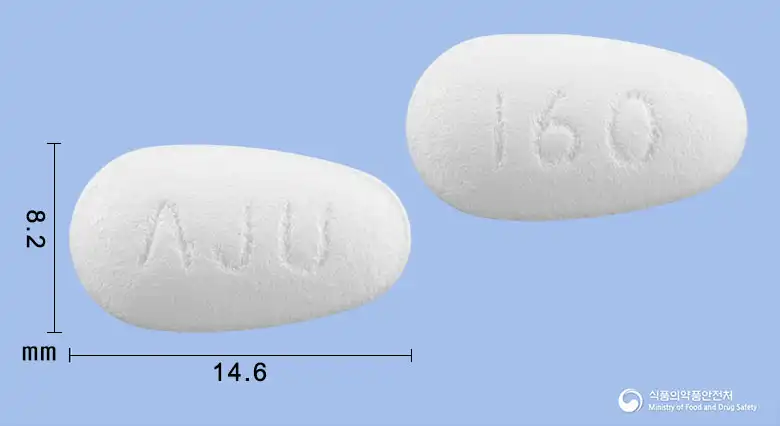 Viewing now
Fenodile Tablet 160 mg (Fenofibrate)
Fenofibrate 160mg
Tablet · Prescription medication
Aju Pharmaceuticals Co., Ltd.
MFDS item code 201902160 · Approved 2019.04.09
Improvement of primary hyperlipidemia (hypercholesterolemia, hypertriglyceridemia)
This medication is used to treat primary hyperlipidemia. It is particularly effective for conditions such as hypercholesterolemia (Type IIa), combined hypercholesterolemia and hypertriglyceridemia (Type IIb, Type III), and hypertriglyceridemia (Type IV). It helps regulate blood lipid levels within the normal range, promoting vascular health. Hyperlipidemia can increase the risk of cardiovascular diseases, so this drug can be utilized for prevention and treatment. It assists in improving the healthy levels of cholesterol and triglycerides in the patient's blood.
Fenofibrate should be taken orally at a dose of 160 mg once daily immediately after meals. Fenofibrate must always be administered alongside dietary therapy. This medication may be absorbed less effectively on an empty stomach, so it should be taken immediately after meals.
There are no clinical data regarding the use of this medication in children.
This medication should not be used in patients with impaired liver function. Patients with moderate to severe renal impairment may experience rhabdomyolysis, which can lead to muscle damage, and should avoid this drug. Women who are pregnant or may become pregnant, as well as nursing mothers, should not take this medication as it may harm the fetus and infant. Individuals with hypersensitivity to this medication or any of its ingredients should avoid its use, and caution is also necessary for patients with gallbladder diseases or gallstones. Patients who have experienced photosensitivity or allergic reactions while taking fibrate medications or ketoprofen should not use this drug. It is not administered to children. Patients with lactose intolerance or certain genetic metabolic disorders should not take this medication. Patients allergic to soybean oil, soybeans, or peanuts should also exercise caution. Patients with mild renal impairment or a history of renal issues should use this medication carefully, potentially reducing the dose or extending the interval between doses. Patients with abnormal liver function or a history of liver problems should undergo regular liver function tests while taking this medication. Patients with hypoalbuminemia, a history of gallstones, those on anticoagulant therapy, the elderly, and patients with lipid metabolism disorders such as hyperlipoproteinemia or diabetic dyslipidemia should use this medication with caution. This drug may affect the liver and biliary tract, potentially causing elevated liver enzymes, hepatitis, or gallstones. Skin reactions such as rash, itching, and photosensitivity may occur, and hair loss may occur rarely. Neurological symptoms such as dizziness, headache, and weakness have also been reported. There is a risk of thrombosis, which may result in vascular issues, so caution is advised. In cases of muscle pain, cramps, or signs of muscle damage, immediate consultation with a physician is warranted. Gastrointestinal issues may include abdominal pain, nausea, vomiting, diarrhea, and pancreatitis. This medication can worsen renal function, so renal function tests must be conducted prior to and during treatment. Lipid levels should be monitored regularly, and if there is no therapeutic effect, the medication should be discontinued, and liver function tests should also be conducted regularly. If gallstones are suspected, gallbladder tests should be performed, and this medication should be discontinued if necessary. Severe skin reactions due to hypersensitivity may occur, so any abnormal skin symptoms should be assessed immediately. Regular blood tests should be done to detect anemia or leukopenia early. This drug may interact with other medications, especially with anticoagulants, statin class lipid-lowering agents, hypoglycemic agents, and uric acid treatments, so careful management according to a physician's instructions is necessary when taken together. Women who are pregnant or nursing should not take this medication, and caution is required for the elderly due to the increased risk of adverse reactions from declining liver and renal functions. In cases of overdose, there is no specific antidote, and the symptoms may not be clear, so it is essential to adhere to the prescribed usage and dosage. This medication should be stored out of the reach of children, and transferring it to another container may affect the drug's quality, so it should be avoided.
Hives, severe swelling (edema), chest tightness, difficulty breathing, cold sweat, paleness, severe rash with fever, blisters, skin peeling, pain in oral/ocular mucosa, shortness of breath or breathing difficulty, asthma attacks, cough with fever and respiratory distress, yellowing of skin or eyes (jaundice), profound lethargy, sudden and severe headaches, lightning headache, seizures, confusion, vision changes, paralysis, urinary issues.
Elevated serum aminotransferase levels, liver enlargement, cholestatic hepatitis, gallstones, rash, itching, photosensitivity reactions, hair loss, weakness, fever, dizziness, headache, peripheral neuropathy, thromboembolism, elevated creatine kinase (CK), muscle pain, muscle cramps, joint pain, gastrointestinal disturbances (abdominal pain, nausea, vomiting, diarrhea, bloating), pancreatitis, thrombocytopenia, agranulocytosis, fatigue, sexual dysfunction, weight gain, elevated serum creatinine.
Not everyone experiences these, and they can vary from person to person.
Store this medication in a tightly closed container to protect it from air and moisture. It is important to maintain a storage temperature between 1 to 30 degrees Celsius.
White rectangular film-coated tablet
100 tablets (10 tablets/PTP x 10)
Even with the same ingredient, strength, dosage form and how it is taken can differ.
Viewing nowFenofibrate 160mg
Tablet · Prescription medication
Aju Pharmaceuticals Co., Ltd.
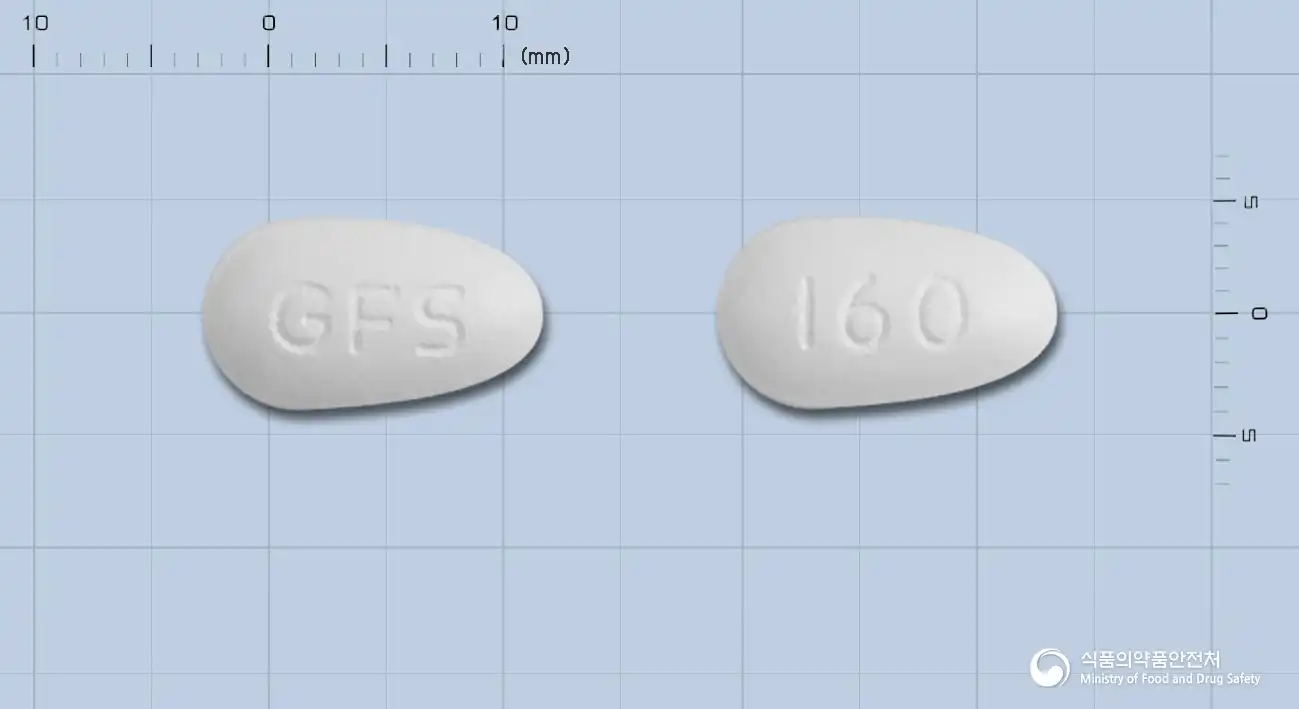
Fenofibrate 160mg
Tablet · Prescription medication
Samchundang Pharm Co., Ltd.
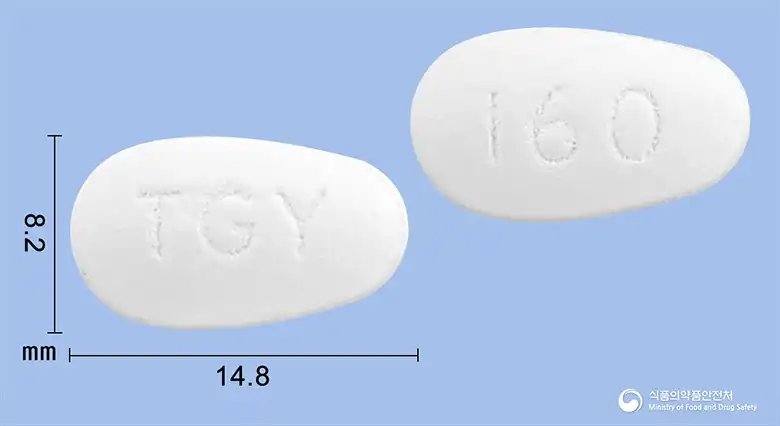
Fenofibrate 160mg
Tablet · Prescription medication
Yu Yeong Pharmaceutical Co., Ltd.
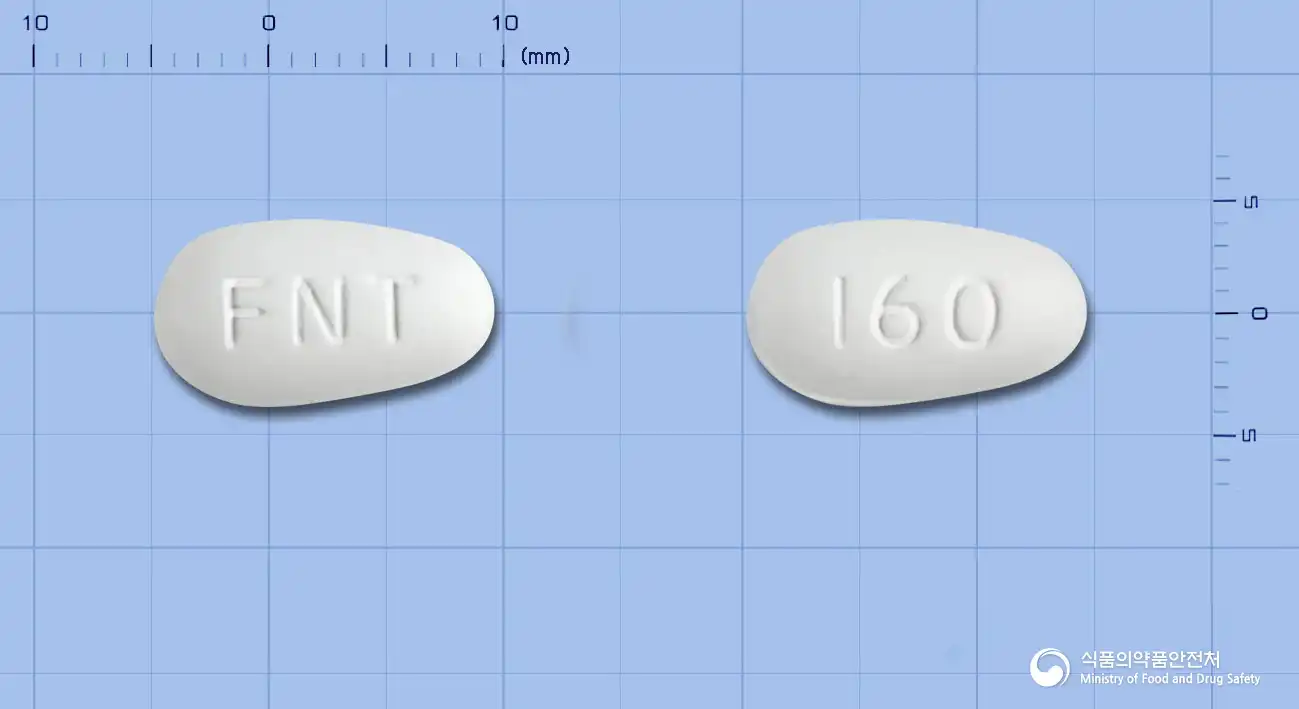
Fenofibrate 160mg
Tablet · Prescription medication
Kyung Dong Pharmaceutical Co., Ltd.
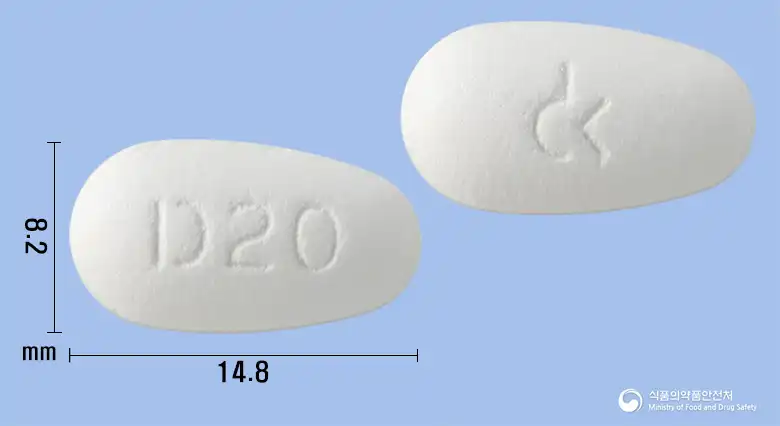
Fenofibrate 160mg
Tablet · Prescription medication
Dongkook Pharmaceutical Co., Ltd.
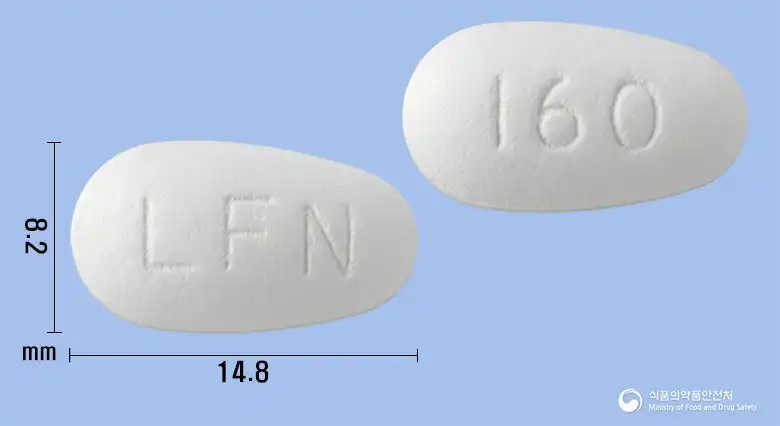
Fenofibrate 160mg
Tablet · Prescription medication
Jinyang Pharmaceutical Co., Ltd.
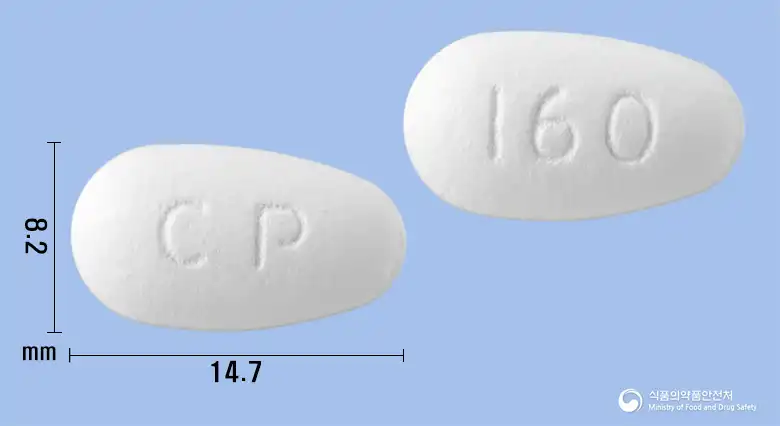
Fenofibrate 160mg
Tablet · Prescription medication
CMG Pharmaceutical Co., Ltd.
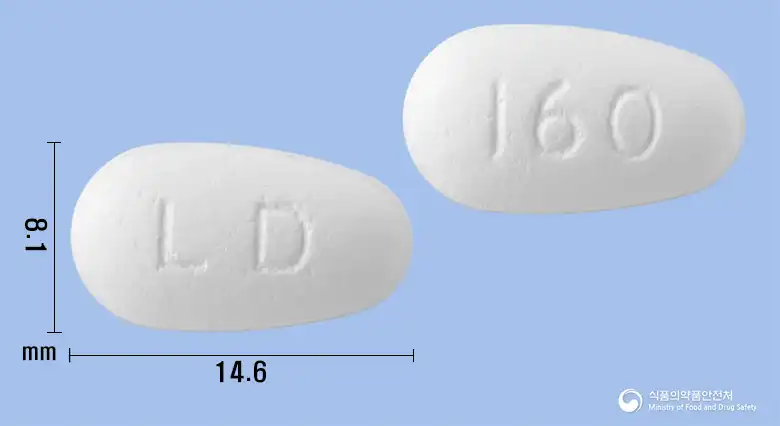
Fenofibrate 160mg
Tablet · Prescription medication
Korea Hyutecs Pharmaceutical Co., Ltd.
Even with the same ingredient, the dose and directions can differ by strength and dosage form. Talk to a doctor or pharmacist before switching from a medication you are already taking.
No questions yet.
For anything that needs medical judgment, consult a doctor or pharmacist.
This drug information is based on data provided by the Korea Ministry of Food and Drug Safety.
Consult a doctor or pharmacist for accurate dosage, administration, and usage instructions.