
 한국어
한국어 English
 日本語
日本語 中文(简体)
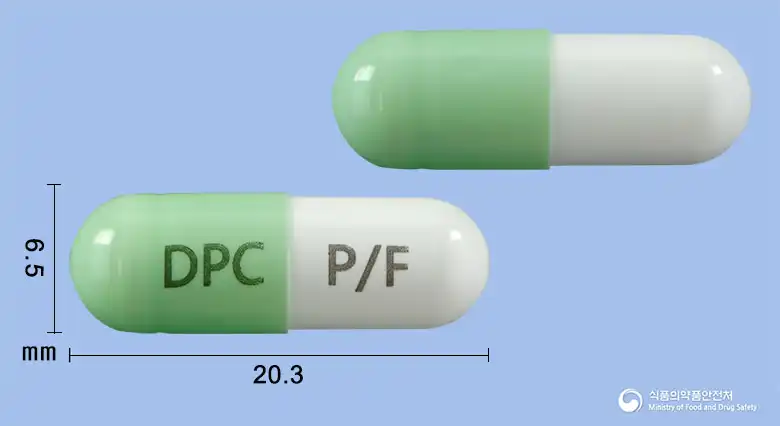 Viewing nowCombination
PF Capsule
Pitavastatin Calcium 2mg · Fenofibrate Granules 241.51mg
Hard capsule · Prescription medication · Combination
Dongkwang Pharmaceutical Co., Ltd.
MFDS item code 201902031 · Approved 2019.04.03 · Insurance code 645906510
LDL-Cholesterol Control and Improvement of Dyslipidemia
Pitavastatin 2mg monotherapy effectively helps control LDL-cholesterol levels in high-risk adult patients with coronary artery disease, reducing cardiovascular risk. However, additional management may be necessary for mixed dyslipidemia characterized by high triglyceride levels and low HDL-cholesterol levels. This medication is primarily used for the prevention and treatment of cardiovascular diseases, focusing on LDL-cholesterol control.
The recommended dosage is 1 capsule once daily, taken immediately after a meal.
This medication is a lipid-lowering drug used to control lipid levels in the blood. However, caution is required as muscle issues may arise when taking this medication. Particularly when taken alongside other lipid-lowering drugs such as fibric acid derivatives or statins, the risk of muscle damage may increase. If symptoms like myalgia, muscle weakness, or muscle cramps occur, notify a physician immediately, and if necessary, check for muscle damage through blood tests. Patients over 65 years, women, patients with reduced kidney function, and those with uncontrolled hypothyroidism should undergo tests prior to taking this medication to assess the risk of muscle damage. Moreover, this drug may affect liver function, necessitating liver function tests prior to administration in patients with liver disease or abnormally high liver enzyme levels. Patients with moderate to severe impaired kidney function, gallbladder disease, pancreatitis, or certain genetic disorders should not take this medication. This medication should not be administered to pregnant women, women who may become pregnant, nursing women, or children under 18 years of age. This drug may interact with other medications, particularly caution is advised during concomitant use with cyclosporine, niacin, erythromycin, oral anticoagulants, etc. Regular monitoring of blood lipid levels, liver function, kidney function, and muscle-related indicators is required during medication to detect abnormal signs early and manage them. Additionally, this medication should be temporarily discontinued if surgery is planned or if significant health changes occur. It is advisable to take this medication with meals, and caution is warranted as dizziness may occur when driving or operating machinery. In case of overdose, specific antidotes are not available; treatment should be symptomatic and supportive. Finally, this medication should be kept out of the reach of children and stored in its original container to prevent degradation.
Urticaria, angioedema, jaundice, acute pancreatitis, severe skin reactions (e.g., erythema multiforme, Stevens-Johnson syndrome, toxic epidermal necrolysis), severe allergic reactions, severe skin abnormalities, severe edema, rhabdomyolysis with or without renal failure, difficulty breathing, interstitial lung disease, pulmonary embolism, deep vein thrombosis, acute hypersensitivity (anaphylaxis), DRESS syndrome, severe muscle weakness, ophthalmoplegia
Not everyone experiences these, and they can vary from person to person.
This medication should be stored in a tightly closed container to protect it from air and moisture, and it is best kept at room temperature between 1 to 30 degrees Celsius. Storing it this way helps maintain the efficacy of the medication safely.
A hard capsule with an upper part in dark green and a lower part in white, containing white round film-coated tablets and white spherical fine granules.
30 capsules/box [10 capsules/PTP*3]
Even with the same ingredient, strength, dosage form and how it is taken can differ.
Viewing nowCombinationPitavastatin Calcium 2mg · Fenofibrate Granules 241.51mg
Hard capsule · Prescription medication · Combination
Dongkwang Pharmaceutical Co., Ltd.
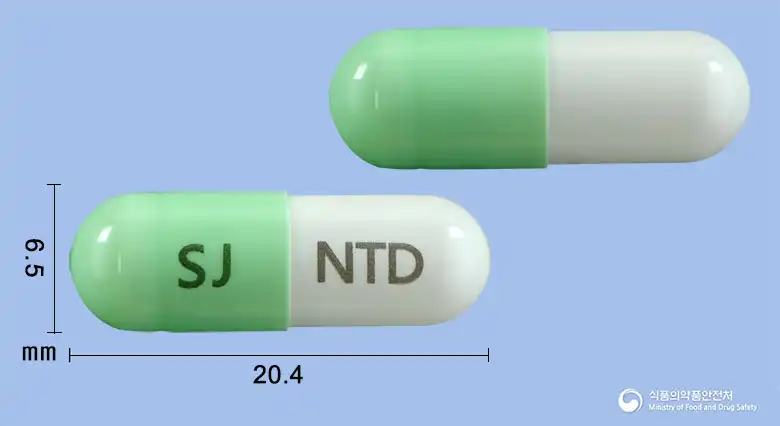 Combination
Pitavastatin Calcium 2mg · Fenofibrate Granules 241.51mg
Hard capsule · Prescription medication · Combination
Samjin Pharmaceutical Co., Ltd.
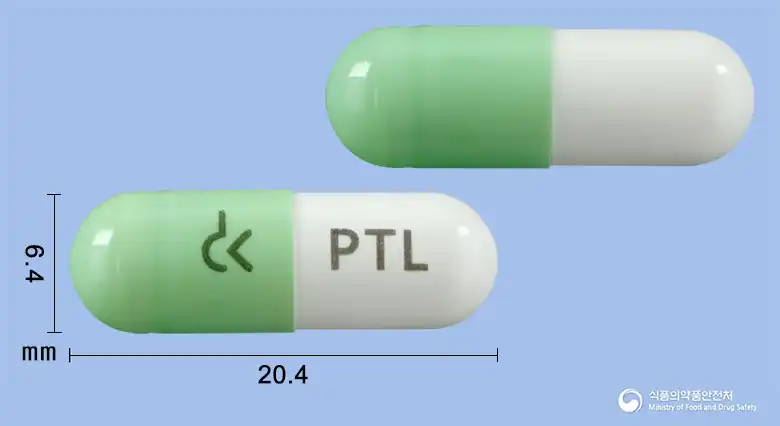 Combination
Pitavastatin Calcium 2mg · Fenofibrate Granules 241.51mg
Hard capsule · Prescription medication · Combination
Dongkook Pharmaceutical Co., Ltd.
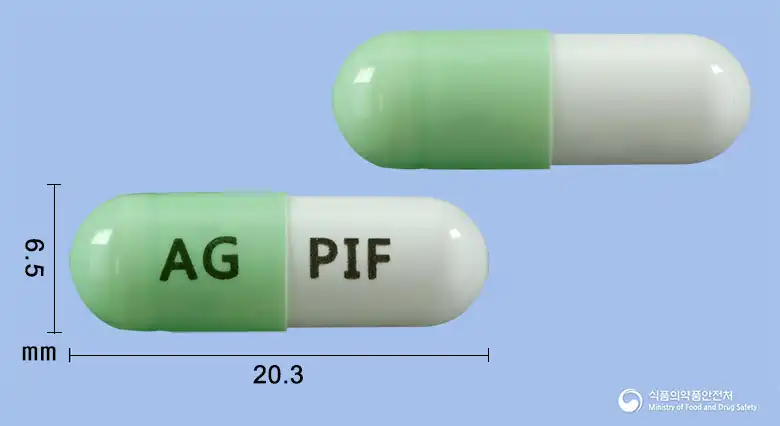 Combination
Pitavastatin Calcium 2mg · Fenofibrate Granules 241.51mg
Hard capsule · Prescription medication · Combination
Ahn-Gook Pharmaceutical Co., Ltd.
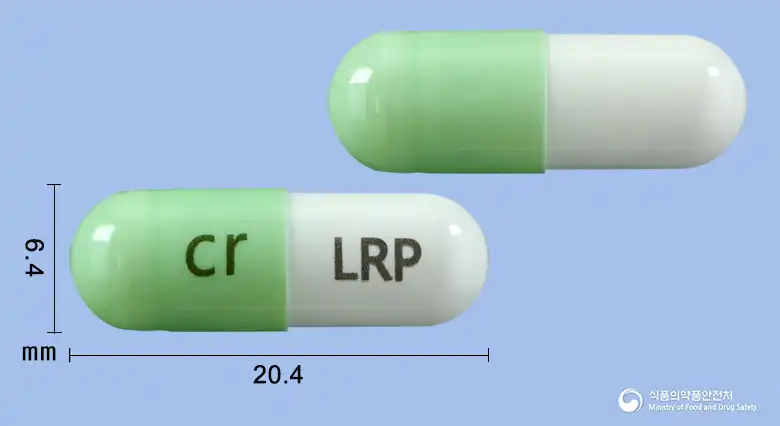 Combination
Pitavastatin Calcium 2mg · Fenofibrate Granules 241.51mg
Hard capsule · Prescription medication · Combination
GL Pharma Co., Ltd.
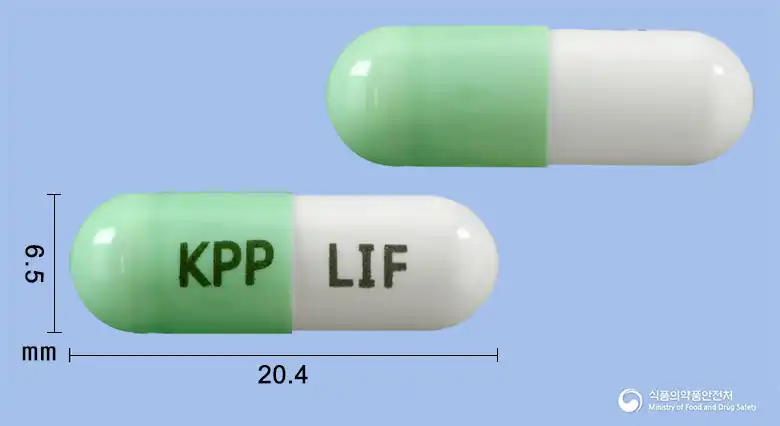 Combination
Pitavastatin Calcium 2mg · Fenofibrate Granules 241.51mg
Hard capsule · Prescription medication · Combination
Korea Prime Pharmaceutical Co., Ltd.
Pitavastatin Calcium 2mg · Fenofibrate Granules 241.51mg
Hard capsule · Prescription medication · Combination
Daewon Pharmaceutical Co., Ltd.
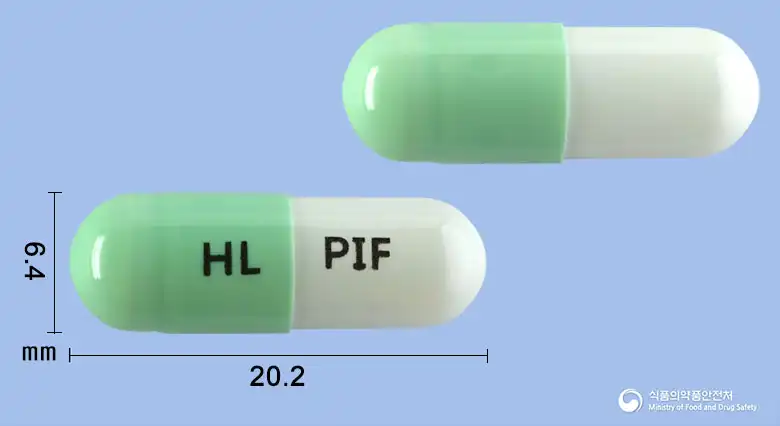 Combination
Pitavastatin Calcium 2mg · Fenofibrate Granules 241.51mg
Hard capsule · Prescription medication · Combination
Hanlim Pharmaceutical Co., Ltd.
Even with the same ingredient, the dose and directions can differ by strength and dosage form. Talk to a doctor or pharmacist before switching from a medication you are already taking.
No questions yet.
For anything that needs medical judgment, consult a doctor or pharmacist.
This drug information is based on data provided by the Korea Ministry of Food and Drug Safety.
Consult a doctor or pharmacist for accurate dosage, administration, and usage instructions.