
 한국어
한국어 English
 日本語
日本語 中文(简体)
Dosage form image
Viewing nowIngreelle Chewable Tablet 5mg (Montelukast Sodium)
Montelukast Sodium 5.2mg
Tablet · Prescription medication
Intro Bio Pharma Co., Ltd.
MFDS item code 201901924 · Approved 2019.03.29
This product's status changed to Expired on 2024.03.29. It may no longer be sold, so consult a doctor or pharmacist before taking it.
Prevention of asthma and relief of allergic rhinitis symptoms
This medication is used to prevent and continuously treat asthma. It is also effective in relieving symptoms of allergic rhinitis that occur seasonally or year-round. Therefore, it helps patients who suffer discomfort due to asthma and allergic rhinitis.
Adults and adolescents aged 15 years and older take 10 mg of montelukast once daily orally. The 10 mg oral disintegrating film is taken by placing it on the tongue once daily and allowing it to dissolve without water. Patients with asthma and allergic rhinitis take one tablet, one pouch, or one sheet in the evening once daily. This medication should be administered one hour before or two hours after meals.
Children aged 6 to 14 years take 5 mg of montelukast once daily by chewing. Children aged 6 to 14 years take 5 mg of montelukast once daily by placing it on the tongue and allowing it to dissolve without water. 6 to
This medication contains the artificial sweetener aspartame, which should be used with caution in patients with phenylketonuria, a hereditary disease that is sensitive to phenylalanine. Daily consumption of aspartame should be controlled to be below the recommended amount by WHO, with the maximum dosage determined according to body weight. Patients who are hypersensitive to this medication should not take it. Various adverse reactions such as fatigue, headache, indigestion, cough, rash, etc. may occur during use; if symptoms are severe or persistent, consult a doctor. While safety has been confirmed through clinical trials for children, adolescents, and adult asthma patients, there have also been reports of neuropsychiatric symptoms, so caution is necessary. This medication is not intended for use during acute asthma attacks; a separate fast-acting inhaler should be kept ready for emergencies. When gradually reducing the dosage of inhaled corticosteroids, follow the doctor's instructions, and avoid sudden changes. Patients with hypersensitivity to aspirin or non-steroidal anti-inflammatory drugs should avoid using those medications while taking this drug. Rarely, asthma patients may experience vascular inflammation related to systemic eosinophilia, necessitating observation. This medication has not been reported to have significant interactions with other drugs when used in combination, but caution is needed when co-administered with certain medications. Use during pregnancy should only be when necessary, and use during breastfeeding should also be done cautiously. Safety has been verified in pediatric and elderly patients, but care should be taken based on age. There is no specific antidote for overdose; general symptomatic treatment and clinical monitoring are required. Sensitive to light, so it should not be opened until just before use, and should be taken immediately after preparation. Keep out of reach of children and do not transfer to other containers. This medication should be taken continuously even when asthma symptoms are absent, and if symptoms worsen, consult a doctor immediately. Patients with exercise-induced asthma should avoid using this medication alone and should continue to use inhaled bronchodilators if needed. If any neuropsychiatric symptoms occur during use, notify a doctor. Patients with aspirin hypersensitivity should avoid taking aspirin and non-steroidal anti-inflammatory drugs. Patients with phenylketonuria must be informed about the presence of aspartame.
Not everyone experiences these, and they can vary from person to person.
This medication is sensitive to air, moisture, and light; therefore, it must be stored in a tightly sealed container. It is best to maintain room temperature between 1 degree and 30 degrees. Proper storage will help maintain the medication's effectiveness.
Pink chewable tablet that is biconvex in shape
30 tablets (10 tablets/PTP x 3), 28 tablets (7 tablets/PTP x 4)
Even with the same ingredient, strength, dosage form and how it is taken can differ.
Montelukast Sodium 5.2mg
Tablet · Prescription medication
Intro Bio Pharma Co., Ltd.
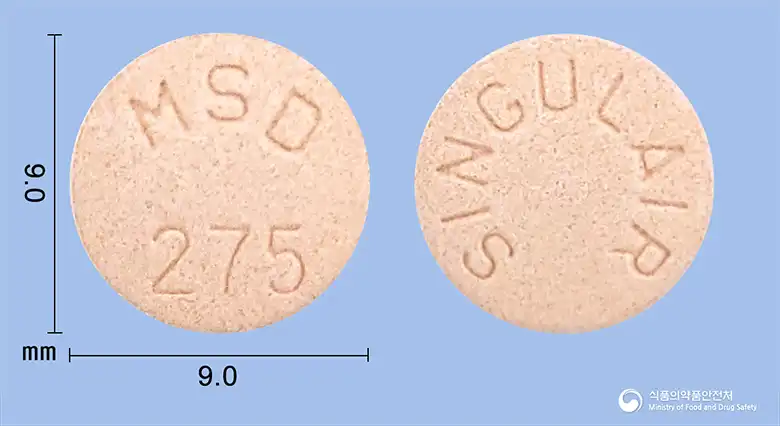
Montelukast Sodium 5.2mg
Chewable Tablet · Prescription medication
Korea Organon Co., Ltd.
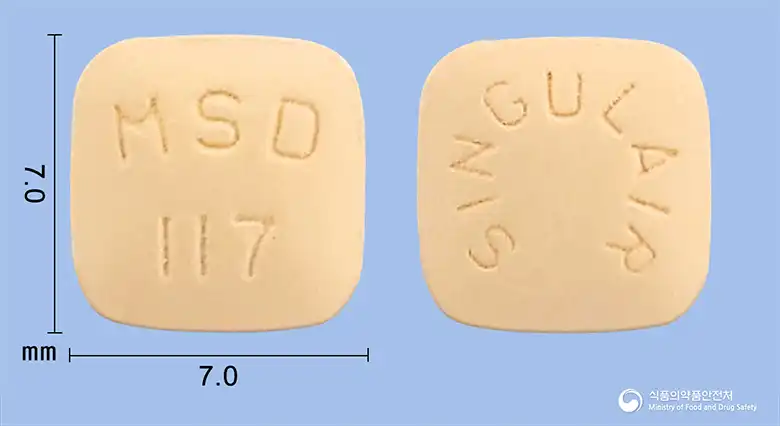
Montelukast Sodium 10.4mg
Tablet · Prescription medication
Korea Organon Co., Ltd.
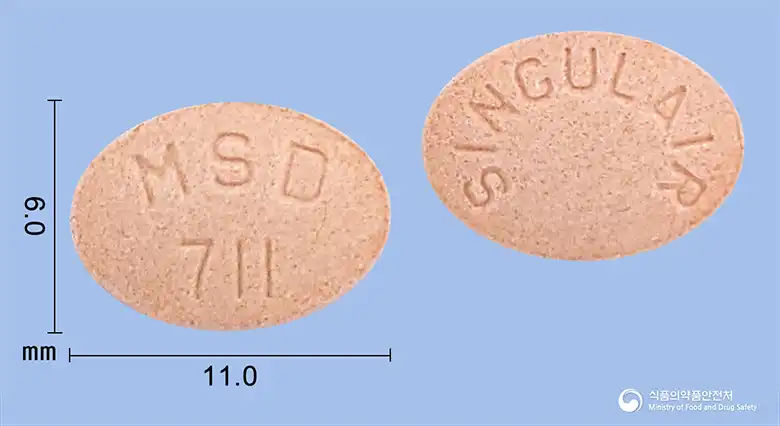
Montelukast Sodium 4.16mg
Chewable Tablet · Prescription medication
Korea Organon Co., Ltd.
Montelukast Sodium 4.16mg
Prescription medication
Korea Organon Co., Ltd.
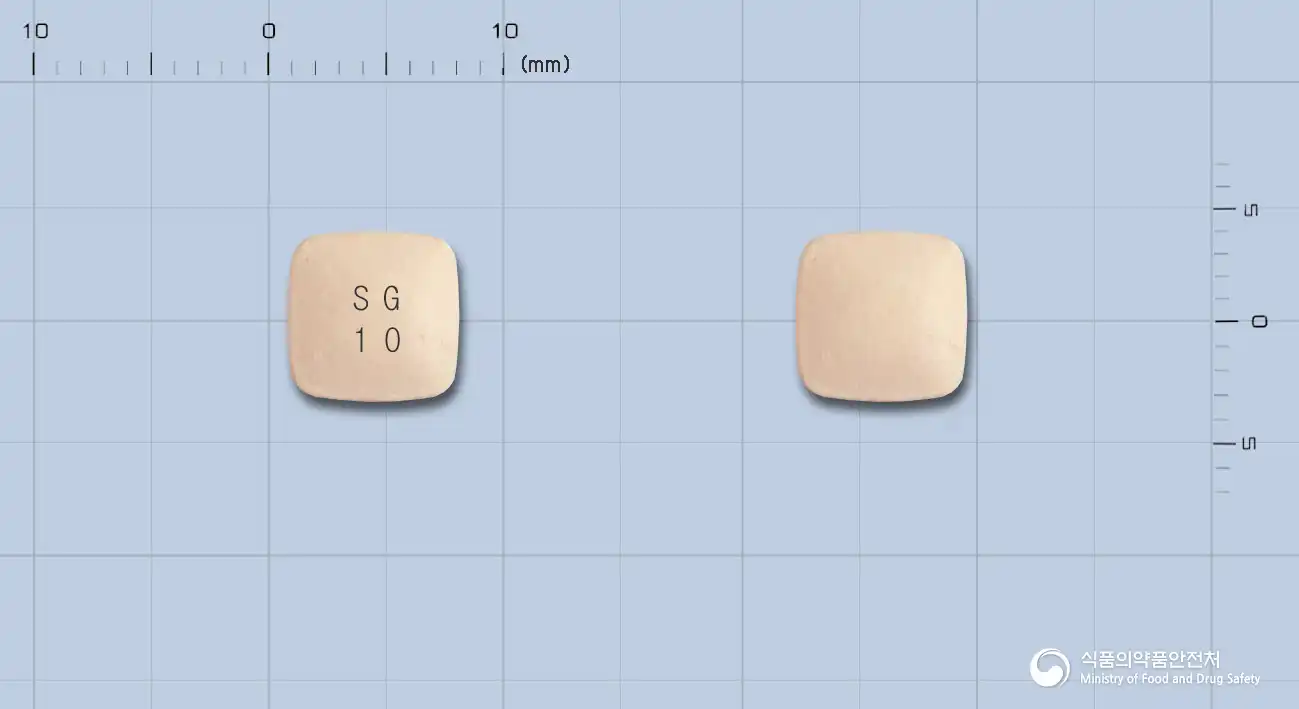
Montelukast Sodium 10.4mg
Tablet · Prescription medication
JW Pharmaceutical Co., Ltd.
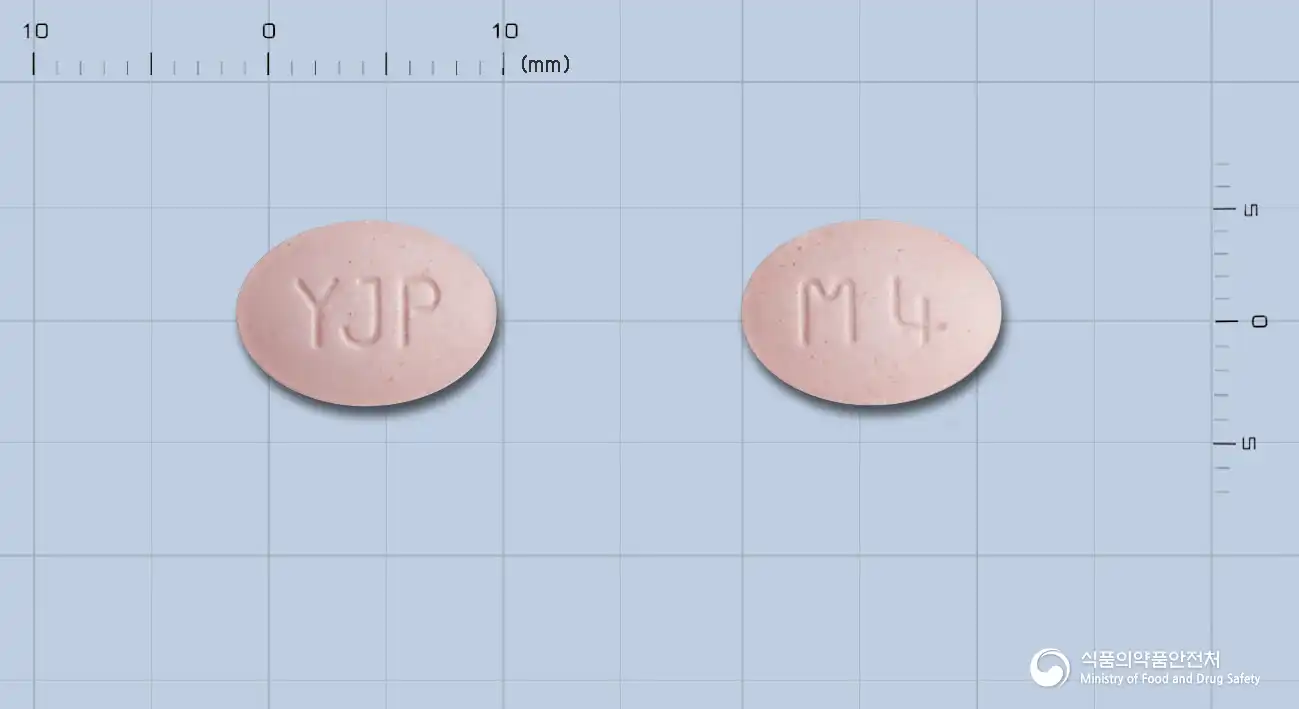
Montelukast Sodium 4.16mg
Chewable Tablet · Prescription medication
Youngjin Pharmaceutical Co., Ltd.
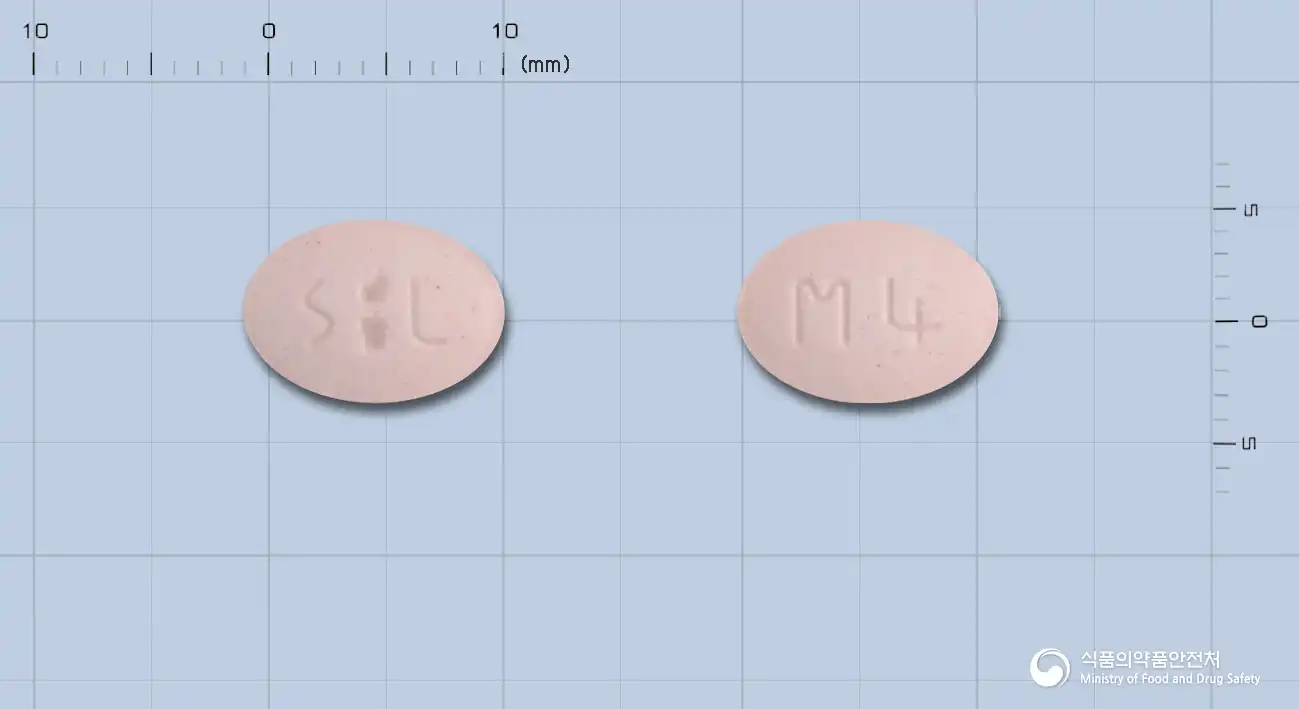
Montelukast Sodium 4.16mg
Chewable Tablet · Prescription medication
Samil Pharmaceutical Co., Ltd.
Even with the same ingredient, the dose and directions can differ by strength and dosage form. Talk to a doctor or pharmacist before switching from a medication you are already taking.
No questions yet.
For anything that needs medical judgment, consult a doctor or pharmacist.
This drug information is based on data provided by the Korea Ministry of Food and Drug Safety.
Consult a doctor or pharmacist for accurate dosage, administration, and usage instructions.