
 한국어
한국어 English
 日本語
日本語 中文(简体)
 Viewing nowCombination
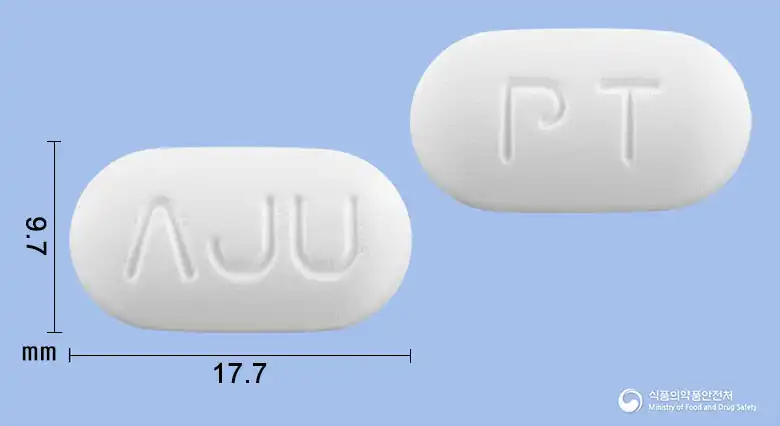
Piotomin Tablets 15/850 milligrams
Metformin Hydrochloride 850mg · Pioglitazone Hydrochloride 16.53mg
Tablet · Prescription medication · Combination
Aju Pharmaceuticals Co., Ltd.
MFDS item code 201901634 · Approved 2019.03.18 · Insurance code 654005350
Improvement of blood sugar control in type 2 diabetes
This medication is used to help control blood sugar levels in patients with type 2 diabetes. It is effective in improving blood sugar levels when used in conjunction with dietary and exercise regimens. In particular, the combination of pioglitazone and metformin works together to support stable management of blood sugar. This helps in smoother diabetes management and can assist in the prevention of complications. It is recommended to use this medication for healthy blood sugar control.
1 tablet daily, taken with meals. The dosage should be individualized within the range not exceeding pioglitazone 30mg and metformin 2500mg. Dosage should be gradually adjusted based on the evaluation of therapeutic response, and the maximum dosage should not be increased for patients with renal impairment, elderly patients, frail patients, and those with nutritional deficiencies.
This medication consists mainly of two components, the first of which is a drug that assists in blood sugar control. However, during the use of this medication, there is a very rare possibility of developing a serious condition called lactic acidosis, which occurs when there is excessive accumulation of lactic acid in the body. Lactic acidosis can occur more frequently in patients with impaired kidney function or those with issues related to the heart or lungs, or in patients with dehydration or infections, so caution is needed. Additionally, patients with liver dysfunction or those who consume excessive amounts of alcohol should avoid taking this medication. Initial symptoms of lactic acidosis may include fatigue, muscle pain, difficulty breathing, and abdominal pain; if such symptoms occur, immediate consultation with a physician is necessary. The second component is a drug that enhances the effect of insulin, and in some patients, the risk of worsening heart conditions such as heart failure may increase, so this medication should not be used in patients with severe heart conditions. This medication may cause edema due to fluid retention, and weight gain may occur, so it's important to regularly monitor the body's condition. Moreover, patients with a history of bladder cancer should carefully consider the risks of cancer recurrence associated with the use of this medication. This medication is not administered to patients with impaired kidney function, severe heart failure, active bladder cancer, pregnant or nursing women, or patients with certain genetic issues. Caution is also needed for patients before and after surgery, those with acute infections, or those in a state of malnutrition. While taking this medication, liver and kidney functions should be regularly monitored, and blood tests are needed as vitamin B12 deficiency may occur. Additionally, there is a risk of hypoglycemia, so care should be taken, especially in cases of irregular meals, excessive exercise, or use of other blood glucose-lowering agents. Alcohol may interact with this medication and increase risks, so it is advisable to avoid drinking while on treatment. When undergoing surgery or imaging examinations with contrast agents, it is essential to inform the physician about the use of this medication to decide on whether to discontinue its use. Finally, when administering this medication to elderly patients, kidney function should be closely monitored, and dosage should be adjusted accordingly; if any unusual symptoms or side effects occur, immediate consultation with a physician is necessary.
Severe lactic acidosis, hypoglycemia, acute kidney function deterioration, cardiopulmonary disease, sepsis, liver abnormalities (jaundice), severe allergic reactions, severe heart failure, worsening of congestive heart failure, cardiovascular abnormalities, acute coronary syndrome, serious cardiac adverse reactions, acute myocardial infarction, acute kidney failure, severe infections, low blood pressure, resistant bradyarrhythmia, severe neurological symptoms (severe headache, seizures, altered consciousness, visual disturbances, paralysis), difficulty breathing.
Not everyone experiences these, and they can vary from person to person.
This medication should be stored in a tightly sealed container to prevent exposure to air or moisture. It is best to keep it at room temperature between 1 and 30 degrees Celsius.
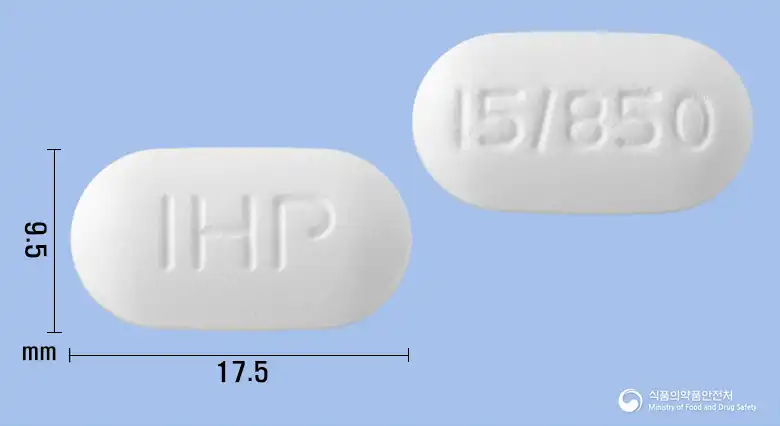
White to grayish-white rectangular film-coated tablets
30 tablets (10 tablets/PTP*3)
Even with the same ingredient, strength, dosage form and how it is taken can differ.
Viewing nowCombinationMetformin Hydrochloride 850mg · Pioglitazone Hydrochloride 16.53mg
Tablet · Prescription medication · Combination
Aju Pharmaceuticals Co., Ltd.
Pioglitazone Hydrochloride 16.53mg · Metformin Hydrochloride 850mg
Tablet · Prescription medication · Combination
Celltrion Pharmaceutical Co., Ltd.
 Combination
Metformin Hydrochloride 850mg · Pioglitazone Hydrochloride 16.53mg
Tablet · Prescription medication · Combination
Genewon Science Co., Ltd.
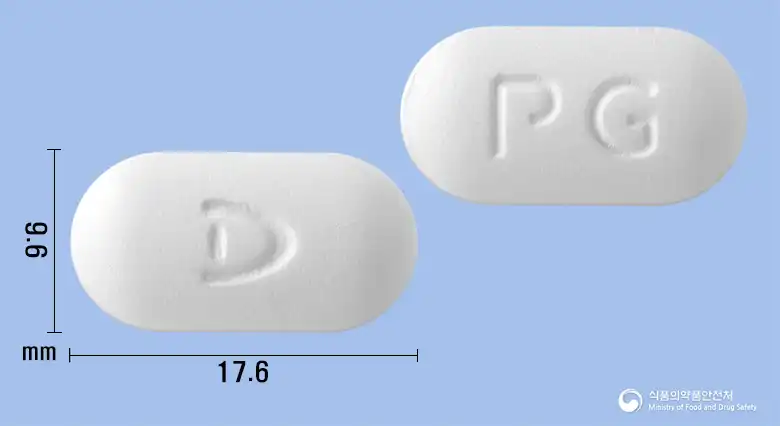 Combination
Metformin Hydrochloride 850mg · Pioglitazone Hydrochloride 16.53mg
Tablet · Prescription medication · Combination
Dalim Biotech Co., Ltd.
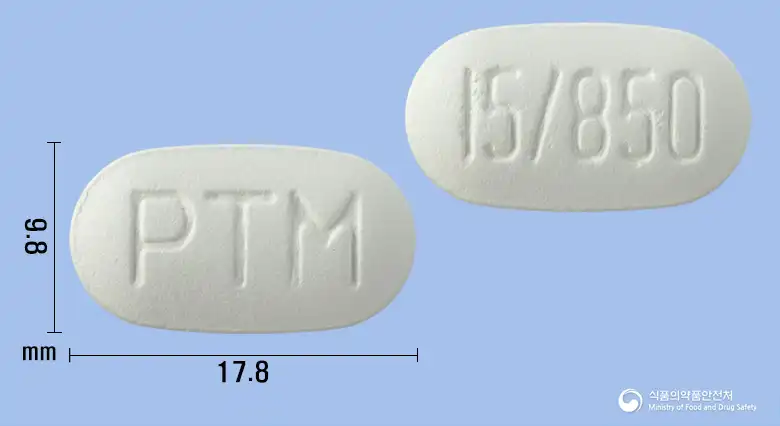 Combination
Pioglitazone Hydrochloride 16.53mg · Metformin Hydrochloride 850mg
Tablet · Prescription medication · Combination
Kyungdong Pharmaceutical Co., Ltd.
Metformin Hydrochloride · Pioglitazone Hydrochloride
Prescription medication · Combination
Nexpam Korea Co., Ltd.
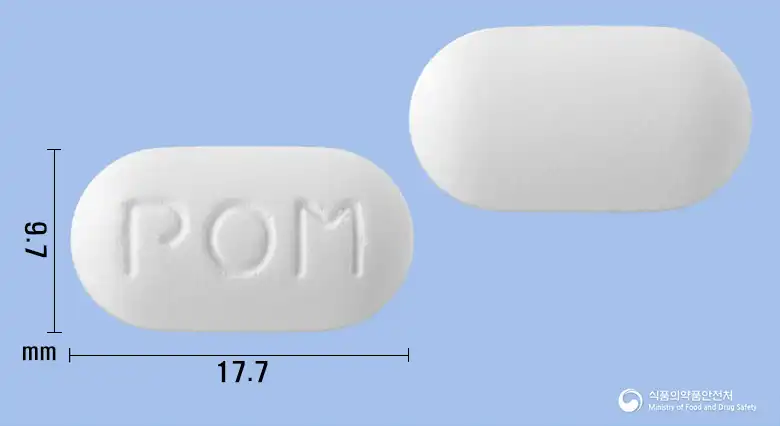 Combination
Pioglitazone Hydrochloride 16.53mg · Metformin Hydrochloride 850mg
Tablet · Prescription medication · Combination
Korea Prime Pharmaceutical Co., Ltd.
 Combination
Metformin Hydrochloride 850mg · Pioglitazone Hydrochloride 16.53mg
Tablet · Prescription medication · Combination
Ilhwa Co., Ltd.
Even with the same ingredient, the dose and directions can differ by strength and dosage form. Talk to a doctor or pharmacist before switching from a medication you are already taking.
No questions yet.
For anything that needs medical judgment, consult a doctor or pharmacist.
This drug information is based on data provided by the Korea Ministry of Food and Drug Safety.
Consult a doctor or pharmacist for accurate dosage, administration, and usage instructions.