
 한국어
 English
 日本語
 中文(简体)
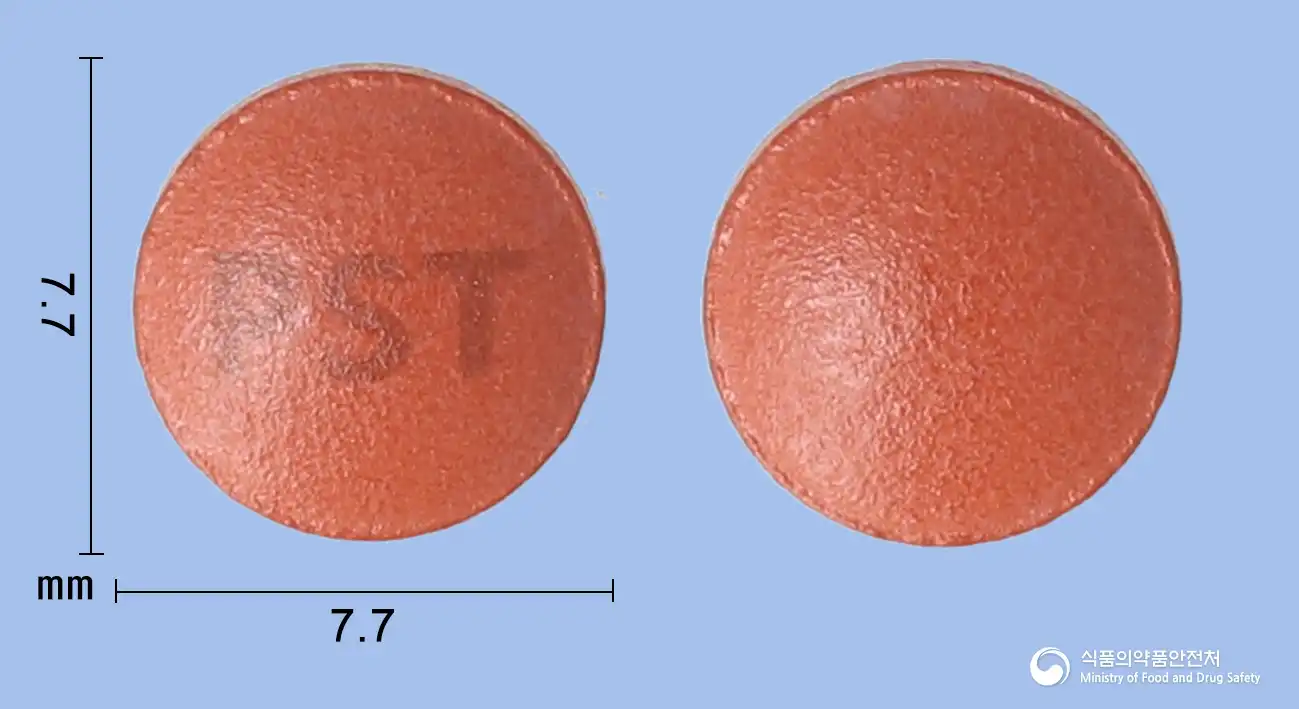 Viewing now
Penum S Tablets (Pelargonium sidoides 11% Ethanol Dry Extract (5.5~6.6→1))
Pelargonium Sidoides 11% Ethanol Dried Extract (5.5∼6.6→1) 20mg
Tablet · Prescription medication
Kyungdong Pharmaceutical Co., Ltd.
MFDS item code 201901500 · Notified 2019.03.12 · Insurance code 648104290
Treatment of acute bronchitis
Acute bronchitis is a condition characterized by sudden inflammation of the bronchi, causing symptoms such as cough, mucus production, and difficulty breathing. This medication alleviates the inflammation and related symptoms of acute bronchitis and helps restore respiratory health. Therefore, it is used in the treatment of acute bronchitis.
Adults: Take 1 tablet per dose 3 times daily with a small amount of water.
Ages 12 years and older: Take 1 tablet per dose 3 times daily with a small amount of water.
This medication is not safe for use in pregnant or breastfeeding women. Patients with a tendency to bleed or those taking anticoagulant medications should not be administered this drug. Patients with severely impaired liver or kidney function should not take this medication. Patients who have previously had allergic reactions to any components of this medication should avoid its use. This medication contains lactose; individuals with genetic issues like galactose intolerance, lactase deficiency, or glucose-galactose malabsorption should not take it. It is advisable for children under 12 years of age to avoid using this medication. Use of this medication may occasionally lead to gastrointestinal side effects such as stomach pain, heartburn, nausea, or diarrhea. Rarely, there may be bleeding symptoms such as gum bleeding or nosebleeds, so caution is necessary. Allergic reactions such as skin rash, hives, or itching may occur rarely. Very rarely, severe allergic reactions such as facial swelling, difficulty breathing, and low blood pressure may occur; if any such symptoms arise, immediate consultation with medical personnel is necessary. Some patients may experience elevated liver function tests or inflammatory liver disease, so liver health should be monitored. While platelet counts may decrease during use, this could also be attributable to other conditions, necessitating regular testing. If symptoms of liver damage, such as jaundice of the skin or eyes, darkening of urine, severe abdominal pain, or loss of appetite occur, use of this medication should be discontinued immediately and a physician consulted. If fever persists for several days or symptoms of difficulty breathing or vomiting blood continue, ingestion should be stopped and healthcare personnel informed. The medication should not be taken while lying down; it is advisable to take it in an appropriate posture. No drug interactions have been reported for this medication, but caution should be exercised when used in conjunction with anticoagulants, as it may affect blood coagulation. Safety during pregnancy or breastfeeding has not been established, so it is advisable to avoid use under these conditions. Overdose may increase the risk of side effects, so do not exceed the recommended dosage and consult a physician if problems arise. This medication should be kept out of reach of children, and transferring it to other containers may lead to quality degradation or accidents, so caution is advised.
Not everyone experiences these, and they can vary from person to person.
This medication is sensitive to air and moisture, so it should be stored in a tightly sealed container. It is important to maintain storage temperatures between 1 degree and 30 degrees Celsius at room temperature to safely preserve the medication's effectiveness.
Reddish-brown round film-coated tablet
30 tablets/bottle, 100 tablets/bottle
Even with the same ingredient, strength, dosage form and how it is taken can differ.
Viewing nowPelargonium Sidoides 11% Ethanol Dried Extract (5.5∼6.6→1) 20mg
Tablet · Prescription medication
Kyungdong Pharmaceutical Co., Ltd.
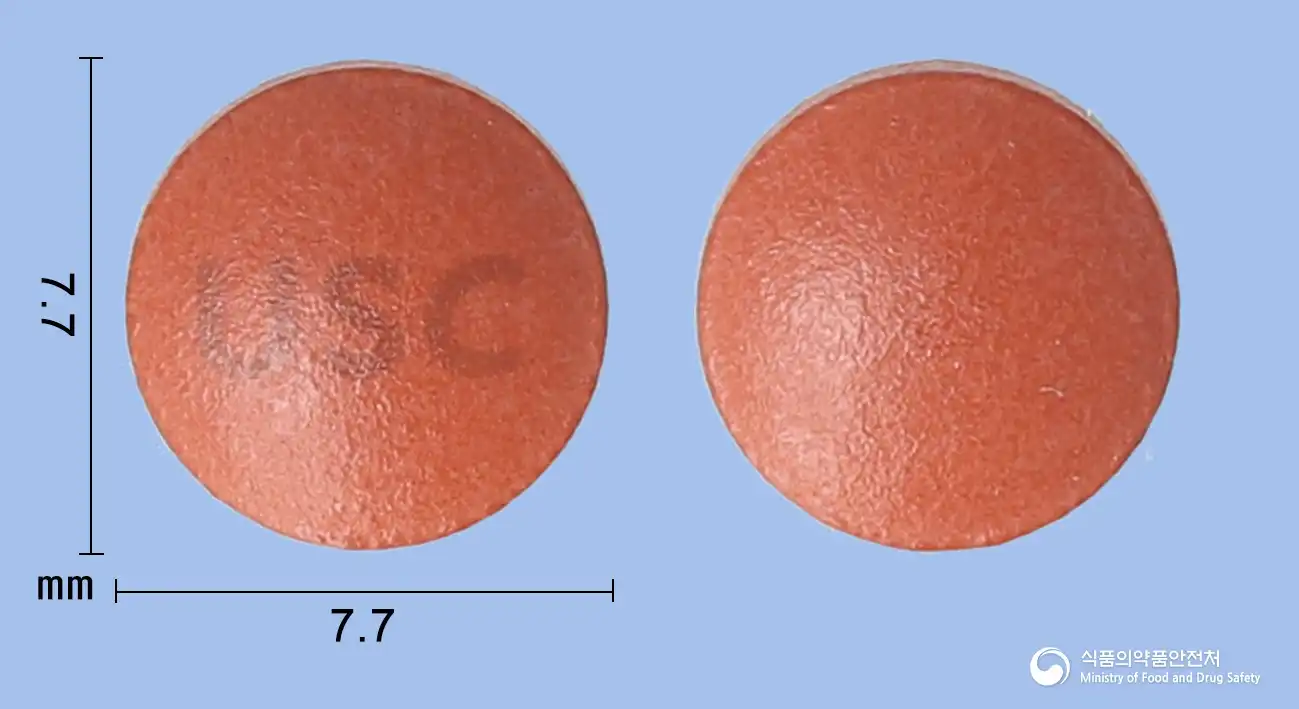
Pelargonium Sidoides 11% Ethanol Dried Extract (5.5∼6.6→1) 20mg
Tablet · Prescription medication
(Ltd.) Chong Kun Dang Pharmaceutical Corp.
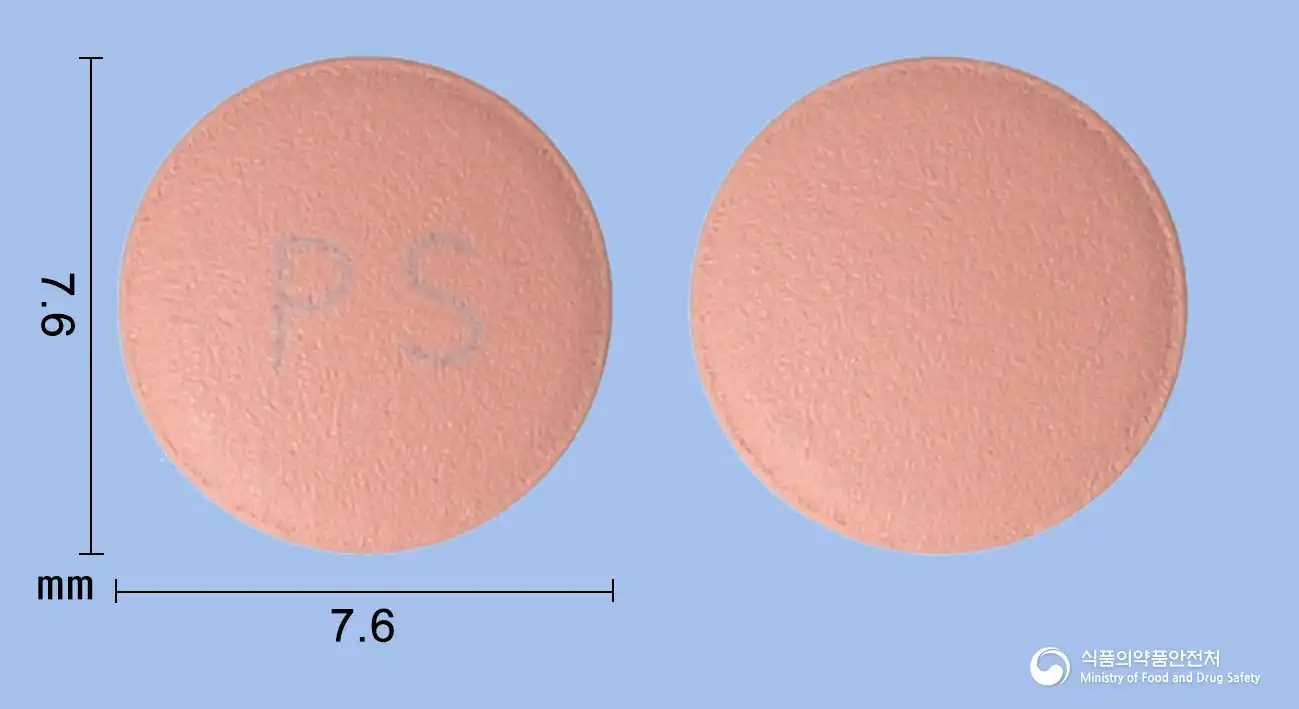
Pelargonium Sidoides 11% Ethanol Dried Extract (5.5∼6.6→1) 1538.46mg
Tablet · Prescription medication
Genewon Science Co., Ltd.
Pelargonium Sidoides 11% Ethanol Dried Extract (5.5∼6.6→1) 20mg
Tablet · Prescription medication
Korea Prime Pharmaceutical Co., Ltd.
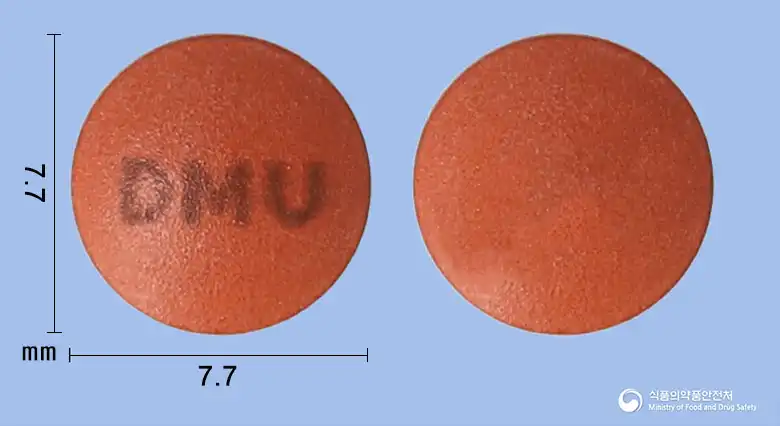
Pelargonium Sidoides 11% Ethanol Dried Extract (5.5∼6.6→1) 20mg
Tablet · Prescription medication
(Ltd.) Dasan Pharmaceutical
Pelargonium Sidoides 11% Ethanol Dried Extract (5.5∼6.6→1) 1538.46mg
Tablet · Prescription medication
Myungmoon Pharmaceutical Co., Ltd.
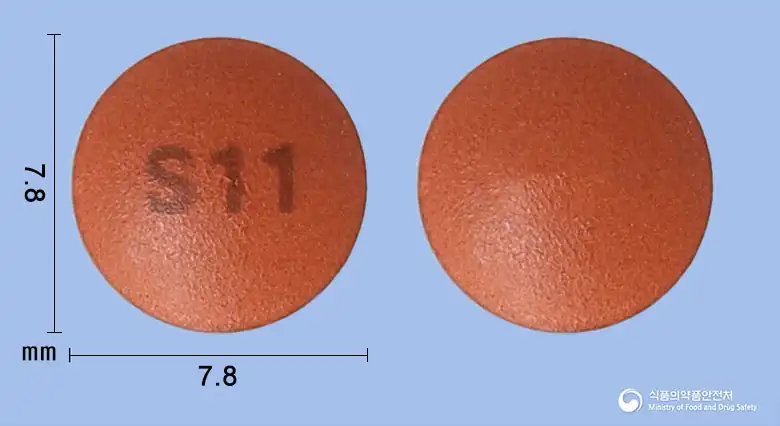
Pelargonium Sidoides 11% Ethanol Dried Extract (5.5∼6.6→1) 1538.46mg
Tablet · Prescription medication
Samchun Dang Pharmaceutical Co., Ltd.
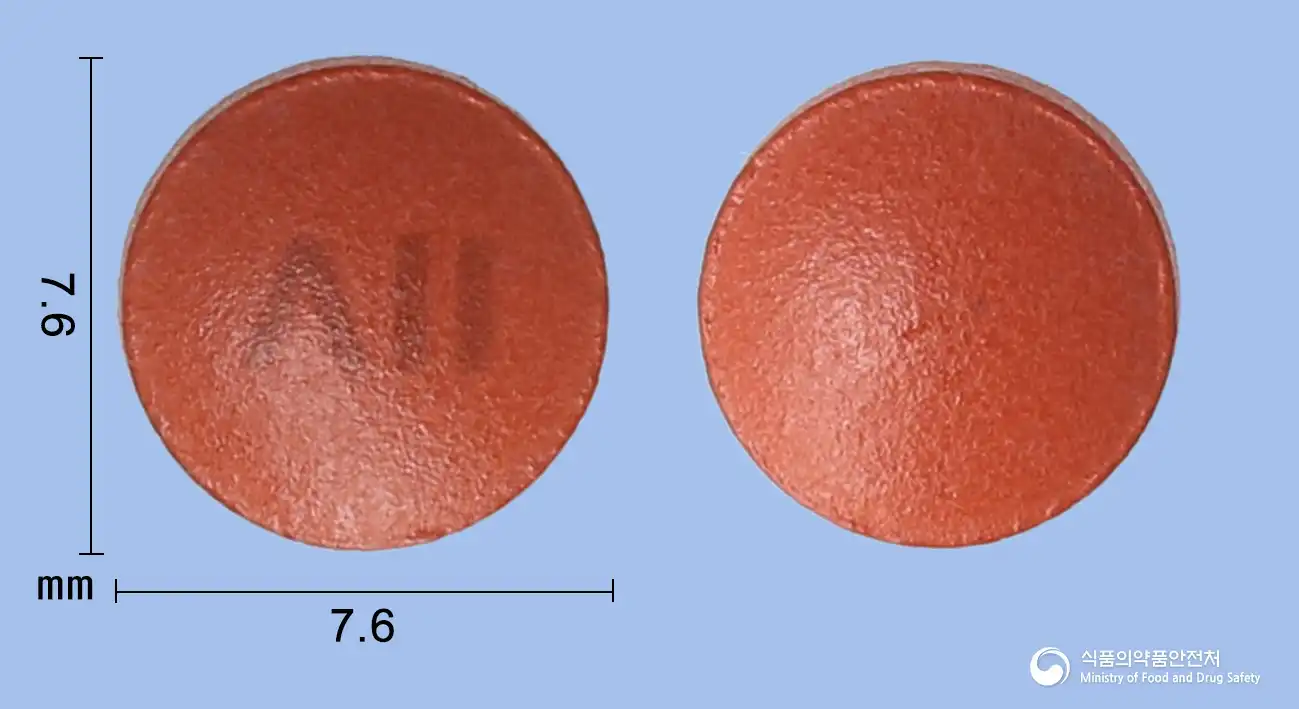
Pelargonium Sidoides 11% Ethanol Dried Extract (5.5∼6.6→1) 20mg
Tablet · Prescription medication
Korea Prime Pharmaceutical Co., Ltd.
Even with the same ingredient, the dose and directions can differ by strength and dosage form. Talk to a doctor or pharmacist before switching from a medication you are already taking.
No questions yet.
For anything that needs medical judgment, consult a doctor or pharmacist.
This drug information is based on data provided by the Korea Ministry of Food and Drug Safety.
Consult a doctor or pharmacist for accurate dosage, administration, and usage instructions.