
 한국어
 English
 日本語
 中文(简体)
Dosage form image
Viewing nowEpina Tablet 20mg (Ebastine)
Epinastine Hydrochloride 20mg
Tablet · Prescription medication
Austin Pharmaceutical Co., Ltd.
MFDS item code 201901453 · Approved 2019.03.08
This product's status changed to Approval withdrawn on 2024.01.08. It may no longer be sold, so consult a doctor or pharmacist before taking it.
Treatment of allergic rhinitis, skin conditions (such as urticaria and eczema), and bronchial asthma
This medication is used for respiratory allergic diseases such as bronchial asthma and allergic rhinitis. It is also effective for skin diseases such as urticaria, eczema, dermatitis, itching, and psoriasis accompanied by itching. It helps alleviate symptoms of these diseases and improve the patient's quality of life. Therefore, this drug is used to treat allergy and skin-related issues.
Asthma, urticaria, eczema/dermatitis, pruritus, prurigo, and common psoriasis accompanied by pruritus Adults: Administer 20 mg of epinastine hydrochloride orally once daily. Adjust the dose as appropriate according to symptoms. Allergic rhinitis Adults: Administer 10∼20 mg of this medicine orally once daily. Adjust the dose as appropriate according to symptoms.
This medication should not be used by patients who have had allergic reactions to this drug or its components. Since this medication contains lactose, it should not be administered to patients with genetic issues that prevent lactose digestion. Patients with liver problems or a history of liver disease should be careful as the condition may worsen while using this medication. If allergic symptoms such as skin rash, urticaria, swelling of the face or extremities, or severe itching occur during the use of this drug, discontinue use immediately and seek medical attention. This medication may cause neurological symptoms such as drowsiness, headache, dizziness, insomnia, and nightmares, so caution is needed while driving or operating machinery. Gastrointestinal symptoms may include nausea, abdominal pain, loss of appetite, diarrhea, or constipation, so any unusual symptoms should be reported. Liver function test results may increase, or jaundice symptoms may appear, so liver condition must be monitored frequently and the medication stopped if abnormalities occur. Rarely, it may affect kidney function, so kidney status should be observed through urinalysis. Symptoms similar to cystitis or urination disorders may occur, so consult a doctor immediately if such symptoms arise. Increased heart rate might occasionally occur, thus heart-related symptoms should be observed carefully. Respiratory symptoms such as shortness of breath or nasal congestion may rarely occur, so report any abnormal symptoms. Blood tests may show decreased platelet count or increased white blood cells, hence regular blood testing is necessary. In women, symptoms such as gynecomastia, menstrual irregularities, or breast pain may rarely occur. This drug is not for the immediate relief of asthma attacks, so this should be fully explained to asthma patients. Patients undergoing long-term steroid therapy should gradually reduce steroid medication while using this drug, as directed by a physician. This medication can cause drowsiness, so caution is necessary when driving or operating dangerous machinery. If no effects are observed, do not continue taking the medication for prolonged periods. Patients with seasonal allergies are advised to start taking this medication before the season when allergies are frequent and continue until symptoms resolve. It is known that this drug does not enhance the sedative effects when taken with other sleeping pills or alcohol; however, caution is still advised due to limited joint experiences. This drug is expected to have little significant interaction with other medications metabolized in the liver, and thus, is unlikely to impact drug efficacy. Pregnant women or women who may become pregnant should use this medication only when a physician determines that the benefits outweigh the risks, as its safety has not been fully established. Women who are breastfeeding should avoid taking this medication as it may pass into breast milk, and if unavoidable, breastfeeding should be discontinued. The safety for children, neonates, and infants has not been adequately confirmed, so use should be cautious. Elderly patients should be observed carefully for adverse reactions, and dosage may need to be reduced or the medication temporarily discontinued due to potential deterioration of liver and kidney function. In cases of overdose, cardiac rhythm disturbances may occur, so immediate medical attention is required, and symptomatic treatment such as gastric lavage or inducing urination may be performed. This medication should be kept out of the reach of children, and transferring it to other containers may lead to accidents or degradation of the medication quality, so caution is advised.
Allergic reactions (rash, hives, redness), itching, swelling (face, extremities, etc.), erythema accompanied by itching, drowsiness, fatigue, headache, dizziness, insomnia, nightmares, numbness, feeling of fuzziness in the head, nausea, abdominal discomfort, thirst, abdominal pain, loss of appetite, vomiting, sensation of heaviness in the stomach, feeling of fullness, diarrhea, constipation, dry mouth, abdominal bloating, stomatitis, liver dysfunction, jaundice, hepatitis, worsening of symptoms, proteinuria, frequent urination, hematuria, urinary retention, palpitations, shortness of breath, difficulty expectorating, nasal congestion, thrombocytopenia, leukocytosis, gynecomastia, breast enlargement, menstrual irregularities, flushing, bitter taste, taste impairment, chest pain
Not everyone experiences these, and they can vary from person to person.
This medication should be stored in a tightly sealed container to protect it from air and moisture. It is important to maintain storage temperatures between 1 to 30 degrees Celsius.
White or pale yellow round film-coated tablet
30 tablets/bottle, 100 tablets/bottle
Even with the same ingredient, strength, dosage form and how it is taken can differ.
Epinastine Hydrochloride 20mg
Tablet · Prescription medication
Austin Pharmaceutical Co., Ltd.

Epinastine Hydrochloride 10mg
Tablet · Prescription medication
Jeil Pharmaceutical Co., Ltd.
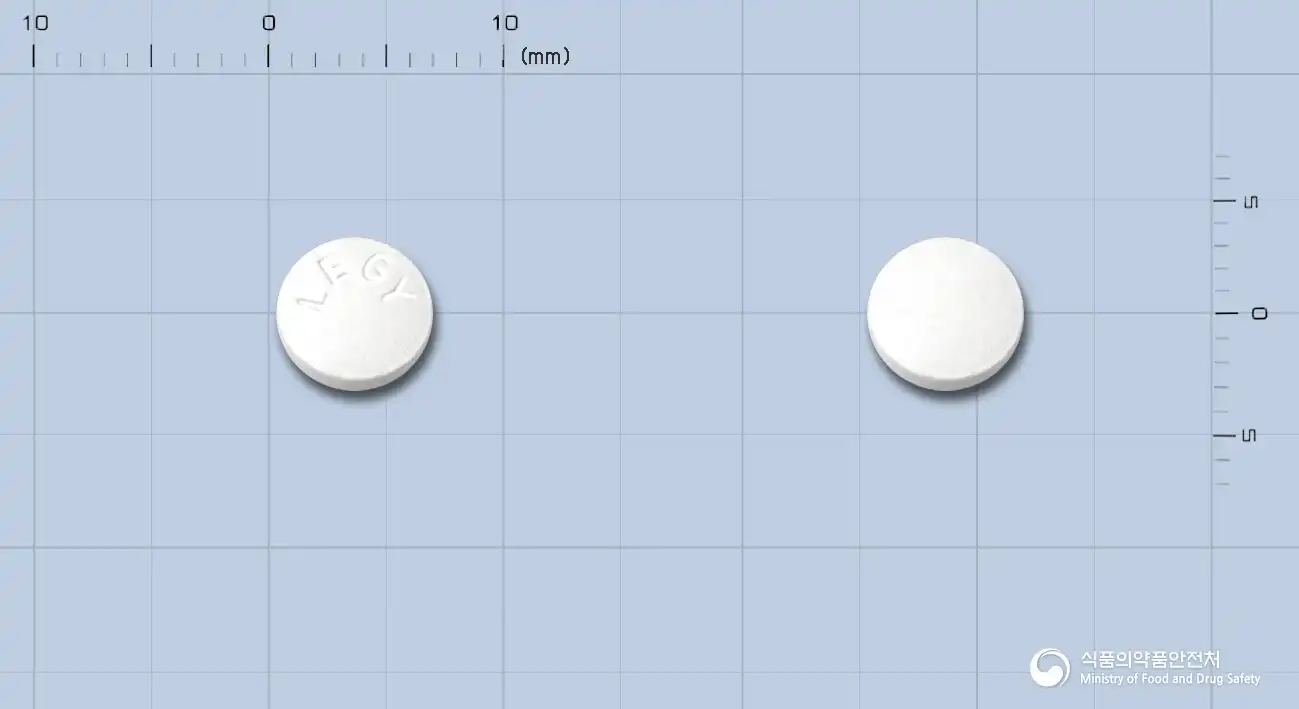
Epinastine Hydrochloride 10mg
Tablet · Prescription medication
Unimed Pharmaceutical Co., Ltd.
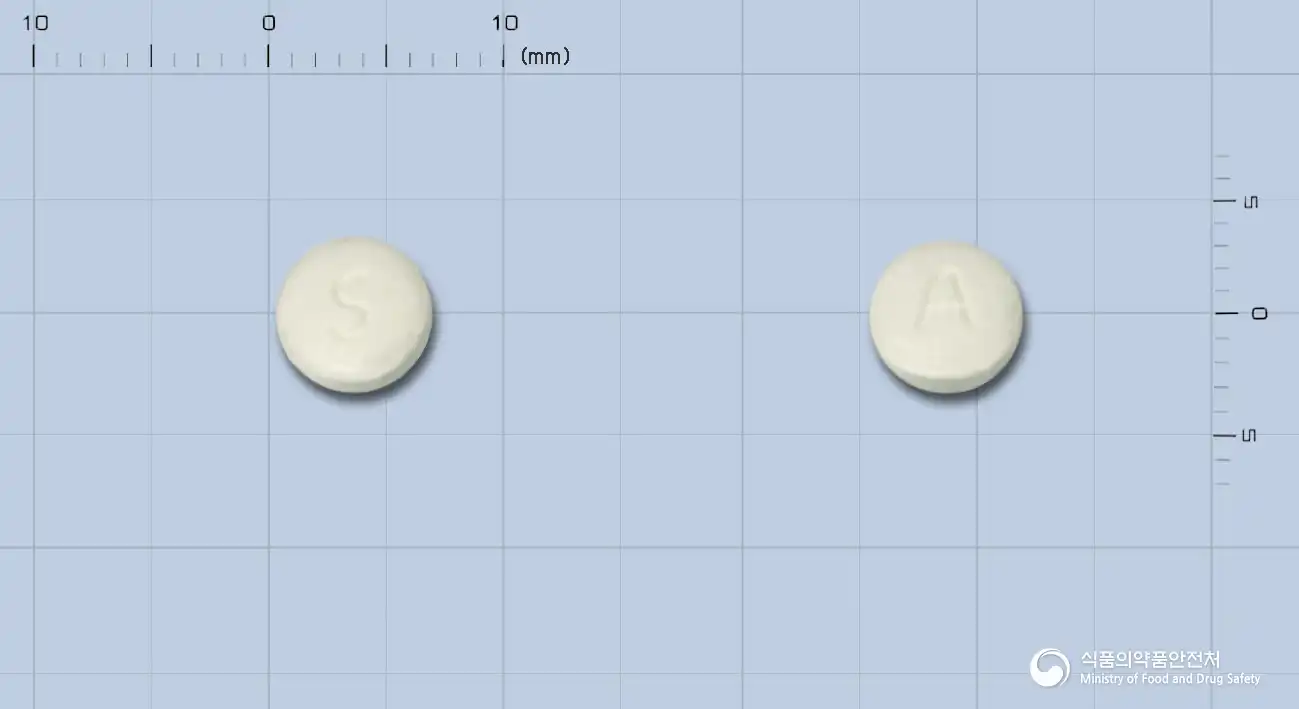
Epinastine Hydrochloride 10mg
Tablet · Prescription medication
Samchundang Pharmaceutical Co., Ltd.

Epinastine Hydrochloride 10mg
Tablet · Prescription medication
GENEWON Science Co., Ltd.

Epinastine Hydrochloride 10mg
Tablet · Prescription medication
Donggu Bio Pharmaceutical Co., Ltd.
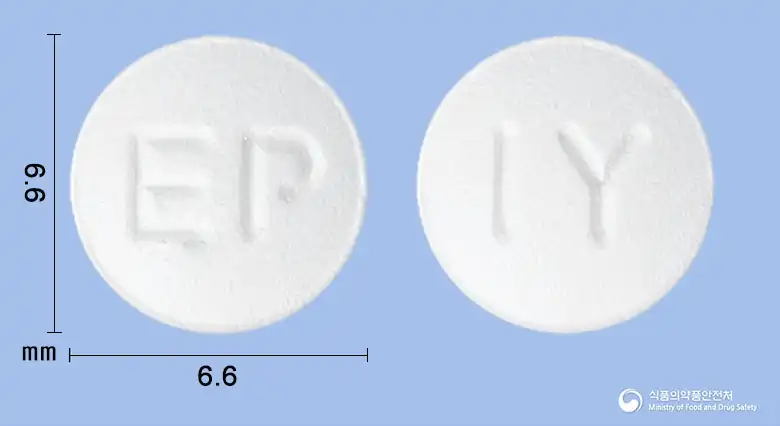
Epinastine Hydrochloride 10mg
Tablet · Prescription medication
Il Yang Pharmaceutical Co., Ltd.
Epinastine Hydrochloride 0.5mg
Eye drops · Prescription medication
AbbVie Korea Co., Ltd.
Even with the same ingredient, the dose and directions can differ by strength and dosage form. Talk to a doctor or pharmacist before switching from a medication you are already taking.
No questions yet.
For anything that needs medical judgment, consult a doctor or pharmacist.
This drug information is based on data provided by the Korea Ministry of Food and Drug Safety.
Consult a doctor or pharmacist for accurate dosage, administration, and usage instructions.