
 한국어
 English
 日本語
 中文(简体)
Dosage form image
Viewing nowDongkwang Epinasthine Tablet 20 mg (Epinasthine Hydrochloride)
Epinastine Hydrochloride 20mg
Tablet · Prescription medication
Dongkwang Pharmaceutical Co., Ltd.
MFDS item code 201901447 · Approved 2019.03.08
This product's status changed to Expired on 2024.03.08. It may no longer be sold, so consult a doctor or pharmacist before taking it.
Treatment of allergic rhinitis, skin conditions (such as urticaria and eczema), and bronchial asthma
This medication is used to treat respiratory allergic diseases such as bronchial asthma and allergic rhinitis. It also helps relieve various skin conditions such as urticaria, eczema, dermatitis, and itching associated with common psoriasis, as well as symptoms like itching. It is effective in improving the patient's symptoms and reducing discomfort. This is used to alleviate and treat symptoms associated with these lesions.
Asthma, urticaria, eczema/dermatitis, pruritus, pruritic eruption (prurigo), ordinary psoriasis accompanied by itching Adults: Administer 20 mg of epinastine hydrochloride orally once daily. Adjust the dose as appropriate according to symptoms. Allergic rhinitis Adults: Administer 10~20 mg of this drug orally once daily. Adjust the dose as appropriate according to symptoms.
This medicine should not be used in patients who are allergic to this drug or any of its components. Due to the inclusion of lactose, patients with genetic issues such as galactose intolerance, Lapp lactase deficiency, and glucose-galactose malabsorption should not take this medication. Patients with liver disease or a history of liver disease should be cautious as the condition may worsen when using this drug. If you experience allergic symptoms such as rash, urticaria, swelling, or itching while taking this medication, you should stop taking it immediately and consult a doctor. Occasionally, neurological symptoms such as drowsiness, headache, dizziness, and insomnia may occur, and if these symptoms develop, you should rest and consult a physician if necessary. Gastrointestinal problems such as nausea, abdominal pain, diarrhea, and constipation may occur, so severe symptoms should be reported to a doctor. Liver function impairment may occur, making it important to regularly check liver condition through blood tests. It may affect kidney function, potentially causing proteinuria, and urinary symptoms should also be monitored. Rarely, symptoms like palpitations, shortness of breath, and abnormal blood conditions may occur, and if any of these symptoms arise, you should consult healthcare providers immediately. This medication is not a fast-acting treatment for asthma attacks, so asthma patients should understand this well while taking it. If it is ineffective after long-term use, it is advisable not to continue using it. Drowsiness may occur; therefore, caution is required when driving or operating machinery. Women who are pregnant or may become pregnant should carefully consider the risks and benefits of taking this medication, and breastfeeding women should avoid it or discontinue breastfeeding. Children and older adults may have weaker liver and kidney functions, so any unusual symptoms should be closely monitored, and dosage adjustments may be necessary. In case of overdose, serious side effects such as arrhythmias may occur, requiring immediate emergency treatment, and treatments like gastric lavage or diuresis may be needed. This medication should be stored out of the reach of children and transferring it to other containers may not be good for maintaining quality, so caution is advised. When taking this drug, it can raise blood concentration if taken on an empty stomach, so follow the method of taking it before or after meals depending on the condition.
Not everyone experiences these, and they can vary from person to person.
This medication should be stored in a tightly closed container to protect it from air and moisture. It is important to maintain a storage temperature between 1 degree and 30 degrees Celsius.
White or off-white round film-coated tablet
30 tablets/bottle, 100 tablets/bottle
Even with the same ingredient, strength, dosage form and how it is taken can differ.
Epinastine Hydrochloride 20mg
Tablet · Prescription medication
Dongkwang Pharmaceutical Co., Ltd.
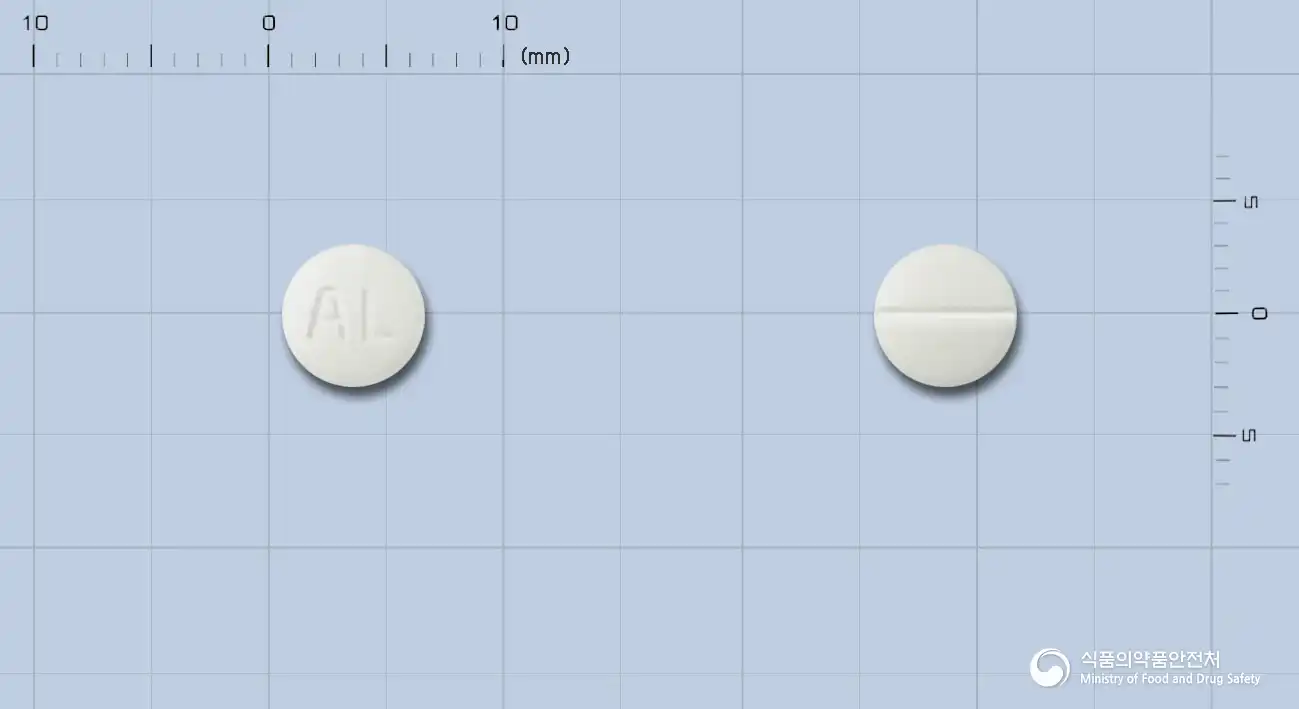
Epinastine Hydrochloride 10mg
Tablet · Prescription medication
Jeil Pharmaceutical Co., Ltd.
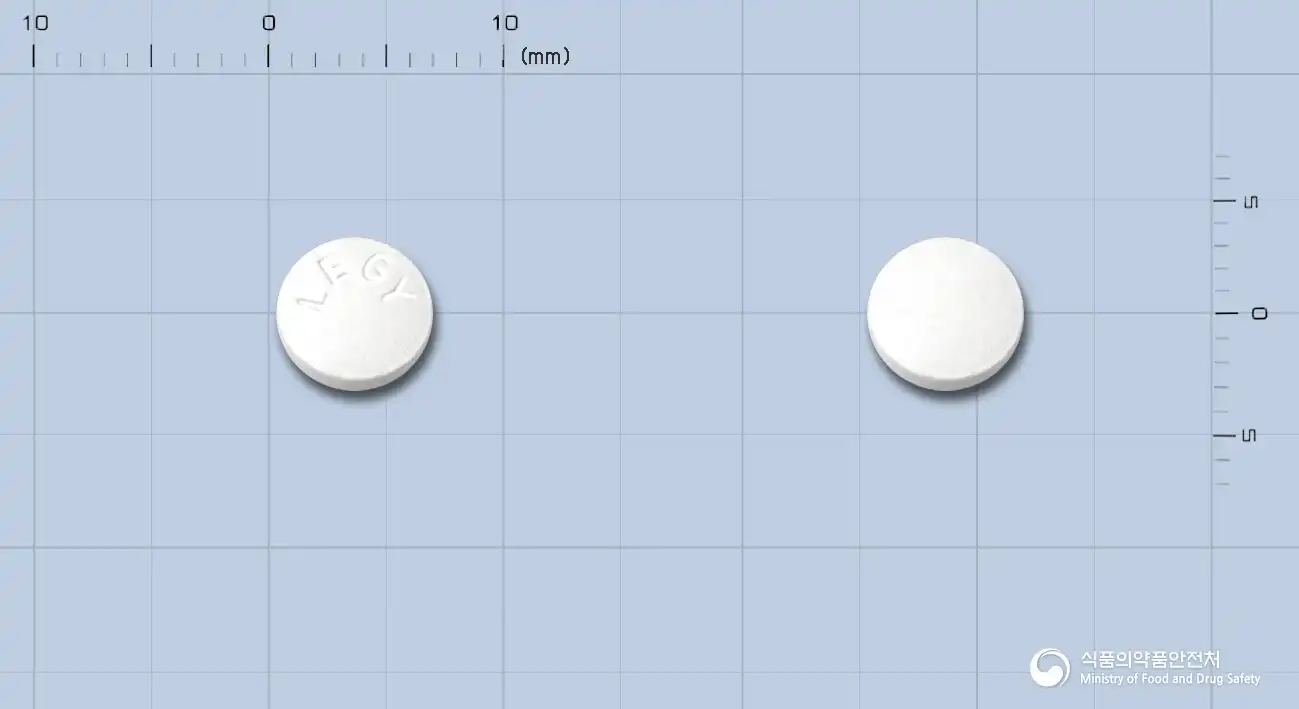
Epinastine Hydrochloride 10mg
Tablet · Prescription medication
Unimed Pharmaceutical Co., Ltd.
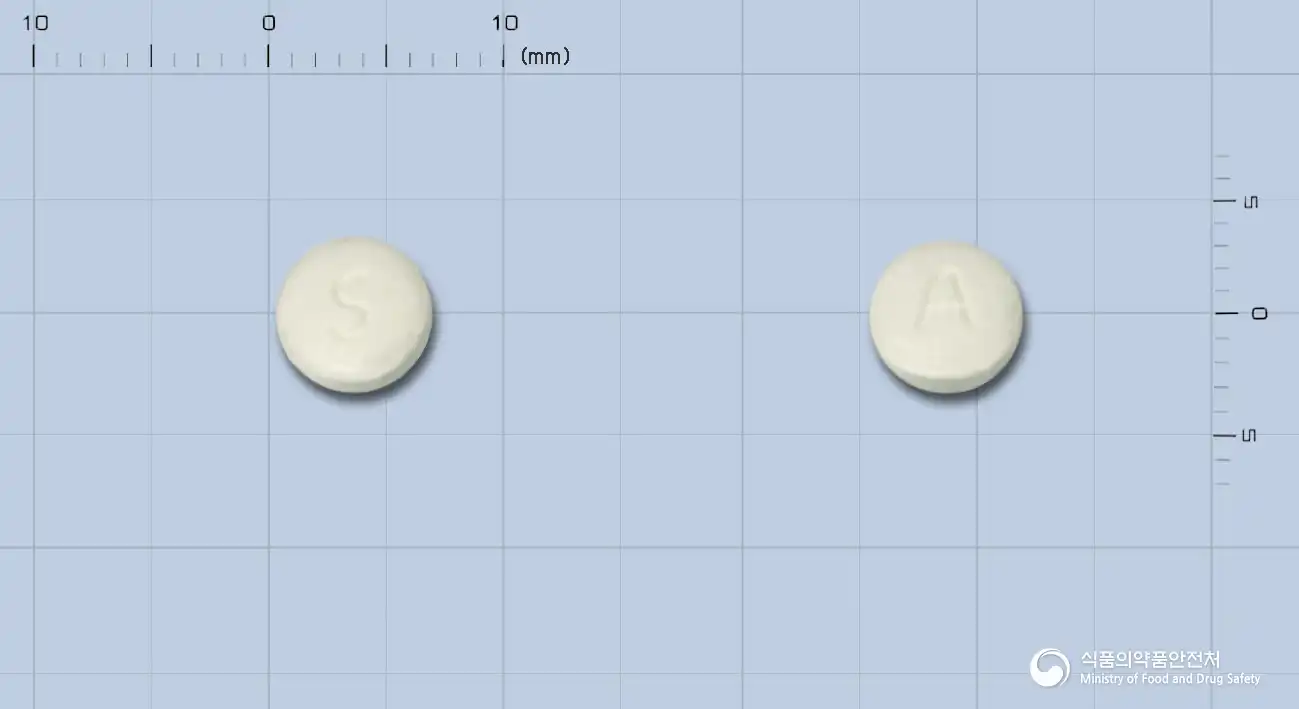
Epinastine Hydrochloride 10mg
Tablet · Prescription medication
Samchundang Pharmaceutical Co., Ltd.
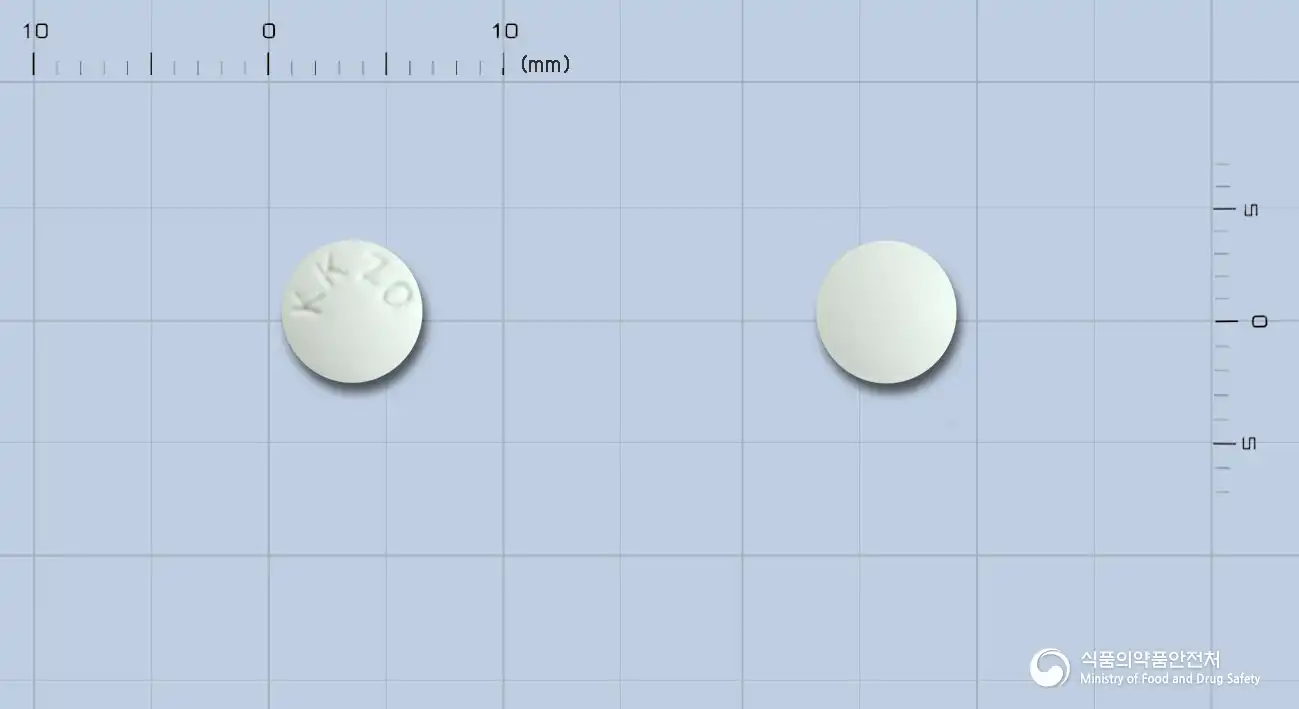
Epinastine Hydrochloride 10mg
Tablet · Prescription medication
GENEWON Science Co., Ltd.
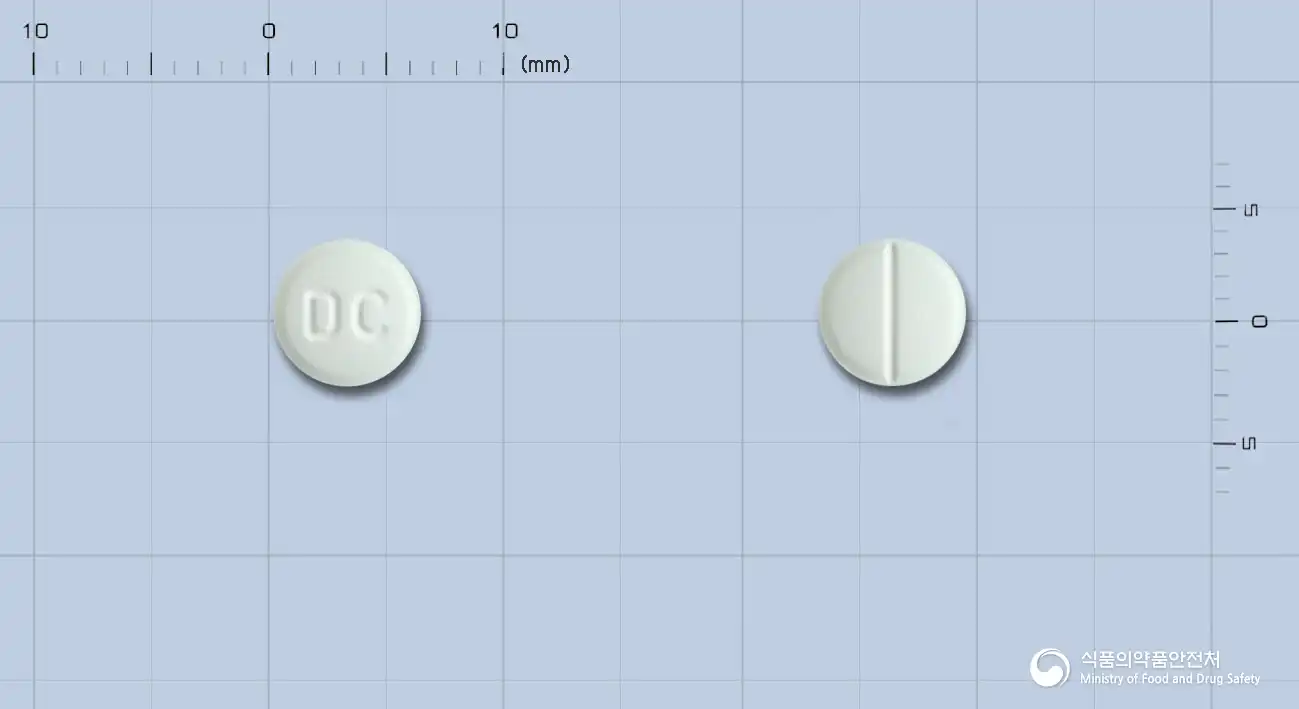
Epinastine Hydrochloride 10mg
Tablet · Prescription medication
Donggu Bio Pharmaceutical Co., Ltd.
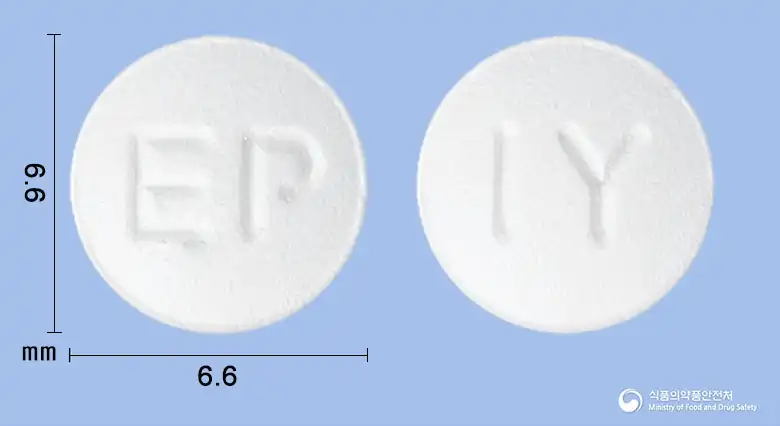
Epinastine Hydrochloride 10mg
Tablet · Prescription medication
Il Yang Pharmaceutical Co., Ltd.
Epinastine Hydrochloride 0.5mg
Eye drops · Prescription medication
AbbVie Korea Co., Ltd.
Even with the same ingredient, the dose and directions can differ by strength and dosage form. Talk to a doctor or pharmacist before switching from a medication you are already taking.
No questions yet.
For anything that needs medical judgment, consult a doctor or pharmacist.
This drug information is based on data provided by the Korea Ministry of Food and Drug Safety.
Consult a doctor or pharmacist for accurate dosage, administration, and usage instructions.