
 한국어
 English
 日本語
 中文(简体)
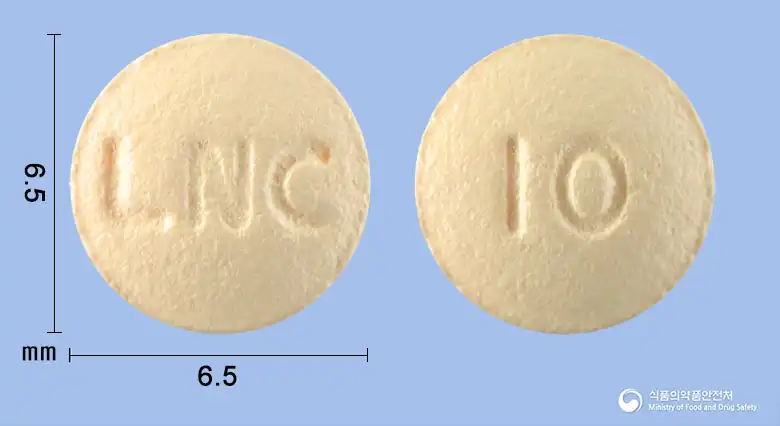 Viewing now
Megajelitin Tablet (Azelastine Hydrochloride)
Azelastine Hydrochloride 1mg
Tablet · Prescription medication
L&C Bio Co., Ltd.
MFDS item code 201901337 · Approved 2019.03.05 · Insurance code 060500130
Relief of allergic rhinitis, skin conditions (e.g., urticaria and eczema), and bronchial asthma
This medication is used for various allergic and inflammatory skin diseases such as bronchial asthma, allergic rhinitis, urticaria, eczema, and atopic dermatitis.
Administer azelastine hydrochloride orally at a dose of 1mg twice daily, after breakfast and before bedtime; for bronchial asthma, administer 2mg twice daily. The dose may be adjusted according to age and symptoms.
This medication should not be used in children under 6 years of age. This medication contains lactose, so it should not be given to patients with genetic conditions such as galactose intolerance, lactose deficiency, or glucose-galactose malabsorption. Taking this medication may cause neurological symptoms such as drowsiness, lethargy, and tingling in the hands and feet, and rarely staggering. Gastrointestinal symptoms such as dry mouth, nausea, vomiting, oral discomfort, loss of appetite, abdominal pain, constipation, diarrhea, and gastric discomfort may occur. Redness of the face or shortness of breath may rarely occur, so caution is advised. Dry nose may occur as a respiratory symptom. It may affect liver function, so it is advisable to regularly check liver enzyme levels for possible increases. If allergic reactions such as rash occur, stop taking the medication immediately and consult a physician. Be observant for symptoms such as urinary difficulty or hematuria, and rarely frequent urination. An increase in white blood cell count may occur, so blood tests may be necessary. Other symptoms such as edema or menstrual irregularities may also occur. This medication may cause drowsiness, so avoid driving or operating dangerous machinery during treatment. Patients receiving long-term steroid therapy should adjust their steroid dosage gradually under thorough medical supervision when using this medication. Bronchial asthma patients should fully understand that this medication is not a drug that quickly alleviates sudden attacks. Patients with seasonal allergies are advised to start taking this medication before symptoms begin and to continue taking it until symptoms end. Alcohol may intensify the sedative effects of this medication, so it is safe to avoid drinking alcohol. Caution is needed when taking this medication with cimetidine. Pregnant women or those who could become pregnant should consult a physician before taking this medication, as animal studies have reported the possibility of teratogenic effects at high doses. Breastfeeding women are advised to avoid taking this medication as it can be transmitted through breast milk, and if it must be taken, breastfeeding should be discontinued. Safety in premature infants, newborns, infants, and children has not been sufficiently confirmed, so it is recommended to avoid use in these age groups. Elderly patients may have decreased bodily functions, so caution needs to be exercised in adjusting dosages, amongst other considerations. This medication may have a bitter taste, so it should be noted at the time of ingestion. This medication should be kept out of reach of children, stored in a sealed container away from direct sunlight and in a cool, dry place. To prevent misuse of the medication and to maintain quality, it is preferable not to transfer it to another container.
Not everyone experiences these, and they can vary from person to person.
This medication is sensitive to light, so it should be stored in a tightly closed container that blocks light. It is best to store at room temperature, between 1 degree and 30 degrees Celsius. Storing it this way helps to maintain the medication's effectiveness.
Round film-coated tablet of bright yellow color
30 tablets/bottle, 600 tablets/bottle
Even with the same ingredient, strength, dosage form and how it is taken can differ.
Viewing nowAzelastine Hydrochloride 1mg
Tablet · Prescription medication
L&C Bio Co., Ltd.
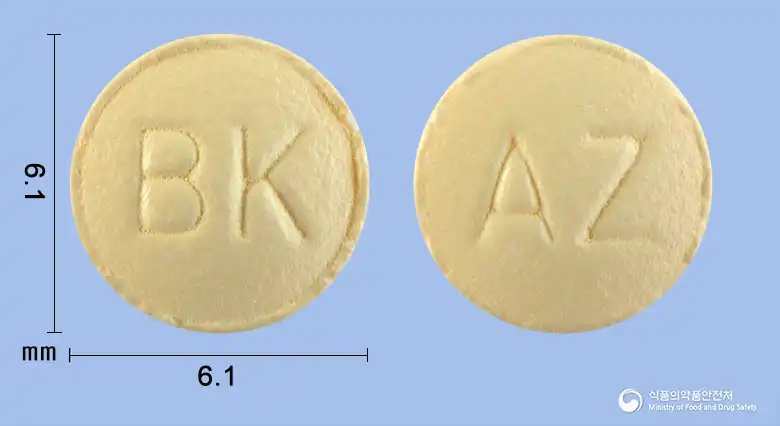
Azelastine Hydrochloride 1mg
Tablet · Prescription medication
Bukwang Pharmaceutical Co., Ltd.
Azelastine Hydrochloride 0.1g
Solution · Prescription medication
Bukwang Pharmaceutical Co., Ltd.
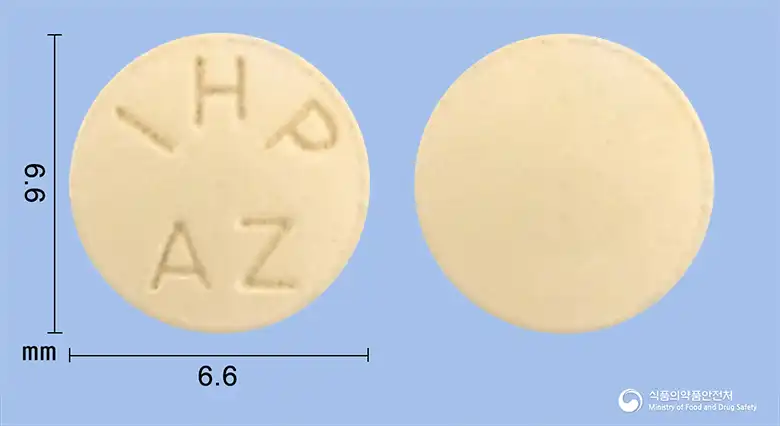
Azelastine Hydrochloride 1mg
Tablet · Prescription medication
Ilhwa Co., Ltd.
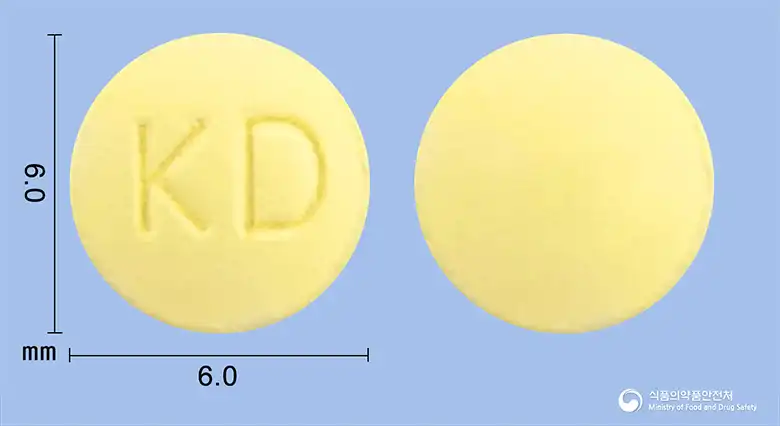
Azelastine Hydrochloride 1mg
Tablet · Prescription medication
Kyungdong Pharm Co., Ltd.
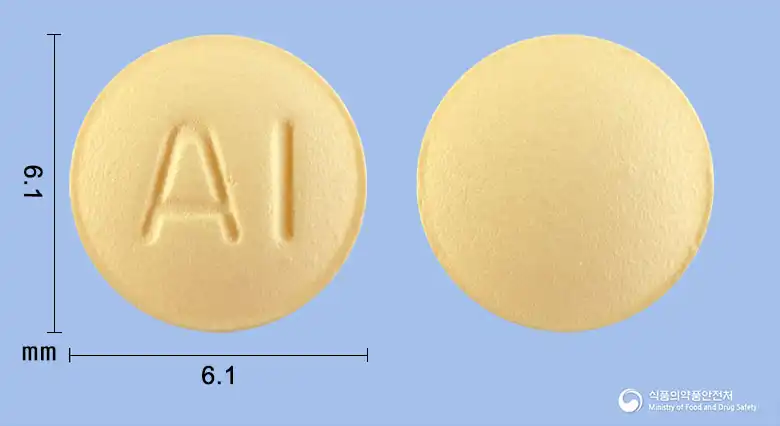
Azelastine Hydrochloride 1mg
Tablet · Prescription medication
Korea United Pharm Inc.
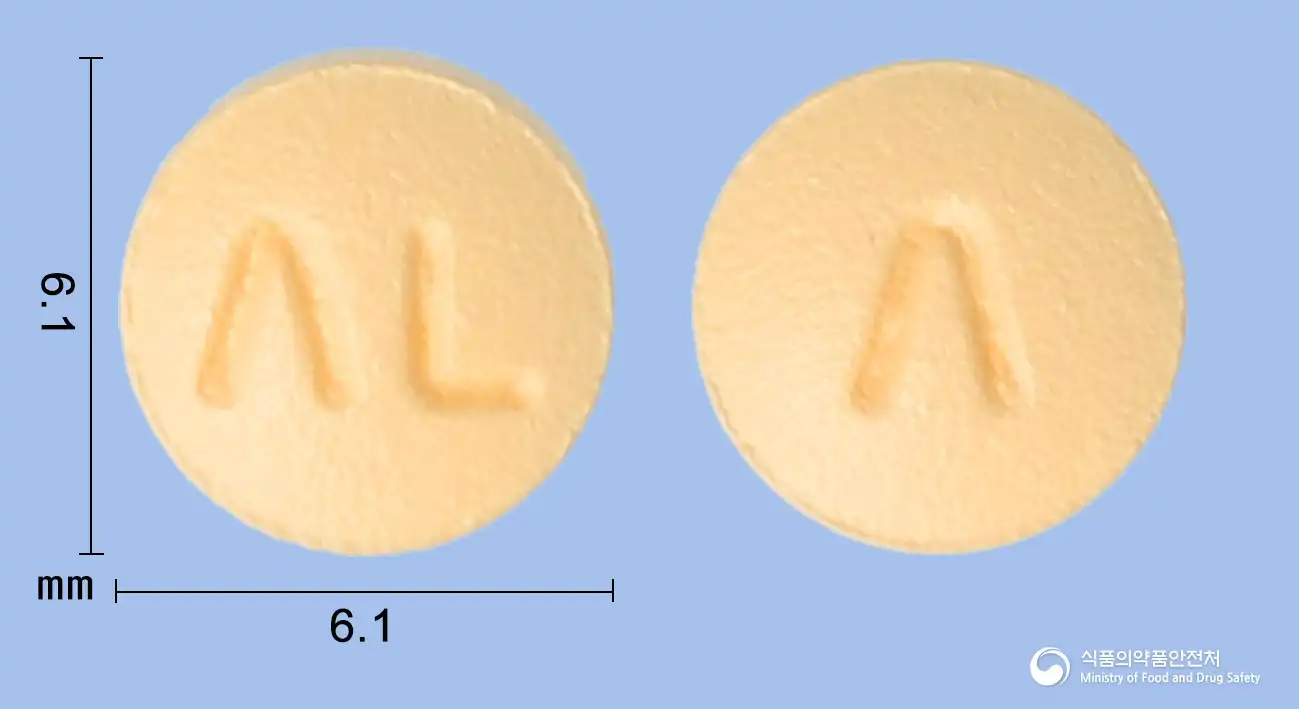
Azelastine Hydrochloride 1mg
Tablet · Prescription medication
Allico Pharmaceutical Co., Ltd.
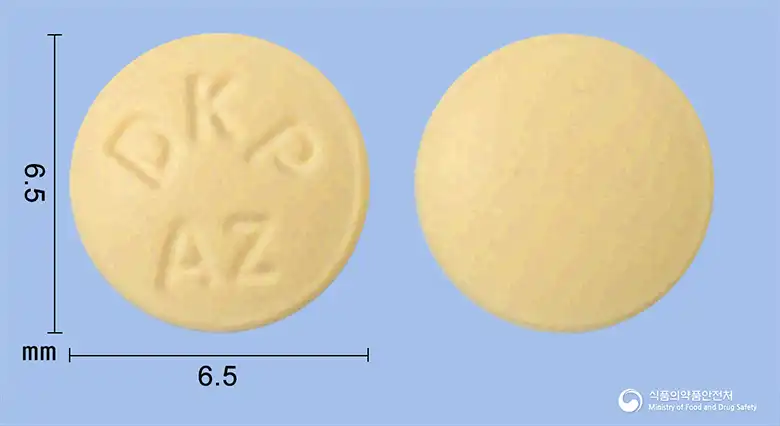
Azelastine Hydrochloride 1mg
Tablet · Prescription medication
Donggu Bio Pharmaceutical Co., Ltd.
Even with the same ingredient, the dose and directions can differ by strength and dosage form. Talk to a doctor or pharmacist before switching from a medication you are already taking.
No questions yet.
For anything that needs medical judgment, consult a doctor or pharmacist.
This drug information is based on data provided by the Korea Ministry of Food and Drug Safety.
Consult a doctor or pharmacist for accurate dosage, administration, and usage instructions.