
 한국어
 English
 日本語
 中文(简体)
Dosage form image
Viewing nowEldosing Syrup (Erdosetine)
Erdosteine 7000mg
Suspension · Prescription medication
Daewoong Bio Co., Ltd.
MFDS item code 201901326 · Notified 2019.03.05
This product's status changed to Approval withdrawn on 2025.03.26. It may no longer be sold, so consult a doctor or pharmacist before taking it.
Mucolytic and expectorant effects in acute and chronic respiratory diseases
This medication helps dissolve mucus associated with acute and chronic respiratory diseases and assists in expectoration, alleviating cough. Therefore, it is used for patients who experience discomfort due to excessive mucus in the respiratory tract.
Adults: Administer 350 mg orally per dose twice daily.
Body weight 15~19 ㎏: Administer 175 mg orally per dose twice daily. Body weight 20~30 ㎏: Administer 175 mg orally per dose 3 times daily. Children weighing 30 ㎏ or more: Administer 350 mg orally per dose twice daily.
This medication contains the artificial sweetener aspartame, which breaks down into phenylalanine in the body. Therefore, it should not be administered to patients with a hereditary condition known as phenylketonuria. Furthermore, it should not be used in patients who have allergic reactions to this medication or its components. For patients with liver cirrhosis or certain enzyme deficiencies, the metabolites of this medication may interfere with methionine metabolism in the body, so it should not be administered. Patients with peptic ulcers, severe renal impairment, or severe hepatic dysfunction should not use this medication. Since this medication contains lactose, it is safer to avoid administration in patients with genetic issues such as galactose intolerance, Lapp lactase deficiency, or glucose-galactose malabsorption. Patients with mild to moderate liver dysfunction should use this medication cautiously and should not exceed 300mg per day. Patients with diabetes or on a low-calorie diet should exercise caution, especially when using the syrup form. Overdosage of this medication may cause symptoms such as sweating, dizziness, and facial flushing. Gastrointestinal symptoms such as headache, cold symptoms, difficulty breathing, taste disturbances, nausea, vomiting, diarrhea, abdominal pain, and heartburn, as well as skin rashes or itching, may also occur. Caution is advised when used alongside cough medications, as this may make it difficult to expel mucus from the bronchi and increase the risk of bronchial infections. It is advisable for pregnant or potentially pregnant women, and nursing mothers not to use this medication due to insufficient confirmation of its safety. This medication should be kept out of the reach of children and transferring it to other containers should be avoided as it may lead to accidents and deterioration of quality.
Not everyone experiences these, and they can vary from person to person.
This medication should be stored in a tightly closed container to avoid contact with air, and it is recommended to store it at room temperature between 1 and 30 degrees Celsius. Storing it this way helps maintain its efficacy for a longer time.
This medication is a white crystalline powder with a strawberry flavor and taste, which is used as a syrup prepared by suspending it in water. When suspended in water, it forms a white to pale yellow suspension.
25g (50mL when solvent added) / bottle X 10
Even with the same ingredient, strength, dosage form and how it is taken can differ.
Erdosteine 7000mg
Suspension · Prescription medication
Daewoong Bio Co., Ltd.
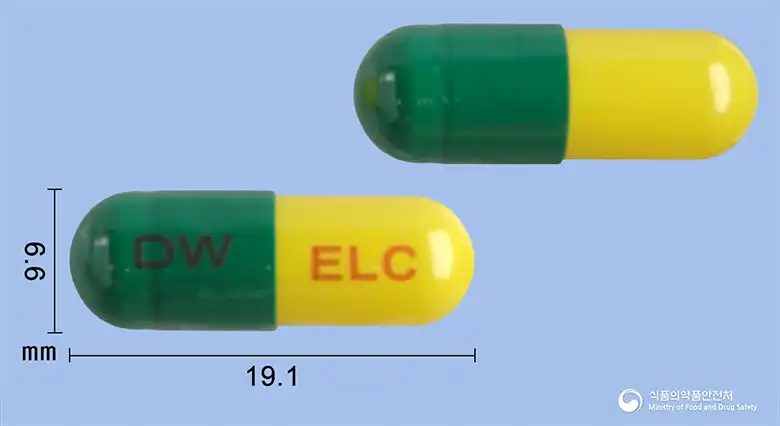
Erdosteine 300mg
Hard capsule · OTC medication
(Co., Ltd.) Daewoong Pharmaceutical
Erdosteine 7g
Suspension · Prescription medication
(Co., Ltd.) Daewoong Pharmaceutical

Erdosteine 300mg
Hard capsule · OTC medication
(Co., Ltd.) Jongkundang
Erdosteine 7000mg
Suspension · Prescription medication
Jongkundang Co., Ltd.

Erdosteine 300mg
Hard capsule · OTC medication
Kukje Pharmaceutical Co., Ltd.

Erdosteine 300mg
Hard capsule · OTC medication
Ildong Pharmaceutical Co., Ltd.
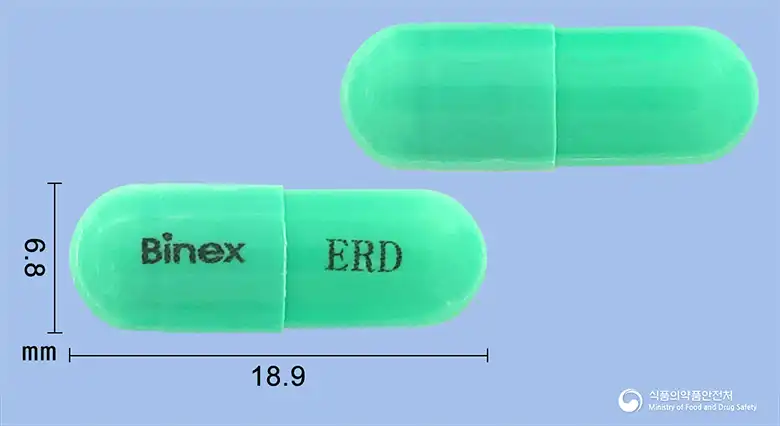
Erdosteine 300mg
Hard capsule · OTC medication
Bionex Co., Ltd.
Even with the same ingredient, the dose and directions can differ by strength and dosage form. Talk to a doctor or pharmacist before switching from a medication you are already taking.
No questions yet.
For anything that needs medical judgment, consult a doctor or pharmacist.
This drug information is based on data provided by the Korea Ministry of Food and Drug Safety.
Consult a doctor or pharmacist for accurate dosage, administration, and usage instructions.