
 한국어
한국어 English
 日本語
日本語 中文(简体)
Dosage form image
Viewing nowCombinationRosuvastatin/AmloDipine Tablets 5/10 mg
Rosuvastatin Calcium 5.2mg · Amlodipine Besylate 13.889mg
Tablet · Prescription medication · Combination
Yuhan Corporation
MFDS item code 201901086 · Approved 2019.02.21
Treatment for hypertension and angina improvement, reduction of risk for hyperlipidemia and cardiovascular diseases
This medication is used for patients who need to take both amlodipine and rosuvastatin. Amlodipine is effective for improving cardiovascular issues such as hypertension, stable angina, and variant angina, and it reduces the risk of hospitalization and coronary revascularization due to angina in patients with coronary artery disease. Rosuvastatin is used as an adjunct in patients with hypercholesterolemia and dyslipidemia when diet and exercise are insufficient, lowering LDL cholesterol levels to slow the progression of atherosclerosis. It also helps reduce the risk of stroke, myocardial infarction, and coronary revascularization procedures in patients at high cardiovascular risk. Thus, this medication plays a crucial role in promoting cardiovascular health and reducing the risk of related complications.
This medication is prescribed only for adults, and the dosage should be individualized based on the effectiveness and tolerability of each component (amlodipine/rosuvastatin) for each patient. ○ Amlodipine Adults: Administer 5 mg orally once daily as amlodipine, and the dose may be increased to a maximum of 10 mg daily based on the patient's response. Adjust doses appropriately based on symptoms. ○ Rosuvastatin 1. Primary hypercholesterolemia, combined hyperlipidemia
This medication should not be used in patients with hypersensitivity to certain components. Pregnant women or women who may become pregnant, as well as breastfeeding women, should generally avoid using this medication, and it should only be used if there is a low risk of pregnancy and with full awareness of potential risks to the fetus. It is contraindicated in patients with severe liver impairment, active liver disease, severe aortic stenosis, patients in shock, myopathy patients, and those taking specific immunosuppressive agents. High-dose use of this medication should also be avoided in patients with severe renal impairment or those at risk of myopathy and rhabdomyolysis. Careful use is required in patients with severe hypotension, dialysis patients, the elderly, and those with a history of muscle weakness. Patients with a history of liver disease or excessive alcohol consumption should undergo regular liver function tests while using this medication. If symptoms of myalgia or muscle weakness occur, medical consultation should be sought immediately, and the medication may need to be discontinued. This medication may cause various adverse reactions such as hypotension, edema, headache, dizziness, gastrointestinal discomfort, myalgia, weakness, fatigue, gout, urinary difficulty, loss of appetite, abdominal bloating, hair loss, sweating, purpura, hives, cough, difficulty breathing, rhinitis, erectile dysfunction, thrombocytopenia, sensory loss, paresthesia, dysgeusia, tremor, extrapyramidal disorder, drowsiness, insomnia, mood changes, dysuria, nocturia, vomiting, diarrhea, skin rashes, impaired glucose tolerance, weakness, fainting. The safety has not been established for pregnant or breastfeeding individuals, and use is not recommended. The safety and efficacy have also not been established for children, so it should not be used in pediatric patients. In cases of overdose, severe hypotension, reflex tachycardia, and shock may occur, necessitating immediate emergency treatment. This medication should be kept out of reach of children and stored in its original container to prevent misuse and degradation.
Hives, angioedema, Stevens-Johnson syndrome, toxic epidermal necrolysis, severe swelling (edema), chest tightness, difficulty breathing, cold sweat, pallor, severe rash with fever, blisters, skin peeling, mucosal pain in the mouth/eyes, shortness of breath or difficulty breathing, asthma attacks, respiratory abnormalities accompanied by cough and fever, jaundice (yellowing of the skin or eyes), profound lethargy, sudden and very severe headache, lightning-like pain
Not everyone experiences these, and they can vary from person to person.
This medication is sensitive to air and moisture, so it should be stored in a tightly sealed container. The recommended storage temperature is room temperature between 1 to 30 degrees Celsius. This will help keep the medication's effectiveness and safety for a long time.
Yellow, round, film-coated tablets
30 tablets/bottle
Even with the same ingredient, strength, dosage form and how it is taken can differ.
Rosuvastatin Calcium 5.2mg · Amlodipine Besylate 13.889mg
Tablet · Prescription medication · Combination
Yuhan Corporation
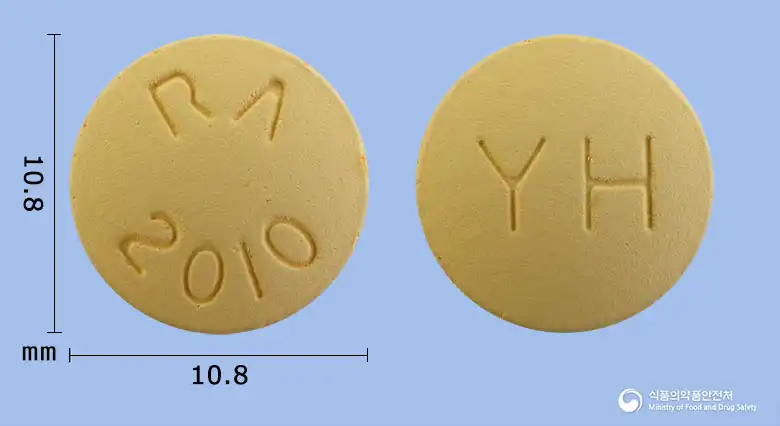 Combination
Rosuvastatin Calcium 20.8mg · Amlodipine Besylate 13.889mg
Tablet · Prescription medication · Combination
Yuhan Corporation
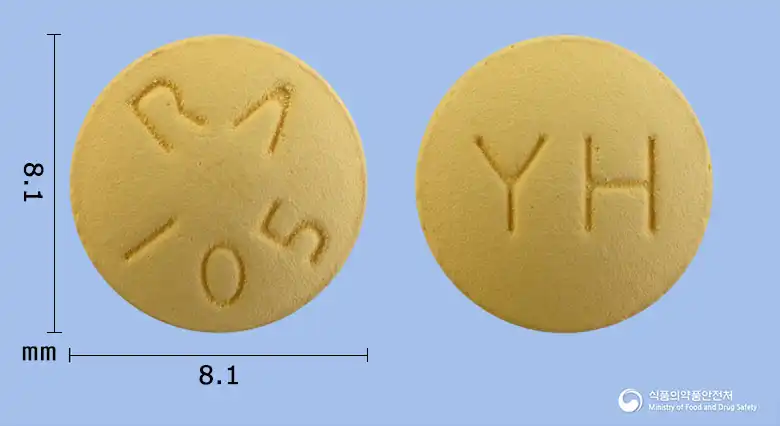 Combination
Rosuvastatin Calcium 10.4mg · Amlodipine Besylate 6.944mg
Tablet · Prescription medication · Combination
Yuhan Corporation
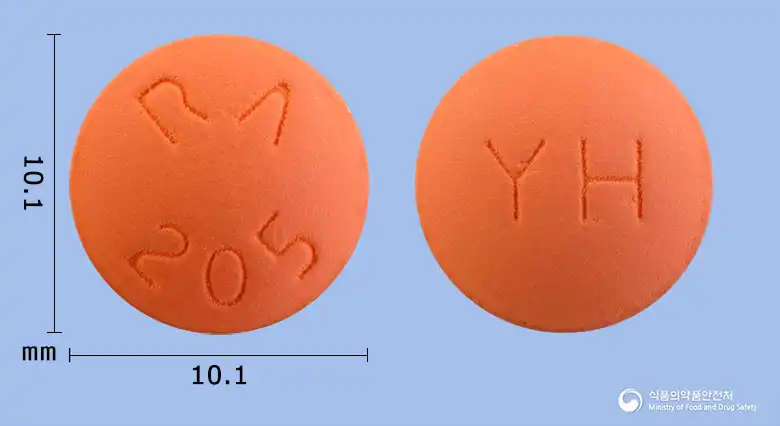 Combination
Rosuvastatin Calcium 20.8mg · Amlodipine Besylate 6.944mg
Tablet · Prescription medication · Combination
Yuhan Corporation
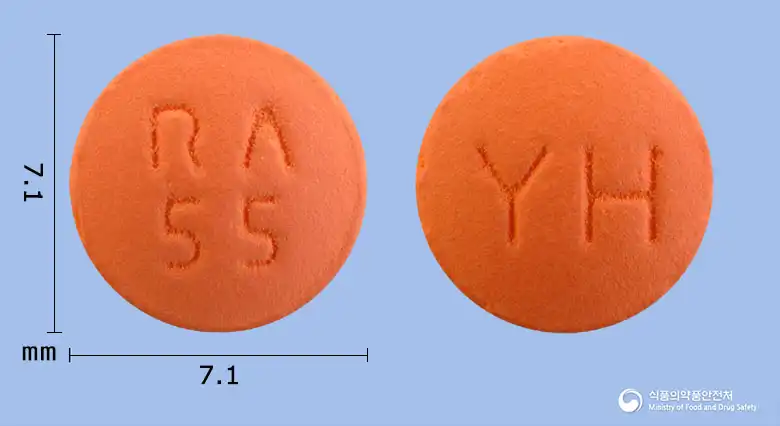 Combination
Rosuvastatin Calcium 5.2mg · Amlodipine Besylate 6.944mg
Tablet · Prescription medication · Combination
Yuhan Corporation
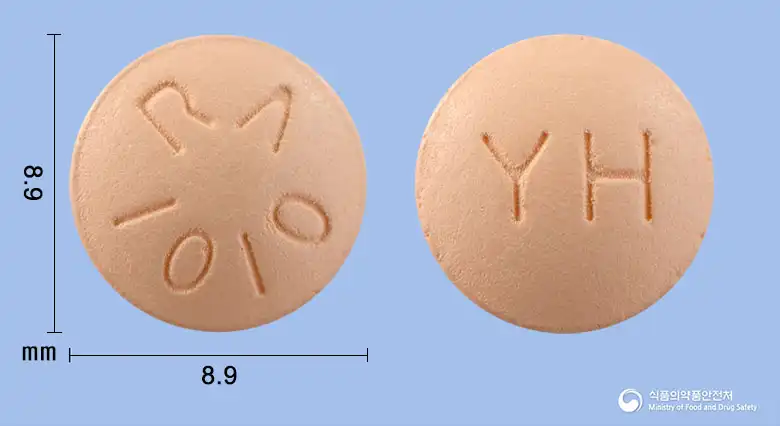 Combination
Rosuvastatin Calcium 10.4mg · Amlodipine Besylate 13.889mg
Tablet · Prescription medication · Combination
Yuhan Corporation
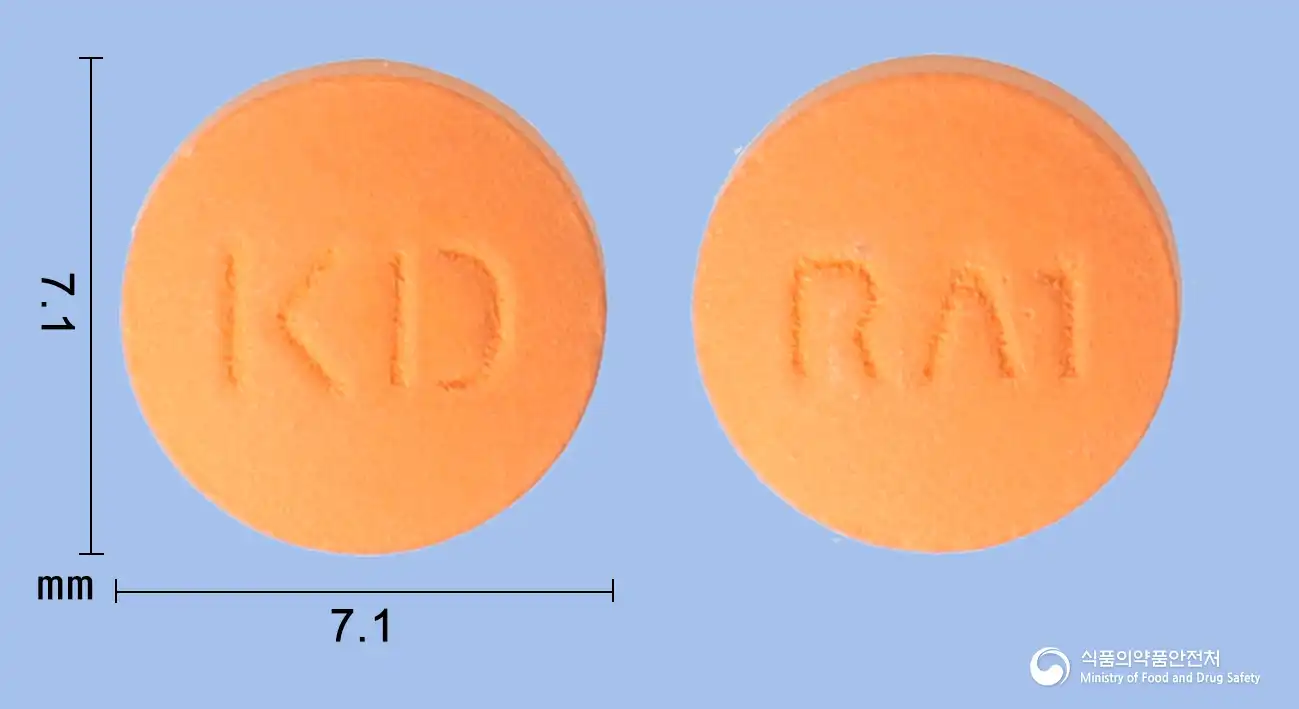 Combination
Rosuvastatin Calcium 5.2mg · Amlodipine Besylate 6.944mg
Tablet · Prescription medication · Combination
Kyungdong Pharmaceutical Co., Ltd.
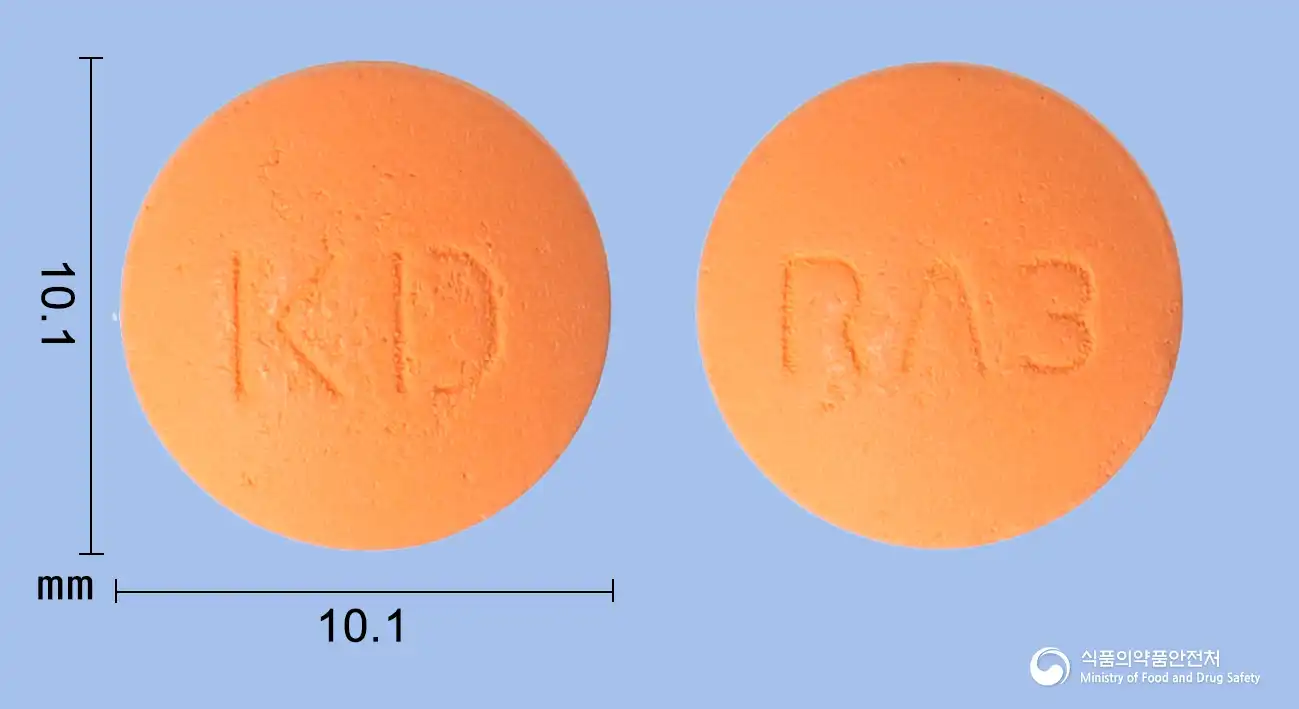 Combination
Rosuvastatin Calcium 20.8mg · Amlodipine Besylate 6.944mg
Tablet · Prescription medication · Combination
Kyungdong Pharmaceutical Co., Ltd.
Even with the same ingredient, the dose and directions can differ by strength and dosage form. Talk to a doctor or pharmacist before switching from a medication you are already taking.
No questions yet.
For anything that needs medical judgment, consult a doctor or pharmacist.
This drug information is based on data provided by the Korea Ministry of Food and Drug Safety.
Consult a doctor or pharmacist for accurate dosage, administration, and usage instructions.