This product's status changed to Expired on 2024.02.20. It may no longer be sold, so consult a doctor or pharmacist before taking it.
Summary
Main use
Treatment of respiratory and ear, nose, and throat infections, genitourinary infections, and skin, bone, and dental infections
Who takes it
Adults
Adult dose
For severe infections and respiratory tract infections in adults, administer 2 tablets per dose orally twice daily, every 12 hours. The dose may be reduced in patients with renal failure according to the degree of renal function. However, this medicine must not be administered to patients with severe renal impairment (glomerular filtration rate of 30 mL/min or less).
Treatment of respiratory and ear, nose, and throat infections, genitourinary infections, and skin, bone, and dental infections
Acute and chronic bronchitis
lobar pneumonia
bronchopneumonia
empyema
lung abscess
tonsillitis
sinusitis
otitis media
cystitis
urethritis
pyelonephritis
pelvic infections
View approved original textHide original text
This medication is used to treat various infections caused by a wide range of bacteria. It is effective for respiratory infections such as acute or chronic bronchitis, lobar and bronchopneumonia, empyema, lung abscess, tonsillitis, sinusitis, and otitis media. It is also used for urogenital infections such as cystitis, urethritis, pyelonephritis, pelvic infections, and gonorrhea. Furthermore, it helps treat skin and soft tissue infections including furuncles, abscesses, wound infections, and osteomyelitis. It can be applied for dental infections as well, making it widely used for infections in various areas. This medication effectively treats a variety of causative bacteria, improving the patient's symptoms.
How to take
Adult dose
For severe infections and respiratory tract infections in adults, administer 2 tablets per dose orally twice daily, every 12 hours. The dose may be reduced in patients with renal failure according to the degree of renal function. However, this medicine must not be administered to patients with severe renal impairment (glomerular filtration rate of 30 mL/min or less).
Precautions
This medication is a beta-lactam antibiotic and should not be used in individuals with a history of allergic reactions or hypersensitivity to penicillin group drugs.
Particularly for patients with infectious mononucleosis or lymphocytic leukemia, the risk of rash is higher, so this drug should be avoided.
Patients who have previously experienced liver dysfunction or jaundice due to this medication or penicillin are at risk for recurrence, hence it is safest not to administer it.
Patients with poor liver function or moderate to severe renal impairment may have elevated drug concentrations and should be used cautiously.
Patients with allergic dispositions or gastrointestinal symptoms such as vomiting or diarrhea should be monitored closely due to potential poor drug absorption.
While taking this medication, if symptoms such as diarrhea, abdominal pain, or blood in stool occur, it is crucial to stop the medication immediately and consult a physician, and it is advisable to take it with food to reduce gastrointestinal adverse reactions.
Regular liver function tests are necessary during prolonged administration, as abnormal liver enzyme levels or jaundice may occur.
Severe hypersensitivity reactions, such as severe skin rashes or anaphylactic shock, may occur rarely, and any unusual symptoms should be reported to medical staff immediately.
There may be abnormalities in blood tests such as leukopenia or thrombocytopenia, so blood tests should also be performed when using long-term.
It is safest not to administer during the early stages of pregnancy or during pregnancy, except in special cases; caution is necessary during lactation as adverse effects like diarrhea or allergic reactions may occur in infants.
Use is not recommended in children under 12 years of age or weighing less than 40 kg due to limited experience.
Elderly individuals are at increased risk for bleeding due to decreased renal function and vitamin K deficiency, thus monitoring and dosage adjustments are required.
There can be interactions with other drugs, particularly with anticoagulants or specific antibiotics, so consultation with medical personnel is necessary.
In case of overdose, gastrointestinal disturbances, renal dysfunction, and convulsions may occur, requiring immediate medical intervention.
This medication should be stored in a tightly sealed container in a dry place, as it may be sensitive to air or moisture. It is important to consult medical personnel regarding allergy history and current health status before use.
Not everyone experiences these, and they can vary from person to person.
Storage
This medication can be sensitive to air and humidity, so it should be stored in a tightly sealed container. Additionally, it is best to keep it in a cool, dry place below 25 degrees Celsius.
Appearance and packaging
Appearance
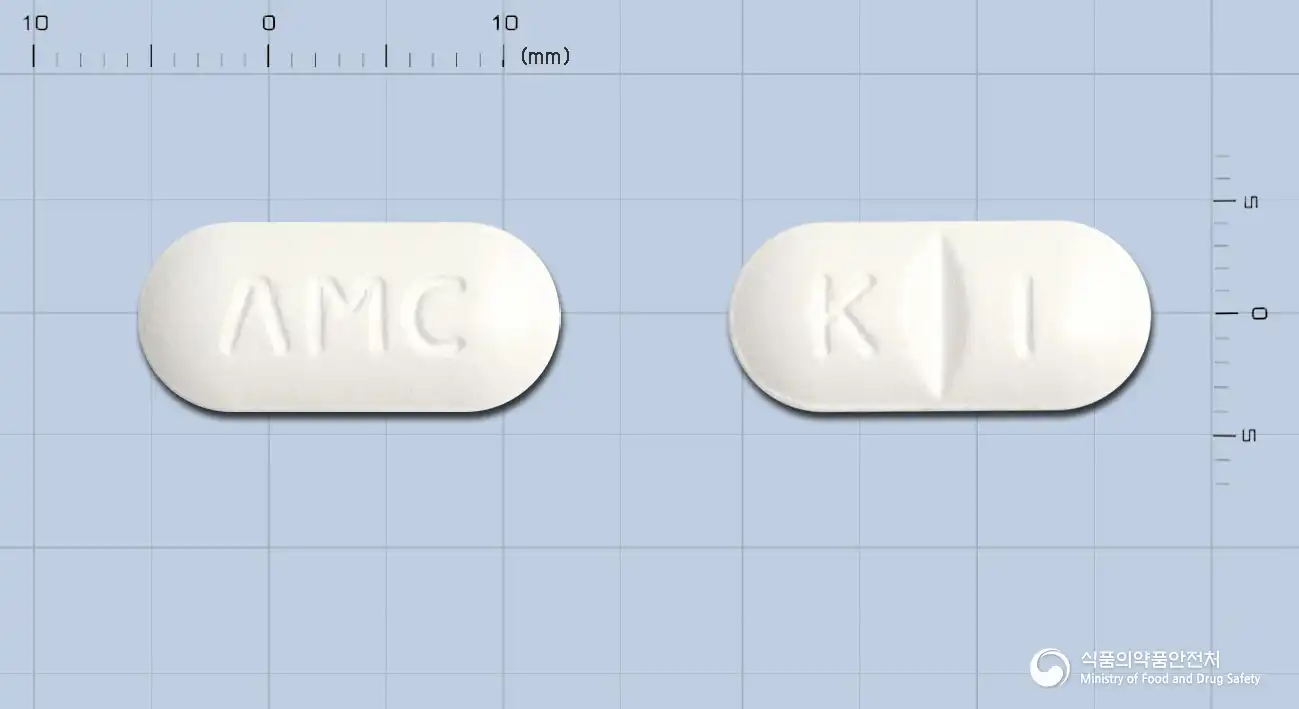
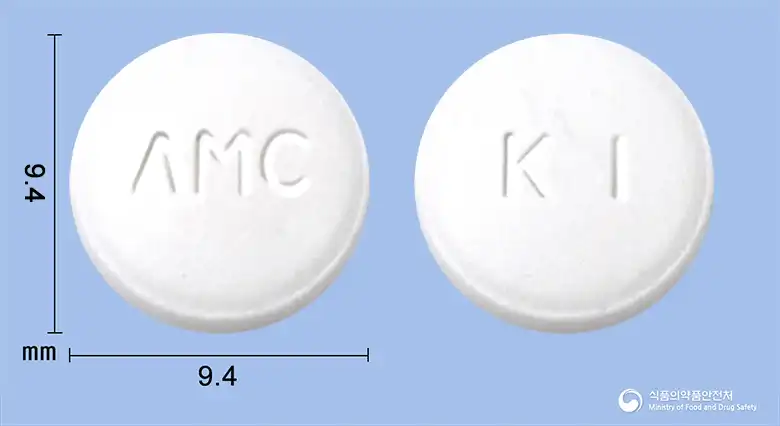
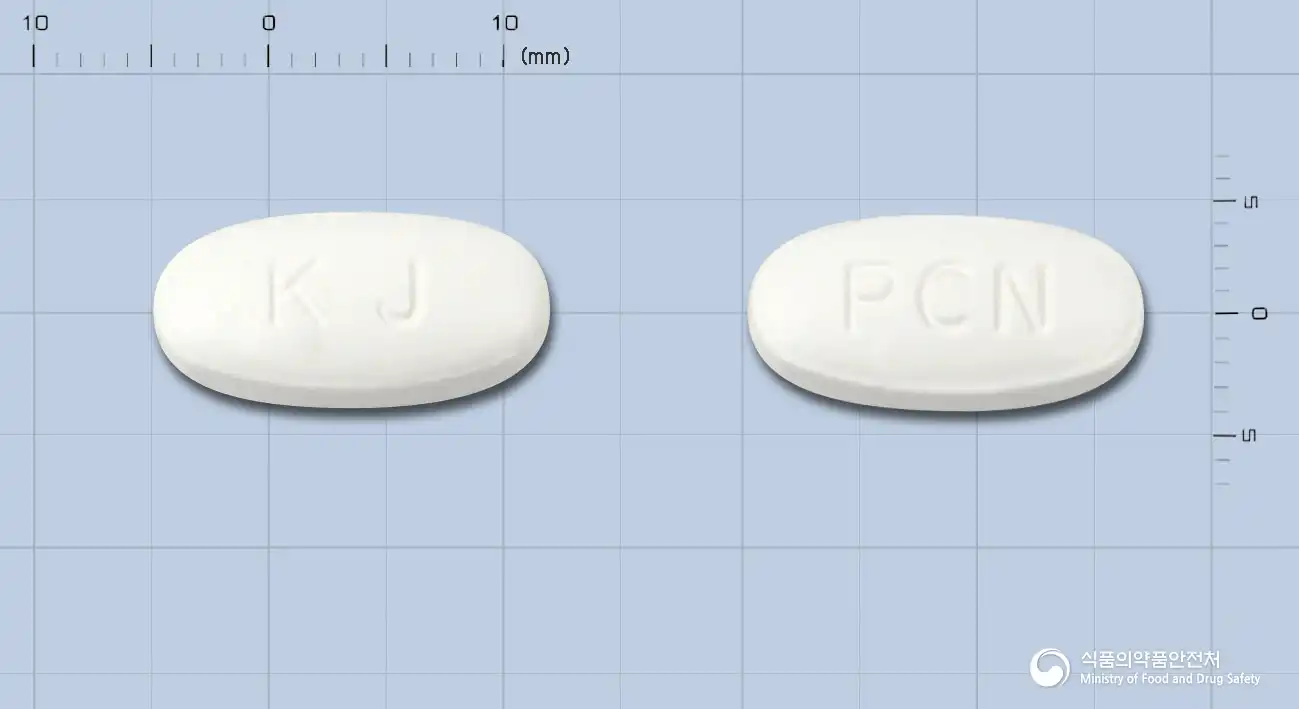
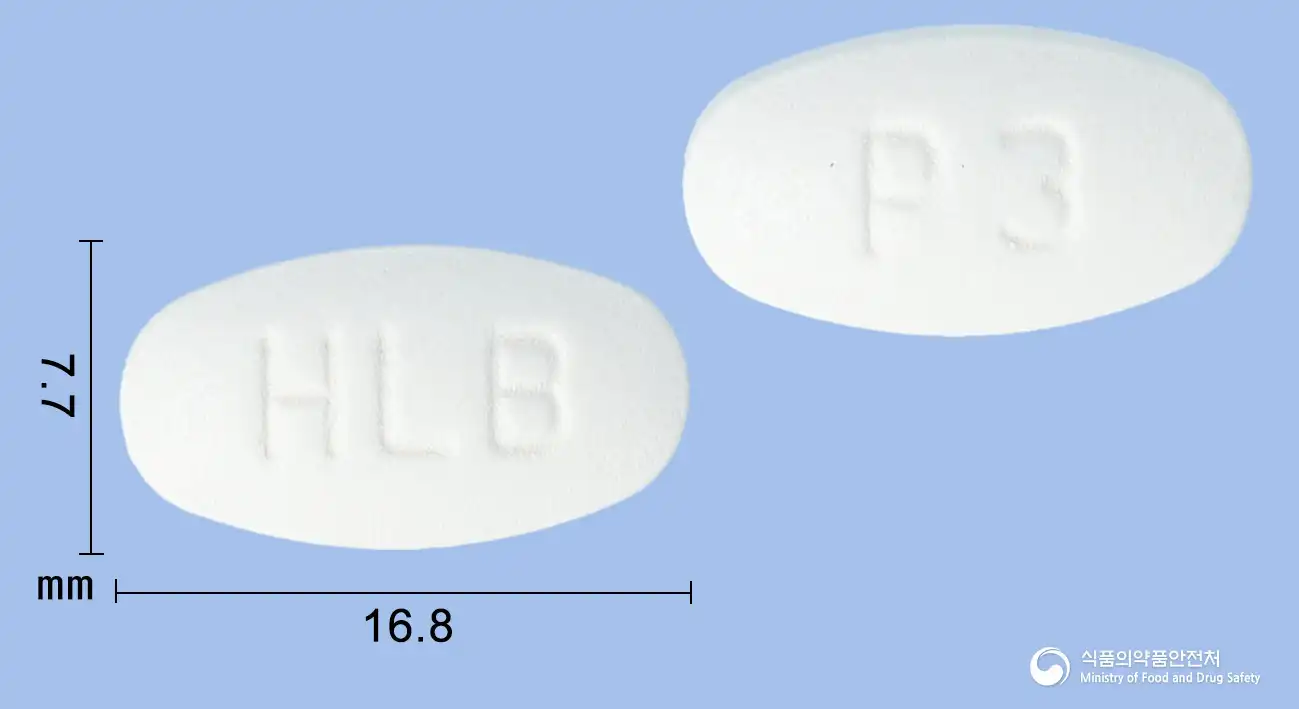
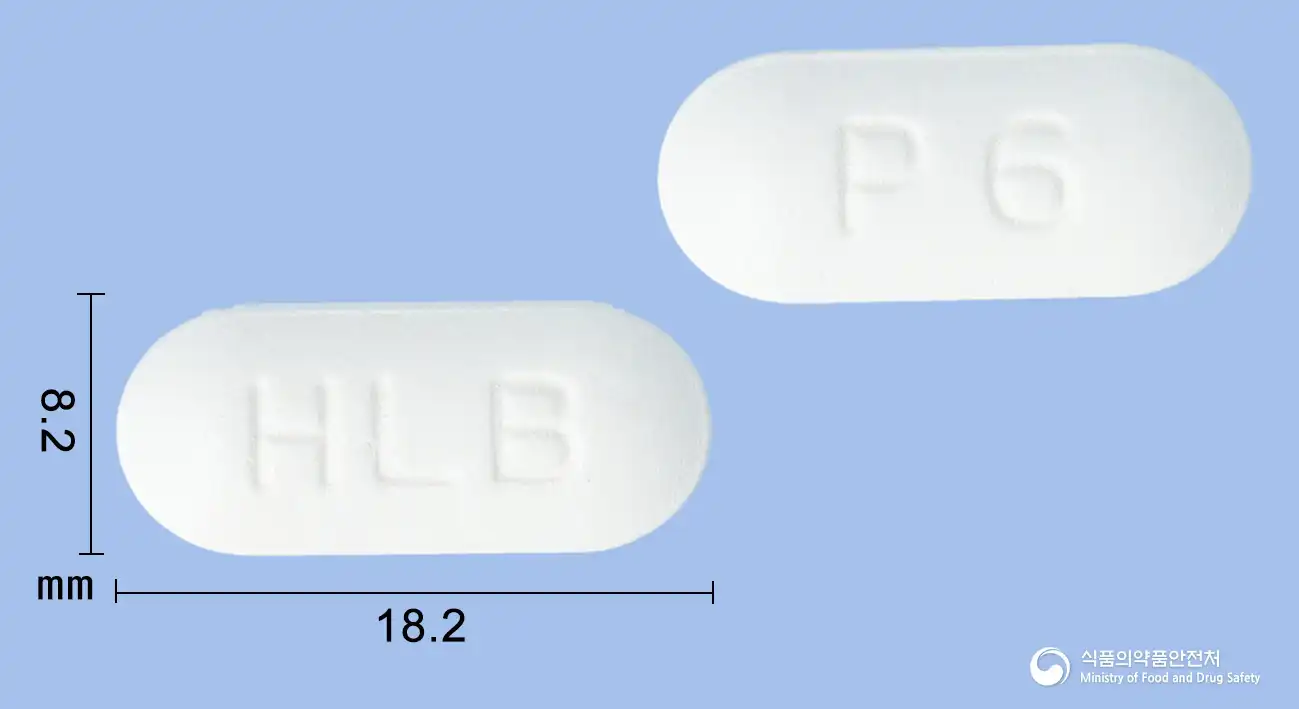
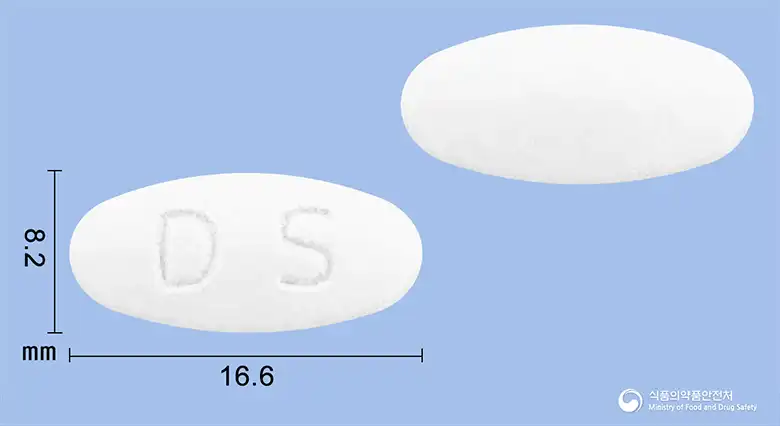
White or almost white oblong film-coated tablet
Package unit
100 tablets (10 tablets/PTP x 10)
Same-ingredient medicines
Even with the same ingredient, strength, dosage form and how it is taken can differ.
Even with the same ingredient, the dose and directions can differ by strength and dosage form. Talk to a doctor or pharmacist before switching from a medication you are already taking.
Questions about this medicine
No questions yet.
For anything that needs medical judgment, consult a doctor or pharmacist.
This drug information is based on data provided by the Korea Ministry of Food and Drug Safety. Consult a doctor or pharmacist for accurate dosage, administration, and usage instructions.

 한국어
 English
 日本語
 中文(简体)