
 한국어
 English
 日本語
 中文(简体)
Dosage form image
Viewing nowTheocapsule (Theobromine)
Theobromine
Prescription medication
Cosmax Pharma Co., Ltd.
MFDS item code 201900605 · Notified 2019.01.23
This product's status changed to Approval withdrawn on 2023.07.19. It may no longer be sold, so consult a doctor or pharmacist before taking it.
Relief of cough due to acute or chronic bronchitis or postnasal drip (e.g., rhinitis, sinusitis)
This medication helps alleviate cough caused by post-nasal drip due to rhinitis, sinusitis, or rhinosinusitis. It also reduces cough symptoms associated with acute and chronic bronchitis, improving the patient's respiratory health. It is used to effectively control cough symptoms caused by these conditions, allowing for a comfortable daily life.
Adults: Take 1 capsule per dose, twice daily by mouth
This drug should not be used in patients with allergic reactions to xanthine medications or those who have experienced severe side effects. It should be administered with caution to patients with peptic ulcers, convulsion symptoms, acute lung disease, liver or kidney dysfunction, heart failure, alcohol dependence, hypoxemia, hypertension, cardiomyopathy, arrhythmias, myocardial infarction, and hypotension. While taking this drug, symptoms such as headaches, dizziness, nausea may commonly occur, and hypersensitivity reactions such as itching or rash may develop. Side effects may include drowsiness, myalgia, insomnia, indigestion, constipation, diarrhea, vomiting, abdominal pain, and abnormal liver function, so it is advisable to consult a doctor if symptoms are severe. Elderly patients or those with impaired liver or kidney function or heart failure may experience slower metabolic processing of this drug, thus caution is needed. Interactions may occur when taken with caffeine, other xanthine medications, central nervous system stimulants, sympathomimetics, certain antibiotics, and other drugs, so it is important to inform healthcare providers and exercise caution. Women who are pregnant or may become pregnant should only use it based on a doctor’s decision, and it should only be used during breastfeeding when the benefits outweigh the risks. In children and adolescents under 18 years of age and elderly individuals over 70, safety and efficacy have not been sufficiently established, so caution is warranted. In case of overdose, symptoms such as vomiting, headache, anxiety, convulsions, and heart abnormalities may occur, and immediate medical attention should be sought for appropriate treatment. This drug should be kept out of reach of children, and it is important to avoid changing the container to maintain the quality of the medication.
Not everyone experiences these, and they can vary from person to person.
This medication must be stored in a tightly closed container to avoid exposure to air or moisture. It is recommended to store it at room temperature between 1 to 30 degrees Celsius. Doing so helps maintain the drug’s efficacy.
A hard capsule with a yellow upper part and a white lower part filled with white powder
30 capsules/bottle, 100 capsules/bottle, 300 capsules/bottle
Even with the same ingredient, strength, dosage form and how it is taken can differ.
Theobromine
Prescription medication
Cosmax Pharma Co., Ltd.
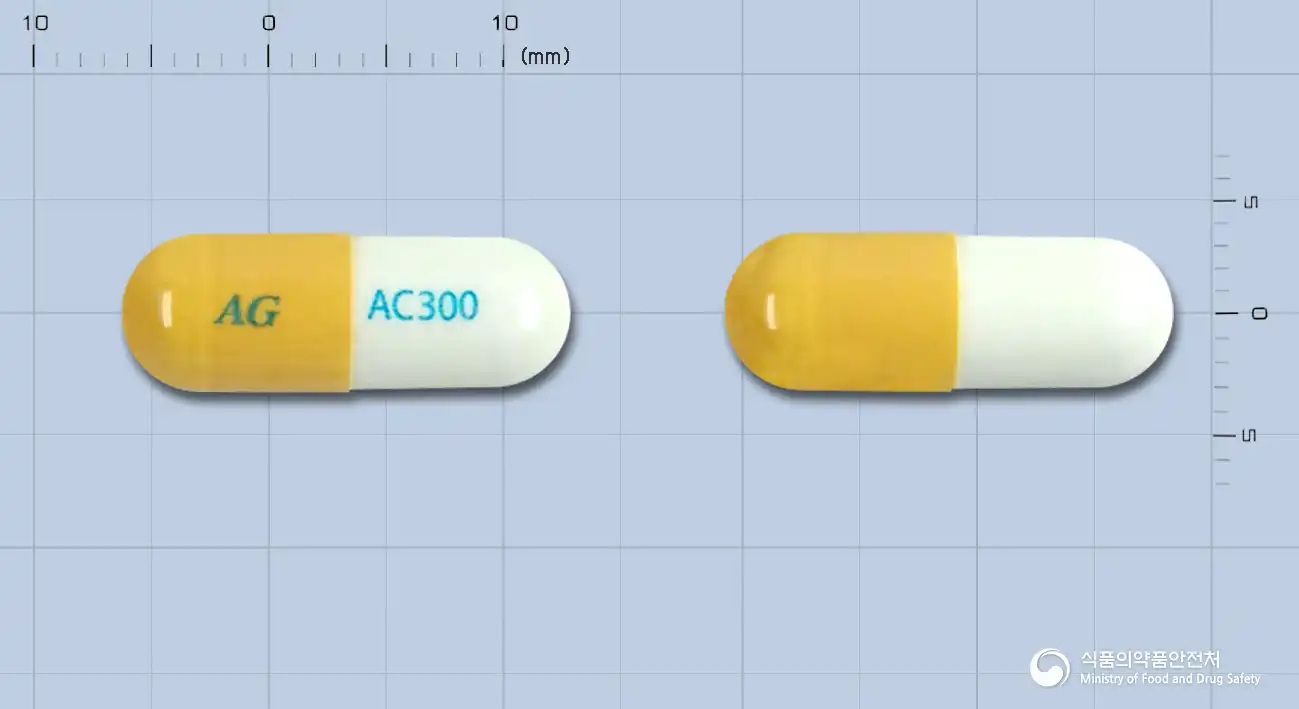
Theobromine 300mg
Hard capsule · Prescription medication
Anguk Pharmaceutical Co., Ltd.
Theobromine 300mg
Hard capsule · Prescription medication
Poonglim Pharm Co., Ltd.
Theobromine
Prescription medication
Anguk New Pharm Co., Ltd.
Theobromine 300mg
Prescription medication
Genewon Science Co., Ltd.
Theobromine
Prescription medication
Ilseong IS Co., Ltd.
Theobromine 300mg
Hard capsule · Prescription medication
Aliko Pharmaceutical Co., Ltd.
Theobromine
Prescription medication
Hawon Pharmaceutical Co., Ltd.
Even with the same ingredient, the dose and directions can differ by strength and dosage form. Talk to a doctor or pharmacist before switching from a medication you are already taking.
No questions yet.
For anything that needs medical judgment, consult a doctor or pharmacist.
This drug information is based on data provided by the Korea Ministry of Food and Drug Safety.
Consult a doctor or pharmacist for accurate dosage, administration, and usage instructions.