
 한국어
 English
 日本語
 中文(简体)
Summary
- Main use
- Treatment of HIV-1 infection
- Who takes it
- Adults · Children
- Adult dose
- Treatment with this medicine should be initiated by a physician experienced in the management of HIV-1 infection. Adults: Administer 1 tablet once daily Oral administration This medicine may be administered with or without food (see ‘15. Pharmacokinetic Information’ under Precautions for Use). Do not chew, crush, or divide the film-coated tablet. If a dose is missed, take the tablet as soon as possible if it is within 18 hours of the usual dosing time, and take the next dose at the usual time. If more than 18 hours have passed, skip the missed dose and take the next dose at the usual time. If vomiting occurs within one hour of taking this medicine, take 1 additional tablet. If vomiting occurs more than one hour after taking this medicine, no additional dose is necessary.
- Child dose
- Pediatric patients 6 years of age and older and weighing 25kg or more: Administer 1 tablet once daily
Ingredients
- Bictegravir Sodium52.45mg / 1 tablet
- Emtricitabine200mg / 1 tablet
- Tenofovir Alafenamide HemiFumarate28.04mg / 1 tablet
- Importer
- Gilead
Efficacy & effects
Treatment of HIV-1 infection
View approved original textHide original text
This medication is used to treat HIV-1 infection in adults who are either treatment-naïve or have achieved stable viral suppression on previous antiretroviral therapy, as well as in pediatric patients aged 6 years and older weighing at least 25 kg. It is especially suitable for patients without suspected or confirmed resistance to bictegravir or tenofovir, and helps to effectively lower viral loads and improve health.
How to take
Adult dose
Treatment with this medicine should be initiated by a physician experienced in the management of HIV-1 infection. Adults: Administer 1 tablet once daily Oral administration This medicine may be administered with or without food (see ‘15. Pharmacokinetic Information’ under Precautions for Use). Do not chew, crush, or divide the film-coated tablet. If a dose is missed, take the tablet as soon as possible if it is within 18 hours of the usual dosing time, and take the next dose at the usual time. If more than 18 hours have passed, skip the missed dose and take the next dose at the usual time. If vomiting occurs within one hour of taking this medicine, take 1 additional tablet. If vomiting occurs more than one hour after taking this medicine, no additional dose is necessary.
Child dose
Pediatric patients 6 years of age and older and weighing 25kg or more: Administer 1 tablet once daily
Precautions
This medication is intended for the treatment of patients with HIV-1 infection and carries a risk of serious liver function deterioration in patients co-infected with hepatitis B or C viruses. Therefore, the presence of hepatitis B virus infection must be confirmed before using this medication, and caution should be observed as hepatitis symptoms may worsen rapidly upon discontinuation. Concurrent use of certain antacids or iron supplements can reduce the effectiveness of this drug, so these medications should be taken at least 2 hours apart from this medication or with food. Additionally, there are contraindicated medications that should not be taken with this drug, so it is essential to consult with a physician or pharmacist to identify these. Common side effects during treatment may include headache, diarrhea, and nausea, and psychological symptoms such as depression or anxiety may also occur. Patients with liver impairment should have their liver function regularly monitored, and side effects such as decreased bone density or abnormal kidney function should also be closely observed. While the safety of this medication during pregnancy is relatively established, viral loads should be closely monitored during pregnancy and it is recommended not to use this drug while breastfeeding. It can be used by children and the elderly, but it is not recommended for children under 6 years or those weighing less than 25 kg, as safety and efficacy have not been established. Patients with severely impaired kidney function generally do not use this medication, and for dialysis patients, it is advisable to take it after dialysis. Caution is advised when driving or operating machinery as this medication may cause dizziness. In the case of overdose, there is no specific antidote, so immediate medical attention should be sought, and it should be stored out of reach of children in a sealed container away from moisture and direct sunlight.
Side effects
- Headache
- diarrhea
- nausea
- anemia
- depression
- abnormal dreams
- suicidal thoughts
- suicide attempts
- anxiety
- sleep disorders
Show 79 moreCollapse
- dizziness
- vomiting
- abdominal pain
- indigestion
- bloating
- hyperbilirubinemia
- angioedema
- rash
- itching
- hives
- Stevens-Johnson syndrome
- arthralgia
- fatigue
- acute renal failure
- acute tubular necrosis
- proximal tubular nephropathy
- Fanconi syndrome
- folliculitis
- athlete's foot
- epididymitis
- abdominal distension
- epigastric pain
- epigastric discomfort
- cheilitis
- fecal incontinence
- oral pain
- geographic tongue
- drug rash
- pigmentary disorder
- maculopapular rash
- hyperhidrosis
- pruritic rash
- paresthesia
- abnormal sensation
- liver-related muscle cramps
- increased blood triglycerides
- increased blood HIV RNA
- musculoskeletal stiffness
- weakness
- pain
- chest discomfort
- generalized edema
- cold sensations
- hypercholesterolemia
- hyperlipidemia
- central obesity
- hypertriglyceridemia
- hypoglycemia
- irritability
- persistent depressive disorder
- dyspnea
- allergic conjunctivitis
- fatty liver
- cholecystocholesterosis
- flushing
- kidney dysfunction
- eosinophilia
- neutropenia
- abdominal discomfort
- increased alanine aminotransferase
- increased aspartate aminotransferase
- insomnia
- nightmares
- nasopharyngitis
- constipation
- drowsiness
- seborrheic dermatitis
- acne
- eczema
- hair loss
- cough
- fever
- osteoporosis
- diabetes
- dyslipidemia
- increased blood creatinine
- increased blood urea
- ureteral stones
- hypertension
Not everyone experiences these, and they can vary from person to person.
Storage
This medication should be stored in a tightly sealed container to protect it from exposure to air or moisture. It is important to maintain a storage temperature between 1 and 30 degrees Celsius to safely preserve the medication's efficacy.
Appearance and packaging
Appearance
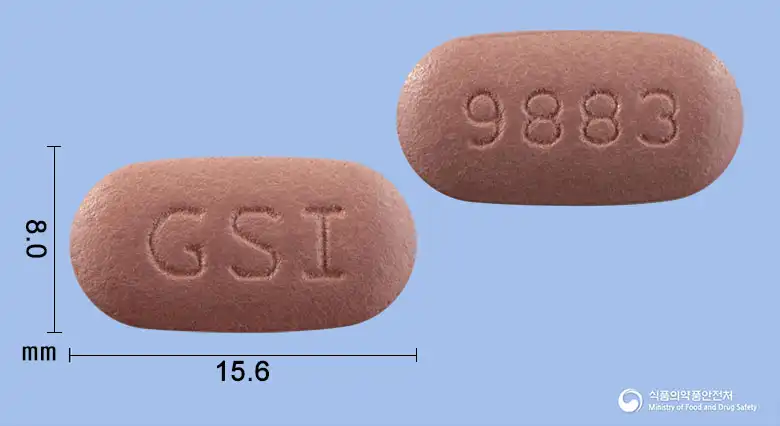
Brown oblong film-coated tablet
Package unit
30 tablets/bottle
Questions about this medicine
No questions yet.
For anything that needs medical judgment, consult a doctor or pharmacist.